Game You Cannot Hunt in North Carolina
It can be incredibly frustrating to find yourself out in the North Carolina woods, seeing a beautiful animal, only to realize you're unsure if it's a legal game species or if taking it would land you in hot water. With so much diverse wildlife in our state, it's easy to get confused about what's fair game and what's strictly protected. This guide will walk you through the various species you absolutely cannot hunt in North Carolina, explaining why they are protected and helping you navigate the complexities of wildlife conservation so you can hunt legally and responsibly.
Understanding North Carolina's Conservation Ethic and Protected Species
North Carolina boasts an incredible diversity of wildlife, from the highest peaks of the Appalachians to the barrier islands of the Outer Banks. This rich tapestry of life is something we all cherish, and it's why our state has robust regulations in place to protect species that are either endangered, threatened, or simply not designated as game animals. Understanding these regulations isn't just about avoiding a fine; it's about being a responsible steward of our natural heritage and ensuring these animals thrive for future generations.
The 'Why' Behind Unhuntable Species
The reasons certain species are off-limits to hunting are multi-faceted. Sometimes, it's a matter of population numbers. A species might have suffered historical declines due to habitat loss, overhunting in the past, or environmental changes, and therefore needs complete protection to recover. Think about the iconic bald eagle or the elusive red wolf – species that were once on the brink and are now carefully managed. Other times, a species isn't in immediate danger of extinction but plays a crucial ecological role that makes it inappropriate for hunting, like many of our songbirds or raptors. They are part of the delicate balance of our ecosystems, controlling insect populations or scavenging carrion.
Furthermore, some species simply don't fit the traditional definition of "game" in North Carolina. They might not be sought for sport or sustenance, and their management falls under different conservation priorities. This isn't to say they aren't valuable or interesting; it simply means they are protected under different statutes and for different reasons than, say, white-tailed deer or wild turkeys. The overarching goal is always to maintain healthy wildlife populations and preserve biodiversity across our beautiful state.
General Rules for Protected Wildlife
The most fundamental rule regarding protected wildlife in North Carolina is simple: if it's not explicitly listed as a game species with an open season, it is generally illegal to hunt, harass, or possess. This includes a vast array of mammals, birds, reptiles, amphibians, and even some fish. Ignorance of the law is not an excuse, so it's critical for every outdoor enthusiast, whether hunting or just enjoying nature, to know the difference. The North Carolina Wildlife Resources Commission (NCWRC) is the primary agency responsible for managing the state's wildlife and setting these regulations.
Beyond specific species lists, there are also federal protections, primarily through the Migratory Bird Treaty Act, which protects most native bird species. This means that even if a bird isn't explicitly listed as endangered by the state, it's likely protected under federal law unless it's a designated migratory game bird like a duck or dove. Understanding these layers of protection is key. Always consult the most current North Carolina Inland Fishing, Hunting and Trapping Regulations Digest, or use tools like GoHunt to cross-reference species before you ever head afield. This isn't just a suggestion; it's an essential part of ethical and legal hunting.
Specific Mammals Off-Limits to Hunters
While we often focus on deer, bear, and turkey, North Carolina is home to many other fascinating mammals that are strictly protected. Encountering one of these creatures in the wild can be a truly special moment, but remember, they are not to be pursued or harvested.
Iconic Species Under Strict Protection
When we talk about protected mammals in North Carolina, a few prominent examples immediately come to mind. The most well-known are undoubtedly the red wolf and the eastern cougar. The red wolf is critically endangered, with the last wild population residing in eastern North Carolina. The North Carolina Red Wolf Recovery Program History is a fascinating but often challenging story of conservation efforts. These animals are federally protected, and any harm to them carries severe penalties. There is absolutely no open season or legal means to hunt red wolves. Seeing one is an incredibly rare privilege and should be reported to wildlife authorities, as it provides valuable data for their recovery.
Another animal that stirs much debate and fascination is the eastern cougar (also known as a mountain lion or puma). While there are occasional unconfirmed sightings, the eastern cougar is considered extirpated from North Carolina, meaning it's no longer a breeding population in the wild. Any cougar present in the state would likely be a transient animal from a western population or an escaped captive animal. Regardless, they are fully protected and cannot be hunted. It’s important not to confuse their tracks or scat with those of other large predators like coyotes or even large domestic dogs.
Smaller Mammals You Might Encounter
Beyond the big, charismatic predators, there are numerous smaller mammals that are also not game species. This includes a variety of bats, which are critical for insect control and pollination; several species of mice, voles, and shrews; and unique creatures like flying squirrels. While you might encounter these animals on your property or in the woods, they are not to be hunted. For instance, bats face significant threats from habitat loss and diseases like White-Nose Syndrome, making their protection paramount.
We also have a few furbearers that have specific, often regulated, trapping seasons but are not typically hunted with firearms or archery equipment in the same manner as deer or bear. These include species like muskrats, minks, and sometimes even bobcats, depending on very specific rules. However, many common small mammals, such as moles, various shrews, and chipmunks, are simply not designated as game and therefore fall under general protection. Always double-check the regulations for specific furbearers, as their status can sometimes be nuanced, but for most general small mammals, they are off-limits. For information on species that can be harvested, you might look into North Carolina Small Game and Furbearers.
Birds That Are Not Game Birds
North Carolina is a birder's paradise, with hundreds of species passing through or residing here year-round. While ducks, geese, and turkeys have their seasons, a vast majority of our feathered friends are protected.
Raptors and Their Vital Role
Birds of prey, known as raptors, are a majestic and incredibly important part of our ecosystem. This category includes all species of hawks, eagles, falcons, and owls. There are absolutely no hunting seasons for any of these birds in North Carolina. They are protected under both state and federal laws, primarily the Migratory Bird Treaty Act and the Bald and Golden Eagle Protection Act. The recovery of the bald eagle, for instance, has been a major conservation success story, and they are now a common sight near our state's waterways. North Carolina Bald Eagle Recovery Near the Coast is a testament to dedicated efforts.
Raptors play a crucial role in maintaining healthy prey populations, controlling rodents, snakes, and other small animals. They are apex predators in their respective niches, and their presence indicates a healthy environment. Mistaking a hawk for a game bird, or intentionally harming one, can lead to substantial fines and even imprisonment. It's imperative that hunters and outdoor enthusiasts learn to identify these magnificent birds to avoid any accidental infractions. Familiarize yourself with their calls, flight patterns, and preferred habitats using a reliable field guide or an app like GoHunt that can help identify birds.
Songbirds, Wading Birds, and More
Beyond raptors, virtually all other native bird species that are not specifically designated as migratory game birds (like ducks, geese, doves, woodcock, or snipe) or upland game birds (like grouse or quail) are protected. This includes all species of songbirds, from tiny wrens to vibrant cardinals, as well as wading birds like herons and egrets, shorebirds, and vultures. Vultures, while not always beautiful to everyone, are vital scavengers that help keep our environment clean.
It’s easy to understand why songbirds are protected; their beauty and ecological roles (insect control, seed dispersal) are invaluable. Wading birds and shorebirds, often found in our coastal marshes and along rivers, are also heavily protected due to habitat loss and their generally low reproductive rates. Even common species like crows, while often viewed as a nuisance and having a regulated hunting season in North Carolina, are still managed under specific rules that differ greatly from traditional game birds. When in doubt, assume any bird you see that isn't clearly a game bird is protected.
Other Protected Wildlife and Important Considerations
North Carolina's wild places are home to much more than just mammals and birds. A fascinating array of reptiles, amphibians, and even some fish species are also protected, and understanding their status is crucial for responsible interaction with nature.
Reptiles, Amphibians, and Fish
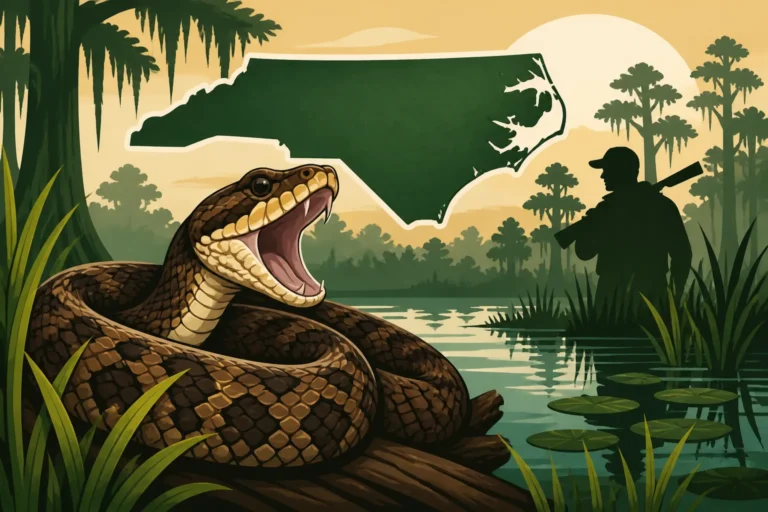
Many of North Carolina's reptiles and amphibians are also protected and cannot be hunted or harassed. This includes all native snakes (venomous or non-venomous), lizards, turtles, frogs, toads, and salamanders. Some species, like sea turtles, are federally endangered and have extremely strict protections. Even common box turtles, often seen crossing roads, are protected from collection or harvest. The rationale here often stems from ecological importance (e.g., insect control by frogs, seed dispersal by turtles) and susceptibility to habitat degradation or slow reproductive rates.
Regarding fish, while most freshwater and saltwater species are managed for recreational and commercial fishing under specific seasons, size limits, and bag limits, there are certain species that are protected and cannot be harvested. These are typically endangered or threatened fish species, often small, non-game fish, or those critical to the health of specific aquatic ecosystems. For instance, the robust redhorse, a rare native sucker, is protected. It's vital to check the North Carolina Fishing Regulations for specific details, as rules can change. Also, don't forget unique creatures like the alligator; while their population is healthy in some coastal areas, they are a federally protected species and cannot be hunted, though there are specific, highly regulated nuisance permits for problem animals. You can learn more about North Carolina Alligator Population and North Carolina Alligator Nuisance Complaints.
What to Do if You Encounter an Injured Protected Animal
Encountering an injured or distressed protected animal can be a heartbreaking experience, and it's natural to want to help. However, it's crucial to act responsibly and avoid direct intervention, which could inadvertently harm the animal further or put you in danger. The best course of action is to contact the North Carolina Wildlife Resources Commission (NCWRC) or a licensed wildlife rehabilitator. These professionals have the training, equipment, and legal authorization to handle and care for protected wildlife. Never attempt to rescue or care for a protected animal yourself, as this can be illegal and dangerous.
Knowing who to call and having their number saved in your phone is a good practice for any outdoors person. If you're using a mapping and information app like GoHunt, you might even be able to save these critical contacts directly within the platform. Remember that wildlife diseases, such as those discussed in North Carolina Wildlife Disease Monitoring, can also make direct contact risky. Your role is to observe, report, and provide the exact location of the animal so professionals can respond. By doing so, you contribute positively to wildlife conservation and ensure the best possible outcome for the animal in distress.
Table: Examples of Protected vs. Huntable Species in North Carolina
To help clarify, here's a quick reference table of common examples. This is not exhaustive, but provides a good overview.
| Category | Protected (Cannot be Hunted) | Huntable (With Season/License) | Notes |
|---|---|---|---|
| Mammals | Red Wolf, Eastern Cougar, Bats, Moles, Flying Squirrels, Chipmunks, Shrews | White-tailed Deer, Black Bear, Wild Boar (Feral Hog), Rabbit, Squirrel, Raccoon, Fox, Bobcat, Coyote | Bobcat, Fox, Coyote often have specific trapping/hunting regulations. |
| Birds | Bald Eagle, Hawks, Owls, Falcons, Herons, Egrets, Songbirds (Cardinals, Wrens), Vultures, Woodpeckers | Wild Turkey, Ducks, Geese, Mourning Dove, Quail, Grouse, Woodcock, Snipe, Crow | Most native bird species are protected under federal law. Migratory Game Birds have federal seasons. |
| Reptiles/Amphibians | All Native Snakes, All Native Lizards, All Native Turtles (except specific snapping turtle regulations), All Frogs, Toads, Salamanders, Alligators | None (some snapping turtles may have specific harvest rules, not "hunting") | Alligators are federally protected. |
| Fish | Endangered/Threatened Fish Species (e.g., Robust Redhorse) | Most native freshwater and saltwater game fish | Subject to specific seasons, size limits, and bag limits. Check regulations annually. |
Wildlife Laws and Penalties for Violations
Ignoring North Carolina's wildlife laws, especially those protecting non-game species, carries significant consequences. It's not just a slap on the wrist; depending on the severity of the offense, penalties can range from substantial fines to loss of hunting privileges, confiscation of equipment, and even jail time. The exact nature of the penalty will depend on whether it's a state or federal violation, the species involved (especially if federally endangered), and the specific circumstances of the infraction.
For instance, taking a protected bird like a bald eagle or harming an endangered red wolf can result in federal charges, which are often much more severe than state-level misdemeanors. Even accidentally taking a non-game animal can result in a citation if negligence is proven. The NCWRC takes these violations very seriously, as they directly undermine conservation efforts and the health of our state's wildlife populations. Understanding North Carolina Wildlife Violation Penalties is not something any ethical hunter wants to learn the hard way. Always prioritize positive identification and adherence to regulations to protect yourself and North Carolina's precious wildlife.
Disclaimer
This article is for general informational purposes only and does not constitute professional advice. Laws, prices and regulations vary by location and change over time. Consult a qualified professional for guidance on your specific situation.