North Carolina Mallard and Wood Duck Numbers
It's a familiar feeling, isn't it? You wake up before dawn, bundle up against the chill, and head out to your favorite impoundment or swamp in North Carolina, filled with hope for a busy morning of duck hunting. But sometimes, after hours of waiting, you're left wondering: where are all the birds? It can be incredibly frustrating to put in all that effort without seeing the numbers you'd hoped for. This guide is here to shed some light on the populations of two of North Carolina's most beloved waterfowl – the mallard and the wood duck – delving into their numbers, what influences them, and how understanding these trends can help you have more successful days in the field.
Understanding North Carolina's Duck Populations
North Carolina is a unique state for waterfowl, sitting right in the heart of the Atlantic Flyway while also boasting significant resident populations. This means we get a mix of birds that breed here and those that migrate through, particularly when it comes to species like mallards. Understanding this distinction is key to anticipating your hunting opportunities.
The Lifeblood of Our Waterfowl: Wood Ducks
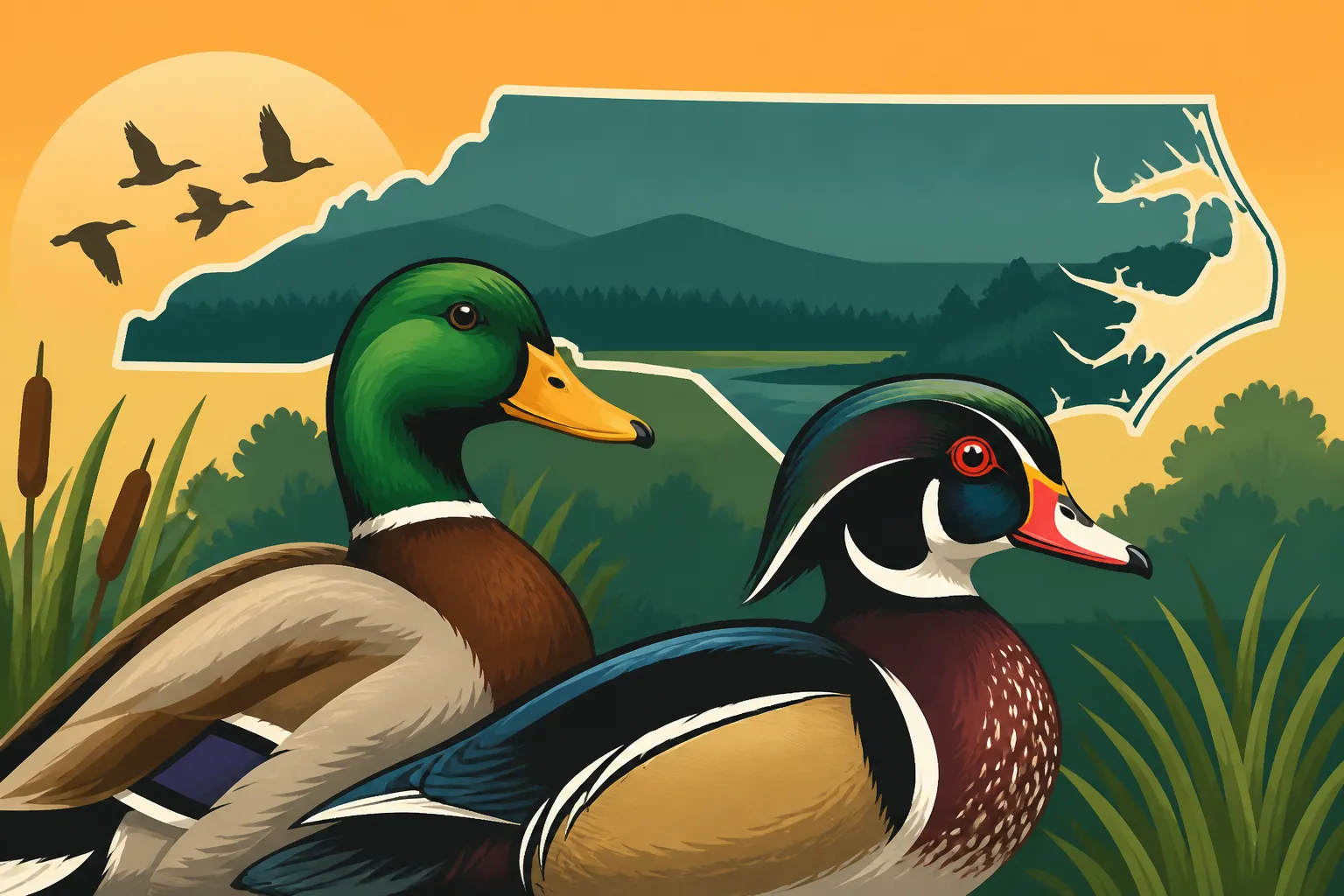
If there's one duck that truly defines North Carolina's waterfowl scene, it's the wood duck. These stunning birds, often referred to as "woodies," are incredibly prevalent across our state, favoring the myriad of wooded swamps, beaver ponds, and river bottoms that crisscross the landscape. Unlike many other duck species, a significant portion of the wood duck population that hunters pursue here are actually resident birds, born and raised right in North Carolina. They thrive in the diverse, timber-rich habitats from the mountains to the coast.
Their numbers tend to be much more stable year-to-year compared to species heavily reliant on northern migrations. This is because their breeding success is often more directly tied to local habitat conditions and weather patterns within North Carolina itself. Hunters can almost always count on wood ducks being around, especially in areas with good cover and water. The thrill of a whistling flock darting through the trees at dawn is a quintessential North Carolina hunting experience. For specific strategies on targeting these birds, you might want to look into Wood Ducks in North Carolina Swamps.
Mallards: Migrants and Residents
Mallards are a different story, offering a more dynamic and sometimes unpredictable hunting experience. North Carolina hosts both migratory mallards, pushed south from their northern breeding grounds by harsh winter weather, and a smaller, but important, resident population. The balance between these two groups heavily influences the overall mallard numbers we see each season.
Our resident mallards are those birds that breed and spend their entire lives within the state, often found in agricultural areas, larger impoundments, and river systems. They're hardy birds, adapted to our local climate. However, the truly impressive numbers of mallards, the ones that often fill hunting dreams, come with the late fall and winter migrations. These are the birds that originate from the prairie pothole region and other northern breeding grounds, making their way down the Atlantic Flyway. Their arrival and abundance are highly dependent on factors far outside North Carolina's borders, particularly the severity of winter weather to our north. When cold fronts hit hard up north, we tend to see better flights of migratory mallards here.
Comparing North Carolina's Mallard and Wood Duck Dynamics
To give you a clearer picture, here's a quick comparison of what makes these two popular duck species tick in North Carolina:
| Feature | Wood Duck | Mallard (Migratory & Resident) |
|---|---|---|
| Primary Habitat | Wooded swamps, beaver ponds, flooded timber, river bottoms | Agricultural fields, larger impoundments, open water, tidal marshes |
| Migration Dependency | Largely resident, local movements; some northern birds pass through | Heavily reliant on northern cold fronts; significant migratory population |
| Breeding in NC | Extensive local breeding | Limited local breeding (resident birds) |
| Season Availability | Early season abundance, consistent throughout | Peaks late season with cold weather up north, inconsistent |
| Typical Harvest | High and consistent, often leading the state | Variable, good in cold years, lower in mild years |
| Vulnerability to Cold | Tolerates NC winters well | Highly sensitive to northern cold fronts, seeks open water |
This table illustrates why wood ducks often provide a more consistent opportunity for North Carolina hunters, while mallards offer those exciting, but less predictable, "bluebird" days when the migration is on.
Factors Influencing Duck Numbers in North Carolina
Understanding the numbers isn't just about counting birds; it's about appreciating the complex web of factors that dictate where they are and when. For North Carolina hunters, this means looking beyond our state lines sometimes, and keenly observing conditions within them.
Habitat is King: Swamps, Rivers, and Fields
For both mallards and wood ducks, accessible and healthy habitat is the cornerstone of their survival and, by extension, our hunting opportunities. North Carolina is blessed with incredible diversity, offering a range of crucial environments.
Wood ducks, as we discussed, are intimately tied to our wooded wetlands. Flooded timber, pocosin swamps, and the quiet backwaters of our rivers like the Roanoke, Tar, and Neuse are their strongholds. They need mature trees for nesting cavities and plenty of submerged vegetation and insects for food. Changes in water levels, whether natural floods or drought, and the ongoing loss of these critical wetland habitats due to development or agriculture, directly impact their local populations. Conserving and managing these areas, like those found within our national forests and game lands, is paramount for their continued abundance. If you're looking to target these birds, exploring Hunting Flooded Timber for Wood Ducks can provide excellent insights.
Mallards, particularly the migratory ones, have a broader diet and often utilize open water and agricultural fields. They'll drop into cut cornfields, flooded bean fields, and impoundments that offer waste grain and shallow water for feeding. Our coastal plain, with its vast farmland and proximity to the sounds, becomes a magnet for these birds when conditions are right. However, if those fields aren't flooded, or if there's too much pressure, those birds won't stick around. The availability of diverse food sources, clean water, and secure roosting areas dictates how long they'll stay in an area once they arrive.
The Role of Weather and Migration Patterns
You can't talk about duck numbers without talking about the weather. For migratory mallards, it’s the primary driver of their arrival. A mild winter up north in states like Pennsylvania, Ohio, or even further north in Canada, means ducks have less incentive to push south. They'll find open water and food further north, and our numbers will suffer. Conversely, a severe cold snap and heavy snow in their traditional staging areas can send a huge influx of birds down the Atlantic Flyway right into North Carolina, creating those legendary hunting days.
Local weather also plays a critical role in holding birds once they arrive. Persistent cold snaps and ice can concentrate birds onto remaining open water, making them easier to find. Heavy rain can create new sheet water in fields, offering new feeding opportunities. On the other hand, prolonged mild weather and widespread open water can scatter birds across a vast landscape, making them harder to locate. Understanding North Carolina Waterfowl Migration Timing is crucial for planning successful hunts. Many seasoned hunters utilize tools like GoHunt to track weather patterns and anecdotal bird reports to predict when the next big wave of migratory ducks might arrive. This kind of planning can make all the difference.
Conservation Efforts and Hunter Impact
It’s easy to get caught up in the daily grind of hunting, but it's important to remember that the ducks we pursue exist because of dedicated conservation efforts. Organizations and state agencies work tirelessly on habitat preservation, restoration, and management projects that directly benefit both mallards and wood ducks. This includes everything from building wood duck nesting boxes to managing water levels in impoundments for optimal foraging, and working with private landowners to create duck-friendly habitats.
As hunters, our purchase of hunting licenses, federal duck stamps, and state migratory bird certifications directly funds these vital programs. Every dollar spent on these permits is an investment in the future of waterfowl hunting. These funds support critical research, habitat improvements, and enforcement efforts that ensure sustainable populations for generations to come. Without these contributions, the duck numbers we do see would undoubtedly be much lower.
Interpreting Trends and What it Means for Hunters
Knowing the overall numbers is interesting, but translating that data into successful hunts requires a deeper understanding of trends and how to apply that information to your specific hunting situation. North Carolina offers diverse waterfowl hunting, from the large sounds to small inland ponds.
Annual Surveys and Local Observations
Wildlife agencies conduct annual aerial surveys and breeding bird surveys to estimate duck populations on a broad scale. These numbers give biologists a good idea of the overall health of the population in a given year. However, it's crucial for hunters to understand that these broad numbers don't always directly translate to local hunting success in your particular neck of the woods. A state might have "average" mallard numbers, but if the weather patterns didn't push those birds to your area, your local hunting might be poor.
This is where local observations become so important. Scouting, talking to other hunters, and keeping an eye on water levels and food availability in your specific hunting spots are invaluable. Tools like GoHunt can provide satellite imagery and land ownership maps that help you scout potential areas digitally, identifying key habitat features that ducks might be using. For example, knowing North Carolina Duck Harvest Numbers from previous seasons can give you a historical context, but current conditions will dictate immediate opportunities. A great resource can be the online tools that allow you to track harvest reports, giving you a better sense of what counties are seeing bird movement.
Planning Your Hunt Based on Numbers
Armed with knowledge about mallard and wood duck populations, you can approach your season with a more strategic mindset.
-
Early Season (Wood Duck Focus): For the early parts of the season, especially before sustained cold weather arrives from the north, focus your efforts on wood ducks. Seek out smaller, wooded water bodies, beaver ponds, and flooded timber. These are the places where resident woodies will be most abundant and reliable. They tend to be less wary than mallards and more predictable in their movements between roosting and feeding areas. Understanding how to set up for them in dense cover is key. You might want to review tactics like Hunting Currituck Sound Diving Ducks if you're venturing to the coast, or general strategies for early season success on other game lands.
-
Mid-to-Late Season (Mallard Watch): As the season progresses into late fall and winter, keep a keen eye on northern weather forecasts. This is when the migratory mallards are most likely to arrive. Focus on larger water bodies, impoundments, and agricultural fields (especially cut corn or soybeans) where mallards prefer to feed and stage. Be prepared to adapt your decoys spreads and calling techniques for these often more wary birds. Layout blinds in open fields can be incredibly effective when targeting these birds, as discussed in Layout Blind Hunting Coastal Plain Fields. The timing of these flights can be unpredictable, making flexibility and scouting paramount.
Remember, duck hunting is rarely about sitting back and waiting for the ducks to find you. It’s about being where the ducks want to be, and understanding the factors that put them there. That means doing your homework, reading the landscape, and staying abreast of both population trends and real-time conditions.
Disclaimer
This article is for general informational purposes only and does not constitute professional advice. Laws, prices and regulations vary by location and change over time. Consult a qualified professional for guidance on your specific situation.