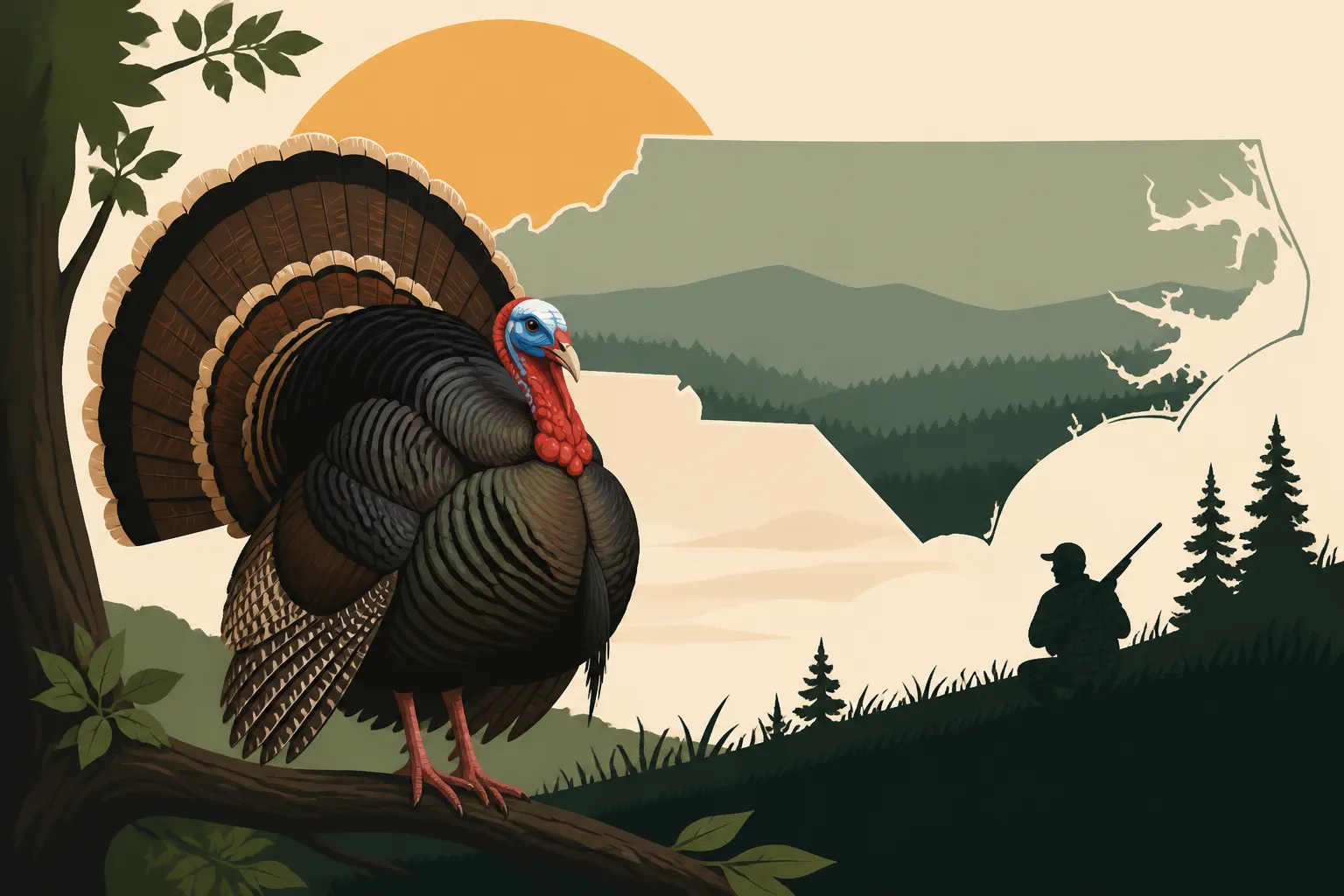
Where North Carolina Gobblers Roost
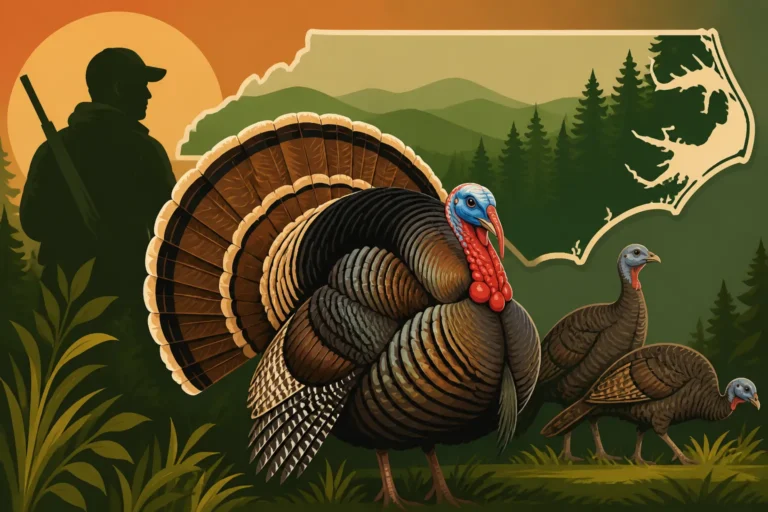
Few things are more frustrating than hitting the woods before dawn, full of anticipation, only to have that hopeful silence met with… well, more silence. You know the birds are out there, but where? One of the biggest keys to consistent turkey hunting success in North Carolina is understanding where those gobblers are likely to spend the night. This guide is all about helping you decode the mysteries of where North Carolina gobblers roost, so you can start your mornings with confidence instead of guesswork.
Understanding Roosting Behavior in North Carolina Turkeys
Wild turkeys, especially gobblers, don't just pick any old tree to sleep in. Their decision is a calculated one, driven by survival instincts. If you can think like a turkey and understand why they choose certain trees and locations, you're halfway to figuring out where they'll be.
Why Turkeys Roost in Specific Trees
It all comes down to safety and comfort. Turkeys are vulnerable on the ground, especially at night when their vision is limited. By flying up into trees, they gain a crucial advantage against ground predators like coyotes, foxes, and bobcats. They typically seek out the tallest, stoutest trees with strong horizontal limbs that offer a good vantage point. These "roost trees" often stand a bit taller than the surrounding canopy, giving them a clear view of any approaching threats from below.
The limbs themselves need to be sturdy enough to support a bird that might weigh twenty pounds or more. They're not looking for spindly branches; they want a stable perch. Furthermore, having clear airspace around the tree allows for an unobstructed flight up at dusk and a safe flight down at dawn. Ever tried to fly a drone through a thicket? Turkeys face a similar challenge, so they prefer trees that allow for an easy, clean takeoff and landing.
Seasonal and Environmental Influences on Roosting Spots
Turkey roosting habits aren't static; they shift with the seasons and the weather. In the early spring, when the leaves are just beginning to bud, turkeys might prefer a denser stand of pines for thermal cover and concealment, especially on cold or windy nights. As the hardwoods leaf out, they might transition to those big oak or hickory trees that offer both cover and sturdy limbs. During the peak of the breeding season, gobblers might roost closer to strutting zones or areas where hens are known to feed, minimizing their travel time in the morning.
Weather plays a huge role too. On calm, clear nights, they might spread out more, choosing individual trees. But if a storm is brewing, or strong winds are predicted, they'll often huddle together in a more sheltered pocket, perhaps on the lee side of a ridge or in a thick pine plantation that breaks the wind. Rain and cold can also push them into tighter cover, sometimes even into more protected hollows or creek bottoms. Being aware of these environmental factors can help you narrow down your search for potential roosts.
Common Roosting Habitats Across North Carolina's Diverse Landscape
North Carolina is a state of incredible topographical diversity, from the rugged Appalachians to the vast coastal plains. This means that what makes a good roost in the mountains might be entirely different from what works on the coast. Understanding these regional variations is key to finding success, no matter where you hunt.
Mountain Roosts: Steep Ridges and Mature Hardwoods
In North Carolina's western mountains, turkey roosts are often found on the upper third of steep ridges or along prominent benches. These birds use elevation to their advantage, gaining maximum visibility. They'll gravitate towards the largest, most mature hardwoods – think towering oaks, hickories, and poplars – that punctuate the otherwise dense forest canopy. These trees offer not only strong, high perches but also often grow in areas with less undergrowth directly beneath them, making it easier for turkeys to fly up and down.
Look for a dominant ridge line that might have a slight saddle or a consistent bench running through it. Turkeys will often fly up from a lower feeding area to these higher roosts. The trees chosen are typically old-growth timber, often found in draws or along slopes that collect moisture, allowing these trees to grow exceptionally tall and wide. Reading a Ridge for Mountain Zone Deer might give you some insight into how animals use this terrain, and turkeys are no different in seeking out advantageous positions.
Piedmont Roosts: Field Edges, Creek Bottoms, and Mixed Forests
The Piedmont region offers a mix of agriculture and sprawling forests, leading to varied roosting habits. Here, turkeys frequently roost in tall trees along field edges, especially those bordering open pastures or cultivated fields. These provide easy access to feeding grounds in the morning and evening, while the height of the trees offers safety. Often, these are mature oaks or pines that stand out from the surrounding tree line.
Another prime location in the Piedmont is within creek bottoms and along river systems. The older, larger trees that thrive in these moist environments provide excellent roosting opportunities. The dense canopy along these water sources can also offer some thermal cover. Furthermore, turkeys might use small islands of mature timber within a sea of younger growth or scattered woodlots that offer the only truly large trees for miles around. Turkey Tactics for Piedmont Field Edges will tell you more about hunting these areas.
Coastal Plain Roosts: Swamp Edges, River Bottoms, and Pine Islands
The Coastal Plain presents its own unique set of challenges and opportunities for roosting turkeys. With vast expanses of low-lying swamp and pocosin, turkeys often seek out the highest ground available, even if it's just a slight elevation change. They will frequently roost along the edges of swamps or in the tall timber lining major river bottoms. The ancient cypress and gum trees in these areas provide incredibly sturdy, tall roosts, often over water, which adds an extra layer of predator protection.
Isolated "pine islands" or hammocks of mature hardwoods within large swamp systems are also key roosting locations. These slightly higher, drier spots become critical sanctuaries. The dense foliage of coastal pines can provide excellent cover, especially during colder or windier nights. Hunting Coastal Plain Pocosin Swamps is a great resource for understanding the terrain in these eastern parts of the state, and this knowledge can be directly applied to finding turkey roosts there.
Scouting Strategies for Pinpointing Roost Trees
Finding a roosted gobbler often feels like winning the lottery, but it's rarely luck. It's the result of diligent scouting, smart use of tools, and keen observation. Knowing where to look and what to look for is paramount.
Pre-Season Reconnaissance and Map Scouting
Before the season even opens, you can significantly increase your chances by doing some serious pre-season scouting. Start with topographical maps or digital mapping applications like GoHunt. Look for those prominent ridge lines, isolated patches of mature timber, creek and river drainages, or large woodlots adjacent to open fields. Pay attention to contour lines and identify the highest points or sharp breaks in elevation, as these are often prime roosting locations. Using satellite imagery on GoHunt can help you spot mature trees that stand taller than the surrounding forest.
Physical scouting during the late winter or early spring, before the full leaf-out, is also invaluable. Walk potential roosting areas, looking for the tell-tale signs. Get to know the layout of the land, identify natural funnels, and note any consistent turkey travel routes. The more time you spend in the woods, the better you'll understand how turkeys use that particular piece of ground. Remember, a turkey will often use the same roosting area, or even the same specific trees, year after year if it feels safe. Scouting North Carolina Public Land Before Season delves deeper into effective pre-season preparation.
Listening and Locating During Hunting Season
Once hunting season is underway, your ears become your most important scouting tool. The evening before a hunt, or even several evenings leading up to it, try to be in the woods during the last hour of daylight. Listen for the distinctive "yelp" as turkeys fly up to roost, or the soft "cluck" as they settle in. Even better, get out before dawn and listen for the first gobble, which can pinpoint a bird's location.
Using locator calls, such as an owl hoot or a crow call, can often elicit a shock gobble from a roosted bird without putting too much pressure on them. The trick is to use these sparingly and naturally, not to overdo it. Once you hear a gobble, mark the location (mentally or with your GoHunt app) and try to determine the general direction and distance. Keep quiet, back out slowly, and plan your approach for the next morning. Locator Calls for North Carolina Gobblers explains this technique in more detail.
Interpreting Roost Sign
Turkeys leave behind clues. When you find a likely roosting area, take the time to look for physical evidence on the ground directly beneath the trees. The most obvious sign is droppings. Roost droppings are often elongated and splattered due to the height from which they fall. You'll typically find a concentration of them under active roost trees.
Feathers are another key indicator. Turkeys will often preen before roosting and sometimes shed feathers during the night. Look for primary wing feathers, body feathers, or even small downy feathers. If you find a number of feathers, especially paired with droppings, you've likely found an active roost. Finally, sometimes you can even spot bark rubbed smooth or scratched by turkey claws where they've repeatedly flown up to the same limb. This "roost sign" confirms you're in the right neighborhood.
Setting Up on a Roosted Bird
Once you've located a roosted gobbler, the real chess match begins. Your morning approach and setup are critical to getting that bird to commit and come within range. This is where patience and stealth truly pay off.
Early Morning Approach Tactics
The golden rule for approaching a roosted gobbler is absolute silence and darkness. Get into the woods well before first light, giving yourself ample time to move slowly and deliberately to your chosen setup location. The goal is to get within 100-150 yards, or even closer if terrain allows, without making a sound or being seen. Use the cover of darkness and natural contours of the land to mask your approach. Pay close attention to the wind direction; you want to make sure your scent isn't drifting towards the roost tree, though turkeys primarily rely on sight and sound.
Choose an ambush point that offers good cover for you to blend into, whether it's a wide tree trunk, a thick brush pile, or a natural depression. Make sure you have a clear shooting lane in the direction you expect the bird to fly down or approach from. Calling a North Carolina Gobbler Off the Roost emphasizes the importance of a well-executed early morning strategy. Avoid walking directly under or too close to the roost tree, as this can alert the birds. Let the woods slowly wake up around you, and be ready.
Decoy Placement and Calling Strategy
Decoy placement is critical when hunting a roosted bird. Once you're set up, place your decoys (if using them) about 15-20 yards in front of you, facing the direction you expect the gobbler to approach from. Many hunters prefer a jake and hen setup, as this can often entice a dominant gobbler to come in to challenge the jake. Ensure your decoys are visible but not overly exposed.
Your calling strategy for a roosted bird needs to be subtle at first. Start with soft tree yelps and soft clucks as the sky begins to lighten. You're mimicking a hen waking up on the roost. Wait for the gobbler to respond. Once he gobbles, you might offer a slightly louder series of yelps or a fly-down cackle as you hear him pitch off the limb. The goal is to make him believe a hen is eager and ready on the ground. Be patient, let him work, and resist the urge to overcall. Remember, sometimes silence, especially after an initial series of calls, is the best call of all. Setting Up Against a Big Oak and Turkey Calls Worth Carrying in North Carolina offer more tactical advice on this front.
North Carolina Turkey Roosting Habits by Region
| Region | Typical Roost Locations | Common Tree Species | Key Considerations |
|---|---|---|---|
| Mountains | Steep ridge lines, upper third of slopes, benches | Mature oaks, hickories, poplars, some pines | Elevation, large old-growth trees, thermal cover |
| Piedmont | Field edges, creek bottoms, river banks, woodlots | Mixed hardwoods (oak, hickory) and mature pines | Proximity to food/water, transition zones |
| Coastal Plain | Swamp edges, river bottoms, isolated pine islands | Cypress, gum, water oak, mature pines | Higher ground, water protection, dense cover |
Finding where North Carolina gobblers roost is less about magic and more about methodical scouting and understanding turkey behavior. By combining pre-season map work, listening for calls, identifying physical roosting sign, and executing a flawless morning setup, you'll significantly increase your chances of connecting with a bird. The patience and effort you put into locating those roost trees will undoubtedly pay off in thrilling spring mornings in the North Carolina woods.
Disclaimer
This article is for general informational purposes only and does not constitute professional advice. Laws, prices and regulations vary by location and change over time. Consult a qualified professional for guidance on your specific situation.