North Carolina Wild Turkey Subspecies
For many of us who eagerly await spring, the sound of a gobbler echoing through the North Carolina woods is a powerful draw. Yet, while we all chase that thrill, sometimes we forget to truly understand the magnificent birds we're pursuing. It’s easy to assume all wild turkeys are the same, but knowing the specific subspecies that makes its home here, and how it adapts to our incredibly diverse landscapes, can be a game-changer for your hunting strategy. This guide will unravel the distinct characteristics of North Carolina's wild turkeys, exploring their features, preferred habitats, and how this deep knowledge can transform your next hunt.
The Eastern Wild Turkey: North Carolina's Sole Resident Subspecies
When you hear a gobble in the North Carolina mountains, piedmont, or coastal plain, you're listening to an Eastern wild turkey. This isn't like some other states that might boast a mosaic of different subspecies like Merriam's or Osceolas; here in the Tar Heel State, the Eastern is our primary, magnificent bird. And let me tell you, they are a fantastic challenge and a testament to successful conservation efforts. Knowing this helps you focus your understanding – you're dealing with one type of bird, but one that has learned to thrive in incredibly varied environments.
Distinctive Features and Appearance
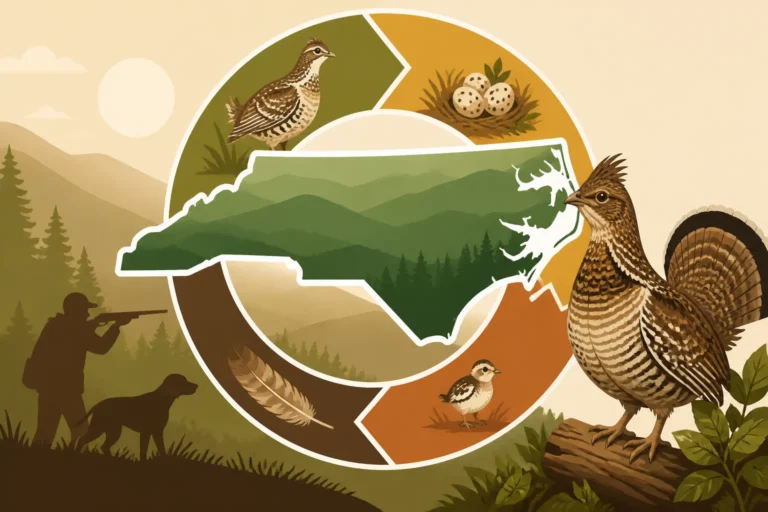
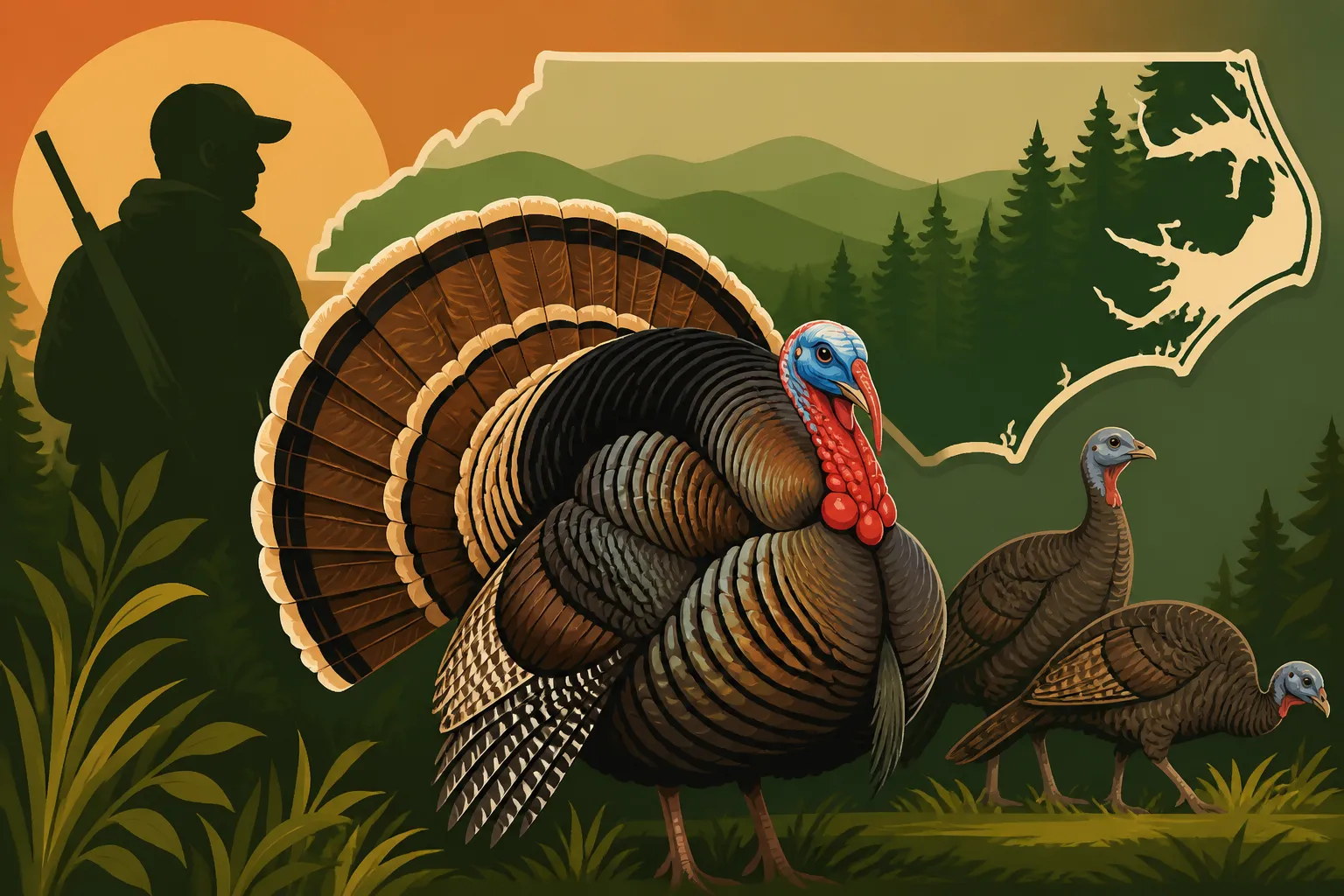
The Eastern wild turkey ( Meleagris gallopavo silvestris) is a striking bird, easily distinguishable once you know what to look for. They generally have a larger, more robust build compared to some of their western cousins. Their body feathers are typically a rich, iridescent copper and bronze, often reflecting greens and reds in the sunlight, giving them that classic wild turkey shimmer. The tail feathers are a deep chocolate brown, bordered with a band of chestnut or rust, which is then tipped with black. This tri-color tail pattern is one of the key identifying features. The primary wing feathers have distinct white barring, creating a banded appearance when the bird flies or fans its wings, though you often only see it up close or in flight.
Their heads, though largely featherless, can range in color from a pale bluish-white to a vibrant red or deep purple, often changing with emotion or excitement. When a gobbler is "fired up" during the spring, those reds and blues intensify, making for an unforgettable sight. Hens usually have duller coloration overall, both in their body feathers and their head, often sporting more gray or brownish hues to better camouflage themselves while nesting. Spotting these subtle differences can tell you a lot about the bird you're looking at, even before it makes a sound.
Behavior and Vocalizations
Eastern wild turkeys are incredibly intelligent and wary creatures, especially after they've been pressured by hunters. Their behavior is highly adapted to their forested environments. They are masters of using cover, moving quietly through dense undergrowth, and can vanish in plain sight. They rely heavily on their eyesight and hearing, which are both exceptionally keen. A subtle movement or an unnatural sound can send them scattering, making a successful hunt a true test of stealth and patience.
Their vocalizations are extensive, and understanding them is crucial for hunting. Beyond the iconic gobble, which is primarily a male's breeding call to attract hens and assert dominance, Easterns use a wide array of yelps, clucks, purrs, and putts. A soft tree yelp from a hen on the roost might signal her readiness to fly down, while an excited "assembly yelp" can bring scattered birds back together. A sharp, aggressive "putt" is a warning sign, indicating the bird feels threatened and is likely to run. Learning to differentiate these calls, and mimicking them convincingly, is at the heart of effective turkey hunting. Many hunters spend countless hours with various calls, from slate to box to diaphragm calls, trying to perfect their imitation. Sometimes, using an app like GoHunt to mark areas where you've heard specific calls can help you map out turkey activity over time.
Resilience and Restoration in North Carolina
The story of the Eastern wild turkey in North Carolina is a true conservation success. Decades ago, overhunting and habitat destruction had severely depleted their numbers, to the point where they were scarce in many parts of the state. However, through dedicated efforts by wildlife agencies, including restocking programs and habitat management, these resilient birds have made an incredible comeback. Today, Wild Turkeys in North Carolina are thriving across all regions, from the highest mountains to the lowest swamps.
This restoration is a testament to the adaptable nature of the Eastern wild turkey. They are generalists when it comes to habitat, able to utilize everything from vast, unbroken forests to mixed agricultural lands and even suburban fringes, as long as they have food, water, and suitable roosting trees. This adaptability is part of what makes them such a captivating game animal. As hunters, we are direct beneficiaries of these conservation successes, and our license fees and excise taxes on hunting equipment play a vital role in continuing these efforts. It’s a good reminder that ethical hunting practices and support for wildlife management are crucial for ensuring healthy populations for future generations.
Eastern Wild Turkey Habitat and Distribution Across North Carolina
North Carolina offers an astonishing variety of landscapes, and the Eastern wild turkey has managed to carve out a niche in almost all of them. From the rugged peaks of the Blue Ridge to the sprawling farmlands of the Piedmont and the dense, swampy pocosins of the Coastal Plain, these birds exhibit fascinating regional adaptations. This diverse distribution means that while you're hunting the same subspecies, the way you hunt them will often differ significantly depending on where you are in the state.
Mountain Adaptations and Range
In the western part of North Carolina, the Appalachian and Blue Ridge Mountains present turkeys with steep, heavily forested terrain. Here, Eastern wild turkeys are often found in mature hardwood forests dominated by oaks, hickories, and other mast-producing trees. They utilize the steep slopes and narrow valleys, often roosting on ridge tops and flying down into coves and benches to feed. Food sources in these areas typically consist of acorns, beechnuts, and a variety of berries and insects. Hunting in this environment means dealing with elevation changes, thick rhododendron and mountain laurel thickets, and long walks.
Mountain gobblers can be particularly challenging. Their calls can echo deceptively through the valleys, making it hard to pinpoint their exact location. They often travel greater distances to find food or mates, and can be more wary due to higher predation pressure from coyotes and bears. Understanding the lay of the land, focusing on saddles, benches, and creek bottoms as travel corridors, and knowing how to use Wind and Thermals on a Blue Ridge Slope to your advantage, becomes paramount. Many hunters find that "run-and-gun" tactics, covering a lot of ground to locate active birds, are effective here. GoHunt's mapping features can be incredibly helpful for identifying potential roosting ridges and feeding areas on public land.
Piedmont Heartland and Farm Edge Living
Moving east into the Piedmont region, the landscape shifts to rolling hills, a mix of hardwood and pine forests, and extensive agricultural fields. This is arguably where some of the densest turkey populations can be found, as the mosaic of woods, fields, and food sources creates ideal habitat. Piedmont turkeys often spend their mornings foraging in open fields for insects, grains, and greens, then retreat to the safety of the woods during the hotter parts of the day. They rely on mature pines or hardwoods along creek bottoms for roosting.
Hunting the Piedmont often involves setting up on field edges or near transitions between different cover types. Turkey Tactics for Piedmont Field Edges often involves strategic decoy placement to draw birds out into the open or into shooting lanes. These birds are accustomed to human activity, but this doesn't make them less wary; it simply means their caution is finely tuned to typical farm operations. They might ignore a tractor, but bolt at an unnatural movement in the woods. The availability of diverse food sources means turkeys here often have excellent body condition, contributing to the health of the overall North Carolina Turkey Population Trends.
Coastal Plain and Swamp Dwelling Turkeys
The flat, often wet, Coastal Plain and Sandhills regions of North Carolina present another unique habitat for the Eastern wild turkey. Here, you'll find extensive pine forests, mixed pine-hardwood stands, and significant areas of pocosin swamps and bottomland hardwoods. Turkeys in these areas have adapted to navigating dense undergrowth and wetter conditions. Their food sources include pine seeds, gallberries, insects, and acorns from water oaks and other swamp species. Roosting often occurs in tall pines or cypress trees along the edges of swamps or rivers.
Hunting in the Coastal Plain can be physically demanding, involving slogging through muddy terrain and dense vegetation. Birds here might not gobble as frequently as their mountain or piedmont counterparts, sometimes making locator calls more important. They often use old logging roads or dry ridges as travel routes through otherwise impassable swamps. Knowledge of Hunting Coastal Plain Pocosin Swamps can be invaluable. Don't underestimate the challenge of retrieving a bird from these areas; it can be quite an adventure!
Understanding Your Quarry: Applying Subspecies Knowledge to Hunting
Knowing that we're dealing with the Eastern wild turkey throughout North Carolina, and understanding their regional adaptations, isn't just academic; it's a practical foundation for better hunting. Each region presents its own set of challenges and opportunities, and your ability to adapt your strategy to the specific environment and turkey behavior will dictate your success.
Tailoring Scouting and Calling Strategies
Scouting is fundamental, no matter the region. In the mountains, it might involve long hikes, using binoculars to spot birds from a distance, and looking for tracks and droppings in high-traffic areas like saddles and creek crossings. A tool like GoHunt can overlay public land boundaries and topographical maps, helping you visualize terrain and plan your routes effectively. In the Piedmont, scouting might be more focused on watching field edges from a distance, identifying roosting locations, and observing entry and exit patterns. For the Coastal Plain, look for sign along dry strips, logging roads, and around water sources.
Your calling strategy should also adapt. While the basic calls remain the same, the volume and frequency might change. In vast mountain terrain, loud locator calls and strong yelps might be necessary to get a bird's attention across a valley. In thick pocosin cover, softer, more subtle clucks and purrs might be more effective to draw a close bird without spooking it. Learning Turkey Calls Worth Carrying in North Carolina and practicing them diligently is crucial. A key piece of advice for any North Carolina turkey hunter is to resist the urge to overcall. Let the turkey work to you, especially on public land where birds can be Decoy Placement for Pressured North Carolina Birds.
Seasonal Shifts and Food Sources
Understanding the Eastern wild turkey's life cycle and how it relates to seasonal changes and food availability is another critical aspect. In early spring, during the breeding season, gobblers are primarily focused on finding hens. This is when their gobbling is most frequent, and aggressive calling tactics often yield results. As the season progresses and more hens become bred and begin nesting, gobblers might become "henned up," making them harder to call in. This is when strategies might shift to more patience, waiting for gobblers to separate from hens, or trying to intercept them as they move.
Food sources also shift. Early spring might see birds feeding on green shoots and insects. As summer approaches, berries and fruits become more prevalent, and by fall, acorns and other hard mast are key. While North Carolina's spring turkey season focuses on breeding behaviors, being aware of available food sources can help you identify high-probability areas where turkeys will naturally be present. For example, knowing the North Carolina Turkey Roost Tree Preferences in your specific area can guide your morning setup.
The Importance of Conservation for Future Generations
Hunting Eastern wild turkeys in North Carolina is a privilege, one that comes with a responsibility to uphold ethical hunting practices and support conservation. Following North Carolina Spring Turkey Season Rules and understanding your North Carolina Turkey Daily Bag Limit are fundamental. Reporting your harvest accurately contributes to wildlife management data, which helps biologists make informed decisions about population health and future seasons.
The success of the Eastern wild turkey in North Carolina is a shared victory for all who value wildlife. By continuing to support wildlife agencies through license purchases and active participation in conservation efforts, we ensure that the thrilling gobble of a wild turkey will continue to echo through our diverse landscapes for generations to come.
Disclaimer
This article is for general informational purposes only and does not constitute professional advice. Laws, prices and regulations vary by location and change over time. Consult a qualified professional for guidance on your specific situation.