How Many Deer Have Tested CWD-Positive in North Carolina
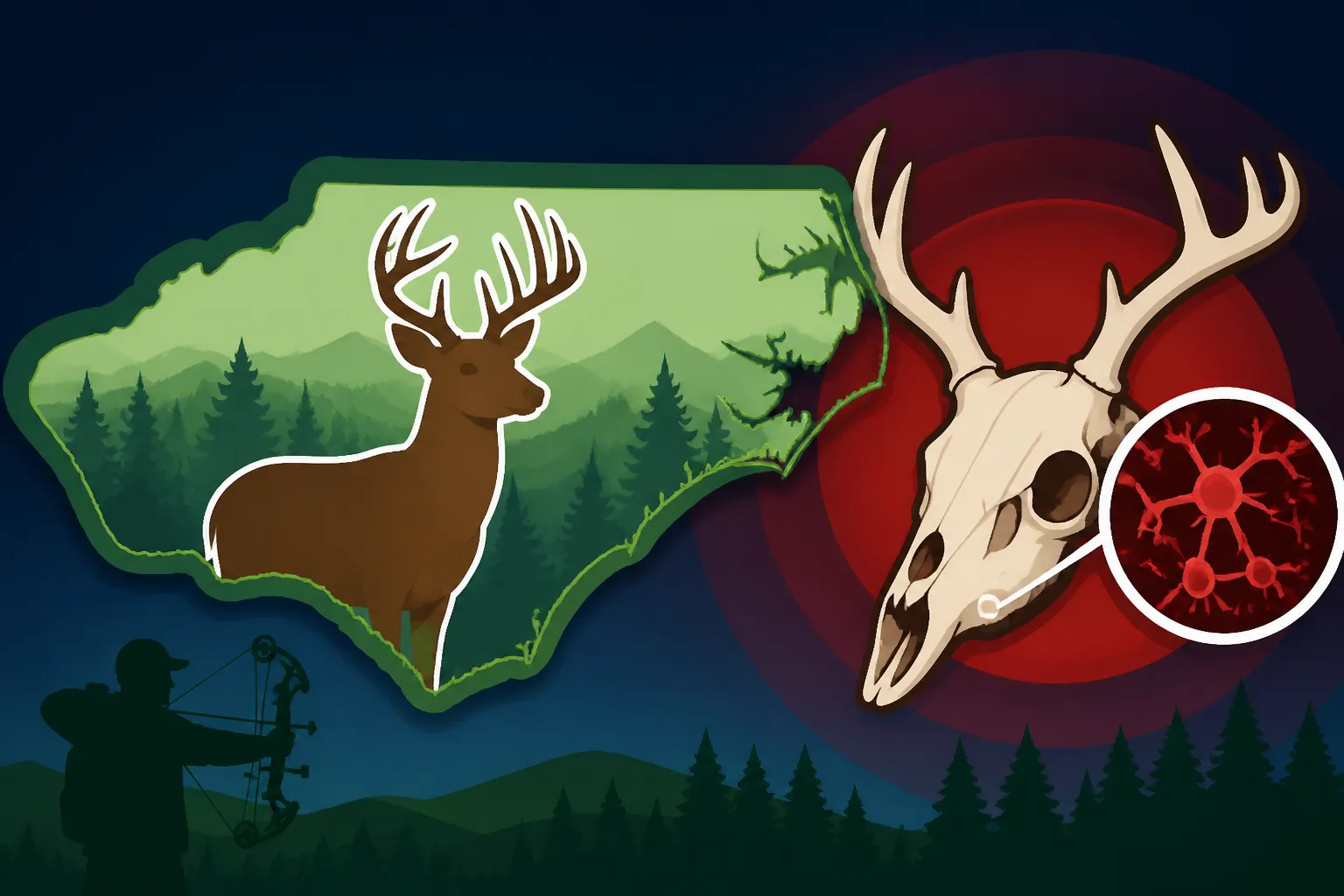
It's an unfortunate truth that Chronic Wasting Disease (CWD) has made its unwelcome appearance in North Carolina, casting a shadow of concern over our deer populations and hunting traditions. For years, we watched as this devastating neurological disease spread across the country, always hoping it would bypass our state. When it finally arrived, it brought with it a host of new challenges, from understanding its spread to adapting our hunting practices. This guide aims to thoroughly explain the journey of CWD in North Carolina, focusing on how many deer have tested positive, what those numbers mean, and how we, as a community of dedicated hunters, can confront this threat head-on.
The Initial Shock: North Carolina's First CWD Detection and What It Meant
For many years, the threat of Chronic Wasting Disease felt distant, a problem for states out west or up north. Hunters in North Carolina kept an eye on news from states like Wisconsin or Colorado, discussing the implications, but always with a sense of hopeful remove. That all changed when the disease was definitively found within our borders. It was a moment that brought a collective sigh of concern across the hunting community, marking a new chapter in wildlife management and deer hunting in the Old North State.
Tracing the Footprint: Where CWD First Showed Up
The news hit hard when the first confirmed case of CWD in North Carolina was announced. It wasn't a question of if anymore, but when and where. The initial detection wasn't in some remote, rarely-visited corner of the state, but in a region well-known for its strong deer populations and hunting heritage. You can dive deeper into the specifics of Which County Confirmed North Carolina's First CWD Case to understand the exact location and the immediate impact it had on that community. This first positive result was a wake-up call, signaling that the invisible enemy had breached our defenses and was now something we had to actively contend with, not just observe from afar. It instantly changed the conversation around deer health and hunter responsibility in the affected region and beyond.
What followed that initial positive test was an immediate, intense effort by wildlife biologists and enforcement agencies to understand the scope of the problem. Surveillance efforts were ramped up dramatically in and around the detection area. This wasn't just about finding more positive deer; it was about defining the boundaries of the outbreak, understanding potential transmission routes, and identifying areas where the disease might have already gained a foothold undetected. It involved increasing sample collection from harvested deer, road-killed animals, and even targeted culling in some instances, all designed to paint a clearer picture of CWD's presence and prevalence.
The discovery also ignited a crucial dialogue among hunters, landowners, and state agencies about what steps needed to be taken next. Education became paramount, as many hunters had only a surface-level understanding of CWD. Workshops, online resources, and public meetings quickly became essential tools to inform the community about the disease, its implications, and the role every hunter would play in managing its spread. The gravity of the situation was undeniable, as the future of deer hunting in affected areas hinged on a unified and informed response.
The Early Numbers: Understanding the First Confirmed Cases
When CWD was first confirmed, the initial positive test was just that – a single, stark number. But that single number quickly became the catalyst for extensive testing, and over time, more positive cases emerged. These early positive cases were critical because they helped scientists understand where the disease was present and, importantly, what areas needed the most intensive monitoring and management. Each new positive deer wasn't just a statistic; it was an indicator, a data point in a growing map of CWD's footprint across North Carolina.
The concentration of these initial positive cases provided critical insights into the disease's geographic spread. It wasn't random; there were clear clusters of infection, particularly in the northwestern part of the state. This geographic clustering pointed to the primary areas of concern, leading to the designation of specific North Carolina's Chronic Wasting Disease Areas and the implementation of targeted management strategies. Hunters in these areas suddenly faced new regulations and responsibilities, all aimed at containing the disease before it could spread unchecked to other regions.
Understanding these early numbers was crucial for the North Carolina Wildlife Resources Commission (NCWRC) to establish the first CWD Surveillance Areas and later, CWD Management Areas. This phased approach allowed them to respond strategically, focusing resources where they were most needed. For hunters, this meant getting familiar with new rules regarding deer carcass movement, mandatory testing requirements, and even changes to hunting seasons. It’s a challenging adjustment, but one that is absolutely necessary to protect our deer herds for future generations.
The Growing Count: Tracking CWD-Positive Deer Over Time
Chronic Wasting Disease is a slow-moving, insidious illness, and once it's detected, the number of positive cases tends to grow as surveillance increases. North Carolina is no exception. We've seen a gradual but concerning rise in the cumulative number of deer that have tested positive since the initial discovery. It’s not an overnight explosion, but rather a steady creep that reinforces the long-term commitment needed from everyone involved to manage this disease. Each year, hunters are asked to submit samples, contributing vital data to this ongoing effort.
The Yadkin Valley Cluster: Why Certain Areas See More Positives
If you've been following the news about CWD in North Carolina, you've likely heard the term "Yadkin Valley" mentioned repeatedly. This region has unfortunately become the epicenter of CWD detections in our state. The interconnected nature of deer movement across this landscape, combined with intense surveillance efforts, means that a disproportionate number of positive cases have been identified here. This concentration underscores the importance of understanding How CWD Reached the Yadkin Valley and why areas like Surry County have seen the most intense CWD activity.
The density of deer in some parts of the Yadkin Valley, coupled with the natural movement patterns of these animals, creates conditions ripe for the slow but steady spread of a prion disease like CWD. Deer interact, share food sources, and utilize the same travel corridors, making it easier for infectious prions to be transmitted through direct contact or environmental contamination. This is why when the NCWRC confirms a positive deer in one part of the valley, it often leads to intensified testing in adjacent areas, uncovering more cases. Why Surry County Drives North Carolina's CWD Count is a testament to this concentrated effort and the grim reality of the disease's presence.
It's not just about the deer themselves; the landscape plays a role too. The mixture of agricultural fields, small woodlots, and larger forest tracts characteristic of the Piedmont region can create a mosaic of habitats where deer congregate. When CWD is present in these areas, every interaction, every shared browse spot, every bit of contaminated soil becomes a potential vector. For hunters using tools like GoHunt to understand land features and deer movement, recognizing these high-interaction zones in CWD-affected counties is more important than ever. It's a stark reminder that our management strategies must consider not just the animals, but also the environment they inhabit.
The Spread and Surveillance: How NC Monitors for New Cases
Monitoring CWD isn't a one-and-done task; it's an ongoing, labor-intensive process that relies heavily on hunter cooperation. The NCWRC has established a robust surveillance program that involves collecting thousands of samples from harvested deer annually. This program is particularly intense in and around the designated CWD Management Areas, which currently include Which Seven Counties Sit in a CWD Management Area. These efforts help track the disease's progression, identify any new hotspots, and inform management decisions moving forward.
The process for North Carolina CWD Testing for Hunters is designed to be as accessible as possible, with various drop-off locations and designated collection sites, especially during the deer season. While sometimes inconvenient, participating in mandatory testing, particularly within CWD Management Areas, is a critical step every hunter can take. Each sample provides valuable data that helps biologists understand the disease's true prevalence and geographic reach. Without this community-wide effort, tracking CWD would be significantly more challenging, if not impossible.
New strategies are constantly being evaluated and implemented, such as The New Special Early CWD-Zone Season. This special season allows for additional harvest opportunities, particularly for antlered deer, in areas where CWD has been detected, helping to gather more samples and potentially manage deer densities. Using platforms like GoHunt can help hunters stay updated on these specialized seasons and regulations, ensuring they are always hunting within compliance and contributing to the overall management effort. It’s a testament to the adaptive nature of wildlife management when faced with a persistent threat like CWD.
What a CWD-Positive Deer Count Means for Hunters
The number of CWD-positive deer in North Carolina isn't just a statistic for wildlife biologists; it has direct and significant implications for hunters across the state. From changing how and where we hunt to new requirements for handling our harvests, CWD demands a proactive and informed approach from everyone who participates in deer hunting. It's about protecting the health of the herd and, by extension, the future of our hunting heritage.
Navigating Mandatory Testing and Carcass Restrictions
One of the most immediate impacts of CWD detections is the implementation of mandatory testing and carcass movement restrictions within designated CWD Management Areas. When you harvest a deer in one of these counties, you are typically required to submit samples for CWD testing. This isn't just a suggestion; it's a critical component of the state's surveillance strategy. You can find more detailed information on Mandatory Testing Inside a CWD Surveillance Area to ensure you comply with all local regulations. These measures, while sometimes requiring extra effort, are vital for tracking and containing the disease.
Beyond testing, strict rules often govern Moving a Deer Carcass Out of a CWD Area. This is to prevent the physical transport of potentially infected tissues or prions to unaffected regions of the state. For instance, you might be allowed to transport deboned meat, clean antlers, or taxidermy-ready hides, but not entire carcasses, heads, or spinal columns. These regulations are designed to minimize the risk of spreading CWD beyond its current known footprint, and adhering to them is a non-negotiable part of responsible hunting in a CWD-affected state.
It’s crucial for every hunter to be fully aware of the specific CWD regulations for the county they are hunting in. These rules can vary and are subject to change based on new detections or scientific understanding. Using reliable resources, including the NCWRC website or detailed mapping tools, can help you prepare. Staying informed and compliant ensures that you are doing your part to protect North Carolina’s valuable deer resource, even if it means altering traditional practices.
Your Role in Limiting the Spread: Practical Steps on the Ground
Every single hunter has a critical role to play in limiting the spread of CWD. It's not just the responsibility of state agencies; it's a collective effort. One of the most important things you can do is to participate fully in sampling efforts. If you harvest a deer in a CWD management or surveillance area, follow all instructions for submitting samples. This data is invaluable to wildlife managers as they work to understand and combat the disease. This shared responsibility is highlighted in comprehensive guides like North Carolina CWD Testing for Hunters, which outline exactly how you can contribute.
Beyond sampling, thoughtful carcass disposal is key. If you are unable to de-bone your deer in the field, transporting the entire carcass to a designated CWD collection site or processing facility within the CWD area is often the safest bet. If you process your deer at home, ensure that any carcass parts not consumed (like bones, head, or spine) are disposed of properly, ideally in a permitted landfill, to prevent environmental contamination. Never discard carcass parts in the woods or on roadsides, as this can inadvertently contribute to the spread of infectious prions. Responsible disposal helps protect healthy deer populations.
Finally, educating yourself and other hunters is paramount. Understand the signs of CWD in deer, although it's important to remember that most infected deer show no symptoms until the very late stages of the disease. Stay informed about the latest regulations and research from the NCWRC. Tools like GoHunt can be incredibly useful for accessing up-to-date information on hunting regulations, CWD zones, and even scouting potential hunting grounds while considering CWD implications. By taking these proactive steps, we can all contribute to mitigating the threat of CWD and ensuring that future generations can enjoy the rich tradition of deer hunting in North Carolina.
| CWD Management Area County | CWD Status & Implications | Key Hunter Action Required/Recommended |
|---|---|---|
| Alleghany | CWD detected | Mandatory testing, carcass restrictions |
| Surry | CWD detected | Mandatory testing, carcass restrictions |
| Wilkes | CWD detected | Mandatory testing, carcass restrictions |
| Yadkin | CWD detected | Mandatory testing, carcass restrictions |
| Stokes | CWD detected | Mandatory testing, carcass restrictions |
| Forsyth | CWD detected | Mandatory testing, carcass restrictions |
| Davie | CWD detected | Mandatory testing, carcass restrictions |
Disclaimer
This article is for general informational purposes only and does not constitute professional advice. Laws, prices and regulations vary by location and change over time. Consult a qualified professional for guidance on your specific situation.