Moving a Deer Carcass Out of a CWD Area
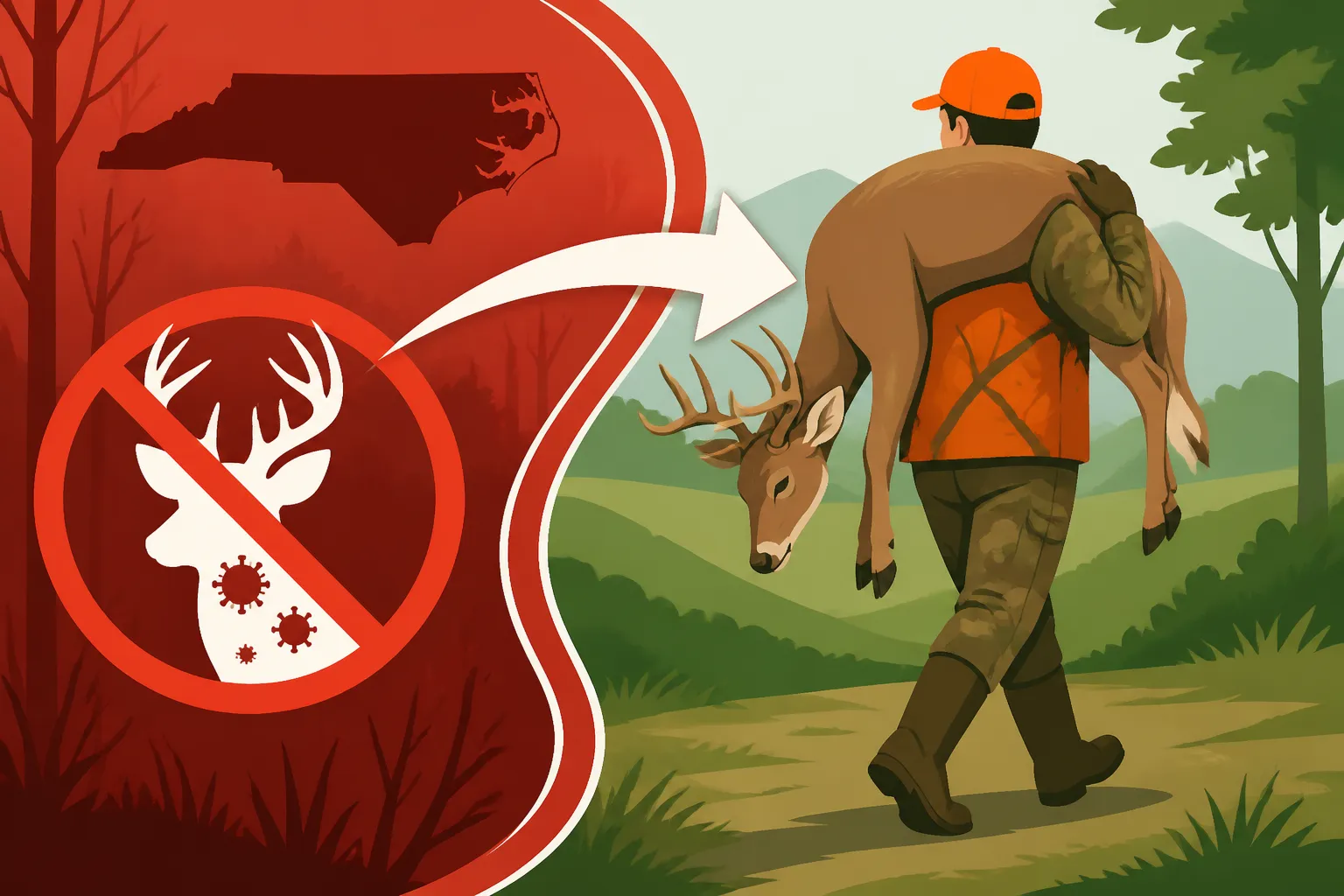
It’s a tough pill to swallow when you've finally connected with a North Carolina whitetail, only to realize you're hunting in a Chronic Wasting Disease (CWD) Management Area. The joy of a successful hunt can quickly turn into a headache as you grapple with the confusion of what you can and cannot do with your harvested deer. This guide is here to cut through the noise, offering clear, empathetic, and actionable advice on how to properly handle and move a deer carcass when you're hunting within one of North Carolina's CWD zones, ensuring you stay legal and help protect our deer herd.
Understanding Chronic Wasting Disease and Its Impact
Chronic Wasting Disease (CWD) is a serious concern for deer populations and hunters across North Carolina and beyond. It's not just another deer disease; it's a fatal neurological illness that affects deer, elk, and moose, and there's no known cure or vaccine. When CWD is detected in an area, it changes everything for hunters.
What is CWD and Why Does It Matter So Much?
At its core, CWD is caused by abnormal proteins called prions. These prions affect the brain and nervous system of infected animals, leading to a slow, progressive degeneration that ultimately results in death. The terrifying part is that these prions can persist in the environment for years, even after an infected animal is gone, making them incredibly difficult to contain. Think of it like a persistent, silent enemy in the soil and plants.
For North Carolina, the first confirmed case of CWD in a wild deer was in 2022, in Yadkin County. Since then, the North Carolina Wildlife Resources Commission (NCWRC) has established CWD Management Areas (CWDMAs) to try and slow its spread. This isn't just about protecting deer; it's about preserving our hunting heritage and ensuring healthy deer populations for future generations. The fear, and a very valid one, is that if CWD becomes widespread, it could significantly reduce deer numbers and impact the overall health of our ecosystems. It also raises questions about potential risks to other wildlife, though currently, there's no evidence of CWD transmitting to humans or other non-cervid animals under normal conditions. However, the Centers for Disease Control and Prevention (CDC) still advises against eating meat from CWD-positive animals.
Identifying North Carolina's CWD Management Areas
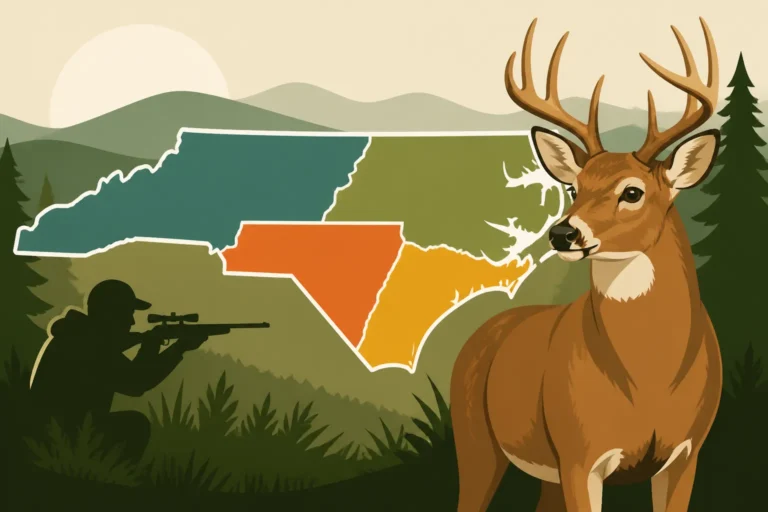
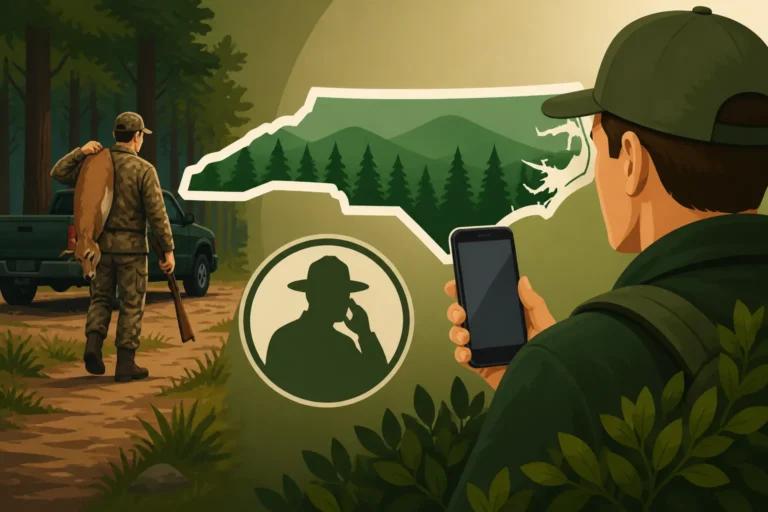
Knowing if you're hunting in a CWD zone is the first, and perhaps most critical, step in complying with carcass movement regulations. Currently, the CWD Management Area in North Carolina includes counties like Surry, Yadkin, Wilkes, Stokes, Alleghany, Forsyth, and Davie. These aren't just arbitrary lines on a map; they represent areas where CWD has been detected or where there's a heightened risk of its presence.
The regulations in these zones are put in place to prevent the spread of those tenacious prions. The main concern is that by moving an entire carcass, or certain high-risk parts, you could inadvertently transport those prions to new, uninfected areas. This is why the rules often feel so stringent and sometimes, let's be honest, a bit overwhelming. Before you even step foot into the woods, especially if you're near one of these counties, it’s vital to confirm the current CWD boundaries. You can do this using the official NCWRC website or helpful tools like the NC Wildlife App. Many hunters also rely on mapping apps like GoHunt to clearly delineate these boundaries and provide real-time updates on regulations. Being informed before you hunt can save you a lot of hassle and potential heartache after the shot. If you want a deeper dive into the specific geographical impact, check out our guide on North Carolina's Chronic Wasting Disease Areas.
Navigating Carcass Movement Rules
Once you've harvested a deer within a CWD Management Area, the rules around what you can and cannot transport become paramount. It's all about minimizing the risk of spreading CWD prions, which are most concentrated in specific tissues.
Permissible Parts for Movement
The good news is that you can still take home your hard-earned venison and the trophy of a lifetime. The key is knowing which parts are considered "low-risk" for carrying CWD prions. Generally, the NCWRC allows hunters to move the following parts out of a CWD Management Area:
- Deboned Meat: This is your venison, pure and simple. If the meat is completely separated from the bone, it’s generally safe to transport. This means backstraps, tenderloins, roasts, and ground meat are all good to go. The idea is that muscle tissue contains very low levels of prions, if any.
- Cleaned Skull Plate and Antlers: If you want to keep the antlers, you absolutely can! The rule here is that the skull plate, which holds the antlers, must be free of all brain and spinal cord tissue. Often, boiling or pressure washing the skull cap is required to ensure it's completely clean. Think of it as preparing a European mount; you want bone, not tissue.
- Hides/Skins: Hides are permissible as long as they are cleaned of all tissue. This usually means scraping off any meat, fat, or connective tissue that might be clinging to the underside. If you plan to take it to a taxidermist outside the CWD zone, make sure they are aware of where the deer was harvested so they can take appropriate precautions.
- Teeth: Individual teeth that are separated from the skull are allowed.
- Finished Taxidermy Products: Once a taxidermist has fully processed your trophy into a mount, it's considered safe for transport. The high-risk tissues would have been removed during the taxidermy process.
It’s crucial to understand that "cleaned" means thoroughly cleaned. A little bit of brain matter or spinal tissue is still considered high-risk.
Prohibited Parts for Movement
Now, let’s talk about the parts you absolutely cannot move out of a CWD Management Area. These are the "high-risk" materials, which are known to concentrate CWD prions. Moving these parts is illegal and directly contributes to the risk of spreading the disease.
- Whole Carcasses: You cannot transport an entire, intact deer carcass, whether field-dressed or not, out of a CWD zone. The spinal column, brain, and other lymphatic tissues are all present, making it a high-risk item.
- Brains and Spinal Cords: These are top of the list for high-risk tissues. All brain and spinal cord material must remain within the CWD Management Area.
- Eyes and Lymph Nodes: These are also known to harbor CWD prions and must not be transported.
- Spleen: The spleen is another organ that can contain concentrated prions, and thus, cannot leave the CWD zone.
- Internal Organs (other than deboned meat): This includes the heart, liver, lungs, and other viscera. While not all of these are considered high-risk for prions, the general rule is to leave them within the CWD zone unless processed for consumption (like a heart or liver that has been thoroughly cleaned and separated).
- Bone Material (other than cleaned skull plate): This means long bones, ribs, and other skeletal structures cannot be transported out of the CWD area. This is why deboning the meat is so important.
Think of it this way: if it's got nervous tissue, lymphoid tissue, or is a major part of the skeletal structure, it generally needs to stay put. The goal is to strip the deer down to its edible and trophy-worthy low-risk components before crossing any CWD zone boundaries. This often means a change in your usual field processing routine, requiring more effort and specialized techniques right there in the field or at a local processor. Understanding these critical distinctions is key to ethical and legal hunting in North Carolina's CWD zones. Our article on North Carolina's Chronic Wasting Disease Areas provides even more context for these restrictions.
Practical Strategies for Hunters in CWD Zones
So, you've successfully harvested a deer in a CWD Management Area. Now what? The rules might seem daunting, but with a bit of planning and the right approach, you can process your deer legally and efficiently.
Field Dressing and Deboning On-Site
This is where the rubber meets the road. For hunters in CWD zones, the traditional "gut and drag" method changes significantly if you plan to transport the carcass out of the area. Instead, you'll need to be prepared to do more extensive field processing.
- Initial Field Dressing: The standard practice of removing the entrails (gutting) can still be done where the animal was harvested. Leave the internal organs, including the stomach, intestines, liver, heart, and lungs, at the kill site. This reduces weight and helps cool the carcass. Ensure you're familiar with Field Dressing a Deer in Cold Weather if you're hunting late season.
- Quartering and Deboning: This is the crucial step. You'll need to remove the hindquarters, front shoulders, backstraps, and tenderloins. The goal is to separate all meat from the bone. This process can be done at the kill site, or if you have access to a nearby temporary processing station within the CWD zone, that works too. You'll want good, sharp knives, a game bag to keep the meat clean, and a sturdy surface if possible. Many hunters opt for the "gutless method" to remove muscle groups without even opening the body cavity, further minimizing contamination. The bones, along with the head and spinal column, must remain within the CWD zone.
- Skull Cap Preparation: If you want the antlers, you'll need to remove the skull plate with the antlers attached. Crucially, all brain matter and soft tissue must be removed from the skull cap. This often requires boiling or power washing it to get it completely clean. It's often easier to do this with specialized tools or by taking it to a local processor within the CWD zone who can handle it.
This extra effort might seem like a pain, especially if you're deep in the woods, but it's a necessary step to ensure compliance and prevent disease spread. Carrying a lightweight game processing kit with extra knives, gloves, and game bags is highly recommended.
Proper Disposal of High-Risk Materials
What do you do with the head, spine, and other high-risk parts that you can't transport? Proper disposal is just as important as proper processing.
- At the Kill Site: The most straightforward method is to leave the high-risk parts (head, spine, internal organs, bones) at the kill site. Nature will take its course, and scavengers will help break down the remains. This ensures the prions, if present, remain localized to the area where the deer was harvested.
- Designated Drop-Off Sites: The NCWRC, in collaboration with local partners, may establish CWD carcass drop-off sites in CWD Management Areas. These are typically dumpsters or containers specifically for deer carcasses or high-risk parts. Always check the NCWRC website or use the NC Wildlife App for the most up-to-date information on these locations. This is an excellent option if you don't want to leave parts in the field or if local regulations require it.
- Landfill Disposal: If drop-off sites aren't available and you can't leave parts at the kill site, some municipal landfills within CWD zones may accept carcass waste. However, you must confirm this with the landfill directly before attempting to dispose of any parts, as not all facilities are equipped or permitted to handle them.
Never, ever, dispose of high-risk parts in regular trash outside of a CWD zone, or transport them across state lines without proper cleaning and certification. The goal is to keep any potential prions contained.
Working with Processors and Taxidermists
If you typically take your deer to a local processor or taxidermist, your routine will need to adjust when hunting in a CWD zone.
- Local Processors: Ideally, find a meat processor within the CWD Management Area. They are familiar with the regulations and equipped to handle CWD-zone deer. They can perform the deboning and prepare your meat for transport out of the zone. Always communicate clearly that your deer came from a CWD area. For tips on maximizing your yield, check out our piece on Deer Meat Yield From a North Carolina Buck.
- Taxidermists: Similar to processors, it’s best to use a taxidermist located within the CWD zone if you want a shoulder mount or European mount. They will know how to properly remove and dispose of the high-risk tissues (brain, eyes, spinal cord) before preparing the skull and hide. If you must use a taxidermist outside the CWD zone, ensure the skull plate is fully cleaned of all tissue and the hide is scraped clean before you transport it to them. A good taxidermist will appreciate your honesty and preparedness.
Remember, clear communication is key. Don't hide the fact that your deer came from a CWD zone. These professionals are part of the solution and can help you navigate the rules.
Tools and Resources for CWD Zone Hunters
Navigating CWD regulations can feel like a moving target sometimes, but thankfully, there are some excellent tools and resources available to help North Carolina hunters stay informed and compliant.
Essential Tools for Zone Identification
Knowing exactly where you are and whether that spot falls within a CWD Management Area is paramount. Modern technology has made this significantly easier than relying solely on paper maps or road signs.
- NC Wildlife App: The North Carolina Wildlife Resources Commission's official app is a hunter's best friend. It often includes an overlay showing current CWD Management Area boundaries, allowing you to visually confirm your location in real-time. This is invaluable when you're deep in the woods and might not have a clear understanding of county lines. It also provides access to regulations, reporting tools, and other essential information. Knowing how to use it effectively, especially when Scouting With the NC Wildlife App, can be a game-changer.
- Mapping Applications (e.g., GoHunt): Many popular hunting mapping apps, like GoHunt, now offer CWD zone overlays as part of their robust mapping features. Before you even head out, checking the CWD overlay on your GoHunt app can save you a lot of headache. These apps often update their information regularly, incorporating the latest boundaries and restrictions as soon as they are released by state agencies. They can also help you plan your hunts to either stay within a CWD zone for processing convenience or avoid one if you prefer.
- NCWRC Website: The official North Carolina Wildlife Resources Commission website is always the most authoritative source for the latest CWD information, including maps, regulations, and any changes to CWD Management Areas. Bookmark it, check it frequently, especially before and during hunting season. They often list designated CWD sampling locations and carcass drop-off sites as well.
Staying Up-to-Date on Regulations
CWD regulations are not static; they can change based on new detections, research, and management strategies. What was true last year might not be true this year, or even next month.
- Annual Review of Regulations: Make it a habit to review the North Carolina Inland Fishing, Hunting & Trapping Regulations Digest every year. The CWD section is typically updated prominently. Don't rely on old knowledge.
- NCWRC Alerts and News: Sign up for email alerts or follow the NCWRC's social media channels. They are usually very proactive in disseminating information about CWD developments, including new cases, expanded zones, or changes in carcass transport rules. This is particularly important for areas like North Carolina's Seven-County CWD Footprint.
- CWD Sampling and Testing: If you hunt in a CWD Management Area, you might be required to submit your deer for CWD testing, or at least be encouraged to do so voluntarily. Understanding the Mandatory Testing Inside a CWD Surveillance Area and knowing how to find a Finding a North Carolina CWD Sampling Location are crucial. Participation in these programs helps biologists monitor the disease and informs future management decisions.
Staying informed isn't just about avoiding a citation; it's about being a responsible conservationist and doing your part to protect North Carolina's deer herd. These tools and habits are your best defense against confusion and ensure you can enjoy your hunt without worry.
Carcass Movement Rules at a Glance
To make things a bit clearer, here's a quick reference table summarizing what can and cannot be moved out of a North Carolina CWD Management Area:
| Carcass Part | Permissible for Movement Out of CWD Area | Notes |
|---|---|---|
| Deboned Meat | YES | Must be completely separated from the bone. Includes backstraps, tenderloins, roasts, ground venison. |
| Cleaned Skull Plate with Antlers | YES | Must be free of all brain matter and soft tissue. Often requires boiling or power washing. |
| Hides/Skins | YES | Must be free of all muscle tissue, fat, and other soft tissues. |
| Individual Teeth | YES | Separated from the skull. |
| Finished Taxidermy Mounts | YES | Once processed by a taxidermist, considered safe. |
| Whole Carcass (Field-Dressed or Not) | NO | Contains high-risk tissues (brain, spinal cord, etc.). |
| Brain | NO | High-risk tissue. |
| Spinal Cord | NO | High-risk tissue. |
| Eyes | NO | High-risk tissue. |
| Lymph Nodes | NO | High-risk tissue. |
| Spleen | NO | High-risk tissue. |
| Internal Organs (excluding deboned heart/liver) | NO | Unless thoroughly cleaned and processed as deboned meat, these should remain in the CWD zone. |
| Bones (other than cleaned skull plate) | NO | Includes long bones, ribs, etc. All meat must be deboned. |
This table serves as a quick guide, but always consult the official NCWRC regulations for the most current and detailed information. Your diligence in following these rules is a critical component in the fight against CWD.
Final Thoughts on Responsible CWD Hunting
Navigating the rules for moving a deer carcass out of a CWD Management Area in North Carolina can feel like an extra burden on an already challenging pursuit. But remember, these regulations aren't designed to make hunting harder; they are put in place to protect our incredible deer resource and the future of hunting in our state. By taking the time to understand CWD, learning how to properly field dress and debone your deer on-site, and utilizing the excellent resources like the NC Wildlife App and GoHunt, you're not just complying with the law—you're becoming an active participant in conservation. Let's all do our part to keep North Carolina's deer herds healthy for generations to come.
Disclaimer
The information provided in this article is for general guidance only and is not a substitute for official legal advice or current regulations. Hunting laws and CWD management protocols in North Carolina can change frequently. Always consult the latest North Carolina Wildlife Resources Commission (NCWRC) regulations and local ordinances before engaging in any hunting activities.