Red Wolf History in Eastern North Carolina
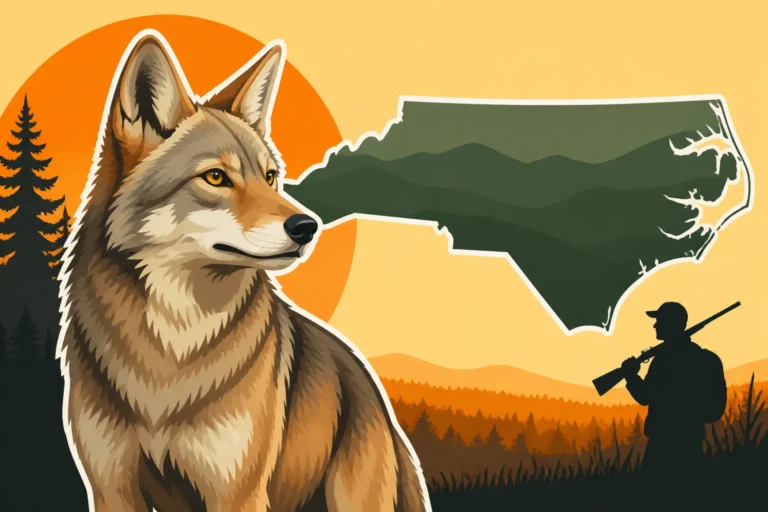
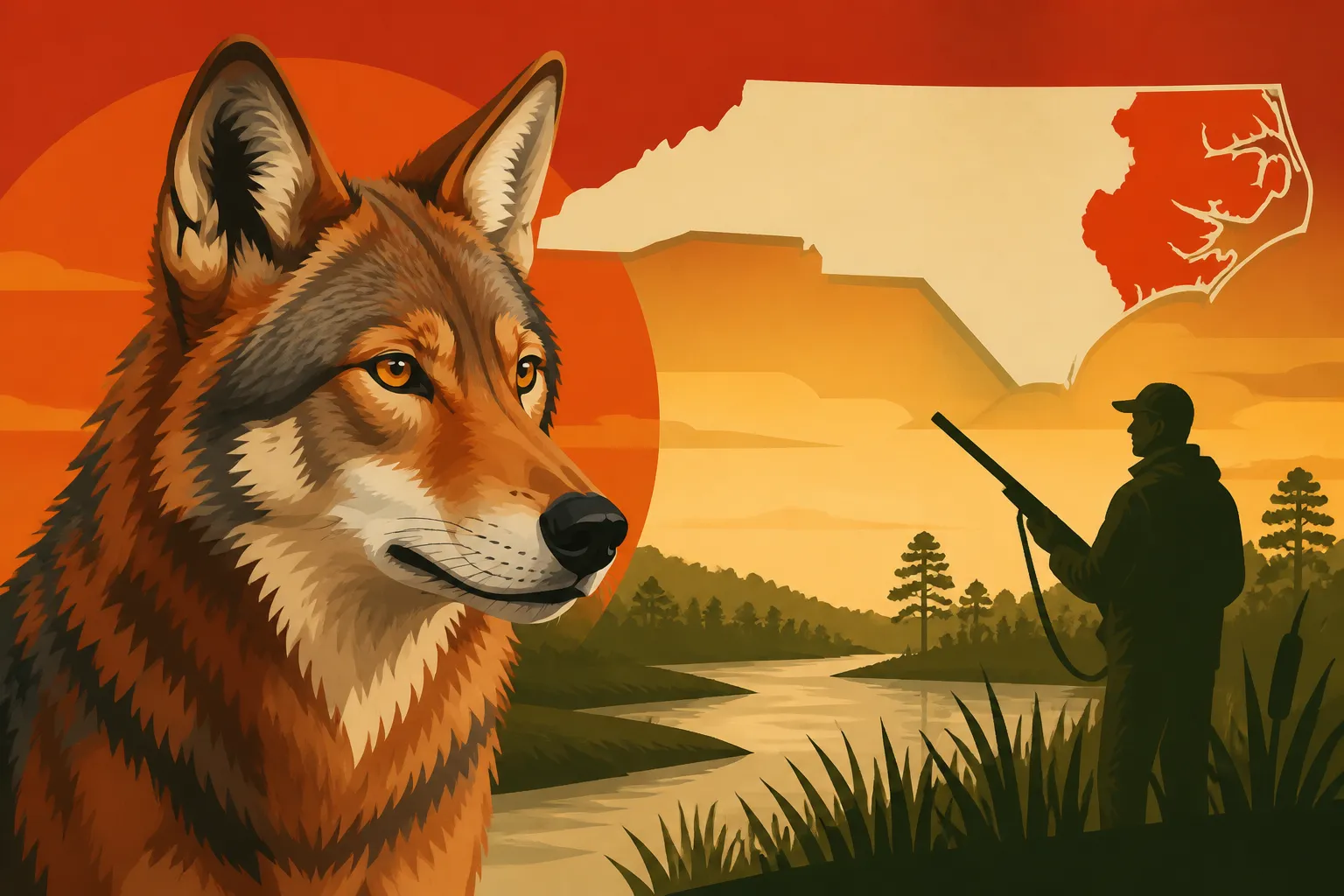
Many folks in North Carolina have heard whispers of the red wolf, a truly native canid, but the real story of its dramatic decline and the ambitious effort to bring it back to the wild is often misunderstood. It's a tale steeped in history, ecological struggle, and human passion, and it deserves a closer look. This guide dives deep into the fascinating, and sometimes heartbreaking, history of the red wolf in eastern North Carolina, exploring its past, the challenges of its reintroduction, and what its future might hold on our shared landscape.
The Vanishing Howl: Red Wolves Before Reintroduction
Before the conservation efforts of recent decades, the red wolf was an integral part of the North American landscape, a wild ghost with a haunting howl that echoed through the forests and swamps. Its presence shaped ecosystems and held a significant place in the folklore of the indigenous peoples who shared its territory. To truly understand the journey of the red wolf, we have to go back to a time when its numbers were abundant and its future seemed secure.
Historical Range and Native Presence
The red wolf, Canis rufus, once roamed extensively across the southeastern United States, from the Atlantic and Gulf Coasts inland to the Ohio River Valley and central Pennsylvania. Imagine vast expanses of diverse habitat—pine forests, hardwood bottoms, coastal marshes, and agricultural lands—all part of the red wolf’s domain. They were adaptable creatures, thriving in a variety of environments, making them a cornerstone predator in these ecosystems. Their historical range significantly overlapped with areas that today are prime hunting grounds for deer, bear, and other game, highlighting the interconnectedness of all species within these landscapes.
These native canids played a crucial ecological role, acting as a top-tier predator. They helped keep populations of deer, rabbits, raccoons, and other small game in check, contributing to healthier forest regeneration and overall ecosystem balance. Hunters today understand the importance of healthy game populations, and the red wolf was a natural manager of these resources for millennia. For anyone studying wildlife, even through tools like GoHunt, understanding the historical distribution of species like the red wolf gives valuable context to current ecological discussions and land management strategies.
The Decline and Near Extinction
The demise of the red wolf was a complex and tragic story, driven primarily by human expansion and misunderstanding. As European settlers pushed westward, forests were cleared for agriculture, settlements grew, and the red wolf's habitat began to fragment. Coupled with this habitat loss was a systematic eradication campaign, fueled by fears of livestock depredation and a general lack of understanding about the wolf’s ecological value. Bounties were common, incentivizing widespread killing of the species.
The intense persecution led to a rapid and devastating population crash. By the early to mid-20th century, the red wolf's range had shrunk dramatically to a small pocket of coastal plain swamps and marshes in Texas and Louisiana. This decline wasn't just about losing an animal; it represented a profound shift in the natural balance of an entire region, setting the stage for imbalances in game populations and a loss of biodiversity that we still grapple with today.
The Last Wild Remnants
By the 1960s, the situation was dire. Scientists realized the red wolf was on the brink of extinction, with only a handful of individuals remaining in the wild, primarily in isolated, remote areas. These last wild remnants were crucial, but their genetic integrity was also compromised by interbreeding with coyotes, a species that had expanded its range into former wolf territories as red wolf numbers dwindled. This hybridization further complicated conservation efforts.
Recognizing the urgency, wildlife biologists embarked on a desperate mission: to capture every remaining pure red wolf they could find. This incredibly challenging task involved tracking these elusive animals through dense swamps and remote bayous, often in difficult conditions. The goal was to establish a captive breeding program, a last-ditch effort to save the species from complete disappearance. It was a race against time, with the fate of an entire species resting on the success of these few dedicated individuals.
A Second Chance: The Bold Reintroduction Effort
The 1970s marked a pivotal moment for the red wolf, transitioning from a desperate search for survivors to an ambitious plan for a comeback. It was a testament to human commitment and scientific ingenuity, offering a glimmer of hope for a species teetering on the edge. This audacious plan aimed not just to save the red wolf in zoos, but to return it to its ancestral lands, starting with North Carolina.
Captive Breeding and the Recovery Program
Once the last pure red wolves were captured—a total of 17 individuals by 1980—they became the foundation of the species' survival. These precious animals were transferred to the Point Defiance Zoo and Aquarium in Tacoma, Washington, where a dedicated team initiated a rigorous captive breeding program. The goal was to increase their numbers, maintain genetic diversity, and eventually produce individuals suitable for reintroduction into the wild.
This recovery program was meticulously managed, with geneticists carefully tracking lineages to prevent inbreeding and ensure the health of the growing population. It was a slow, painstaking process, but vital to preparing the wolves for a future beyond the confines of a zoo. The success of this captive breeding effort is a remarkable example of how conservation science can snatch a species from the jaws of extinction, proving that even when things look bleak, dedicated work can yield incredible results.
Choosing the Alligator River National Wildlife Refuge
The selection of a suitable reintroduction site was paramount. It needed to be large enough, relatively isolated, possess ample prey, and have minimal human population density to reduce conflict. After extensive surveys and analysis, the Alligator River National Wildlife Refuge in eastern North Carolina emerged as the ideal candidate. This vast refuge, spanning over 150,000 acres, offered a mosaic of pocosin swamps, pine forests, and agricultural fields—habitat remarkably similar to parts of the red wolf's historical range.
This remote, sprawling refuge provided the necessary buffer from human activity, giving the reintroduced wolves a chance to adapt to life in the wild without constant disturbance. The decision to place them in such a unique environment also meant understanding the local ecosystem dynamics, including the presence of Hunting Coastal Plain Pocosin Swamps, which are vital habitats for many game species and predators alike. It was a groundbreaking choice, as it marked the first time a top-level predator, extinct in the wild, was reintroduced back into its native habitat.
The First Releases and Early Challenges
In 1987, after years of preparation, the first four captive-bred red wolves were released into the Alligator River National Wildlife Refuge. This was a momentous occasion, the culmination of decades of effort and a bold step into uncharted conservation territory. The initial releases were carefully monitored, with wolves fitted with radio collars to track their movements, assess their adaptation, and understand their interactions with the new environment.
However, the path to recovery was far from smooth. Early challenges included wolves ranging off the refuge into private lands, sometimes leading to conflict with landowners concerned about livestock or perceived threats to deer populations. Hybridization with coyotes also continued to be a persistent issue, requiring innovative management strategies like sterilizing coyotes within the red wolf's core range to create "buffers" against genetic contamination. The program constantly had to adapt, learn, and overcome hurdles, demonstrating the complex realities of reintroducing a top predator.
Life in the Wild: Red Wolves on the Landscape
Once the red wolves began to establish themselves in eastern North Carolina, their presence started to subtly reshape the ecosystem. Their role as an apex predator meant they had a significant influence on the natural world around them, impacting everything from deer populations to the behavior of smaller predators. For those who track wildlife or use tools like GoHunt to understand land use, the impact of red wolves provided a unique case study in ecological restoration.
Ecological Role and Impact
The return of the red wolf brought with it the re-establishment of a critical ecological function: top-down predator control. Red wolves primarily prey on white-tailed deer, raccoons, nutria, and other small to medium-sized mammals. By preying on these animals, they help to maintain healthy populations, often culling the weak or sick, which benefits the overall health and vigor of game species. This natural regulation can prevent overbrowsing of vegetation by deer, which in turn helps native plants and forest regeneration thrive.
Their presence also influences the behavior of other mesopredators like coyotes and bobcats. Known as "trophic cascades," the return of a top predator can have ripple effects throughout the food web. While they don't hunt coyotes directly, their presence can suppress coyote numbers or alter their behavior, potentially reducing pressure on smaller prey species that coyotes also target. It’s a delicate balance, and the red wolves acted as a natural check, a force that had been missing for generations in White-Tailed Deer Across North Carolina and other ecosystems.
Interactions with Other Canids (Coyotes)
One of the most significant and enduring challenges for the red wolf recovery program has been its interaction with coyotes. As red wolf populations plummeted, coyotes, an adaptable and widespread species, expanded their range into the red wolf's former territories. This meant that when red wolves were reintroduced, coyotes were already established on the landscape. The problem arises from the fact that red wolves and coyotes can interbreed, producing hybrids that dilute the pure red wolf gene pool.
To combat this, biologists developed an innovative management technique called "coyote sterilization." This involved capturing coyotes within the red wolf's core recovery area, sterilizing them, and then releasing them back into the wild. These sterile coyotes still hold territories and interact with red wolves and other coyotes, effectively preventing pure red wolves from breeding with them, while also preventing other fertile coyotes from establishing dens in prime red wolf habitat. This strategy directly addresses the issue of North Carolina Coyote Range and Density impacting the vulnerable red wolf population.
Monitoring and Management
Ongoing monitoring and active management are crucial for the continued survival of the red wolf in eastern North Carolina. Each wolf released and, whenever possible, those born in the wild, are fitted with radio collars. These collars allow biologists to track their movements, monitor their health, identify den sites, and understand their reproductive success. This data is invaluable for making informed management decisions, such as identifying areas of conflict, assessing prey availability, and adjusting conservation strategies.
Management also involves working closely with private landowners, addressing concerns, and offering assistance with livestock protection. When wolves range off the refuge onto private property, efforts are made to haze them back, or in some cases, re-capture and relocate them to more suitable areas. The ultimate goal is to foster coexistence, demonstrating that wildlife and human interests can, with careful management and education, share the landscape.
The Road Bumpy: Challenges and Controversies
The red wolf reintroduction program, while scientifically groundbreaking, has faced persistent challenges and controversies. These issues often stem from a complex interplay of ecological realities, shifting political landscapes, and deeply held community concerns. Understanding these struggles is essential to appreciating the full story of the red wolf's fight for survival.
Human-Wildlife Conflict and Landowner Concerns
One of the program's most significant hurdles has been managing human-wildlife conflict, particularly with private landowners in eastern North Carolina. While the Alligator River National Wildlife Refuge provides a large core area, red wolves are wide-ranging animals and inevitably venture onto adjacent private lands. This can lead to concerns about potential livestock depredation, although verified cases have been rare, or perceived threats to local deer populations, which is a common concern among hunters.
The perception of threat, whether real or imagined, can be just as impactful as actual incidents. Landowners who feel their property or livelihoods are at risk can become resistant to the presence of wolves, creating friction and undermining conservation efforts. This highlights the critical need for effective communication, compensation programs for verified losses, and community engagement to build tolerance and understanding. Addressing these challenges is vital for successful coexistence, and programs like North Carolina Wildlife Cooperator Land Access sometimes play a role in fostering these relationships.
Policy Shifts and Legal Battles
The red wolf program has also been deeply affected by shifting political priorities and numerous legal battles. Over the years, interpretations of the Endangered Species Act and the management authority of the U.S. Fish and Wildlife Service have been challenged, leading to periods of uncertainty and changes in management strategies. These policy shifts can directly impact the scope of the recovery program, dictating how many wolves can be released, how they are managed, and the level of protection they receive.
Several lawsuits have been filed by conservation groups advocating for stronger protections and more aggressive management for the wolves, while other groups have challenged the program's existence or its methods. These legal disputes often reflect the broader societal debate about endangered species conservation, private property rights, and the role of government in land management. Such legal wrangling can create significant delays and consume valuable resources that could otherwise be dedicated to direct conservation efforts.
The Future of the Eastern North Carolina Population
The future of the red wolf in eastern North Carolina remains uncertain and hotly debated. While the program has achieved significant milestones, including proving that red wolves can survive and reproduce in the wild, the population has experienced declines in recent years. Factors contributing to this include vehicle collisions, illegal shootings, and continued challenges with coyote hybridization. There is also the overarching question of how to ensure long-term genetic viability and expand the population to a sustainable level.
Discussions are ongoing about potential changes to the management plan, including whether to expand the recovery area, adjust reintroduction strategies, or increase enforcement against illegal killings. The ultimate success of the program hinges on continued scientific research, adaptive management, and fostering greater public support and tolerance for this critically endangered species. It's a testament to the persistent challenges of trying to undo generations of human impact, and a reminder that species like the red wolf, categorized under Game You Cannot Hunt in North Carolina, require ongoing vigilance.
The Path Forward: Conservation Strategies and Hope
Despite the formidable obstacles, the story of the red wolf in eastern North Carolina is not without hope. Dedicated conservationists, scientists, and community members continue to champion the species, exploring new strategies and seeking common ground to ensure its survival. The lessons learned from this program are invaluable for future wildlife conservation efforts globally.
Current Status and Population Trends
The wild population of red wolves in North Carolina fluctuates, and unfortunately, has seen a decrease in numbers over recent years compared to its peak. From a high of over 100 individuals at one point, the numbers have dipped, prompting renewed calls for action. This decline is a stark reminder that even after successful reintroduction, an endangered species requires constant vigilance and robust management to thrive. Factors like low pup survival rates, continued hybridization, and human-caused mortalities contribute to this fragile state.
Efforts are continuously made to conduct thorough population surveys, often utilizing remote cameras and scat analysis in addition to radio telemetry. These surveys help biologists get the most accurate picture possible of the current population and its distribution. Understanding these trends is critical for intervention, such as when to release additional captive-bred animals or intensify coyote management strategies. For those curious about wildlife presence in areas like the Alligator River National Wildlife Refuge Hunting land, understanding these population dynamics provides important context.
The Path Forward: Conservation Strategies
Looking ahead, several key strategies are being pursued to bolster the red wolf population. A renewed focus on the captive breeding program aims to maintain a healthy genetic reservoir and provide suitable animals for future releases. Enhancing public education and outreach is also paramount to increase understanding and build support among local communities, addressing lingering misconceptions and reducing human-wildlife conflict. This could involve educational programs in schools or community events that highlight the wolf's ecological importance.
Furthermore, exploring additional suitable reintroduction sites within the red wolf's historical range is a crucial long-term goal. Identifying and preparing new areas, either in North Carolina or other southeastern states, could help create a more resilient and genetically diverse metapopulation, reducing the risk of a single catastrophic event impacting the entire species. Tools that allow for detailed habitat analysis and landowner outreach, much like how a hunter might use GoHunt to understand game movement across a landscape, can be vital for identifying these potential new homes.
The Role of Technology and Community Engagement
Modern technology plays an increasingly vital role in red wolf conservation. Advanced radio telemetry and GPS tracking systems provide real-time data on wolf movements and behavior, allowing biologists to respond quickly to potential conflicts or health issues. Genetic analysis techniques are also constantly evolving, providing more precise tools to monitor hybridization and ensure the genetic integrity of the wild population.
Beyond technology, sustained community engagement is the bedrock of long-term success. Conservation is a collective endeavor, and local communities are essential partners. By involving landowners, hunters, and other stakeholders in discussions, addressing their concerns transparently, and highlighting the broader ecological benefits of a healthy ecosystem, the hope is to foster a sense of shared stewardship for this iconic North Carolina species. The red wolf's journey is far from over, but with continued dedication, science, and community support, its unique howl may yet echo through our eastern swamps for generations to come.
Here's a look at some key moments in the Red Wolf Recovery Program:
| Year | Event | Significance |
|---|---|---|
| 1967 | Red Wolf Listed as Endangered | Officially recognized as a species facing extinction by the U.S. Fish and Wildlife Service. |
| 1973 | Endangered Species Act Passed | Provided the legal framework for critical species recovery programs, including the red wolf. |
| 1980 | Last Wild Red Wolves Captured | The end of the wild population, beginning of intensive captive breeding. |
| 1987 | First Reintroduction in NC | Four captive-bred wolves released into Alligator River National Wildlife Refuge. |
| 1990s | Population Growth | Numbers in the wild reached their peak, demonstrating initial success. |
| 2000s | Challenges Emerge | Increased coyote hybridization and human-caused mortalities became significant issues. |
| Recent | Legal & Management Debates | Ongoing discussions and legal actions regarding the future and management of the program. |
Disclaimer
This article is for general informational purposes only and does not constitute professional advice. Laws, prices and regulations vary by location and change over time. Consult a qualified professional for guidance on your specific situation.