How Turkeys Were Restored to North Carolina
It’s easy to take for granted the vibrant populations of wild turkeys we see strutting and gobbling across North Carolina today. But for decades, the sight and sound of a wild turkey in our state was a rarity, a ghost from a bygone era. Their numbers had dwindled to alarming lows, leaving many to wonder if we’d ever hear a true wild gobble again. This comprehensive guide delves into the remarkable conservation saga that brought these magnificent birds back from the brink, detailing the strategic efforts and dedicated individuals who orchestrated one of North Carolina’s greatest wildlife restoration triumphs.
The Historical Decline of Wild Turkeys in North Carolina
Before European settlement, North Carolina was a wild turkey paradise. These intelligent, resilient birds roamed vast forests, thriving in a diverse landscape. However, the arrival of settlers brought a swift and dramatic decline to their populations. It’s a story many game species share, and it highlights just how quickly even abundant wildlife can be pushed to the edge without proper management.
Pre-Colonial Abundance and Early European Impact
Imagine vast, unbroken forests stretching from the Appalachian Mountains to the Atlantic coast, rich with acorns, berries, and insects. This was the ancestral home of the Eastern Wild Turkey, Meleagris gallopavo silvestris. Native American tribes had a long-standing relationship with turkeys, hunting them sustainably for food, feathers, and cultural significance. Their populations were robust, supporting countless ecosystems.
However, as European settlers moved into the region, their needs and practices quickly began to impact these birds. Early settlers viewed wildlife as an endless resource, a commodity to be exploited without restraint. Unregulated hunting became widespread, not just for sustenance but for market hunting, where birds were killed in massive numbers and shipped to burgeoning urban centers. There were no bag limits, no closed seasons, and no real understanding of how quickly these seemingly infinite populations could be depleted. This relentless pressure, combined with new technologies like firearms, started to chip away at the wild turkey's once-unshakable numbers. It was a perfect storm, setting the stage for a dramatic collapse.
Habitat Loss and Unregulated Hunting Pressures
Beyond the immediate impact of overhunting, the very landscape itself began to change drastically. As the human population grew, forests were cleared for agriculture, timber, and settlement. The sprawling, contiguous woodlands that turkeys needed for roosting, nesting, and foraging were fragmented into smaller, isolated patches. This habitat destruction was just as devastating, if not more so, than the direct hunting pressure. Turkeys, especially wild birds, require large tracts of diverse forestland with a mix of mature timber for roosting, open understory for foraging, and dense cover for nesting. When their homes were chopped up, burned, or converted to farmland, they simply had nowhere left to go.
By the early 20th century, the situation was dire. North Carolina’s wild turkey population had plummeted to an estimated few hundred birds, confined to the most remote and inaccessible pockets of the state. Many feared they were gone for good. This period serves as a stark reminder of the delicate balance between human development and wildlife conservation, and the critical need for thoughtful management to prevent such losses from ever happening again. The feeling among hunters and naturalists at the time was one of profound loss and a growing desperation to do something, anything, to turn the tide.
The Early Days of Restoration Efforts
Recognizing the imminent threat of wild turkey extinction in North Carolina, early conservationists and wildlife agencies began to explore ways to bring these iconic birds back. It was a daunting task, filled with trial and error, as the science of wildlife management was still in its infancy. They knew they had to act, but the "how" was far from clear.
Initial Attempts and Limited Success
The first attempts at restoration, while well-intentioned, often missed the mark. A common strategy in the early 20th century for many game species was to raise them in captivity and then release them into the wild. For wild turkeys, this meant establishing "game farms" where domestic or semi-domesticated birds were bred. The idea was simple: produce a lot of turkeys and then release them into suitable habitats, hoping they would re-establish populations.
Unfortunately, this approach proved largely ineffective for wild turkeys. Birds raised in captivity, even if they had some wild lineage, lacked the innate survival skills necessary to thrive in the North Carolina wilderness. They didn't know how to forage efficiently for natural foods, avoid predators, or adapt to changing weather conditions. Their genetics were often diluted by domestic strains, making them less robust. Many simply perished shortly after release, unable to cope with the harsh realities of wild living. It was a frustrating setback, teaching conservationists a valuable lesson: simply releasing birds wasn't enough; they had to be truly wild birds, equipped for survival from day one. These early failures highlighted the need for a more scientific, biologically sound approach to restoration.
Understanding Turkey Biology and Behavior
The limited success of game farm releases prompted a critical shift in thinking. Conservationists realized that understanding the intricate biology and behavior of truly wild turkeys was paramount. This wasn't just about putting birds on the ground; it was about creating conditions where they could genuinely flourish. Researchers began to intensely study wild turkey ecology: their seasonal movements, dietary needs, preferred nesting cover, brood-rearing habitats, and predator avoidance strategies.
This deep dive into turkey biology revealed that habitat quality, not just quantity, was crucial. Turkeys need a mosaic of different habitats: mature hardwoods for acorns and roosting, dense thickets for escape cover, and open woodlands or clearings with diverse herbaceous growth for bugging and poult survival. They also learned about the importance of large, contiguous tracts of land to support viable populations and allow for natural dispersal. This foundational knowledge, gathered through painstaking observation and research, became the cornerstone of all future successful restoration efforts. It transformed turkey conservation from a hopeful gamble into a calculated science, setting the stage for the groundbreaking techniques that would soon follow.
Trap-and-Transfer: The Game-Changer
The scientific understanding of wild turkeys, combined with innovative capture methods, led to the development of the trap-and-transfer program. This strategy was not just a step forward; it was a revolution that completely changed the trajectory of wild turkey restoration across North America, including right here in North Carolina. It offered a realistic, effective path to re-establish populations where they had been extirpated.
The Cannon Net Revolution
The turning point for turkey restoration came with the refinement of the cannon net. Prior to this, capturing wild turkeys was incredibly difficult and often dangerous for the birds. Methods like drop nets or tranquilizer darts had limited success. The cannon net, however, was a game-changer. It involved setting up a large net, carefully folded, near an area baited with corn or other grains. When a flock of turkeys gathered to feed, charges were fired, propelling the net over the birds.
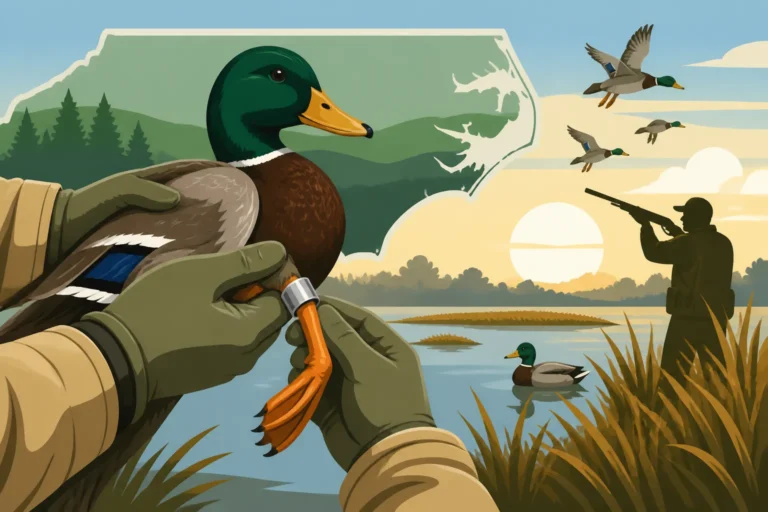
This method allowed for the safe and efficient capture of multiple wild turkeys at once, often entire family groups or breeding flocks. The process required immense skill, patience, and a deep understanding of turkey behavior. Biologists and technicians had to scout locations carefully, set up nets discreetly, and time the shots perfectly to ensure a successful capture without harming the birds. Once captured, the turkeys were quickly processed, checked for health, banded, and prepared for transport. This precision and effectiveness meant that, for the first time, large numbers of genetically wild birds could be moved from thriving populations to suitable but empty habitats.
Relocation Strategies and Success Rates
With the cannon net providing a reliable source of wild turkeys, the next critical step was the strategic relocation of these birds. The North Carolina Wildlife Resources Commission (NCWRC) developed a meticulous plan for where and how to release them. This wasn't random; biologists carefully identified release sites that offered prime habitat – a mix of mature hardwoods, dense cover, and reliable water sources – and, crucially, were free from human disturbance and illegal hunting pressure. They often targeted large, undeveloped areas, including national forests and game lands.
Release groups typically consisted of several hens and a gobbler or two, aiming to establish a viable breeding population. The success of these relocations was remarkable. Wild-trapped birds, unlike their game-farm counterparts, possessed all the instincts needed to survive and reproduce. While early survival rates could be challenging, especially in new environments, the overall success was astounding. The NCWRC, often working in tandem with groups like the National Wild Turkey Federation (NWTF), carefully tracked these new populations, monitoring their dispersal and breeding success. They learned quickly which sites worked best and adjusted their strategies over time, leading to increasingly efficient restoration. Understanding Where North Carolina Turkeys Are Densest today is a direct result of these successful release strategies.
Key Source Populations for North Carolina
The success of North Carolina's trap-and-transfer program relied heavily on obtaining healthy, wild turkeys from areas where their populations were still strong. Initially, many of these "source populations" came from other states that had maintained pockets of wild turkeys or had begun their own restoration efforts earlier. States like Alabama, Mississippi, and South Carolina were crucial partners, providing birds that were then carefully transported across state lines to North Carolina.
As North Carolina's own turkey populations began to rebound in certain areas, particularly in the western mountains and some coastal plain regions, these established flocks became internal source populations. This meant the NCWRC could trap birds from thriving parts of North Carolina and move them to other suitable but unpopulated areas within the state. This internal transfer strategy became incredibly efficient, reducing transportation costs and stress on the birds. The dedication of wildlife agencies and their interstate cooperation was absolutely vital, demonstrating a powerful example of how shared conservation goals can lead to widespread ecological recovery. Hunters using platforms like GoHunt can often see how historic turkey range maps align with these initial successful release areas, helping them understand where stable populations likely established first.
Habitat Management's Role in Turkey Recovery
While trap-and-transfer was the engine of turkey restoration, it wouldn't have been nearly as successful without parallel efforts in habitat management. Wild turkeys are incredibly particular about their environment, and simply having birds on the landscape isn't enough if their home isn't providing everything they need to thrive. North Carolina's diverse ecosystems, from mountain forests to coastal swamps, all needed careful attention.
Forestry Practices and Prescribed Fire
The health of North Carolina's forests is intrinsically linked to the health of its wild turkey populations. Modern forestry practices, a far cry from the destructive clear-cutting of previous eras, played a crucial role in creating and maintaining ideal turkey habitat. This includes selective timber harvesting that mimics natural disturbance patterns, creating a mosaic of different age classes of trees. This provides both mature timber for roosting and younger, denser growth for nesting and brooding.
Perhaps even more impactful was the reintroduction of prescribed fire. Historically, much of North Carolina's landscape, particularly the longleaf pine ecosystems of the Sandhills and Coastal Plain, experienced natural fires that kept the understory open and diverse. Fire prevents the buildup of dense, choking undergrowth, allowing sunlight to reach the forest floor and promoting the growth of a rich array of grasses, forbs, and insects – all critical food sources for turkeys, especially young poults. By conducting controlled burns, land managers created the "park-like" conditions that turkeys thrive in, improving foraging opportunities and nesting cover. This dedication to ecological restoration, not just population numbers, was a cornerstone of the comeback. This is similar to efforts undertaken for North Carolina Longleaf Pine and Quail Habitat, showing how multiple species benefit from good land management.
Private Landowner Partnerships and Conservation
While public lands like national forests and game lands provided significant areas for turkey releases and habitat management, the vast majority of North Carolina's land is privately owned. Recognizing this, partnerships with private landowners became an indispensable component of turkey restoration. The NCWRC and organizations like NWTF actively engaged farmers, timber companies, and private individuals, offering advice, resources, and sometimes even financial incentives to implement turkey-friendly habitat practices.
These practices include managing timber for diversity, planting native food plots, maintaining hedgerows and field borders for cover, and using prescribed fire on their properties. Many landowners, seeing the success of the restoration efforts and the benefit of having turkeys on their land, were eager to participate. They understood that their actions had a direct impact on the overall health of the state's turkey population. These collaborations underscored the idea that wildlife conservation is a shared responsibility, and that every acre, public or private, contributes to the bigger picture. Hunters utilizing powerful tools like GoHunt, for instance, can often access detailed satellite imagery and property line information, which can help them identify ideal habitat corridors even on adjacent private lands, encouraging responsible habitat stewardship.
Monitoring and Modern Challenges for North Carolina Turkeys
The success of the wild turkey restoration program is undeniable, but the work isn't over. Like any thriving wildlife population, wild turkeys require ongoing monitoring and adaptive management to ensure their continued health and resilience in the face of new and evolving challenges. It’s a constant balancing act for the NCWRC to maintain healthy populations while providing hunting opportunities.
Population Surveys and Data Collection
To effectively manage the state's wild turkey population, the NCWRC relies on comprehensive data collection. One of the most critical tools is the annual summer brood survey. Biologists and citizen scientists alike report sightings of hens with their poults (young turkeys), providing vital information on reproductive success. The ratio of poults to hens, or Poult-to-Hen Ratios and What They Mean, is a key indicator of population health, informing future management decisions. A high ratio suggests a strong hatch and good poult survival, while a low ratio might signal environmental stressors or increased predation.
Another crucial data point comes directly from hunters. All harvested wild turkeys in North Carolina must be reported to the NCWRC. This provides valuable insights into harvest numbers, distribution, and age structure of the population. Comparing North Carolina Turkey Harvest Numbers year after year allows biologists to track trends, assess the impact of hunting pressure, and make informed recommendations for season dates and bag limits. This partnership between wildlife agencies and hunters, where every reported bird contributes to the scientific understanding of the species, is fundamental to sustainable turkey management. Hunters are better equipped than ever with tools like GoHunt to understand population trends and regulations, reinforcing their role in conservation.
Predation, Disease, and Environmental Factors
Even with robust populations, wild turkeys face numerous threats. Predation is a natural part of any ecosystem, but understanding its impact is crucial. Coyotes, bobcats, raccoons, and even large birds of prey can take a toll on turkey nests, poults, and sometimes even adult birds. Nest Predation and North Carolina Turkey Hatches is a constant concern, as a high rate of nest failure can severely limit recruitment into the population.
Diseases, though often localized, can also pose a threat. Avian pox and blackhead disease are examples of ailments that can affect turkey health. Environmental factors, such as unusually wet springs (which can harm poult survival) or severe droughts impacting food sources, also play a significant role. Climate change introduces further uncertainties, potentially altering habitat suitability and disease dynamics. Wildlife managers continuously monitor these factors, working to understand their long-term effects and develop strategies to mitigate negative impacts on turkey numbers.
Balancing Hunter Opportunity with Conservation
One of the ongoing challenges for wildlife agencies is striking the right balance between providing ample hunting opportunities and ensuring the long-term health and sustainability of the wild turkey population. Hunters are a primary funding source for conservation through license sales and excise taxes on equipment, and they play a vital role in managing game populations. However, hunting seasons and bag limits must be carefully crafted to avoid overharvest, especially of breeding hens.
The NCWRC sets specific regulations, such as North Carolina Spring Turkey Season Rules and the North Carolina Turkey Daily Bag Limit, based on scientific data, population trends, and harvest reports. There are often discussions and debates about these regulations, with hunters advocating for longer seasons or higher limits, while conservationists prioritize caution. The goal is always to maximize recreational opportunity within the bounds of biological sustainability, ensuring that future generations can enjoy the thrill of pursuing North Carolina gobblers. It’s a testament to the success of the restoration that we even have such debates, a clear sign of how far these birds have come.
The Ongoing Success Story and Future Outlook
The wild turkey restoration in North Carolina stands as one of the most significant conservation achievements in the state's history. From a handful of struggling birds, we now boast a thriving population, a testament to dedicated effort, scientific management, and the invaluable support of hunters and conservationists.
Statewide Distribution and Population Growth
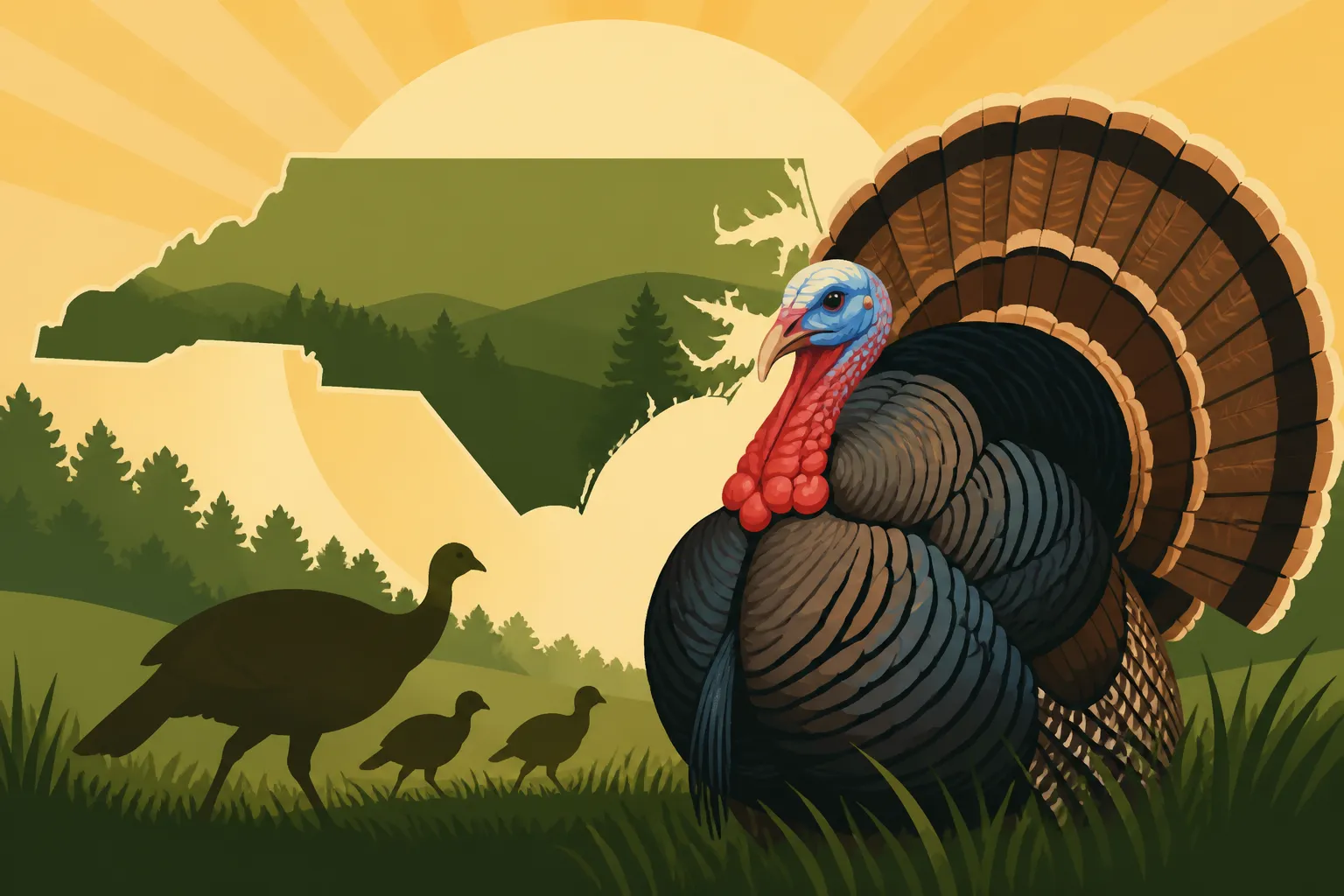
Today, the wild turkey is a ubiquitous sight and sound across North Carolina. From the highest peaks of the Appalachian Mountains to the fertile farmlands of the Piedmont and the swampy bottomlands of the Coastal Plain, these magnificent birds have reclaimed their ancestral territories. The initial populations, carefully released in strategic locations, have expanded and dispersed, filling in once-empty landscapes.
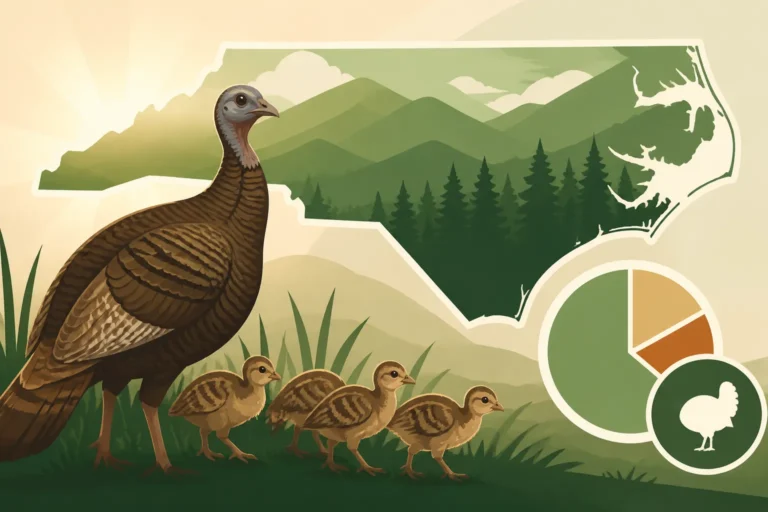
The North Carolina Turkey Population Estimate now places their numbers in the hundreds of thousands, a staggering rebound from the mere hundreds of the early 20th century. This widespread distribution means that opportunities to encounter or hunt turkeys are available in virtually every county. While some areas, like certain counties in the Piedmont and Coastal Plain, consistently show higher densities, the overall health and spread are exceptional. Knowing the Best North Carolina Counties for Turkeys can certainly help a hunter plan their spring hunt, but the reality is, you're never far from a gobbler these days. This success story continues to unfold, bringing life back to our forests and fields.
The Hunter's Role in Sustaining the Resource
It cannot be overstated that hunters have been, and continue to be, absolutely essential to the wild turkey's success in North Carolina. Through their purchase of hunting licenses, stamps, and equipment, hunters provide the critical funding that allows the NCWRC to conduct research, implement habitat management projects, enforce regulations, and educate the public. Without this financial backbone, many conservation programs would simply not exist.
Beyond financial contributions, hunters are also the eyes and ears in the field, reporting observations, harvesting data, and upholding ethical hunting practices. They are passionate advocates for wildlife and wild places, often taking an active role in habitat improvement projects on both public and private lands. The sustainable hunting model, where regulated harvest contributes to the overall health of the species by preventing overpopulation and disease, is a direct outcome of this partnership. When hunters diligently report their harvest and adhere to regulations, they are actively participating in the ongoing conservation of the resource. Reliable data and tools, like those found on GoHunt, help hunters make responsible decisions and contribute effectively to this partnership.
Future Conservation Priorities
While the wild turkey story is largely one of success, conservation is an ongoing endeavor. Future priorities for North Carolina will include maintaining and enhancing existing habitats, particularly through continued prescribed fire programs and careful forest management. As human populations grow and development expands, protecting critical turkey habitat from fragmentation remains a challenge.
Research into new diseases, the impacts of changing land use, and genetic diversity will also be crucial. Education and outreach efforts will continue to play a vital role in fostering appreciation for wild turkeys and ensuring public support for conservation initiatives. By adapting to new challenges, embracing scientific advancements, and maintaining the strong partnership between wildlife agencies, landowners, and hunters, North Carolina can ensure that the resounding gobble of the wild turkey will echo through its woods for generations to come. Hunters looking to find those vocal birds might even be using mapping features on platforms such as GoHunt to identify prime Where North Carolina Gobblers Roost or understand Roost Hunting North Carolina Gobblers techniques, ensuring they are engaged and connected to the land.
Disclaimer
Please be aware that hunting regulations and wildlife management practices can change. Always consult the latest North Carolina Inland Fishing, Hunting & Trapping Regulations Digest published by the North Carolina Wildlife Resources Commission (NCWRC) before engaging in any hunting activities. This guide is for informational purposes only and should not be considered legal advice.