North Carolina Grouse Season Status
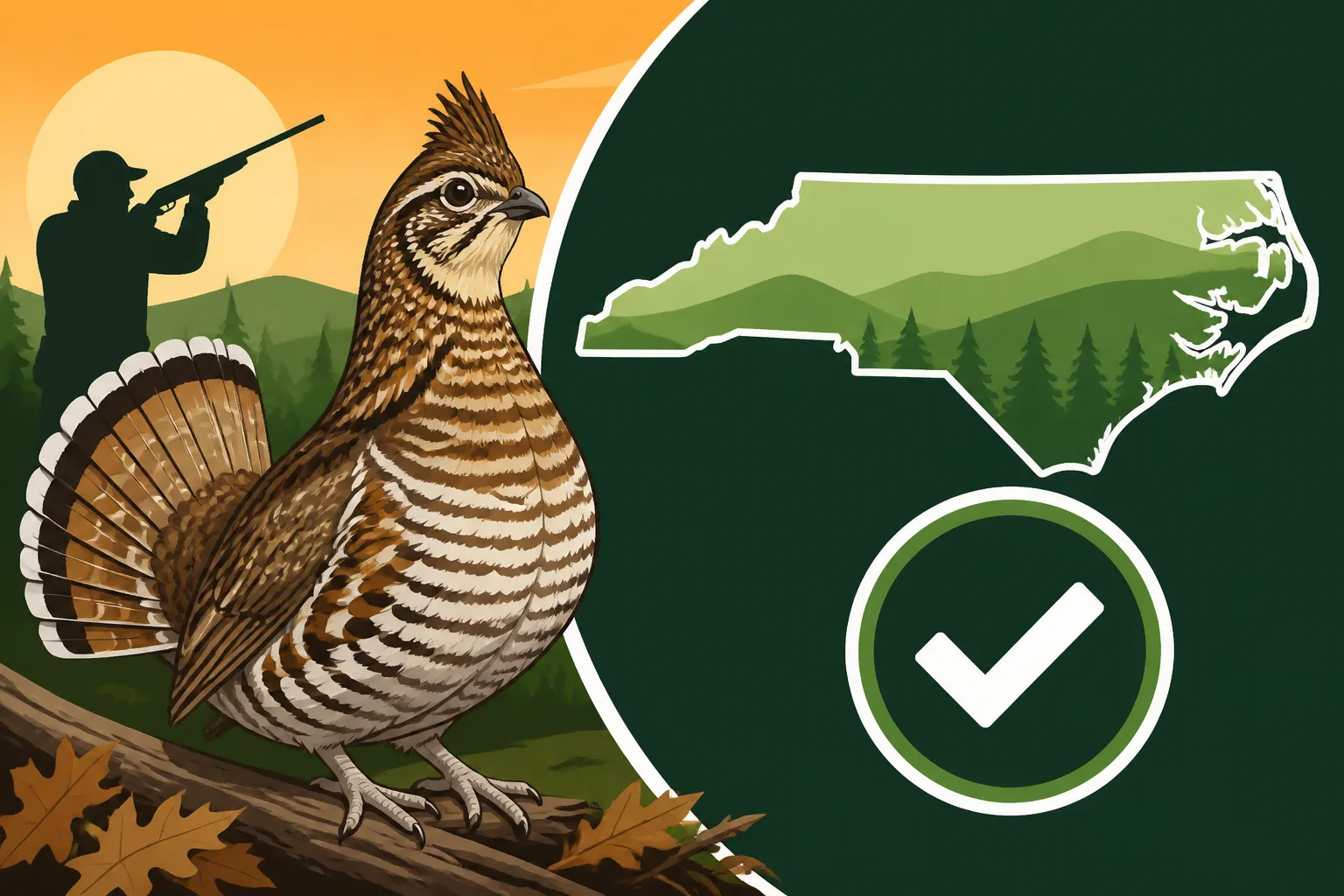
It’s a tough pill to swallow for many upland hunters in North Carolina, but when you ask about the ruffed grouse season, the answer isn't what it used to be. The simple, frustrating truth is that there is currently no open hunting season for ruffed grouse in North Carolina. This guide will delve into the current status, explore the reasons behind this unfortunate situation, and discuss what it means for the future of grouse in our beautiful state.
Current Status of Ruffed Grouse Season in North Carolina
For those who cherish the explosive flush and challenging hunt of the ruffed grouse, the news out of North Carolina has been disheartening for years. The North Carolina Wildlife Resources Commission (NCWRC) has, unfortunately, closed the ruffed grouse hunting season indefinitely. This isn't a temporary measure for a year or two; it's a reflection of a serious and prolonged decline in grouse populations across the state.
Imagine the crisp mountain air, the rustle of fallen leaves underfoot, and the sudden, heart-stopping whir of wings as a grouse bursts from cover. That experience, once a staple for many North Carolina upland hunters, is now a memory of seasons past. The decision to close the season was not made lightly and came after years of observation, data collection, and a clear understanding that the population could not sustain any hunting pressure without further jeopardizing its survival. It's a testament to the commitment to conservation, even when it means sacrificing a beloved hunting tradition. This decision underscores the stark reality of the North Carolina Ruffed Grouse Decline.
Historical Context and Recent Trends
Historically, North Carolina, particularly its western mountainous regions, was home to healthy ruffed grouse populations. Generations of hunters pursued these elusive birds, with seasons that typically ran through the fall and early winter months. However, over the last few decades, the signs became increasingly grim.
Game biologists and conservationists noticed a steady, sometimes rapid, drop in the number of birds. This wasn't just anecdotal evidence from hunters reporting fewer flushes; it was backed by scientific surveys, drumming counts, and habitat assessments. The NCWRC, responsible for managing the state's wildlife, tracks these trends meticulously. They looked at breeding success, overwinter survival rates, and the overall health of the population. The data painted a clear picture of a species struggling to maintain its numbers, let alone thrive. When you compare the North Carolina Ruffed Grouse Numbers Today to historical records, the difference is alarming, highlighting why such drastic measures were necessary.
Implications for Hunters
For upland bird hunters in North Carolina, the closure of the grouse season leaves a significant void. It means one less opportunity to get out into the diverse landscapes of our state and pursue challenging game. Many hunters who once focused their efforts on Grouse Hunting the Blue Ridge Escarpment or other mountain areas have had to shift their focus to other small game species or travel to neighboring states where grouse seasons remain open, albeit often with conservative limits.
This situation also impacts the sale of specialized gear like specific shotguns and upland vests. While many pieces of gear, like the right pair of boots for navigating tough terrain, are versatile, the closure directly affects the market for dedicated upland bird hunting equipment here. It's a reminder that wildlife populations are delicate, and the privileges we enjoy as hunters are directly tied to the health of the game we pursue. It reinforces the need for accurate information and resource management, which companies like GoHunt strive to provide for other species where seasons are open.
Why Grouse Numbers Are Declining in North Carolina
The decline of the ruffed grouse population in North Carolina isn't a simple issue with a single culprit. It's a complex puzzle with several interconnected factors, many of which are challenging to address. Understanding these reasons is crucial for any hope of future recovery.
Hunters often scratch their heads, wondering why a bird that seems so wild and hardy could be disappearing. The truth is, grouse are highly sensitive to changes in their environment, and North Carolina's landscape has seen significant shifts over the past century.
Habitat Loss and Fragmentation
Perhaps the biggest driver of the grouse decline is the loss and degradation of their preferred habitat. Ruffed grouse thrive in early successional forests – young, regenerating woodlands characterized by dense thickets of saplings, shrubs, and brush. This type of habitat provides critical cover from predators and abundant food sources like buds, catkins, and berries.
However, over many decades, North Carolina’s forests have matured. Aggressive fire suppression policies in the past, coupled with changes in logging practices that now favor large, clear-cut operations or mature timber retention over selective cutting that creates varied age classes, have led to a landscape dominated by older, more open forests. While beautiful, these mature forests lack the dense understory grouse need to raise broods and evade predators. Urban and suburban sprawl further fragments remaining suitable habitat, creating isolated pockets where grouse populations struggle to connect and reproduce effectively. The absence of diverse forest age classes truly hits grouse hard.
Predation Pressure and Disease
While predators are a natural part of any ecosystem, an imbalance can exacerbate population declines in already stressed species. Grouse chicks and eggs are vulnerable to a wide array of predators, including foxes, raccoons, opossums, and raptors. The rise in populations of generalist predators like coyotes, as discussed in Coyotes and Predators in North Carolina, can put additional pressure on grouse populations, especially in fragmented habitats where cover is scarce.
Disease, though harder to track, also plays a role. Various avian diseases and parasites can weaken grouse, making them more susceptible to predation or environmental stressors. Fluctuations in insect populations, a vital food source for young chicks, can also impact survival rates. While the NCWRC actively monitors for these threats, understanding their full impact on a secretive bird like the grouse is incredibly challenging.
Climate Change and Environmental Shifts
Climate change presents another insidious threat. Subtle shifts in temperature and precipitation patterns can impact grouse breeding cycles, food availability, and overwinter survival. Warmer winters might lead to earlier thaws, which can then be followed by late frosts, damaging crucial early spring food sources or impacting the timing of insect hatches.
Moreover, extreme weather events, such as prolonged droughts or severe storms, can directly harm populations or alter their habitat. The overall trend of a changing climate means that even if habitat improvements are made, the grouse face an uphill battle against an environment that is becoming less predictable and, in some ways, less hospitable to their specific needs. Understanding these broad environmental shifts requires comprehensive data, which platforms like GoHunt can help organize for other species, demonstrating the power of aggregated information.
Hunting Opportunities and Management Efforts
Given the closed grouse season, hunters in North Carolina might feel a bit lost, especially those who loved the challenge of chasing these birds in the mountains. However, this doesn't mean the woods are devoid of small game, nor does it mean that conservation efforts have stalled.
It's natural to feel frustrated when a season closes, but it's important to remember that these decisions are made to protect the species. The NCWRC is constantly evaluating populations and implementing strategies to maintain healthy wildlife. While grouse hunting is off the table, there are still ways to enjoy the outdoors and even contribute to wildlife management.
Alternative Small Game Pursuits
For those who enjoy walking the woods with a shotgun, North Carolina offers other small game opportunities that can provide a similar experience to grouse hunting, albeit with different quarry. Squirrels, for instance, are abundant in much of the state, particularly in bottomland hardwoods and oak ridges. A morning spent Squirrel Hunting North Carolina Bottomland Hardwoods can be incredibly rewarding, offering plenty of action and delicious table fare.
Rabbits also provide fast-paced action, especially when hunted with beagles. You can often find them along fencerows, thickets, and clear-cuts, making for an exciting hunt. Exploring these opportunities can keep your skills sharp and allow you to spend valuable time in the same types of diverse cover where grouse once thrived. These alternative hunts are crucial for maintaining hunter engagement and support for habitat conservation.
Here's a quick look at some general small game seasons that might provide alternative hunting opportunities in areas that historically supported grouse:
| Small Game Species | Typical Season Start | Typical Season End | Daily Bag Limit | Notes |
|---|---|---|---|---|
| Gray Squirrel | Mid-October | Late February | 8 | Varies slightly by zone |
| Fox Squirrel | Mid-October | Late February | 1 | Restricted to certain counties |
| Rabbit | Mid-November | Late February | 5 | Good for dog work |
| Quail | Mid-November | Late February | 6 | Numbers are also struggling, often require private land with habitat work |
| Dove | Early September | Mid-January | 15 | Migratory bird, multiple splits |
Note: Always consult the current North Carolina Inland Fishing, Hunting and Trapping Regulations Digest for exact dates and bag limits, as these can change annually.
Conservation and Habitat Restoration Efforts
The closure of the grouse season isn't the end of the story for these birds. The NCWRC, along with partner organizations, is actively involved in habitat restoration projects aimed at creating the early successional forests that grouse and other wildlife need. These efforts often include:
- Prescribed Burns: Controlled burns help set back forest succession, encouraging the growth of new, dense understory vegetation.
- Timber Stand Improvement: Selective logging and clear-cutting in small patches can create a mosaic of forest ages, providing both mature timber and crucial young growth.
- Partnerships with Landowners: Encouraging private landowners to implement habitat management practices.
These efforts aren't just for grouse. Many other species, like wild turkeys and bobwhite quail, also benefit from early successional habitat. Understanding these management initiatives is key to understanding the future of many game species. Even for species that currently have a season, like those found when Hunting the North Carolina Mountains, habitat management is paramount.
Future Outlook for Ruffed Grouse Hunting
Looking ahead, the future of ruffed grouse hunting in North Carolina remains uncertain, but not without hope. The path to recovery is long and challenging, requiring sustained commitment to habitat restoration and a deep understanding of the ecological factors at play.
It’s easy to get discouraged, especially when you think about the vibrant grouse populations of the past. However, conservation is a marathon, not a sprint. Every small step taken towards improving habitat and understanding the species contributes to a potentially brighter future.
Long-Term Management Strategies
The NCWRC continues to monitor grouse populations and refine its long-term management strategies. These strategies often involve:
- Intensive Habitat Management: Focusing resources on areas with existing grouse populations or those with high potential for recovery. This includes creating forest openings, encouraging shrub growth, and managing invasive species that outcompete native plants vital for grouse.
- Research and Monitoring: Ongoing research into grouse genetics, disease prevalence, and specific habitat needs helps biologists make informed decisions. Technologies and data analysis tools, similar to those used by GoHunt for other game animals, can play a role in tracking these complex ecological dynamics.
- Public Education and Engagement: Informing the public and hunters about the challenges facing grouse and the importance of habitat conservation. Programs that explain the benefits of active forest management, even small-scale efforts on private land, are critical.
These efforts are not unique to grouse. The principles of habitat restoration, such as those discussed in How Managed Pine Could Restore North Carolina Quail, directly benefit grouse as well, highlighting the interconnectedness of wildlife management across different species.
The Role of Hunters and Conservationists
Even without an open season, hunters and conservationists play a vital role in the potential recovery of ruffed grouse. Supporting organizations like the Ruffed Grouse Society, contributing to habitat projects on public or private lands, and simply being an educated advocate for wildlife can make a difference. Many of the techniques for Upland Guns for Mountain Grouse Cover might be theoretical for grouse in NC right now, but the passion for upland hunting remains, and that passion can be channeled into conservation.
It’s also crucial to remember that the data gathering doesn't stop. If you're out scouting for deer and happen to spot a grouse, reporting the sighting to the NCWRC can contribute to their understanding of where isolated populations might still exist. Every piece of information helps in the grand scheme of conservation. The restoration of wildlife populations often takes generations, but it starts with dedicated effort and patience today.
A Glimmer of Hope
While a statewide grouse season in North Carolina may not return in the immediate future, the commitment to conservation offers a glimmer of hope. If habitat improves significantly and populations show sustained growth, the NCWRC could, theoretically, reconsider a limited season in very specific areas, perhaps with extremely conservative bag limits. However, this would only happen after years of positive trends and careful scientific evaluation. Until then, we must appreciate these elusive birds for their intrinsic value and support the efforts to ensure their continued, albeit fragile, presence in our North Carolina mountains.
Disclaimer
Please remember that hunting regulations, seasons, and licensing requirements can change frequently. Always consult the most current North Carolina Inland Fishing, Hunting and and Trapping Regulations Digest published by the North Carolina Wildlife Resources Commission (NCWRC) before planning any hunting trip. This article is intended for informational purposes only and does not supersede official regulations.