North Carolina Quail Season Status
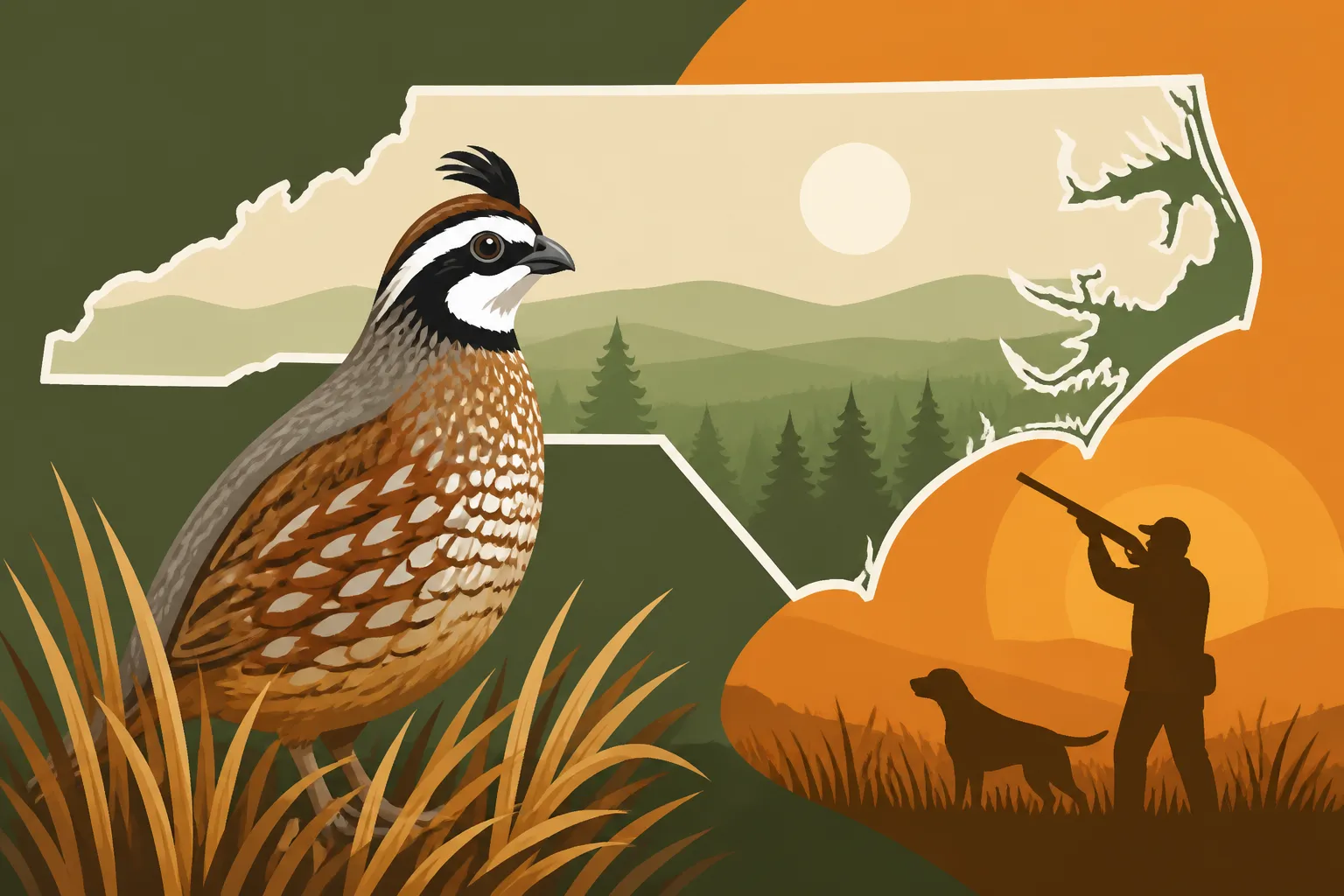
For many North Carolina hunters of a certain age, the thought of quail season evokes memories of busting coveys in every hedgerow and field edge. But for newer hunters, finding a bobwhite quail today can feel like chasing a ghost, a truly frustrating experience given how plentiful they once were. This guide aims to provide a realistic look at the current status of North Carolina's quail season, detailing the challenges, the regulations, and what it truly takes to pursue these elusive birds in the modern landscape.
The Challenging Reality of North Carolina Quail Season
Let's be upfront: hunting bobwhite quail in North Carolina today isn't what it once was. The glory days of abundant coveys seem to be a distant memory for many, and it's a stark reality that newcomers to upland hunting quickly face. The simple truth is, the bobwhite quail population has seen a significant and sustained decline across much of its range, and North Carolina is no exception. This isn't just anecdotal; it's a trend that wildlife biologists have been tracking for decades, and it shapes every aspect of what a hunter can expect when heading afield.
Understanding the Historical Decline
The story of North Carolina's quail decline is complex, but it largely boils down to habitat. Back in the mid-20th century, agricultural practices were different. Smaller farms, hedgerows, fallow fields, and less intense cultivation created a mosaic of early successional habitat that quail thrived in. Think about those old black and white photos of farmers tilling small patches, surrounded by thickets and brush – that was prime quail country. As farming practices modernized, fields became larger, cleaner, and monocultures replaced diverse landscapes. Pesticide use reduced insect populations, a vital food source for quail chicks.
Beyond agriculture, urban sprawl and commercial forestry practices also played a huge role. Pine plantations managed for quick timber production often lack the diverse understory that quail need for nesting, brooding, and escape cover. Fire suppression, too, changed the natural landscape. Historically, low-intensity fires maintained open pine woodlands with a healthy understory, which is perfect for quail. Without it, dense hardwoods encroach, shading out crucial grasses and forbs. The result is what many refer to as North Carolina's Historic Quail Decline, a dramatic shift that has left many wondering if they'll ever see robust quail populations again.
Current Season Dates and Bag Limits
Despite the challenges, quail season does still open in North Carolina, providing an opportunity for dedicated hunters to pursue these birds. The season dates and bag limits are set by the North Carolina Wildlife Resources Commission (NCWRC) and are generally quite conservative, reflecting the ongoing conservation concerns.
Currently, the statewide quail season typically opens in early November and runs through late February. This gives hunters a good window, but the reality is that finding birds might take significant effort. The daily bag limit is usually six birds, with a possession limit of 12. These regulations are designed to allow for recreational hunting while preventing any additional undue pressure on the recovering or struggling populations. It’s always best to double-check the current year's regulations directly with the NCWRC before heading out, as they can sometimes adjust dates or limits based on population trends. You can find these details under the broader North Carolina Small Game Season Rules.
Here's a quick overview of the typical season framework:
| Category | North Carolina Quail Season Status |
|---|---|
| Season Dates | Early November – Late February |
| Daily Bag Limit | 6 Quail |
| Possession Limit | 12 Quail |
| Shooting Hours | One-half hour before sunrise to sunset |
Public vs. Private Land Opportunities
When it comes to hunting quail in North Carolina, the vast majority of opportunities, particularly for anything resembling consistent success, exist on private land. This isn't to say there are zero quail on public lands, but finding huntable populations requires immense effort, a deep understanding of habitat, and often a bit of luck. Game Lands that are actively managed for early successional habitat or feature extensive longleaf pine restoration might offer occasional flushes, but these are often few and far between and can see significant pressure. Areas like parts of the Sandhills Game Land, for instance, are actively managed and might hold some birds, though it's still a tough hunt.
On private lands, the story can be different. Landowners who actively manage their properties for quail habitat – through prescribed burning, timber thinning, disking, and planting specific cover crops – can create pockets where quail populations can thrive. These dedicated efforts are the true bright spots for quail hunting in the state. Hunters often gain access to such lands through personal connections, leases, or by participating in programs that incentivize habitat restoration. Many hunting preserves also offer opportunities, providing a managed experience for those seeking to introduce new hunters to the sport or just enjoy a day afield with dogs.
The Crucial Role of Habitat Restoration
Given the severe decline, the future of bobwhite quail hunting in North Carolina hinges almost entirely on habitat restoration. It's not just about managing for hunting; it's about ecological health and biodiversity. Without the right habitat, quail simply cannot rebound, no matter how conservative the hunting regulations are. This truth is a core tenet of modern wildlife management and is something passionate conservationists, landowners, and hunters are actively working on.
The Importance of Early Successional Habitat Management
Early successional habitat is a fancy term for young, disturbed plant communities – think old fields, clear-cuts, young pine stands, or areas that have recently been burned. These areas are characterized by a mix of grasses, forbs (broad-leaved herbaceous plants), and young woody shrubs. For quail, this type of habitat provides everything they need: dense cover for nesting and protection from predators, open ground for foraging on insects and seeds, and thickets for escape.
Without active management, most landscapes naturally progress into mature forests, which lack the diversity and dense understory that quail require. This is why interventions like prescribed burning, disking, timber thinning, and selective herbicide use are so vital. These practices set back succession, creating that critical "messy" habitat that quail adore. It's a continuous process, not a one-time fix, requiring ongoing commitment and effort. Many organizations and private landowners are doing incredible work in this area, recognizing that without it, the iconic "bob-white!" call might truly fade from the North Carolina soundscape.
Longleaf Pine Ecosystems and Quail
One of the most promising avenues for quail recovery in North Carolina lies in the restoration of longleaf pine ecosystems. Historically, vast stretches of the state, particularly in the Coastal Plain and Sandhills regions, were dominated by open, park-like longleaf pine forests maintained by frequent low-intensity fires. This ecosystem is a biological hotspot, supporting an incredible array of plant and animal species, including the bobwhite quail.
Longleaf pine forests, when properly managed with prescribed fire, create ideal quail habitat. The open canopy allows sunlight to reach the forest floor, promoting a lush growth of wiregrass, legumes, and other native plants that provide both food and cover. The structure is perfect: a dense, diverse groundcover with open patches for foraging, and the scattered pines offering overhead protection. Efforts to restore these ecosystems, often involving planting new longleaf seedlings and implementing regular burning regimes, are critical for the long-term health of quail populations. If you're looking for areas that could potentially hold quail on public land, searching for longleaf restoration projects is a smart move. Areas that are also attractive for Hunting Longleaf Pine Savanna for Deer might surprisingly offer some quail opportunities due to shared habitat needs.
Landowner Incentives and Conservation Programs
Many private landowners are keen to help with quail recovery but might not know where to start or have the resources. Thankfully, several state and federal programs offer technical and financial assistance for habitat management. The NCWRC, the National Resources Conservation Service (NRCS), and groups like Quail Forever work directly with landowners to implement habitat improvements.
These programs can help fund activities like prescribed burning, invasive species control, planting native grasses and forbs, and creating hedgerows. For a landowner, these incentives can make the difference between letting a field go fallow (which often leads to less desirable habitat for quail) and actively managing it for wildlife. Organizations like GoHunt often highlight the importance of understanding available conservation programs and how hunters can support land management efforts, both on public and private land. By connecting landowners with resources, these programs are slowly but surely creating more islands of suitable habitat, which are vital for local quail populations to expand and thrive.
Modern Quail Hunting Tactics and Ethics
Hunting quail in North Carolina today demands a different mindset than it did generations ago. It's less about filling a vest quickly and more about the experience, the dogs, and the profound appreciation for the rare covey rise. Success is often measured not just in birds harvested, but in the joy of seeing a bird dog work, the sound of a covey flush, and the satisfaction of finding quality habitat.
Working with Bird Dogs in North Carolina Cover
A good bird dog is indispensable for quail hunting, especially in North Carolina's often dense cover. Without a dog to locate and point birds, and then retrieve downed ones, finding quail is incredibly difficult, almost to the point of being futile. Pointers, setters, and versatile breeds like German Shorthairs excel at covering ground, locking up on scent, and holding point, allowing the hunter to get into position. The pure joy of watching a well-trained dog work a field, nose to the ground, is a reward in itself, regardless of whether a shot is fired.
Training and conditioning these dogs is a year-round commitment. They need to be in excellent physical shape to navigate thick brush, briars, and uneven terrain. Furthermore, they need to be steady to wing and shot, and to retrieve to hand. For those dedicated to the sport, the bond with a bird dog is central to the quail hunting experience. You can find more information on necessary equipment and training under Bird Dog Gear for North Carolina Cover.
Scouting for Quail Sign and Habitat Pockets
Given the scarcity of quail, thorough scouting is paramount. You can't just drive down a road and expect to stumble upon a covey anymore. Hunters need to meticulously research potential areas, often using aerial maps and local knowledge to identify promising habitat. Look for a mosaic of cover types: field edges bordering dense brush, young pine stands with grassy understories, power line clearings, and areas with evidence of recent prescribed burns.
Key indicators of quail presence include tracks in sandy soil, "cuttings" (seed husks) where birds have fed, and droppings. But honestly, the most reliable sign is hearing their distinctive "bob-white" call during early morning or late evening. This is where applications like GoHunt's mapping tools can be invaluable, helping hunters identify key habitat features and potential access points, especially on public lands or large private tracts where permission has been granted. It's a slow, deliberate process that requires patience and an eye for detail, but it's essential for increasing your odds. For specific advice on where to look, consider searching for Best North Carolina Counties for Wild Quail to narrow down your focus.
Contributing to Quail Recovery as a Hunter
For many, hunting quail today is as much about conservation as it is about harvesting birds. Responsible hunters understand that their actions can contribute to the long-term health of the species. This means adhering strictly to bag limits, avoiding over-pressuring known coveys, and supporting organizations dedicated to quail habitat restoration.
Financial contributions to groups like Quail Forever or the NCWRC's conservation efforts directly fund habitat projects. Additionally, hunters can become advocates, educating landowners and non-hunters about the importance of early successional habitat and prescribed fire. It's a challenging time for quail, but with dedicated effort from all stakeholders, there's hope that future generations might once again experience the thrill of abundant bobwhite coveys across North Carolina's diverse landscapes. Choosing the right equipment, such as an appropriate upland gun (see Upland Guns for Mountain Grouse Cover for inspiration), can also enhance the experience and ensure ethical shots.
Disclaimer
The information provided in this guide is for general informational purposes only and does not constitute legal advice. Hunting regulations in North Carolina can change frequently. Always consult the official North Carolina Wildlife Resources Commission (NCWRC) regulations and local ordinances before engaging in any hunting activities. Ensure you have all necessary licenses and permits.