Headlamps for Walking Out After Dark
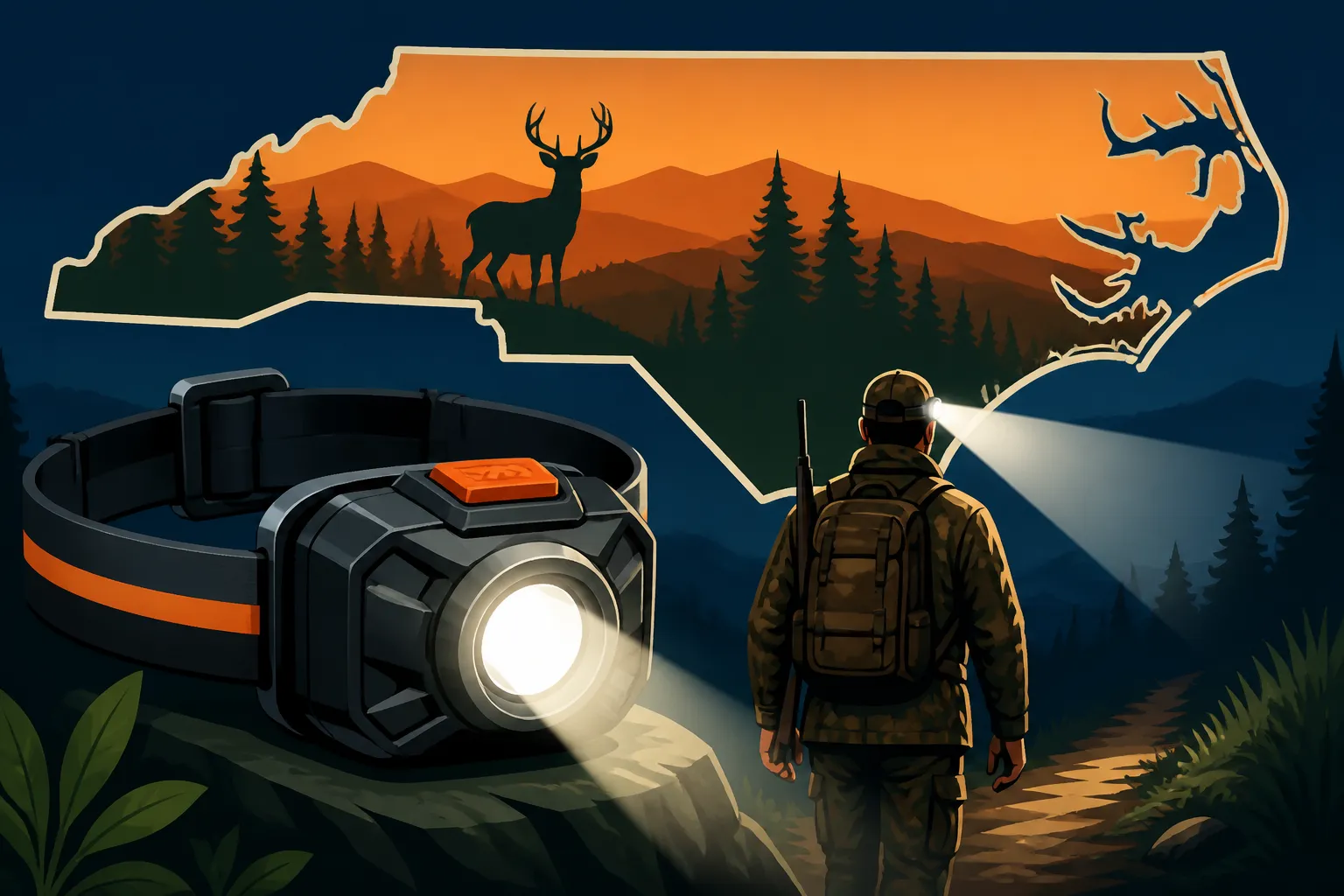
There’s nothing quite like the feeling of watching the last sliver of daylight fade over the North Carolina woods, especially when you’ve had a successful day and are ready to head back to camp. But that incredible feeling can quickly turn to anxiety when you realize just how dark it gets out there, and how easy it is to lose your bearings or trip over unseen obstacles. This guide is all about making sure you’re prepared for that post-sunset journey, focusing on why a reliable headlamp isn't just a convenience, but an absolute necessity for every North Carolina hunter.
Why a Good Headlamp Isn't Optional in North Carolina's Wilds
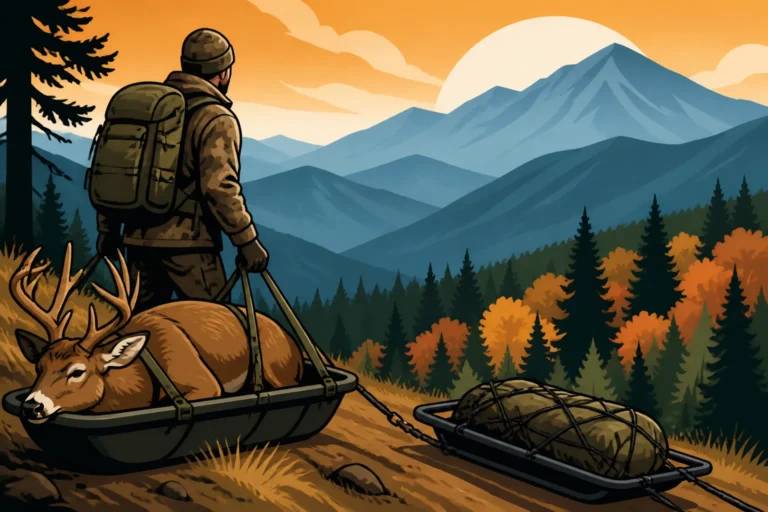
When the sun dips below the horizon in North Carolina, whether you’re deep in the mountains or tucked away in a coastal pocosin, the darkness isn't just dim—it's absolute. Your eyes, even adjusted, can only do so much against the backdrop of dense forests and often overcast skies. This isn’t a leisurely stroll in a well-lit park; it’s navigating uneven, unpredictable terrain with gear, and sometimes, with a heavy load from a successful hunt.
It's easy to underestimate the challenge until you're in it. One minute you're admiring a sunset, the next you're squinting, trying to make out the trail you walked in on. That's when a quality headlamp becomes your best friend, transforming a potential nightmare into a manageable, even enjoyable, part of the hunting experience. It’s not just about seeing; it’s about safety, efficiency, and peace of mind.
The Treacherous Terrain You'll Face
North Carolina’s diverse landscape offers incredible hunting opportunities, but it also presents unique challenges when darkness falls. Picture yourself on a steep mountain slope, navigating loose rocks, fallen timber, and dense rhododendron thickets. Even familiar trails become treacherous when you can’t see where your next step will land. A twisted ankle or a nasty fall is a real possibility, and in remote areas, that can quickly become a serious emergency. This is particularly true if you’re out Hunting the North Carolina Mountains, where the terrain can be relentlessly unforgiving underfoot.
Then there are the coastal regions, with their notoriously boggy Hunting Coastal Plain Pocosin Swamps. Trying to pick your way through knee-deep muck, over cypress knees, and across hidden ditches without proper light is an open invitation for a mishap. The Piedmont, too, with its rolling hills, overgrown clear-cuts, and sometimes thick briar patches near Hunting Piedmont Farmland Deer, can snag clothing, scrape skin, and hide holes or drops that are easily missed in the gloom. No matter where you hunt in the Old North State, the ground is rarely flat and manicured, making clear, hands-free illumination absolutely essential.
Safety Beyond Navigation
While simply seeing where you're going is paramount, a headlamp serves many other critical safety functions. Imagine you've made a great shot right at last light, and now you're beginning the arduous process of Blood Trailing After Dark in North Carolina. A powerful, focused beam is invaluable for spotting those subtle specks of crimson against the leaf litter, allowing you to follow the trail effectively and make a clean recovery. Without adequate light, that task can become frustrating, inefficient, and even lead to a lost animal.
Furthermore, a headlamp is crucial for field dressing your game, which often happens in low light or complete darkness. You need both hands free to work efficiently and safely with sharp knives. Trying to balance a flashlight under your chin or in your teeth is cumbersome and dangerous. Beyond game, a good light can help you spot potential hazards like venomous snakes, feral hogs, or even an unexpected drop-off. In a true emergency, the bright beam can be used to signal for help, making you visible to others or to search and rescue teams. It’s a vital tool for personal safety, especially when you consider situations like Handling a Bear After the Shot, where quick, well-lit work is essential.
Key Features to Look For in a Hunting Headlamp
When you're outfitting yourself for North Carolina hunting, don't just grab the cheapest headlamp you see. Investing a little time and thought into this purchase can make a huge difference in your safety and success. There are a few core features that separate the "good enough" lights from the truly great ones that will serve you well in our diverse hunting environments.
Consider the scenarios you'll most often find yourself in. Will you be picking through dense undergrowth in the Uwharrie National Forest, or crossing a tidal creek after a day of Hunting Flooded Timber for Wood Ducks? Your specific needs will help guide your choice, but these general guidelines will set you on the right path for any North Carolina adventure.
Lumens, Beam Type, and Battery Life
Let's talk about power and projection. Lumens are a measure of brightness, and while more isn't always strictly better, a higher lumen count certainly provides more usable light. For hunting, you'll want something that can kick out at least 200-300 lumens on its highest setting for those moments you really need to cut through the dark, like when you're looking for a blood trail at 30 yards or trying to identify a distant landmark. However, don't get caught up in peak lumen numbers alone; often, headlamps only sustain their highest output for a short time. Look for consistent, usable brightness over time.
Beam type is also critical. Many quality hunting headlamps offer both a flood beam (wide and even light for close-up tasks like field dressing or walking a wide trail) and a spot beam (narrow and focused for long-distance visibility). Having both options, and the ability to switch between them easily, is incredibly useful. For battery life, think about how long you realistically might be out in the dark. AA or AAA batteries are convenient because they're easily replaceable in the field, but rechargeable lithium-ion batteries often offer more power and better cold-weather performance. Always, always carry spare batteries or a fully charged power bank, especially if you expect to be out late or on multi-day trips.
Durability, Water Resistance, and Comfort
The North Carolina woods are not kind to flimsy gear. Your headlamp needs to be built to withstand bumps, drops, and the general rigors of hunting. Look for models made from robust plastics or aluminum that can take a beating. This is gear that will be stuffed in a pack, potentially dropped from a treestand, or knocked against branches as you push through thick cover. A cheap, fragile headlamp will let you down when you need it most.
Water resistance is equally non-negotiable. Our state sees its fair share of dew-soaked mornings, unexpected rain showers, and the ever-present humidity, especially on the coast. Look for an IPX rating; IPX4 is good for splashes, but IPX7 or IPX8 means it can be submerged, which is ideal if you're Recovering a Deer From a Coastal Swamp or simply slip crossing a creek. Comfort is often overlooked, but if you're wearing a headlamp for an hour or more, it needs to fit well without digging into your forehead or bouncing around. Adjustable straps, padding, and a balanced design (sometimes with the battery pack on the back) make a big difference, especially with heavier, more powerful lights. When you're using apps like GoHunt to mark your retrieval route or scout a path out in the daylight, you want a comfortable headlamp that won't distract you later when you're following those same digital breadcrumbs in the dark.
Red Light Mode and User Interface
A red light mode might seem like a small feature, but it’s a game-changer for hunters. Red light preserves your natural night vision, meaning your eyes don't have to readjust every time you turn on your light. This is invaluable when you want to quickly glance at your surroundings or check your gear without completely blinding yourself to the natural dimness. It also helps prevent startling game that might still be in the area, or annoying your hunting buddies in camp. Plus, it's perfect for quietly consulting a map or checking your phone, especially if you're navigating with a mapping app like GoHunt to pinpoint your location or follow a pre-marked trail to your vehicle.
The user interface, or how you control the headlamp, is another critical aspect. Can you easily switch between modes (high, low, red, flood, spot) with gloves on? Are the buttons intuitive, or do you have to cycle through five modes just to get to the red light? A simple, reliable switch that doesn't accidentally turn on in your pack (draining batteries) and is easy to operate in the cold or dark is paramount. Some headlamps even have motion sensors to turn on and off with a wave of a hand, which can be neat, but ensure the core functionality remains robust.
Practical Headlamp Strategies for North Carolina Hunters
Having a great headlamp is one thing; knowing how to integrate it into your hunting routine is another. It's not just a tool you pull out when it gets dark; it's part of your overall preparation and execution plan, especially given the unpredictable nature of hunting in North Carolina. From the moment you leave your vehicle to the minute you return, your headlamp should be considered a vital piece of your kit, always ready for action.
Thinking through how and when you'll use it before you need it can save you a lot of hassle and potential danger. Let’s dive into some practical strategies that will make your after-dark excursions safer and more efficient, whether you're dealing with a sudden rainstorm or a hard-earned retrieval.
Pre-Hunt Checks and Preparation
The most important step for any gear, especially something as critical as a headlamp, is thorough pre-hunt preparation. First and foremost, always check your batteries. Don't assume they're still good from last season or even last week. Pop in fresh batteries or ensure your rechargeable unit is fully topped off before every hunt where there's even a remote chance of being out after dark. And never, ever rely on just one set of batteries; always carry spares, sealed in a waterproof bag, in your pack.
Beyond batteries, practice with your headlamp in the dark at home. Get a feel for the different modes, how to switch between them, and how it feels on your head. This familiarity will be invaluable when you’re fumbling in the cold, dark woods. Think about where you store it in your pack – it should be easily accessible, not buried under layers of other gear. Many hunters keep it in a top pocket or even wear it around their neck, switched off, so it's ready at a moment's notice. Finally, consider a small, robust backup flashlight or even a second, simpler headlamp. If your primary light fails, having a redundancy can literally be a lifesaver. This level of preparation mirrors the careful planning you put into scouting your stand locations or mapping your approach with a tool like GoHunt.
Utilizing Your Headlamp During Retrieval and Field Dressing
When the moment of truth arrives and you're tracking an animal in low light, your headlamp becomes a specialized tool. For Tracking a Deer Through North Carolina Leaf Litter, a low-level, focused beam is often best, as it reduces glare and helps the subtle details of a blood trail pop. Sometimes, the red light can actually make blood appear darker against green foliage, but experiment to see what works best for your eyes. Work slowly and methodically, marking the last spot you saw blood so you can easily return to it if you lose the trail.
Once you’ve found your game, a headlamp frees up both hands for field dressing. Whether you prefer the traditional gutting method or a gutless approach, precision and cleanliness are key. The flood beam setting is excellent for illuminating your immediate work area, ensuring you can see what you’re doing and minimizing accidental cuts. When it comes time to drag your deer out, a powerful spot beam will illuminate the path ahead, highlighting obstacles, roots, and uneven ground. If you’ve used a mapping app like GoHunt to mark your stand and vehicle, you can confidently follow your digital breadcrumbs knowing your headlamp is lighting the way, guiding you safely through even a challenging task like Dragging a Deer Out of a Coastal Swamp.
Choosing the Right Headlamp for Your North Carolina Hunt
With so many headlamps on the market, it can feel overwhelming to pick the "right" one. But by understanding the trade-offs and considering your specific hunting needs in North Carolina, you can narrow down the options and find a headlamp that will be a reliable companion for many seasons to come. It’s about matching the tool to the task, and North Carolina offers a wide variety of tasks!
Think about your usual hunting style, the type of terrain you frequent most, and how often you find yourself walking out after dark. A hunter primarily targeting small game in the early evening might have different needs than someone pursuing bear deep in the mountains. There's a perfect headlamp out there for you; it's just a matter of knowing what to look for and what matters most for your adventures.
Budget-Friendly Versus High-Performance Options
Just like any piece of hunting gear, headlamps come in a range of prices, and generally, you get what you pay for. A budget-friendly headlamp (say, under $30) will usually offer basic functionality: a decent lumen count, a simple on/off switch, and maybe a single flood or spot beam. It might be good enough for occasional use or as a backup, but it often lacks in durability, sustained brightness, and advanced features like true waterproofing or a comfortable harness for extended wear.
| Feature | Budget-Friendly (~$15-30) | Mid-Range (~$40-80) | High-Performance (~$100+) |
|---|---|---|---|
| Max Lumens | 100-250 | 300-600 | 600-1000+ |
| Beam Types | Single flood or spot | Flood & Spot (often adjustable) | Advanced flood, spot, red, green |
| Battery Life | Moderate (drains faster on high) | Good (sustained output) | Excellent (long runtimes, efficient) |
| Water Resistance | IPX4 (splash resistant) | IPX7 (submersible to 1m) | IPX8 (fully waterproof, robust) |
| Durability | Basic plastic | Durable plastic, some metal parts | Rugged aluminum, premium plastics |
| Comfort | Basic strap, can be stiff | Adjustable, some padding, balanced | Ergonomic, padded, often external battery |
| Red Light Mode | Rarely | Often | Always, with multiple settings |
Mid-range headlamps ($40-$80) often hit a sweet spot, offering a significant jump in lumens, better battery life, and improved durability with features like red light modes and multiple beam options. High-performance headlamps (often $100+) are for serious hunters who demand the best: extreme brightness, prolonged battery life, rugged construction, advanced optics, and superior comfort for all-night use or extreme conditions. Consider what you need for typical hunts versus worst-case scenarios when making your choice.
Specific Scenarios and Ideal Headlamp Picks
Your ideal headlamp will depend heavily on where and how you hunt in North Carolina. If you're primarily hunting the steep, unforgiving terrain of the Pisgah or Nantahala National Forests, you'll want a headlamp with a powerful, focused spot beam to pick out distant landmarks and a flood beam for navigating dense undergrowth close up. Excellent battery life is crucial for long treks. You'll also appreciate a comfortable, stable fit to prevent bouncing during strenuous climbs and descents. Using GoHunt to mark those tricky contour lines and then having a headlamp that projects far down a ridge line will give you an edge.
For hunters working the vast, flat, and often wet coastal plains or the swamps, water resistance becomes even more critical. An IPX7 or IPX8 rating is highly recommended, alongside a broad flood beam for illuminating wide areas of marsh or thick pocosin. The ability to switch to a red light is perfect for sneaking into a duck blind before dawn or out after a successful hunt on the sound. If you're a deer hunter working small private tracts in the Piedmont, a versatile headlamp with good flood and spot capabilities, and a reliable red light for discreet entry and exit, will serve you well. No matter the scenario, coupling your headlamp with digital tools like GoHunt, which can show you satellite imagery and property boundaries, ensures you're always oriented and moving safely, even when the light is gone.
Disclaimer
This article is for general informational purposes only and does not constitute professional advice. Laws, prices and regulations vary by location and change over time. Consult a qualified professional for guidance on your specific situation.