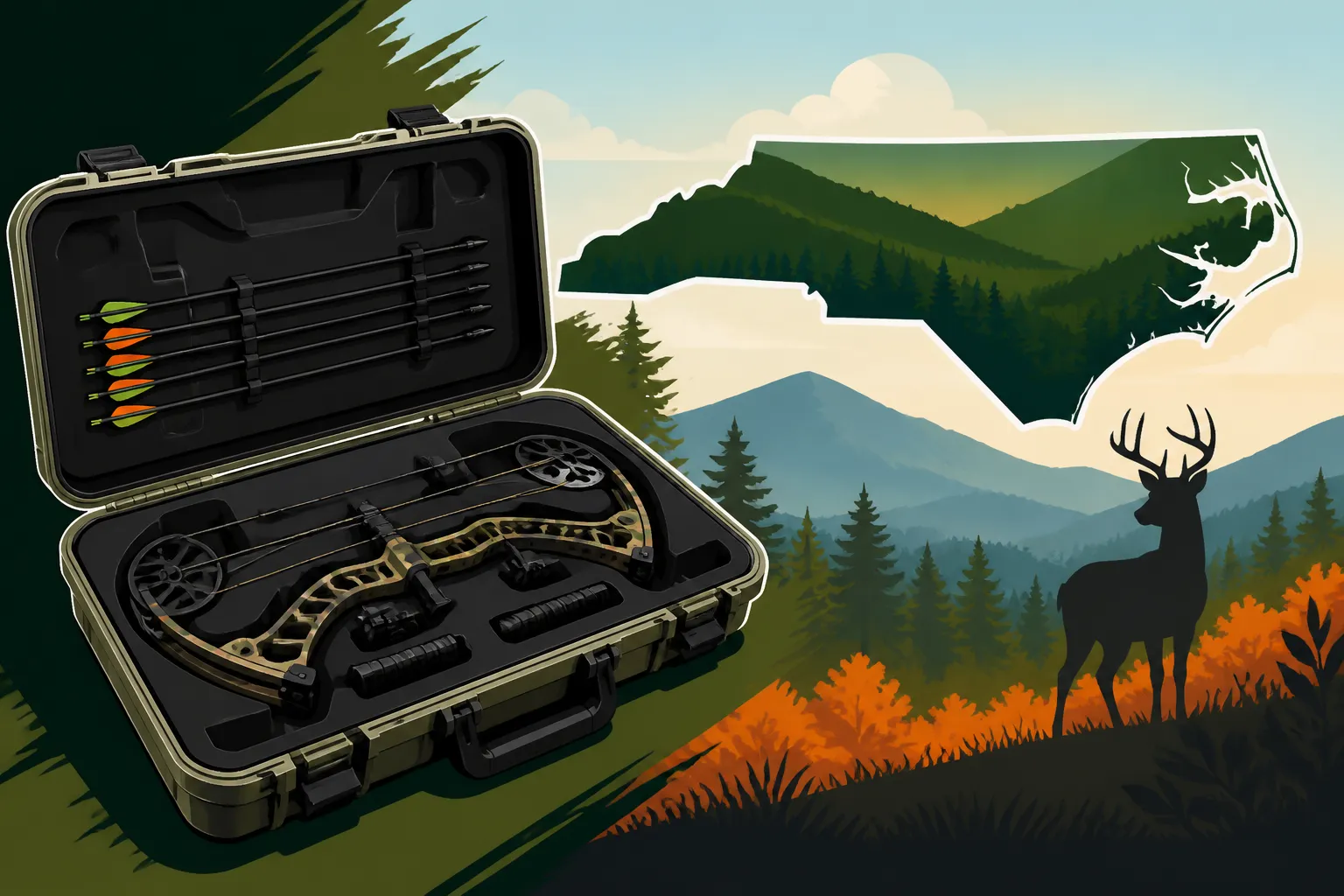
Bow Cases for Travel to North Carolina
Traveling to North Carolina with your bow can feel like a high-stakes gamble. You’ve invested time, money, and effort into your archery setup, and the last thing you want is to arrive at your hunting destination only to find your peep sight twisted, your cam bent, or your arrows splintered because of rough handling during transit. This guide is all about helping you understand the different types of bow cases available and how to choose and pack the best one to protect your precious equipment, ensuring it arrives in North Carolina ready for action.
Why a Quality Bow Case is Non-Negotiable for Travel
Think about it: your bow is more than just a piece of sporting equipment; it's a precision instrument. A few millimeters out of alignment can mean the difference between a clean kill and a missed opportunity, or worse, a wounded animal. When you're traveling, whether it's across the state or across the country, your gear is going to be jostled, bumped, and potentially dropped. Relying on a flimsy case or just tossing your bow into the back of the truck is asking for trouble, and frankly, it's not worth the risk.
Protecting Your Investment
Modern compound bows, recurves, and crossbows are engineering marvels, crafted with tight tolerances and delicate components like cams, strings, cables, and Bow Sights for Timber Shots. Even a small impact can throw a cam out of time, chip a limb, or knock your sight pins completely off. The cost of repairs, especially if you're on a hunt and need something fixed quickly by a local pro shop (assuming you can even find one with availability), can be significant. And let's not forget the emotional cost of having your hunt derailed before it even begins. A quality bow case acts as a protective shell, absorbing shocks and safeguarding those critical components from damage. It’s an insurance policy for your accuracy and, ultimately, your hunting success.
Beyond the internal workings, the finish on your bow, the delicate fletchings on your Arrow Weight for Short Shots, and the quiet coating on your limbs are all vulnerable. A good case prevents scratches, dings, and abrasion that can not only mar the aesthetics of your bow but also compromise its integrity or create noise at the worst possible moment. When you consider the total investment in your archery setup, from the bow itself to the arrows, broadheads, and accessories, a durable case is a relatively small expense for comprehensive peace of mind.
Navigating North Carolina's Diverse Terrain
North Carolina is a state of incredible topographical variety, offering everything from the rugged peaks and deep hollows of the Appalachian Mountains to the rolling farmlands of the Piedmont and the dense, swampy pocosins of the Coastal Plain. Each of these environments presents its own set of challenges for hunters and their gear.
Imagine trekking deep into a remote section of Pisgah National Forest for Hunting the North Carolina Mountains, where you’re scrambling over fallen timber and navigating steep, rocky slopes. Or perhaps you're setting up a Treestand Safety Gear for Steep Ground in a dense pine thicket in the Sandhills. In these scenarios, a bow case isn't just about protecting your bow during transit; it's also about practical field use. A robust case keeps dirt, moisture, and debris from infiltrating your bow's moving parts when you're moving from the vehicle to your hunting spot, or from one stand to another. It helps prevent accidental snags on thick underbrush that could damage strings or accessories. For anyone serious about Bowhunting North Carolina's Statewide Archery Season, having gear that can withstand the rigors of the hunt itself, not just the journey there, is absolutely essential. It makes those long walks with a pack and bow much less stressful, knowing your primary tool is well-protected.
Types of Bow Cases: Finding Your Perfect Match
The world of bow cases offers a spectrum of options, each designed with different priorities in mind. Understanding the distinctions between soft, hard, and hybrid cases is crucial to making an informed decision that suits your specific travel needs and budget.
Soft Cases: Lightweight and Flexible
Soft cases are typically made from durable fabric, often padded, and feature zippers, handles, and sometimes shoulder straps. They are the lightest and often the most affordable option.
Pros:
- Portability: Their lighter weight makes them easy to carry, especially for short trips from the truck to the stand. Many come with comfortable shoulder straps, making them ideal for hunters who value mobility and might be carrying other gear like a Packs for a Day on Public Land.
- Flexibility: They can often be collapsed or folded down when empty, taking up less space in your vehicle or storage shed.
- Cost-Effective: Generally, soft cases are less expensive than their hard-shell counterparts, making them an accessible option for local hunters who don't anticipate air travel.
- Convenient Storage: Many soft cases offer external pockets for arrows, releases, and other small accessories, keeping everything together.
Cons:
- Limited Protection: While padding offers some buffer against scratches and minor bumps, soft cases provide minimal protection against crushing forces or significant impacts. They won't protect your bow if heavy luggage is stacked on top of it, or if it takes a tumble off a truck bed.
- Not Airline Approved: Almost universally, soft cases are not accepted as checked baggage for air travel. Airlines require hard-sided, lockable cases for firearms and archery equipment to ensure security and prevent damage.
- Vulnerability to Elements: While some might offer water-resistant fabrics, they are rarely waterproof, leaving your bow susceptible to rain, humidity, and mud, which are common in North Carolina, especially during early season or wet hunts.
Soft cases are best suited for hunters who primarily travel by vehicle for local hunts, range sessions, or short trips where the bow remains under personal supervision and isn't subjected to extreme handling.
Hard Cases: Maximum Protection for Peace of Mind
Hard cases are the heavy-duty champions of bow protection. Constructed from rigid plastics or composites, they are designed to withstand significant abuse, impact, and even extreme weather conditions.
Pros:
- Superior Protection: This is where hard cases truly shine. Their rigid shell protects your bow from crushing, drops, and impacts, making them the gold standard for safeguarding precision equipment. Foam inserts, often customizable, cradle the bow securely, preventing movement within the case.
- Airline Travel Ready: If you're flying into North Carolina for a hunt, a hard case is almost always a mandatory requirement for checked archery equipment. They come with robust, lockable latches (often requiring TSA-approved locks) and are built to survive the rigors of baggage handling. Many feature wheels for easier navigation through airports. When searching for durable, airline-compliant gear, a resource like GoHunt can be helpful for comparing specifications and user reviews.
- Weather Resistance: Many quality hard cases are designed to be dustproof and waterproof, thanks to O-ring seals and strong latches. This is a huge advantage when hunting in areas prone to sudden downpours, like a coastal swamp or a mountain storm.
- Enhanced Security: The robust construction and integrated locking points deter theft and tampering more effectively than soft cases.
Cons:
- Heavier and Bulkier: Hard cases are significantly heavier and take up more space, which can be a consideration for vehicle packing, especially if you have other gear like Boots for North Carolina Swamps and Ridges and camping supplies. This added weight can also lead to extra baggage fees if flying.
- Higher Cost: Their advanced materials and construction mean hard cases typically come with a higher price tag.
- Less Convenient for Quick Access: Getting your bow out of a securely latched hard case takes a bit more time and effort compared to a zippered soft case.
Hard cases are the top choice for hunters who frequently travel long distances, especially by air, or those who demand the absolute best protection for their valuable archery equipment against all potential hazards, including rough roads on the way to a remote hunting area. They are often a requirement for Crossbow Rules During North Carolina Archery Season if traveling by air.
Hybrid Cases: Blending the Best of Both Worlds
Hybrid cases attempt to strike a balance between the portability of a soft case and the protection of a hard case. They typically feature a rigid internal frame or shell, often made of lightweight aluminum or plastic, covered by a durable fabric exterior.
Pros:
- Improved Protection: The internal frame offers much better crush resistance than a purely soft case, protecting your bow from many common impacts.
- Lighter Than Hard Cases: By combining a lighter frame with fabric, hybrid cases often weigh less than full hard cases, making them easier to carry without sacrificing all protection.
- More Compact: Some hybrid designs can be more streamlined than bulky hard cases, potentially fitting into tighter spaces in a vehicle.
- Often More Pockets: Like soft cases, hybrid cases sometimes offer more external storage pockets for accessories, which can be a plus for organizing small items like a First Aid Kits for Remote Mountain Ground or your release.
Cons:
- Airline Approval Varies: This is the biggest drawback. While they offer better protection than soft cases, many airlines may still not classify them as "hard-sided" for checked archery equipment. Always double-check with your specific airline's policies before flying with a hybrid case.
- Not as Robust as Hard Cases: While better than soft cases, they still won't offer the same level of extreme impact or crushing protection as a top-tier hard case. They might also be less resistant to water and dust unless specifically designed with seals.
- Price Point: They typically fall in the mid-to-high range, often approaching the cost of some entry-level hard cases without offering the same guaranteed airline compliance.
Hybrid cases can be a good compromise for hunters who need more protection than a soft case offers for vehicle travel but find a full hard case too cumbersome or expensive, provided they don't plan on frequent air travel where strict hard-sided requirements apply.
Key Considerations When Choosing Your Bow Case
Selecting the right bow case involves more than just picking one off the shelf. You need to consider your specific bow, your primary travel methods, and the level of security and weather resistance you require.
Bow Type and Size
The first and most critical factor is the type and dimensions of your bow. Not all cases are created equal, and a proper fit is paramount for effective protection.
- Compound Bows: These are the most common and often the bulkiest. You'll need a case that accommodates your bow's axle-to-axle (ATA) length, as well as the width of the cams. Many compound bow cases feature adjustable tie-downs or custom-cut foam inserts to hold the bow securely. Consider if you plan to travel with your quiver attached or detached, and if your Bow Draw Weight for North Carolina Whitetails requires a very rigid frame. Some cases even have dedicated spots for longer stabilizers, while others require you to remove them.
- Recurve and Longbows: Traditional bows often break down into smaller pieces (limbs, riser) or are single-piece bows. For takedown models, a smaller, often tube-shaped case might suffice for the limbs and riser separately, or a longer hard case can hold the assembled bow. For one-piece longbows, you'll need a long, slender case, which can sometimes be harder to find or transport. Ensure that any case you choose provides adequate padding for the delicate limb tips.
- Crossbows: Crossbows typically require their own specialized cases due to their wider limbs and often integrated scope. These cases are usually wider and sometimes shorter than compound bow cases. Ensure the case can securely hold the crossbow without putting undue pressure on the limbs, stock, or the Crossbow Scopes for North Carolina Timber Ranges.
Always measure your bow, including any attached accessories like sights or quivers, before purchasing a case. A snug, but not overly tight, fit is ideal to prevent your bow from shifting around inside the case during transit, which is where much of the damage can occur. Look for cases with modular or adjustable interior padding that you can customize to your specific setup.
Travel Method: Air, Vehicle, or ATV
How you plan to transport your bow will heavily influence your case choice. Each travel method presents unique challenges and requirements.
- Air Travel: This is the most demanding scenario. If you're flying to North Carolina, a robust hard case is almost always essential. Airlines require archery equipment to be checked as oversized luggage and typically mandate a hard-sided, lockable container. You'll need TSA-approved locks (those with a red diamond logo that TSA agents can open without breaking). Be prepared for potential oversized baggage fees, which can vary wildly by airline, so always check their current policies before booking your flight. The weight of your loaded case is also a factor, as exceeding airline weight limits can incur additional charges. When planning a big trip, a reputable brand or a specialized outfitter like GoHunt can help you find cases specifically designed to meet airline compliance standards.
- Vehicle Travel (Car, Truck, SUV): For road trips, you have more flexibility. A soft case might suffice if your bow will be safely tucked away and not subjected to heavy items. However, if your bow will be in the bed of a truck, on a roof rack, or in a crowded cargo area, a hard or hybrid case provides superior protection against shifting cargo, bumps, dust, and potential weather exposure. Consider the space available in your vehicle; a bulky hard case might eat up valuable room, so think about how it will fit among your other hunting gear and luggage.
- ATV/UTV Travel: Hunting in North Carolina often involves accessing remote areas via ATV or UTV, especially on game lands or private timber tracts. The rough trails, mud, and water splashes demand a highly durable and weather-resistant case. A hard case with strong, secure latches and excellent waterproofing is ideal to protect your bow from the elements and the constant jarring motions of off-road travel. Ensure the case can be securely strapped or mounted to your ATV Rules on North Carolina Forest Roads without shifting or becoming a hazard.
Your travel habits should be the primary driver of your case selection. If you fly occasionally, investing in an airline-compliant hard case is a smart long-term decision, even if you mostly drive.
Security and Weather Resistance
Beyond physical protection, consider how well your case guards against theft and the elements, especially given North Carolina's varied and often humid climate.
- Security: For air travel, solid, lockable latches are non-negotiable. Even for vehicle travel, the ability to lock your case provides an extra layer of security, whether it's deterring opportunistic theft at a gas station or protecting your gear if left unattended at a campsite while you're out Scouting North Carolina Public Land Before Season. Hard cases generally offer the best security features, often with reinforced padlock points. Some even come with integrated locks.
- Weather Resistance: North Carolina weather can be notoriously unpredictable. A mild morning can quickly turn into a torrential downpour, especially in the mountains or along the coast. High humidity is a constant, which can contribute to rust and mildew on unprotected gear. Look for cases that boast water-resistant or, even better, waterproof seals (often indicated by an IP rating). These features protect your bow from rain, dew, and moisture, preventing rust on metal components and keeping strings and cables dry. Dust-proof qualities are also beneficial for keeping fine grit out of cams and limbs, particularly if you're traveling on unpaved roads.
Investing in a case that offers both robust security and excellent weather resistance means your bow will be in prime condition, no matter what the journey or the North Carolina weather throws at it.
Packing Your Bow Case for Optimal Protection
Choosing the right case is only half the battle; how you pack it is equally important. Proper packing ensures maximum protection for your bow and accessories, preventing shifting and damage during transit.
Securing Your Bow
The primary goal of packing is to immobilize your bow within the case. Any movement can lead to chafing, impact damage, or even a gradual shift in tune.
- Foam Inserts: Many hard cases come with pick-and-pluck foam or dense, customizable foam inserts. Take the time to carefully trace and cut out the exact shape of your bow, ensuring a snug fit. The foam should cradle the bow firmly on all sides, preventing it from sliding or bouncing. If your case uses straps, make sure they are tightened securely but not to the point of deforming the bow's limbs or riser.
- Remove Protruding Accessories: While some hunters prefer to leave everything on, for maximum protection during rough travel (especially air travel), consider removing easily detachable items. This often includes stabilizers, quivers, and even delicate Bow Sights for Timber Shots. Pack these items separately in their own padded compartments or dedicated accessory pockets within the case. This reduces the risk of them bending, breaking, or putting undue stress on the bow itself if the case takes a hit.
- Padding Gaps: Even with custom foam, there might be small gaps. Use soft cloths, spare hunting clothes, or dedicated padding material to fill any remaining voids. The idea is that when you close the case, nothing should be able to rattle or shift. This small step can make a huge difference in preventing minor dings and scratches.
Organizing Accessories
A well-packed bow case isn't just about the bow; it's also about efficiently organizing all your smaller, essential archery accessories.
- Dedicated Compartments: Many quality cases feature built-in compartments or modular trays for smaller items. Utilize these for your release aid, string wax, Allen wrenches, spare nocks, and broadheads. Keeping these items separated prevents them from scratching your bow or rattling around loosely.
- Arrow Tubes: Never just toss loose arrows into your case. Invest in a dedicated arrow tube or a separate arrow case that can be secured inside your main bow case or carried separately. This protects fletchings and shafts from bending or breaking. If your case has internal arrow clips, use them.
- Small Gear Bags: For tiny items like spare batteries for your rangefinder or headlamp, small mesh bags or zippered pouches work wonders. They keep everything contained and prevent them from disappearing into the recesses of the case. Think about using a small pouch for essentials like a Field Dressing Knives Worth Carrying or a small multi-tool for field adjustments.
- Prevent Rattling: Anything that can rattle will eventually create wear or damage. Wrap items in soft cloth, use small foam blocks, or secure them tightly to prevent movement. This also makes for a much quieter unpacking experience when you arrive at your destination.
A systematic approach to packing not only protects your gear but also makes your life easier in the field. There's nothing worse than arriving at camp in the dark and rummaging through a disorganized mess to find a crucial piece of equipment. Using a trusted resource like GoHunt for organization tips or accessory ideas can streamline this process, helping you find those clever pouches or storage solutions that make all the difference.
Table: Bow Case Comparison Overview
| Feature | Soft Case | Hard Case | Hybrid Case |
|---|---|---|---|
| Protection Level | Basic (scratches, light bumps) | Excellent (impact, crushing, elements) | Good (rigid frame, fabric exterior) |
| Weight | Lightweight | Heavy | Moderate |
| Portability | Very good (easy to carry, fits in small spaces) | Challenging (bulky, often has wheels) | Good (often has shoulder straps or handles) |
| Airline Travel | Generally NOT approved (checked baggage) | Generally APPROVED (lockable, durable) | Varies (check airline specific rules, often not "hard-sided" enough) |
| Cost | Lower | Higher | Moderate to High |
| Best Use | Car travel, local range trips, light field use | Air travel, rugged transport, maximum security | Vehicle travel, some light airline travel (with caution) |
Conclusion
Traveling to North Carolina for a hunt is an exciting prospect, full of potential memories and adventures. Don't let the journey itself jeopardize your experience. Investing in a high-quality bow case and taking the time to pack it correctly is one of the smartest decisions you can make as an archery hunter. Whether you opt for a rugged hard case for airline travel or a well-padded soft case for local trips, ensuring your bow arrives in perfect condition is paramount. Protect your investment, safeguard your accuracy, and focus on the thrill of the hunt, knowing your gear is secure.
Disclaimer
This article is for general informational purposes only and does not constitute professional advice. Laws, prices and regulations vary by location and change over time. Consult a qualified professional for guidance on your specific situation.