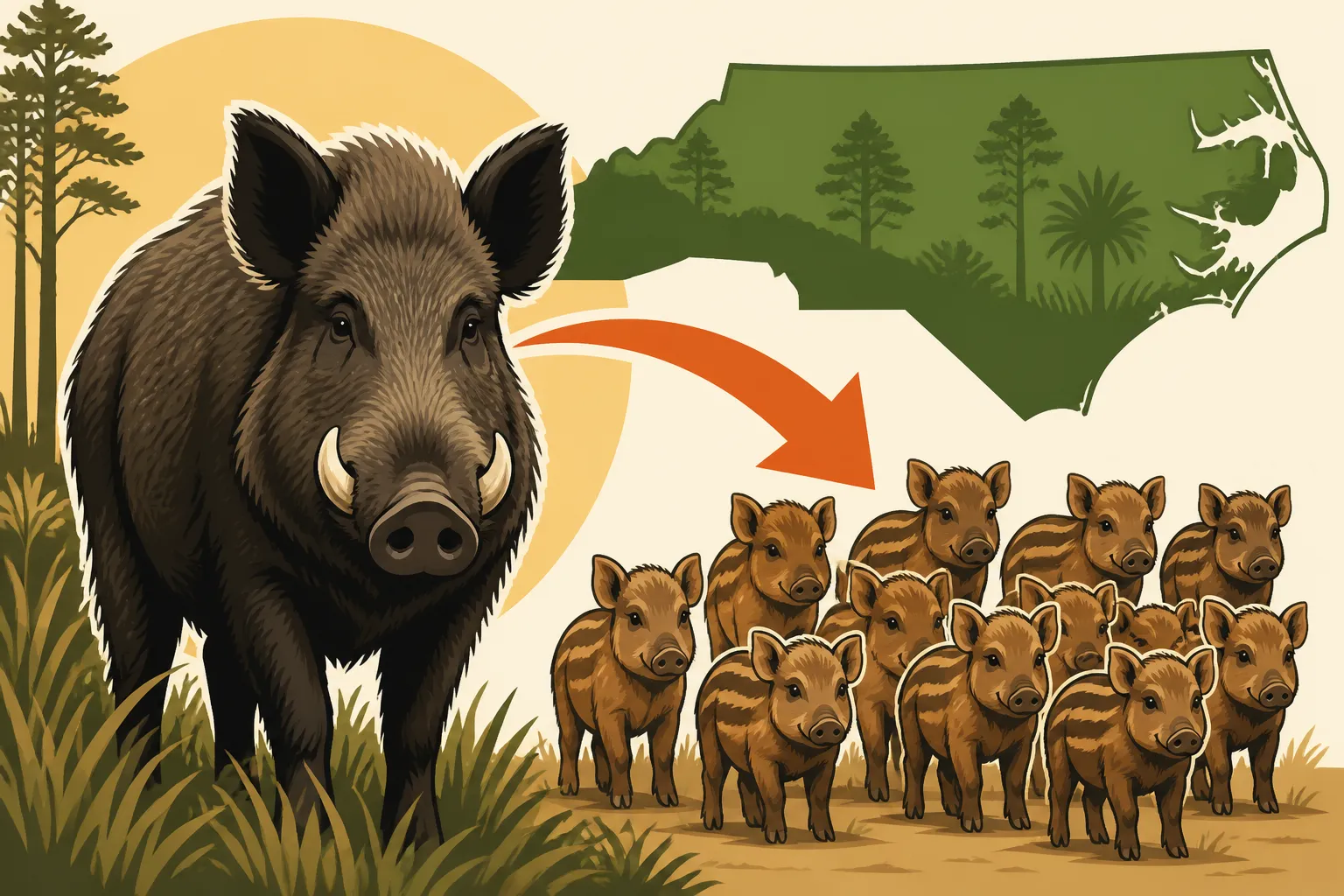
Why Coastal Plain Hogs Reproduce So Fast
If you've spent any time hunting in North Carolina's Coastal Plain, you've likely seen firsthand the incredible numbers of feral hogs. It feels like every year there are more, and you can't help but wonder how they multiply so quickly, seemingly defying all efforts to control them. This guide will dive deep into the biological and environmental factors that explain why feral hogs in our Coastal Plain are such prolific breeders, and what that means for hunters, landowners, and the native ecosystem alike.
The Biological Edge: Why Hogs Are Reproductive Powerhouses
Feral hogs aren't just multiplying; they're exploding in numbers, and it all starts with their inherent biology. These animals are essentially finely tuned reproduction machines, far outstripping many native wildlife species in their ability to churn out offspring. It's a frustrating reality for anyone trying to get their numbers under control, as it often feels like you're fighting an uphill battle against an invisible, endlessly regenerating force. Understanding these biological advantages is the first step toward appreciating the scale of the challenge.
Early Sexual Maturity and Frequent Litters
One of the most significant factors in the rapid reproduction of Coastal Plain hogs is their incredibly early sexual maturity. Unlike deer or black bears that take a couple of years to reach breeding age, female feral hogs, known as sows, can become sexually mature and breed as young as 6 to 8 months old. This means a hog born in spring can potentially be having her own litter before her first birthday. This short turnaround time from birth to breeding means the population isn't just growing additively; it's growing exponentially. It compresses the generational timeline, rapidly increasing the overall number of breeding individuals in a given area and quickly compounding the problem.
This early onset of reproduction creates a continuous cycle of new animals entering the breeding pool. Imagine the potential for population growth when offspring can contribute to the next generation so quickly. It's a biological strategy designed for rapid expansion, making eradication or even significant population reduction a monumental task. The longer these young hogs are allowed to survive and breed, the more entrenched the problem becomes within the ecosystem.
Large Litter Sizes and High Survival Rates
It's not just when they breed, but how many they produce. Sows typically have litters averaging 4 to 8 piglets, though litters of 10 or even 12 are not uncommon, especially in prime habitat with ample food resources. Combine that with a remarkably high survival rate for those piglets – often due to their protective mothers and the plentiful dense cover available – and you have a recipe for truly explosive population growth. In areas with fewer predators and consistent food, many more piglets make it to adulthood than, say, a deer fawn facing coyote pressure or a turkey poult vulnerable to every hawk and snake.
The sheer volume of new individuals hitting the ground each year can quickly overwhelm management efforts. Even if hunters remove a good number of hogs, a few surviving sounders can quickly replace those losses, sometimes within a single breeding cycle. This high fecundity means that any control strategy must be incredibly aggressive and sustained to have a lasting impact on the overall population. Without sufficient removal rates, the population just bounces back, frustrating the efforts of even the most dedicated hunters.
Year-Round Breeding Cycles
Another critical aspect of the hog's reproductive strategy is their ability to breed year-round. While there might be peaks in farrowing (piglet birth) related to food availability or mild weather conditions, sows aren't restricted to a specific breeding season like many native species. If conditions are favorable, a sow can potentially have two litters in a single year, sometimes even three under exceptional circumstances, particularly in the warmth and abundance of the Coastal Plain. Imagine one sow having 8 piglets, and then another 6 months later. That's a devastating rate of increase, making it incredibly difficult to keep populations in check. This constant cycle means hunters never truly get a "break" from new pigs entering the ecosystem, further complicating any long-term population control goals. How Many Feral Hogs North Carolina Has illustrates the profound impact of this relentless breeding.
This continuous breeding also means there are always piglets of varying ages present in the population, which adds another layer of complexity to hunting and trapping strategies. You're never just dealing with a single age class. The year-round nature of reproduction ensures a continuous supply of new recruits, making any localized efforts to reduce numbers feel like trying to empty a bathtub with the faucet still running.
Prime Habitat: How North Carolina's Coastal Plain Fuels Reproduction
North Carolina's Coastal Plain isn't just a place where hogs exist; it's a veritable paradise that actively promotes their breeding success. The unique landscape offers everything a prolific breeder could ask for: endless food, dense, impenetrable cover, and a climate that's remarkably forgiving. This natural bounty means sows are almost always in peak physical condition, which directly translates to healthier litters, more frequent breeding, and a higher survival rate for their young. The region's characteristics create a perfect storm for hog proliferation.
Abundant Food Sources
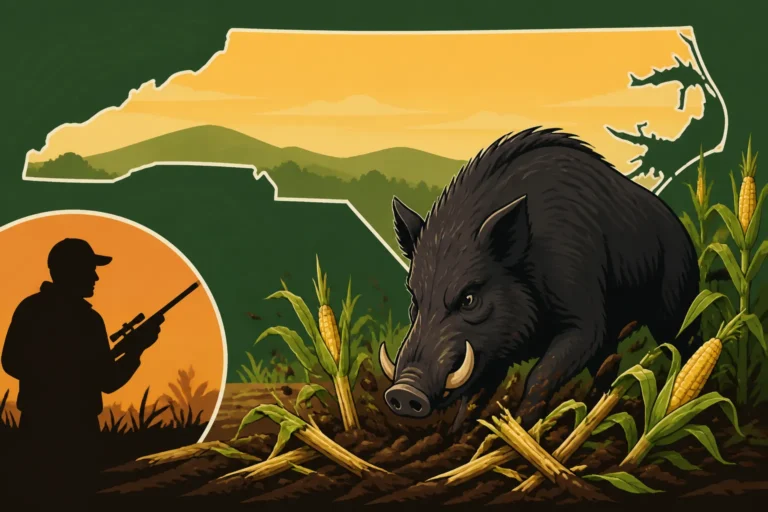
The Coastal Plain is a mosaic of fertile agricultural fields, vast tracts of managed timber, and rich wetlands, all providing a year-round smorgasbord for feral hogs. Think about it: fields of corn, soybeans, peanuts, and sweet potatoes offer a high-energy buffet for much of the year, particularly during planting and harvest seasons. Beyond cultivated crops, the pine forests and bottomland hardwoods are packed with natural forage like acorns, roots, tubers, fungi, and a seemingly endless supply of invertebrates. This consistent and varied diet ensures that sows have the nutritional resources needed to support multiple pregnancies, lactate for large litters, and quickly recover for their next breeding cycle.
When food is plentiful, their bodies are primed to reproduce efficiently and effectively. Unlike species in less fertile areas that might face nutritional stress, Coastal Plain hogs rarely experience significant food shortages, allowing them to maintain peak reproductive performance. The availability of high-calorie food sources is a direct driver of their accelerated breeding cycles and larger litter sizes. Crop Damage Hogs Cause in North Carolina vividly highlights the sheer abundance of food resources these animals exploit.
Shelter and Seclusion
With its expansive pocosin swamps, dense pine plantations, and tangled thickets of briars and undergrowth, the Coastal Plain provides unparalleled shelter and seclusion for hogs. These areas offer perfect farrowing sites where sows can safely birth their litters away from disturbance, minimizing stress and predation risk. The dense vegetation also makes it incredibly hard for hunters or natural predators to locate them, especially during the critical weeks when piglets are most vulnerable. This ability to disappear into the landscape allows entire sounders (groups of hogs) to grow unchecked, making any effective hunting or trapping strategy a real challenge. Just imagine trying to track through a deep, mucky pocosin – it's practically impenetrable for us, but home sweet home for a hog. When you're out scouting, perhaps using a tool like GoHunt to mark potential travel corridors or feeding areas, the sheer amount of hog sign can be disheartening, hinting at the reproductive pressure at play. Hunting Coastal Plain Pocosin Swamps can give you an idea of the challenging terrain these hogs call home.
These secure hideaways allow hogs to rest and raise their young without constant pressure. The lack of disturbance is a key factor in higher piglet survival rates, as stressed sows are less effective at nursing and protecting their litters. The impenetrable nature of some of these habitats means large pockets of hogs can exist, breed, and multiply with minimal human interaction, contributing significantly to their booming numbers.
Mild Climate Advantage
Unlike the harsh winters of more northern states or even our own North Carolina mountains, the Coastal Plain enjoys a relatively mild climate. Freezing temperatures are less common and less severe, and significant snow cover is a rarity. This mild weather reduces the physiological stress on pregnant sows and young piglets, allowing them to conserve energy that might otherwise be spent battling extreme cold. It also extends the growing season for natural forage and minimizes the chances of entire litters succumbing to extreme weather events.
A milder climate means year-round comfort and year-round breeding, without the natural population setbacks that colder regions might experience. In areas with severe winters, many young animals might perish, and breeding seasons might be shorter or less productive. For Coastal Plain hogs, however, the temperate conditions provide an almost continuous window for optimal reproduction and growth, further accelerating their population explosion.
Lack of Natural Checks: Why Hogs Flourish Unchallenged
While feral hogs possess incredible biological advantages and live in ideal habitat, a significant part of their unchecked growth in the Coastal Plain comes from the relative absence of natural forces that would typically keep a species in balance. Without consistent and effective predation or severe environmental pressures, these populations face few obstacles to their expansion, allowing their numbers to reach astounding levels.
Limited Natural Predation
In many healthy ecosystems, apex predators play a crucial role in controlling prey populations, especially the young and weak. While North Carolina certainly has predators like coyotes and black bears, their impact on established feral hog populations, especially in the Coastal Plain, is often limited. Adult hogs are tough, aggressive, and well-equipped to defend themselves and their young against most natural predators. A sow will fiercely protect her piglets, often forming defensive circles with other sows, making them a less appealing and more dangerous meal for even a hungry coyote. While coyotes might take an occasional vulnerable piglet, they are rarely a significant population control factor for hogs, particularly compared to their impact on deer fawns or turkey poults.
The sheer numbers of pigs also mean that individual predation events don't make a dent in the overall population growth. Even if a few piglets are lost, the vast majority survive, and the reproductive capacity of the remaining sows quickly replaces any losses. This lack of effective natural checks allows hog populations to grow exponentially without the ecological brake that predators typically provide for native species. Coyotes and Predators in North Carolina touches on some of these predator-prey dynamics, but hogs present a unique challenge.
Adaptive Behavior and Intelligence
Feral hogs are incredibly intelligent and highly adaptable creatures. They learn quickly from their experiences, becoming wary of hunting pressure and adjusting their behavior to avoid threats. If you pressure a sounder in one area, they'll simply move to another, often deeper into the vastness of a game land or a dense private timber tract where they can remain undisturbed. This adaptability includes switching their feeding patterns to strictly nocturnal activity if daytime hunting pressure becomes too intense, making them even harder to target.
They can quickly figure out bait setups and avoid traps if not implemented correctly or consistently. Their collective intelligence and ability to adapt make them a challenging adversary for hunters and wildlife managers alike, allowing them to navigate human attempts at control and continue their relentless reproduction. This behavioral plasticity means that a one-size-fits-all approach to hog control is often ineffective, as the hogs quickly learn to circumvent predictable human tactics, ensuring their continued survival and breeding success.
Management Challenges: The Human Factor in Hog Proliferation
While nature provides feral hogs with incredible biological advantages and ideal habitat, human actions and inactions also contribute significantly to the rapid reproduction and relentless spread of these animals in North Carolina's Coastal Plain. From historical releases to ongoing management difficulties, the human element is a critical piece of this complex and deeply frustrating puzzle. Addressing the human role is essential for any hope of effective long-term control.
Difficulty in Eradication Efforts
The simple truth is, truly eradicating feral hogs from large, wild areas is incredibly difficult, if not impossible, once they are established. The sheer numbers, combined with their reproductive capabilities, intelligence, and the dense, inaccessible habitat of the Coastal Plain, make comprehensive removal an enormous undertaking. Techniques like trapping, snaring, and focused hunting efforts can reduce local populations, but they require consistent, year-round effort and significant resources. One of the biggest challenges is that for population reduction to be effective, wildlife biologists estimate that 70% or more of the population needs to be removed annually just to keep numbers from growing, let alone actually reducing them. That's a staggering figure, especially when individual sows are churning out 8-12 piglets a few times a year.
Achieving such high removal rates consistently across vast and varied landscapes is a logistical nightmare. Even if a particular area is cleared, re-invasion from adjacent populations is always a threat. This constant influx of new hogs from surrounding unmanaged areas undermines even the most dedicated local efforts. The commitment required in terms of manpower, equipment, and sustained effort often exceeds what individual landowners or even state agencies can realistically provide, leading to a perpetuation of the problem. Trapping North Carolina Feral Hogs delves into some of the complexities involved.
Human-Assisted Spread
Sadly, not all feral hogs arrived in North Carolina naturally. Historically, and sometimes even currently, there have been instances of intentional releases of hogs for hunting purposes, often referred to as "hog dropping" or stocking. While illegal and highly detrimental to native ecosystems, these releases have unfortunately contributed significantly to the establishment and rapid spread of populations in new areas where they previously didn't exist. These actions directly introduce breeding populations into virgin territory, kickstarting the cycle of rapid reproduction and ecological damage.
Beyond intentional acts, the accidental escape of domestic pigs from farms, which then revert to a feral state and breed with existing wild populations, also contributes to the problem. The genetic mixing from these escapees can sometimes even introduce traits that enhance their survival and reproductive vigor. The complex interplay of truly wild populations, escapees, and intentional releases makes it a multi-faceted problem that, at its root, started and continues with human influence. North Carolina Feral Swine Genetics and Origin delves into the origins and genetics of these problematic animals.
Regulatory Framework and Hunter Participation
North Carolina's approach to feral hogs, while aiming to control them, also acknowledges the difficulty of the task. They are classified as a nuisance animal, meaning there's generally no closed season or bag limit on private lands, and often very liberal rules on public lands too. North Carolina's Year-Round Hog Rule on Private Land outlines this framework. While this encourages hunting and trapping, it also means that without a coordinated, widespread, and sustained effort, individual hunters, even dedicated ones, can struggle to make a significant dent in the overall population. Hunting alone, while fun and helpful, is rarely enough to reduce an established population on its own; it often only removes a percentage of the annual increase.
Effective control often requires a combination of trapping, night hunting with lights (where permitted), and strategic removal, often over large areas and for extended periods. This level of coordinated effort is challenging to maintain across a diverse landscape of private and public lands. While hunters contribute significantly to hog removal, the sheer reproductive capacity of these animals means that recreational hunting, in most cases, serves more as population mitigation rather than true eradication, especially in the Coastal Plain's ideal conditions. Night Hunting Hogs With Lights on Private Land provides insight into one effective but often restricted method.
| Factor | Impact on Feral Hog Reproduction |
|---|---|
| Sexual Maturity | Sows can breed as early as 6-8 months old |
| Litter Size | Average 4-8 piglets, but can reach 12+ per litter |
| Breeding Frequency | Capable of 2-3 litters per year in ideal conditions |
| Breeding Season | Breeds year-round, no seasonal restriction |
| Food Availability | Abundant crops & diverse natural forage |
| Shelter/Cover | Dense swamps, thickets, & pine plantations |
| Climate | Mild Coastal Plain weather reduces stress |
| Natural Predation | Limited impact on established hog populations |
| Adaptability/Intelligence | Quickly learn to evade hunting pressure and traps |
Disclaimer
This article is for general informational purposes only and does not constitute professional advice. Laws, prices and regulations vary by location and change over time. Consult a qualified professional for guidance on your specific situation.