Crop Damage Hogs Cause in North Carolina
If you're a farmer, a landowner, or even just someone who enjoys a quiet walk through the woods here in North Carolina, you've likely seen the tell-tale signs of feral hog damage. Those tell-tale rooted-up fields, destroyed timber stands, and the sheer frustration of seeing your hard work literally turned upside down are a major problem. This guide dives deep into the devastating impact these invasive animals have on our state's agriculture and ecology, and what we can do to fight back.
Understanding the Devastation Feral Hogs Inflict on North Carolina Agriculture
Feral hogs are not just a nuisance; they're an ecological and agricultural catastrophe for North Carolina. Their destructive habits and rapid reproduction rates mean that the damage they cause isn't just cosmetic; it's a deep wound to our state's economy and natural resources. Many folks underestimate the sheer scale of the problem until they've personally seen a field after a sounder of hogs has moved through.
The Silent Spreaders: How Hogs Became a Major Problem
For a long time, many parts of North Carolina weren't heavily impacted by feral hogs. While some populations have existed for centuries, particularly in the coastal plain, their recent explosion across the state is a relatively modern phenomenon. These aren't native animals, and their spread has been fueled by a combination of factors, including accidental releases, intentional stocking for hunting purposes (which is illegal and highly discouraged), and their incredible adaptability. They thrive in diverse habitats, from the thick pocosins of the coast to the agricultural fields of the Piedmont and even the fringes of our mountain forests. Their ability to move quickly and establish new territories makes them incredibly difficult to contain, leading to their pervasive presence. For a deeper dive into their expansion, check out our guide on how wild hogs spread across North Carolina.
One of the biggest factors in their proliferation is their biological capacity. A sow can become reproductively active as young as six months old and can have two litters a year, sometimes even more if conditions are right. Each litter averages four to twelve piglets. Think about that for a second: a single sow, given enough time, can be responsible for dozens of new hogs in a year. This explosive reproductive rate means that even if you remove a significant number of hogs, the population can rebound incredibly quickly, making sustained control a constant uphill battle. This is why when folks ask how many feral hogs North Carolina has, the answer is usually "too many, and growing."
Visible Scars: Types of Crop Damage
When it comes to agricultural damage, feral hogs are indiscriminate bulldozers. They don't just nibble; they root, trample, and consume vast quantities of crops, leaving behind a wake of destruction that can decimate a farmer's yield and livelihood. The visible scars they leave are unmistakable and heartbreaking for anyone who has invested time, money, and sweat into planting a field.
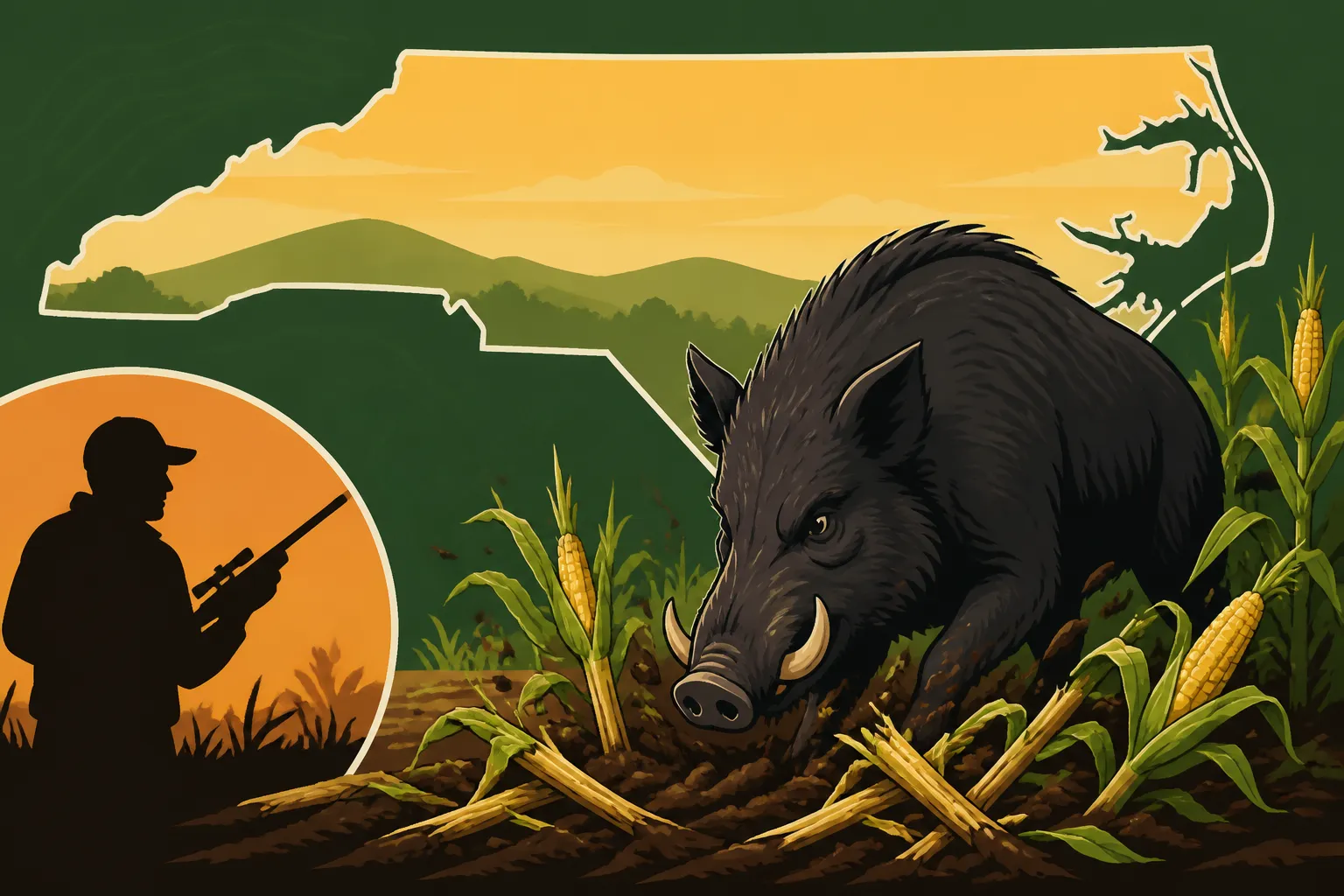
Consider a freshly planted cornfield in Sampson County. Hogs will literally root up the young seedlings, following the rows and digging for the tender roots and emerging kernels. This isn't just a few plants; it can be acres upon acres of newly emerged crop destroyed before it even has a chance to establish. Later in the season, when the corn is mature, they'll feast on the ears, breaking stalks and trampling what they don't eat, leaving behind only husks and broken plants. Soybeans are another favorite, often rooted up or flattened, especially as the beans begin to fill out. The hogs don't just eat the beans; they make a mess of the entire plant, often rendering the remaining crop unharvestable even if parts are left.
Even crops not typically thought of as "hog food" are vulnerable. Sweet potato fields in the eastern part of the state can be completely torn apart, with hogs digging up the valuable tubers. Peanuts, another underground crop, are likewise targeted. Beyond direct consumption, their sheer weight and numbers can flatten fields, making mechanical harvesting impossible. It's not uncommon for a farmer to lose a significant percentage, sometimes even 50% or more, of a particular crop to hog damage in a single season. This direct financial hit is often the most immediate and painful consequence for our local agricultural community.
Financial Blow: Calculating the Economic Impact
The economic impact of feral hogs on North Carolina agriculture is staggering, even if the exact figures are hard to pin down with precision. The damage isn't just limited to the value of the lost crops; it extends to the cost of replanting, repairing equipment damaged by rooted ground, and the resources spent on mitigation efforts. Farmers are already operating on thin margins, and this added burden can push many to the brink.
Imagine a farmer in Pitt County who has invested in seeds, fertilizer, fuel, and labor for a hundred-acre cornfield, expecting a certain yield. If feral hogs destroy 20% of that field, that's not just 20% of his potential profit; it's 20% of his investment that's now a total loss, plus the potential for penalties from buyers for not meeting quotas. These losses can translate into hundreds of thousands of dollars for larger operations. Additionally, the constant need to monitor for hogs, build fences, set traps, and engage in hunting efforts represents a significant expenditure of time and money that could otherwise be spent on productive farming activities.
Beyond individual farm losses, the ripple effect extends to local economies. Less crop yield means less money circulating in the community, impacting equipment suppliers, seed retailers, and other agricultural support services. The stress on farmers is immense, as they watch their hard work literally disappear overnight, often with little recourse for compensation. The cumulative crop damage costs from North Carolina hogs are a significant drain on our rural economies, underscoring the urgent need for effective management strategies statewide.
Beyond Crops: Broader Ecological and Agricultural Consequences
While crop damage is often the most visible and immediate concern for farmers, the destructive reach of feral hogs extends far beyond cultivated fields. These animals are environmental engineers of chaos, disrupting natural ecosystems, spreading diseases, and even damaging critical infrastructure across North Carolina. The scale of their impact is truly comprehensive, affecting everything from delicate wetlands to our state's water quality.
Habitat Destruction and Soil Erosion
Feral hogs are notorious for their rooting behavior, turning over soil in search of tubers, insects, and roots. While this might seem benign at first glance, on a large scale, it leads to significant habitat destruction and exacerbates soil erosion. Imagine a mature forest floor in the Uwharrie National Forest. The intricate network of roots, fungi, and leaf litter that supports countless native species is utterly torn apart by hogs. This isn't just unsightly; it destroys the habitat for ground-nesting birds, small mammals, and native plant communities that have evolved over centuries.
The rooting also churns up the soil, exposing it to wind and rain. On slopes or along streambanks, this leads directly to increased soil erosion. When heavy rains come, that loosened soil washes directly into streams and rivers, leading to sedimentation. This siltation can choke out aquatic life, destroy spawning beds for fish, and reduce the water quality downstream. This ecological damage is often harder to quantify than crop loss but has long-term implications for biodiversity and the health of North Carolina's natural landscapes. Think of the critical longleaf pine savanna environments in the Sandhills region; hog rooting actively prevents the regeneration of native plant species crucial to that ecosystem.
Disease Vectors and Livestock Concerns
Feral hogs are mobile disease factories, capable of carrying and transmitting a host of pathogens that can impact both wildlife and domestic livestock. This aspect of their destructive nature is particularly insidious because the risks are often invisible until an outbreak occurs, potentially devastating commercial farming operations. The most concerning of these diseases is Brucellosis, which can cause abortions in livestock and serious illness in humans. Pseudorabies is another threat, often fatal to dogs and livestock, though it rarely affects humans.
For North Carolina's cattle and hog producers, the presence of feral swine represents a constant biosecurity threat. Direct contact between feral hogs and domestic animals, or even indirect contact through shared water sources or contaminated feed, can introduce these diseases into healthy herds. An outbreak could lead to significant financial losses for farmers through animal sickness, death, and potential restrictions on movement or sale of livestock. Beyond livestock, feral hogs can also transmit diseases to other wildlife species, disrupting natural population dynamics and potentially impacting hunting opportunities for native game. The fear of disease transmission is a constant stressor for farmers, who already work diligently to maintain healthy herds.
Water Quality and Infrastructure Damage
The impact of feral hogs extends into our waterways and can even damage agricultural infrastructure. As these animals frequent swamps, creeks, and rivers for wallowing and foraging, they contribute significantly to water pollution. Their feces contain high levels of bacteria, including E. coli, which can contaminate surface water sources used for drinking, recreation, and irrigation. This is particularly concerning in the eastern Coastal Plain, where hogs are prevalent in low-lying, wet areas, and runoff directly impacts sensitive estuaries and shellfish beds.
Furthermore, the physical damage they inflict on infrastructure is costly to repair. Hogs will root around culverts, destabilize fences, and even damage irrigation systems, creating breaches and undermining structures. A sounder rooting along the edge of a pond used for irrigation can compromise the bank, leading to erosion and potential collapse. Their constant movement through fences can create pathways for other unwanted animals or allow livestock to escape. Farmers and landowners spend countless hours and resources repairing fences, dikes, and drainage systems that have been compromised by hog activity, adding another layer of expense and frustration to an already challenging situation.
Legal Avenues and Regulations for Managing Feral Hogs
Dealing with feral hogs requires more than just knowing their destructive habits; it demands an understanding of North Carolina's specific laws and regulations regarding their management. The state has recognized the severity of the problem and implemented rules designed to give landowners and hunters the tools they need to combat these pervasive pests. However, it's crucial to know the rules to ensure legal and effective control.
North Carolina's Liberal Hog Hunting Laws
North Carolina takes a very aggressive stance against feral hogs, recognizing them as a non-native, destructive species. Unlike many game animals, there is generally no closed season, no bag limit, and no size limit for feral hogs on private land. This is a crucial distinction that provides landowners and hunters with significant flexibility in their control efforts. If you're encountering crop damage on your property, this liberal approach means you don't have to wait for a specific "hog season" to take action. This year-round hog rule on private land is a powerful tool in the fight.
This flexibility extends to hunting methods as well. While specific rules apply on Game Lands, on private property, hunters often have a wider array of options. For instance, night hunting hogs with lights on private land is permitted, which can be incredibly effective since hogs are often most active after dark, especially in areas with high human pressure. This allows for targeted efforts when hogs are most vulnerable. However, it's always wise to double-check the latest regulations from the North Carolina Wildlife Resources Commission (NCWRC) or consult their app, as specific local ordinances or changes to statewide rules can occur. The primary goal of these liberal laws is clear: reduce the feral hog population by any legal means necessary to protect agriculture and native wildlife.
The Importance of Landowner Permission and Collaboration
While North Carolina's laws are liberal regarding hog control, hunting or trapping on someone else's property always requires explicit permission. This isn't just good etiquette; it's the law. Trespassing is a serious offense, and even if you're trying to help a neighbor by removing hogs, you must have their permission first. This is where community collaboration becomes incredibly important.
For farmers experiencing severe crop damage, reaching out to local hunters or trappers can be an invaluable strategy. Many experienced hunters are eager to help control hog populations, especially when given consistent access. Landowners might consider formalizing these arrangements, perhaps with a written agreement, to ensure clear expectations for both parties regarding access, safety, and methods. Platforms like GoHunt, while primarily focused on drawing permits for Western states, conceptually highlight the value of understanding land access. When applied locally, this means using tools like the NC Wildlife app to identify adjacent landownership if you’re looking to coordinate a larger control effort across property lines. Effective hog management often requires a coordinated effort across multiple properties, as hogs don't respect fence lines. Therefore, fostering good relationships with neighboring landowners and hunters is paramount.
Specific Regulations for Control Methods
While hunting hogs on private land is largely unrestricted, certain methods and contexts still have specific rules. For example, while night hunting is allowed on private land, using certain types of night vision or thermal optics might have specific caveats, so always verify current regulations. On public Game Lands, the rules are much stricter, often aligning with general deer hunting regulations regarding weapons, seasons, and reporting. You can't just go out any time with any weapon on Game Lands; you must adhere to the specific rules for that particular Game Land and season.
Trapping North Carolina feral hogs is another highly effective method, especially for capturing entire sounders. There are no state restrictions on trap type or size on private land, but common sense and ethical considerations apply. Traps should be checked regularly, and harvested animals should be dispatched humanely. When it comes to carcass disposal, especially in areas near North Carolina's Chronic Wasting Disease Areas, hunters should be mindful of North Carolina carcass movement restrictions. While CWD isn't yet a major concern for hogs, understanding these rules for deer can inform responsible practices for all wild game and prevent the potential spread of other diseases. Always remember that even with liberal rules, ethical hunting and adherence to safety guidelines are essential.
Effective Strategies for Mitigation and Control
Fighting back against feral hogs isn't a one-and-done solution; it's an ongoing commitment that requires a multi-faceted approach. No single method will eradicate them entirely, but by combining consistent pressure from various tactics, landowners and wildlife managers can significantly reduce their impact and protect valuable agricultural resources.
The Role of Consistent Hunting Pressure
Hunting is undeniably one of the most accessible and immediate ways to reduce feral hog numbers. But it's not enough to simply shoot a hog or two occasionally. Effective hunting pressure means consistent, year-round effort, targeting sounders rather than just individual hogs. This often involves tactics that differ from traditional deer hunting, as hogs are intelligent and quickly adapt to pressure.
One of the most effective ways to exert consistent hunting pressure is through strategic stand placement and ambushing. Hogs often follow predictable travel routes between bedding areas, water sources, and feeding grounds. Identifying these pathways – often visible as rooted-up trails or worn paths – and setting up an ambush point can be highly successful. Many hunters find that hunting over food plots, if permitted, or natural food sources that hogs are targeting can also be productive. Utilizing technologies like trail cameras can help scout hog movement patterns and determine their active times. Remember, hogs often go nocturnal under pressure, so adapting your hunting schedule to target them during legal low-light hours or with night hunting equipment (where permissible) can significantly increase success. This constant disturbance and removal are critical to keeping populations in check.
Advanced Trapping Techniques
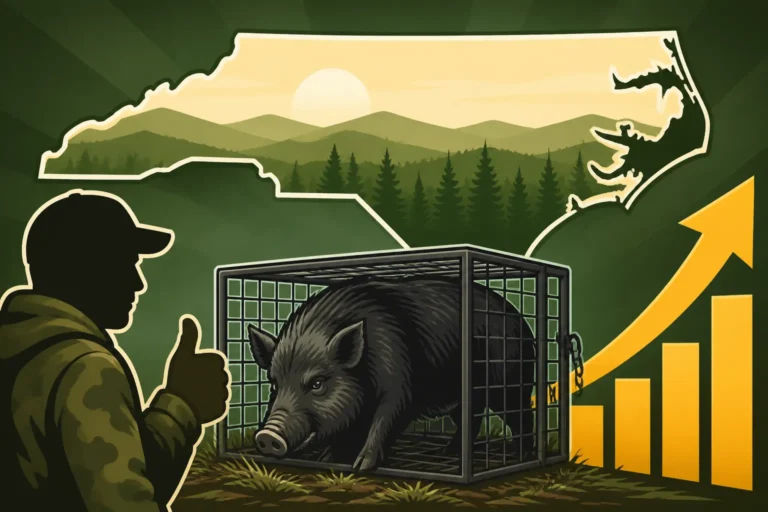
For sheer numbers, trapping often surpasses hunting as the most effective method for feral hog removal, especially when dealing with large sounders. Modern hog traps are a far cry from simple box traps; they are sophisticated systems designed to capture multiple animals at once. Large panel traps with "rooter" gates or drop gates are popular, allowing hogs to enter freely to feed over several nights, then capturing the entire sounder when the trap is sprung.
The key to successful trapping is pre-baiting. This involves conditioning hogs to regularly visit a baited site within the trap's footprint for several nights before setting the trigger. Corn, often fermented, is a common and effective bait. Consistency is crucial; the hogs need to feel safe and accustomed to feeding in that specific spot. Once they are regularly entering the trap, the trigger can be set, either manually or remotely via cellular technology. Remote triggers, often linked to cameras that send real-time photos to a phone, allow trappers to wait until an entire sounder is inside before dropping the gate. This maximizes efficiency and ensures that as many hogs as possible are removed from the property at once, significantly impacting the local population. Remember, for the most up-to-date and best practices on trapping, specialized organizations like the National Wild Pig Task Force offer excellent resources.
Integrated Management Approaches
The most successful feral hog mitigation efforts employ an integrated management approach, combining multiple strategies to hit the population from various angles. This holistic view recognizes that no single silver bullet exists and that adaptability is key. An integrated plan might involve year-round hunting, extensive trapping, and potentially even aerial removal in large, remote areas where it's legal and feasible.
Consider a large farming operation in Duplin County that struggles with recurrent hog damage. Their integrated approach might look something like this: They identify key ingress points onto the property and fortify fences where possible. They work with a team of trusted hunters for consistent pressure throughout the year, especially during planting and harvest seasons. Simultaneously, they maintain several large, remote-triggered traps, pre-baiting and operating them strategically to remove entire sounders. Furthermore, they might utilize infrared cameras to monitor activity and adjust their tactics. They also track their removals, using tools like the GoHunt app's mapping features (or similar local mapping apps) to mark harvest locations and identify high-traffic hog areas, allowing them to refine their strategies over time. This layered approach creates sustained pressure that prevents hog populations from getting out of control and protects agricultural investments more effectively.
| Method | Pros | Cons | Best Use Cases |
|---|---|---|---|
| Hunting | Accessible, immediate impact | Can make hogs nocturnal, less effective for sounders | Consistent pressure, targeted removal of wary hogs |
| Trapping | Removes entire sounders, highly efficient | Requires consistent monitoring, initial investment | Large properties, high hog density, capturing entire groups |
| Snaring | Cost-effective, discreet | Potential for non-target catches, legal restrictions | Specific travel corridors, experienced users, where legal |
| Aerial Control | Rapid removal over large areas, precise | Very expensive, specialized equipment, legal restrictions | Large, remote, open areas with high populations |
| Fencing | Prevents access to specific areas | Very expensive, high maintenance, not always feasible | Protecting small, high-value crops or facilities |
Looking Ahead: The Future of Hog Management in North Carolina
The battle against feral hogs is an ongoing saga, and it's one that North Carolina farmers and wildlife managers will likely be fighting for the foreseeable future. While complete eradication seems like an insurmountable task, continuous innovation, community involvement, and sustained support for those on the front lines are crucial to mitigating their devastating impact.
The Ongoing Battle: Why Eradication Is Unlikely
Let's be realistic: given their intelligence, adaptability, and incredible reproductive capacity, completely eradicating feral hogs from North Carolina is an incredibly difficult, if not impossible, goal. They are masters of survival, quickly learning to avoid human pressure and thriving in diverse environments. Their widespread distribution, from the mountains to the coast, means there's no single geographic bottleneck where they can be effectively contained.
The sheer numbers are overwhelming. Even with the best control efforts, if 70-80% of a population isn't removed annually, the numbers can still increase due to their rapid breeding cycle. This means the fight is less about "winning" and more about sustained "management" – keeping populations at tolerable levels to minimize damage. The focus must be on reducing densities in critical agricultural areas and preventing further spread into uninfested regions. This often means continuous efforts, not just seasonal pushes, and a long-term commitment from landowners, hunters, and state agencies. Understanding why coastal plain hogs reproduce so fast emphasizes the challenge.
Technology and Community Involvement
Looking forward, technology will undoubtedly play an increasing role in the fight against feral hogs. Remote-sensing cameras, GPS tracking, and cellular-triggered traps are already making control efforts more efficient. Further advancements in drone technology for scouting and even targeted removal (where legal and safe) could offer new avenues. Mapping software, like that available through GoHunt (or local equivalents), will continue to be invaluable for tracking hog movements, identifying damage hot spots, and coordinating efforts across properties. This spatial data helps identify Which North Carolina Counties Have the Most Hogs and where resources should be concentrated.
However, technology alone isn't enough. Community involvement is paramount. This includes fostering open communication between landowners, hunters, and local agricultural extension offices. Educational campaigns can raise awareness about the risks of illegal hog releases and promote responsible hunting and trapping practices. Encouraging landowners to permit hunting and trapping, and fostering a network of responsible hunters willing to help, forms the backbone of effective control. The more eyes and boots on the ground, the better our chances of managing this pervasive threat.
Support for Landowners and Farmers
Ultimately, sustained support for the landowners and farmers bearing the brunt of feral hog damage is critical. This could come in the form of financial assistance for fencing or trapping equipment, cost-share programs for control efforts, or expanded technical guidance from state agencies like the NCWRC or agricultural extension services. Programs that facilitate partnerships between farmers and experienced hog trappers or hunters could also be invaluable.
The frustration of seeing one's livelihood destroyed by these animals is immense, and recognizing that burden is key. Providing resources, knowledge, and avenues for assistance empowers those most affected to take effective action. The NCWRC has already taken significant steps by implementing flexible hunting regulations, including North Carolina's Year-Round Hog Rule on Private Land and allowing tools like night hunting with lights. Continued innovation in these support structures, combined with a collective commitment from all stakeholders, will be essential to mitigating the destructive power of feral hogs and protecting North Carolina's agricultural heritage and natural ecosystems for future generations.
Disclaimer
The information provided in this guide is for general informational purposes only and does not constitute legal advice. Hunting regulations, seasons, and licensing requirements in North Carolina are subject to change. Always consult the latest North Carolina Wildlife Resources Commission (NCWRC) regulations and local ordinances before engaging in any hunting or trapping activities. Safety should always be your top priority.