Hunting the August 22 Special Season Weekend
August 22 might seem like an unusual date to kick off deer hunting season in North Carolina, especially when the main archery opener is still weeks away for most. But for hunters in specific parts of the state, this weekend represents a unique opportunity—and a critical responsibility. This guide will walk you through everything you need to know about hunting the August 22 special season weekend, a targeted effort born from the necessity of managing Chronic Wasting Disease (CWD).
Understanding the Special August 22 Season Weekend
The concept of an August deer season might sound like something out of a dream for eager hunters, but this isn't your typical early opener. The August 22 special season weekend is a highly specific, localized hunting opportunity introduced by the North Carolina Wildlife Resources Commission (NCWRC) as a direct response to the detection of Chronic Wasting Disease (CWD) in the state. It’s designed not just to offer an additional hunting period but, more importantly, to aid in surveillance and management efforts for this serious neurological disease affecting deer.
The Purpose Behind the Early Opener
The primary goal of the August 22 season is to increase the harvest of antlered deer within designated CWD Management Areas (CWDMAs). Why antlered deer? Because adult bucks are often the most mobile deer in a population, covering larger ranges and potentially spreading CWD over wider areas. By increasing the harvest pressure on these individuals, the NCWRC aims to gather more samples for CWD testing, allowing biologists to better understand the disease's prevalence and geographical spread. It’s a proactive step to get ahead of a problem that has plagued deer herds in other states for decades. Hunters participating in this season aren't just pursuing game; they're actively contributing to wildlife conservation and public health. Every deer harvested and tested provides invaluable data to the state's wildlife managers.
Imagine the biologists trying to track a silent, invisible threat spreading through the woods. This early season is like giving them an extra set of eyes and hands, leveraging the passion and skill of the hunting community to collect vital information. It helps determine not just if CWD is present, but how much and where it is, which then informs future management strategies.
Where This Special Season Applies
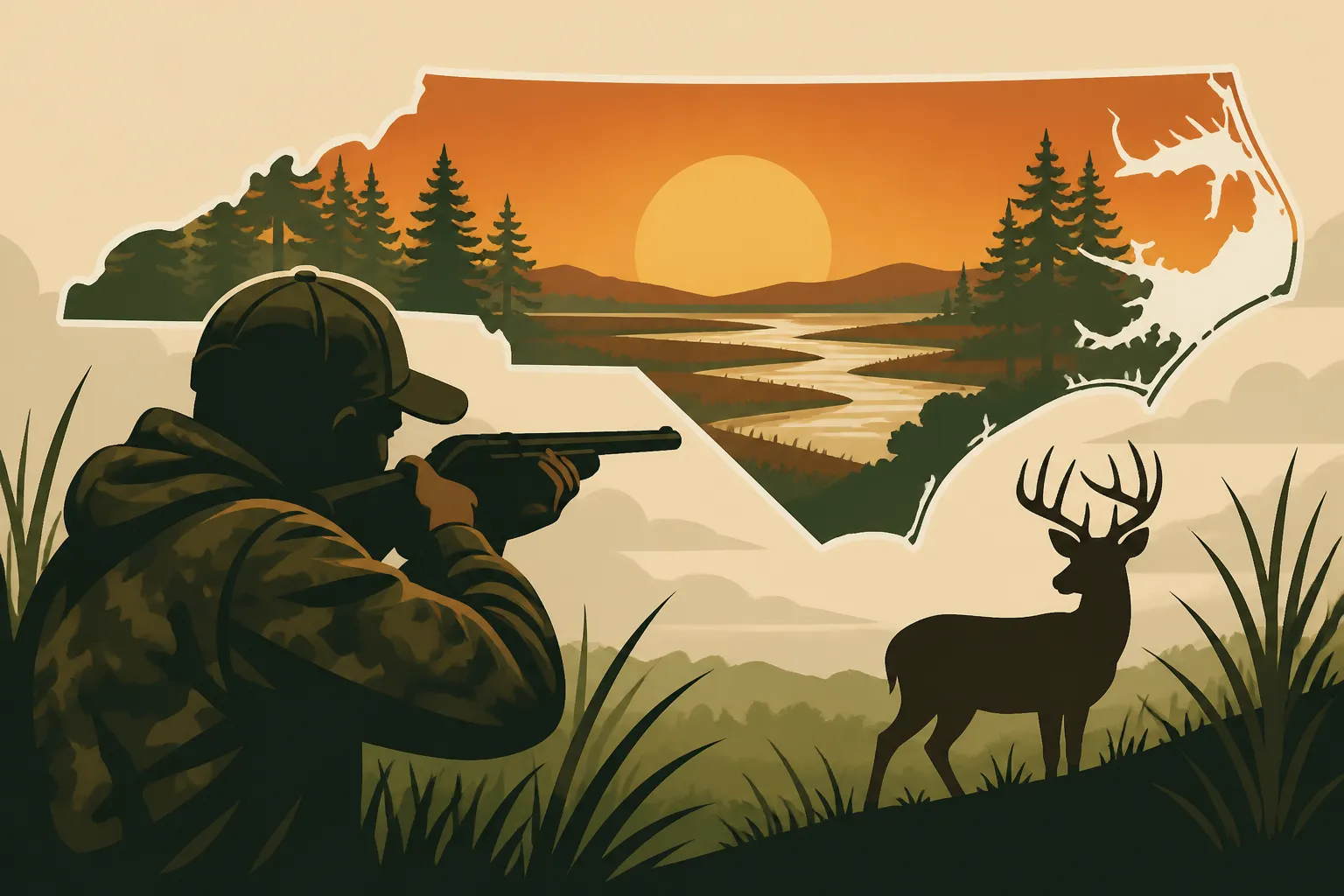
This isn't a statewide deer season, so don't grab your bow and head to just any county on August 22. The special season is strictly confined to the CWD Management Areas, which are currently centered around specific counties where CWD has been detected or is considered a high risk. As of the most recent updates, this primarily includes counties in the Yadkin Valley region, like Surry, Yadkin, and Wilkes, and some surrounding counties that fall within the management zone. It’s crucial for hunters to verify the exact boundaries and participating counties each year, as these can change based on disease surveillance results.
The NCWRC provides detailed maps and information on its website, and applications like GoHunt can also be invaluable for pinpointing specific boundaries. Always double-check the current regulations before planning your hunt to ensure you are legally operating within the designated CWD areas. Misinformation or assumptions could lead to legal trouble and undermine the very purpose of the season. For a complete overview of these critical zones, refer to North Carolina's Chronic Wasting Disease Areas and particularly, how it defines North Carolina's Seven-County CWD Footprint.
Who Can Participate
Participation in the August 22 special season weekend is open to anyone who possesses the appropriate North Carolina hunting licenses and permits. This typically includes a valid hunting license with big game privileges. Youth hunters, especially, can benefit from this early opportunity. North Carolina has provisions for youth hunters, often allowing them to participate under supervised conditions even without a full license, provided they meet specific age and education requirements. However, it's paramount that all hunters, regardless of age or experience, are familiar with the specific rules for this special season.
For instance, while a youth might be accustomed to hunting with a firearm during other seasons, this specific early CWD season is almost exclusively for archery equipment. It’s important to remember that this isn't a free-for-all; it's a controlled hunting period with very specific parameters. Ensuring you have your North Carolina Hunting Licenses and What They Cost squared away well in advance will prevent any last-minute headaches. Also, understanding the general North Carolina Public Land Hunting Hours will help you plan your entry and exit times efficiently.
Key Regulations and Restrictions for the Special Season
Hunting the August 22 special season is not like any other deer hunt in North Carolina. It comes with a strict set of rules designed to maximize data collection for CWD surveillance while maintaining ethical hunting practices. Ignoring these regulations can have serious consequences, both for you and for the ongoing efforts to manage CWD.
Antlered Deer Only: What This Means
One of the most defining characteristics of the August 22 special season is that only antlered deer may be harvested. This means bucks with visible antlers, regardless of size or number of points. Antlerless deer, including does and fawns, are strictly off-limits during this specific period. This regulation is directly tied to the CWD management strategy: Why the Early Season Targets Antlered Deer Only. Biologists know that bucks, particularly older ones, are more likely to test positive for CWD due to their longer life spans and tendency to roam widely. Therefore, increasing the harvest of these animals provides the most valuable data for monitoring disease spread.
This requires careful identification in the field. In early August, velvet antlers can sometimes make it challenging to immediately discern antler size or even the presence of very small antlers at a distance, especially in thick cover. Hunters must exercise extreme caution and positively identify their target as an antlered deer before taking a shot. There's no room for "oops" when it comes to disease management regulations. If you're unsure, let the deer walk.
Legal Weapons and Equipment
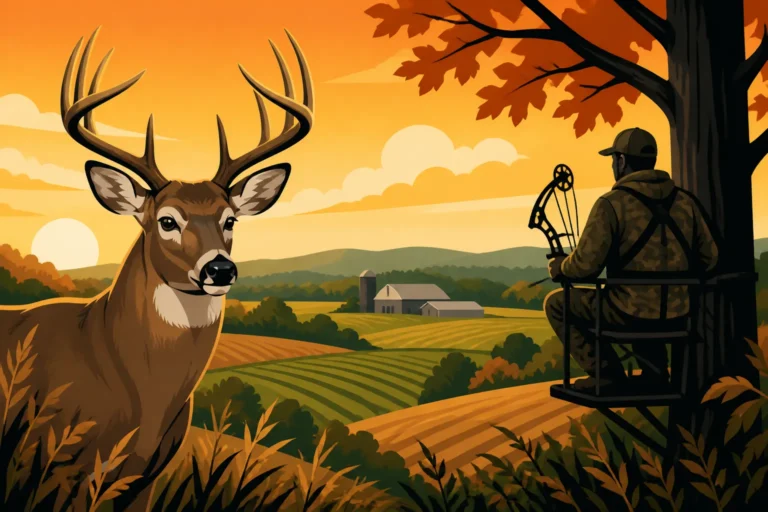
The August 22 special season is an archery-only hunt. This means firearms and muzzleloaders are strictly prohibited. You'll need to use either a compound bow, recurve bow, longbow, or a crossbow. The rules for crossbows in North Carolina have evolved, so it's essential to be familiar with the current Crossbow Rules During North Carolina Archery Season. This choice of weapon aligns with the early season conditions—it's still quite warm in August, and the woods are typically dense with foliage, making archery a more appropriate and stealthy method for close-range encounters.
Given the early season, you'll also want to consider your gear carefully. Temperatures can be high, and humidity can be stifling. Think about lightweight clothing that breathes well, scent control methods to combat perspiration, and reliable bug repellent. A sturdy pair of rubber boots can be invaluable if you're hunting in low-lying, damp areas prone to morning dew or unexpected showers. Using applications like GoHunt can help you assess terrain and plan access points where an archery setup might be most effective, allowing you to choose stand locations that maximize your chances within your effective range.
| Weapon Type | Legal Status for August 22 Season | Notes |
|---|---|---|
| Compound Bow | ✅ Legal | Must meet minimum draw weight/arrow length requirements (check NCWRC regs). Fixed or mechanical broadheads allowed. |
| Recurve/Longbow | ✅ Legal | Traditional archery equipment. Must meet minimum draw weight/arrow length requirements (check NCWRC regs). Fixed broadheads recommended. |
| Crossbow | ✅ Legal | Legal for all hunters during archery season in NC. Must meet minimum draw weight/bolt length requirements (check NCWRC regs). |
| Firearms | ❌ Illegal | No rifles, shotguns, or handguns are permitted during this special archery-only season. |
| Muzzleloaders | ❌ Illegal | Not permitted during this early archery-only period. Muzzleloader season has its own specific dates later in the year. |
Deer Reporting and CWD Testing
Harvesting a deer during this special season comes with mandatory reporting and a critical step: CWD testing. Hunters are required to report their harvest through the NCWRC's online system, mobile app, or by phone, just like any other deer. However, within the CWD Management Areas, there's an additional requirement: the harvested deer must be submitted for CWD testing. This is not optional; it’s a cornerstone of the disease management strategy.
You'll need to take your harvested antlered deer to an official CWD sampling station. These stations are often conveniently located at designated businesses, taxidermists, or check stations within or near the CWDMA. The process usually involves trained personnel taking a tissue sample (typically from the lymph nodes) for laboratory analysis. Knowing your nearest sampling location before you hunt is crucial. Plan your extraction route and ensure you can get your deer to a station promptly, especially given the warm August temperatures. This crucial step is part of the Mandatory Testing Inside a CWD Surveillance Area and will contribute to understanding North Carolina's CWD Prevalence in the Yadkin Valley. For details, consult Finding a North Carolina CWD Sampling Location.
Effective Tactics for Early Season Hunting Success
Hunting in August presents a unique set of challenges and opportunities. The deer are still largely on summer patterns, the foliage is thick, and the heat can be intense. Success during the August 22 special season relies heavily on understanding these conditions and adapting your approach.
Scouting Before the Season
Summer scouting is always important, but for this early CWD season, it's absolutely critical. Deer patterns in August are typically driven by food, water, and shade. Acorns aren't typically on the menu yet, so focus on soft mast, agricultural fields, and succulent browse. Think about areas with persimmons, muscadines, or fields of soybeans and corn. Water sources are also paramount; deer will be seeking out creeks, ponds, and wet areas to stay cool and hydrated. Use scouting apps like GoHunt to study aerial photos for potential bedding areas, travel corridors between food and water, and dense cover where deer might seek refuge from the heat and insects.
Look for fresh sign: tracks in muddy areas, rubbed-out velvet on small saplings (indicating bucks are starting to shed their velvet), and droppings. Set up trail cameras in key locations, especially near water sources or field edges, to monitor deer movement and identify specific bucks. Given the August 22 date, deer will still be in their summer coats, which might make them look a bit different than their winter counterparts. Understanding Scouting North Carolina Public Land Before Season can give you a significant advantage. This early season can be a bit of a gamble, but thorough scouting dramatically tilts the odds in your favor.
Adapting to Early Season Conditions
August in North Carolina is notoriously hot and humid. This impacts both the deer and the hunter. Deer movement will be largely crepuscular—meaning active primarily during dawn and dusk—to avoid the midday heat. They'll bed down in thick, shady cover near water during the hottest parts of the day. As a hunter, you need to prioritize hydration and managing your body temperature. Light, breathable clothing is a must. Scent control is also incredibly challenging in humid conditions, as perspiration will carry your odor far and wide. Employing quality Scent Control Gear for Humid Coastal Hunts (even if you're inland, the principles apply) will be essential to avoid spooking deer.
Insects are another major factor. Mosquitoes, ticks, and gnats can make a still hunt unbearable. Use effective repellents, and consider a head net if bugs are particularly bad. Be mindful of snakes; they are active in warm weather, so watch your step, especially in thick undergrowth or around fallen logs. The challenge of the heat also extends to meat care. If you harvest a deer, you'll need a plan to cool it down quickly and get it to a CWD sampling station promptly. Having Coolers and Game Bags for Early Archery ready to go is not just a good idea; it's a necessity.
Stand Placement and Approach
Given the thick August foliage, shot opportunities will likely be at close range. This means treestand or ground blind placement is absolutely critical. Focus on pinch points, funnels, and natural travel corridors between bedding areas and evening food sources, or morning food sources and bedding. Creek bottoms, field edges with good cover, and transitions between different habitat types are excellent spots. Consider how the prevailing winds will affect your scent, especially during the early morning and late evening when deer are moving.
Because deer movement is limited to low-light hours, your approach and exit from your stand need to be as stealthy as possible. Arrive well before dawn and stay until after dark, allowing deer to move naturally without disturbance. The dense canopy also means less light penetrates the woods, so consider a quality headlamp for navigating in the dark. A good rangefinder is also key for judging distances accurately through the leaves. Remember, with a core goal of CWD management, a clean, ethical shot is paramount to prevent wounded animals and ensure the deer can be recovered and tested.
Carcass Management and CWD Awareness
Successfully harvesting an antlered deer during the August 22 special season is only half the battle. The unique nature of this hunt, tied to CWD management, means that responsible carcass handling and an understanding of disease protocols are just as important as the hunt itself.
Proper Handling of Harvested Deer
Due to the warm August temperatures, swift and proper field dressing is essential to preserve the meat and prepare the carcass for CWD sampling. Once you've harvested your deer, get to work immediately. Field dress the animal quickly, removing the internal organs to allow the body cavity to cool. If possible, rinse the cavity with water and pack it with ice, especially if you have a longer retrieve or a delay before reaching a sampling station. This is a different scenario than a winter hunt where Field Dressing a Deer in Cold Weather offers more leeway.
For CWD testing, biologists typically need specific parts of the deer, usually the head (for lymph nodes) or sometimes a portion of the brainstem. Discuss with the CWD sampling station personnel upon arrival if they require the whole head or if they can collect samples from a caped-out skull. Understanding their specific requirements beforehand can save you time and effort. Always handle the carcass with gloves, and thoroughly clean any tools or surfaces that come into contact with the deer. This minimizes any potential spread of CWD prions, though the risk to humans is considered low.
Navigating Carcass Movement Restrictions
One of the most critical aspects of CWD management is preventing the spread of the disease through infected carcasses. If you harvest a deer in a CWD Management Area, there are strict rules about what parts of the carcass you can move out of that zone. Typically, you can only transport boned-out meat, caped hides, cleaned skulls (with brain tissue removed), and antlers (with no brain tissue attached) outside of the CWDMA. Whole carcasses, spinal columns, and other high-risk parts cannot be moved across zone boundaries.
These regulations are in place to ensure that if a deer is CWD-positive, the infectious prions are not accidentally transported to a new, unaffected area. It's an inconvenience, yes, but a necessary one to protect the wider deer population. Before you even head out, plan your processing steps. You might need to bone out your deer at camp or at a local processor within the CWDMA before heading home. Familiarize yourself with the specifics of Moving a Deer Carcass Out of a CWD Area well in advance, so you're not caught off guard after a successful hunt.
Supporting CWD Surveillance Efforts
Participating in the August 22 special season is, by its very nature, an act of supporting CWD surveillance. By harvesting an antlered deer and submitting it for testing, you are directly contributing to the state's understanding of this disease. The data collected from these samples helps the NCWRC determine the prevalence rate of CWD, identify new areas where the disease may have spread, and evaluate the effectiveness of their management strategies.
Each sample submitted paints a clearer picture for wildlife biologists, allowing them to make informed decisions about future hunting regulations, carcass restrictions, and public outreach. It's a testament to the North Carolina hunting community's dedication to responsible wildlife management. Your contribution, though seemingly small, is a vital piece of a much larger puzzle aimed at protecting the health of North Carolina's deer herd for generations to come.
Disclaimer
The information provided in this guide is for general informational purposes only and does not constitute legal advice. Hunting regulations, seasons, and CWD management protocols are subject to change. Always consult the most current North Carolina Wildlife Resources Commission regulations and official publications before planning or engaging in any hunting activities.