North Carolina Eastern Zone Gun Opener
The crisp morning air, that familiar smell of damp earth and pine, and the undeniable hum of anticipation – for many North Carolina deer hunters, nothing quite compares to the excitement of opening day. But keeping track of all the different statewide regulations and zone-specific dates can feel like navigating a complex maze, especially for the Eastern Zone’s unique early gun opener. This comprehensive guide will walk you through everything you need to know about the North Carolina Eastern Zone gun opener, ensuring you're prepared for a successful, rewarding hunt.
Understanding North Carolina's Eastern Zone Framework
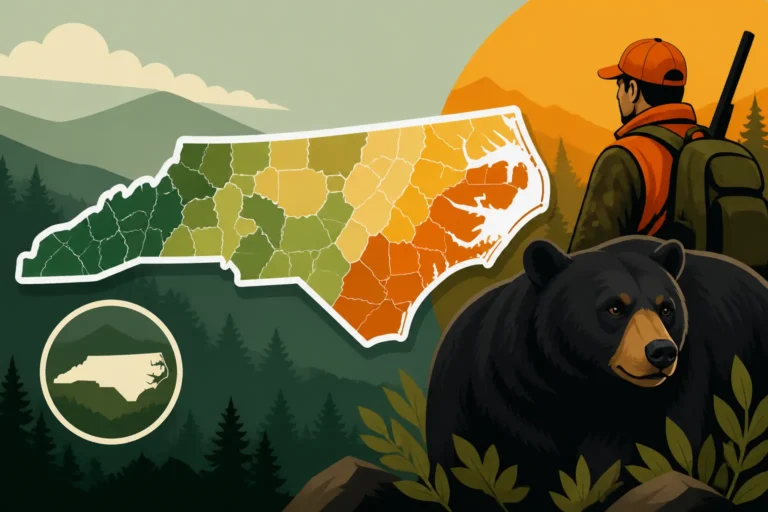
North Carolina is a vast state, and its deer herd, habitat, and hunting traditions vary significantly from the mountains to the coast. That's precisely why the North Carolina Wildlife Resources Commission (NCWRC) has divided the state into distinct deer hunting zones, each with its own set of season dates. The Eastern Zone is often the first to open for gun deer hunting, a tradition that reflects the earlier rut timing and unique environmental conditions of our coastal plains and inner coastal regions. This setup can sometimes be a bit of a head-scratcher if you're used to a more uniform statewide opening, but it's designed to align hunting pressure with biological cycles.
The primary frustration many hunters feel is simply knowing which zone their preferred hunting grounds fall into. It's not always intuitive, especially if you hunt near a county line. Counties like Gates, Hertford, Bertie, and parts of Craven are firmly in the Eastern Zone, known for their sprawling agricultural fields, dense pocosin swamps, and extensive timber operations. This diverse habitat directly influences deer behavior and, by extension, the timing of the hunting season. Understanding the reasoning behind these zone distinctions helps you appreciate the careful management that goes into balancing hunting opportunities with healthy deer populations. For a broader overview of how everything fits together, you might want to review the information on North Carolina Deer Season Structure Explained.
Key Dates and Season Structure for the Eastern Zone
The Eastern Zone traditionally boasts one of the earliest gun deer season openers in the state, kicking off weeks before the Central and Western Zones. This early start capitalizes on deer movement patterns that often predate the peak rut activity seen further west. It's a prime time to be in the woods, especially if you're targeting deer still on predictable feeding patterns.
Official Opening and Closing Dates
The gun season in North Carolina's Eastern Zone typically opens in mid-October and runs all the way through January 1st. This gives hunters a substantial window to pursue deer, encompassing pre-rut, peak rut, and late-season conditions. For the exact, up-to-the-minute details, always consult the official NCWRC regulations digest or check the agency's website. They publish the definitive dates each year, which can be found in resources like Eastern Zones Gun Season Dates.
It’s crucial not to just remember the opening day but to understand the entire arc of the season. An early opener means you're often dealing with warmer weather than later in the year, which impacts everything from deer activity to meat care. Knowing these dates helps you plan your vacations, scout your areas, and make sure your gear is dialed in well in advance. No one wants to scramble last minute only to realize they missed a key early opportunity.
Weapon Regulations and Bag Limits
While the focus here is on the "gun opener," it's important to remember that during the gun season, centerfire rifles, shotguns, and muzzleloaders are generally permitted, provided you're adhering to all other safety and legal requirements. Handguns are also typically allowed. However, always double-check the specific rules for any game lands you might be hunting, as some public areas can have more restrictive weapon regulations. For general information on muzzleloader hunting, consider looking into Muzzleloader Deer Hunting in North Carolina.
When it comes to bag limits, the Eastern Zone often offers generous opportunities, reflecting the robust deer populations in many of these counties. North Carolina operates on a statewide bag limit system for deer, but there are specific rules about antlered and antlerless deer that apply across zones. Typically, you can harvest up to six deer statewide, but only two of those can be antlered bucks. The remaining four must be antlerless deer, often referred to as does. This balance is critical for maintaining a healthy buck-to-doe ratio and ensuring population stability. Make sure you're crystal clear on the nuances of these regulations by reviewing North Carolina Deer Bag Limit Rules before heading afield. Keeping careful track of your harvests, especially with the NCWRC's reporting requirements, is part of being a responsible hunter.
Tactics for a Successful Eastern Zone Opener
Hunting the Eastern Zone opener means adapting your tactics to the specific environment and conditions present in mid-October. It's often warmer, and deer behavior can be different from what you might encounter in colder, later-season hunts.
Scouting and Stand Placement
Effective scouting is paramount, especially on public lands or new private tracts. Deer in the Eastern Zone will be heavily focused on food sources. Think about what's available and where deer are likely to congregate. Early season means acorns are likely dropping, especially white oaks, making them prime targets. Agricultural fields, particularly those with standing soybeans or cut corn, also draw deer in like a magnet. Look for fresh tracks, droppings, and browse lines along field edges and timber transitions. Using tools like the GoHunt app can be invaluable for pinpointing these hotspots from aerial imagery, helping you identify potential pinch points and travel corridors before you ever set foot in the woods.
When placing your stand or ground blind, consider the prevailing winds. The coastal plain can have inconsistent breezes, so having multiple stand options for different wind directions is a smart move. Focus on bottlenecks, funnels, and transition areas between bedding cover and feeding areas. If you're hunting near a dense pocosin swamp, finding those subtle high spots or travel corridors around the water's edge can be incredibly productive, as discussed in Hunting Coastal Plain Pocosin Swamps. Entry and exit routes are also critical; plan them to minimize disturbance, especially during the early season when deer might still be less accustomed to human presence.
Adapting to Warmer Weather and Hunting Pressure
The Eastern Zone opener can still feel a lot like summer, with temperatures often climbing into the 70s or even 80s. This heat means deer are often most active during the cooler parts of the day – early morning and late evening. Adjust your hunting times accordingly, being in your stand well before daylight and staying until legal shooting hours end. Mid-day movement can be minimal, so patience is key.
Warm weather also brings out the bugs. Mosquitoes, ticks, and gnats can make an otherwise perfect sit miserable. Be sure to use appropriate insect repellents and protective clothing. Staying hydrated is also crucial for your own comfort and safety. Consider using scent control diligently, as deer's noses are always working, and warm, humid air can carry human scent further. For strategies on dealing with heavy competition, you might check out Opening Weekend Tactics for the Eastern Zones.
Another factor is hunting pressure. The opener often sees the highest number of hunters in the woods. On public lands, this means deer can become skittish quickly. Sometimes, the best strategy is to hike deeper than others, finding those overlooked pockets of cover where deer might retreat. Using GoHunt to identify less accessible areas or thick cover that other hunters avoid can give you a significant advantage. Remember, deer will often hold tight in dense vegetation, like river bottoms or thick pine plantations, during daylight hours if pressure is high.
Essential Gear and Preparation
Being well-prepared makes all the difference for an enjoyable and successful hunt. The Eastern Zone opener requires specific considerations due to its unique timing and environment.
Clothing and Comfort
Layering is always a good idea in North Carolina, even in October. While mornings might be cool, the midday sun can heat things up fast. Start with a moisture-wicking base layer, add a mid-layer for warmth, and have a light, breathable outer layer. Blaze orange is a mandatory safety requirement during gun season on public lands and often recommended on private land, so ensure you have enough to meet the North Carolina Blaze Orange Requirements. A good quality pair of waterproof, comfortable boots is also essential, especially if you're navigating damp lowlands or swampy areas.
Don't forget the small but mighty comfort items: a quality headlamp for walking in and out in the dark, a comfortable seat cushion for your stand, and a good pair of binoculars to pick apart dense cover. Hydration is key, so carry plenty of water, and consider electrolyte packets if you're spending long hours afield in warm conditions.
Optics and Firearms Setup
For the Eastern Zone, many hunters find a versatile rifle scope with a lower magnification range (e.g., 2-7x or 3-9x) to be ideal. Shots are often taken in dense timber or across moderate-sized fields, rarely exceeding 150-200 yards. A clear, bright optic is more important than extreme magnification in the low light of dawn and dusk. Ensure your rifle is sighted in well before opening day; practicing from various positions, including offhand or kneeling, will build confidence for a real-world scenario.
Regarding optics, a good pair of 8x or 10x binoculars can be incredibly useful for scanning field edges or discerning movement in thick brush. While rangefinders are always beneficial, many Eastern Zone shots will be well within typical rifle ranges, so knowing your rifle's holdovers at 50, 100, and 150 yards is paramount. Again, using a mapping app like GoHunt can help you gauge distances to landmarks in your stand area ahead of time, reducing the need for constant rangefinding during a hunt.
Post-Harvest Care and Reporting
With warmer temperatures, proper meat care is critical. As soon as you harvest a deer, begin the field dressing process to cool the carcass down quickly. Get the deer out of the woods and into a cooler or to a processor as soon as possible. If you’re hunting remotely, bring game bags to protect the meat from flies and dirt. Consider carrying a small gambrel and rope to hang the deer for cooling if possible.
After a successful harvest, remember that North Carolina requires all deer to be reported. This can easily be done online through the NCWRC website or via their mobile app. You'll need your license information and the tag number of the deer. This data is vital for wildlife biologists to monitor deer populations and set future regulations, so accurate and timely reporting is a crucial part of responsible hunting. Don't forget, if you need a license or have questions about purchasing one, information on North Carolina Hunting Licenses and What They Cost is readily available.
Navigating Public Land Challenges
Public hunting lands in the Eastern Zone offer fantastic opportunities, but they often come with their own set of challenges, particularly on opening day.
Finding Less-Pressured Areas
The sheer volume of hunters on opening day can be daunting. To increase your odds, think outside the box. Instead of setting up right off a main access road, consider hiking deeper into areas that others might overlook due to distance or thick cover. Often, the extra effort of a two-mile walk can put you into deer country that sees significantly less pressure. These could be hard-to-reach pockets of timber, creek bottoms, or the fringes of dense pocosins. Scouting these areas well in advance using mapping tools, including the GoHunt app which often shows public land boundaries and topography, can reveal hidden gems. This type of detailed preparation, as highlighted in Scouting North Carolina Public Land Before Season, really pays off.
Focus on areas with challenging terrain, such as boggy spots or extremely thick briar patches. While uncomfortable for hunters, these often serve as daytime bedding areas for deer trying to escape pressure. Look for subtle funnels or edges that lead into these sanctuaries, where deer might slip out during the golden hours of dawn and dusk. Learning how to identify Hunting a Funnel Between Two Pocosins or Hunting Croatan Forest Pocosin Edges can be a game-changer.
Respecting Other Hunters and Shared Resources
Remember that public land is a shared resource, and courtesy goes a long way. Be mindful of where other hunters are set up, and avoid crowding anyone. Communicate if necessary, and always prioritize safety. This includes adhering to safe shooting lanes and understanding legal shooting distances from roads or residences.
Consider the impacts of your presence. Pack out all your trash, including spent shell casings. If you're using trail cameras, check the specific rules for public lands you're hunting; some areas have restrictions. Leave the land better than you found it, ensuring these resources remain vibrant for future generations.
Disclaimer
The information provided in this guide is for general informational purposes only and is not intended as legal advice. Hunting regulations in North Carolina are subject to change. Always consult the most current North Carolina Inland Fishing, Hunting & Trapping Regulations Digest published by the North Carolina Wildlife Resources Commission (NCWRC) or their official website for precise and up-to-date rules and season dates before engaging in any hunting activities.