North Carolina Apprentice Hunter License Rules
It can feel incredibly daunting to get into hunting in North Carolina, especially when you're just starting out and faced with a wall of regulations and the mandatory hunter education course. Maybe you've got a seasoned hunter in the family, a buddy, or a mentor who's willing to show you the ropes, but you haven't had the chance to complete the hunter education certification yet. That's where the North Carolina Apprentice Hunter License comes in, offering a fantastic pathway for newcomers to experience hunting firsthand under strict supervision before diving fully into the requirements. This guide will walk you through everything you need to know about this invaluable program.
What Exactly is an Apprentice Hunter License?
Think of the North Carolina Apprentice Hunter License as a "try before you buy" option for hunter education. It's a special permit designed by the North Carolina Wildlife Resources Commission (NCWRC) to encourage new hunters to get out into the field with an experienced mentor, even if they haven't completed their hunter education certification. The primary goal is to lower the initial barrier to entry, allowing aspiring hunters to gain practical experience and see if hunting is for them, all while under the watchful eye of a knowledgeable, certified hunter. This hands-on experience can be incredibly beneficial, not just for learning skills but also for understanding the ethics and responsibilities that come with hunting.
This license isn't a permanent workaround for hunter education; it's a stepping stone. It's valid for one license year (typically July 1st to June 30th) and allows you to hunt any game animals and furbearers for which you have the appropriate privilege licenses, as long as you are accompanied by a licensed and hunter education-certified (or exempt) mentor. The beauty of it is that it allows folks who are eager to get started, but perhaps can't immediately find an open hunter education course, to still participate in the season. It’s a pragmatic approach to getting more people involved in conservation through hunting, fostering that critical connection to the outdoors and our wildlife resources.
Eligibility and Requirements for the Apprentice License
Getting your hands on a North Carolina Apprentice Hunter License is relatively straightforward, but there are specific criteria you need to meet. It’s open to residents and nonresidents alike, regardless of age, provided they meet the basic requirements. This means whether you're a curious teenager or an adult looking to try hunting for the first time, this license is an option for you.
Who Can Purchase the License
Anyone who has not successfully completed a hunter education course or been certified as exempt from the hunter education requirement can purchase an Apprentice Hunter License. The key here is the "not completed" part. If you've already taken and passed hunter education, you'd simply purchase a regular hunting license. This license is truly for those who need that supervised experience before committing to the full hunter education course. You can purchase it online through the NCWRC website, by phone, or at a local wildlife agent, just like any other North Carolina hunting licenses and what they cost. When buying it, you'll select the Apprentice Hunter License type, and then add any necessary big game or waterfowl privileges depending on what you plan to hunt.
For instance, if you're planning to hunt deer with your mentor, you'll need the Apprentice Hunting License plus the Big Game Harvest Report Card. This applies whether you're after a whitetail in the Western Zone or a doe during the archery season in the Eastern Zones. Even if your ultimate goal is just to try squirrel hunting North Carolina bottomland hardwoods, you still need that base apprentice license. It's a comprehensive approach that ensures everyone in the field has some form of legal authorization, even if it's provisional.
What the Apprentice Hunter Needs to Do
The apprentice hunter, regardless of age, must carry their Apprentice Hunter License while in the field. This isn't just a suggestion; it's a legal requirement. Should a wildlife enforcement officer check your documents, you need to be able to produce it. Furthermore, the apprentice hunter must be accompanied by a properly licensed adult mentor. We'll dive into the mentor's specific role in the next section, but it’s crucial to understand that without that direct, physical supervision, the Apprentice Hunter License is essentially invalid for hunting purposes.
Another important point: this license is only valid for one license year. If you decide after a year of apprenticeship that you love hunting (and we bet you will!), you'll need to complete your official North Carolina Hunter Education Requirements before purchasing a regular, unsupervised hunting license for the following year. This annual limit reinforces the idea that it's a temporary pathway, not a permanent substitute. Think of it as your first step towards becoming an independent, responsible hunter, equipped with both practical experience and formal education.
| Feature | Apprentice Hunter License | Regular Hunting License (with Hunter Ed) |
|---|---|---|
| Hunter Education | Not required prior to purchase, but required eventually | Required prior to purchase (or exemption) |
| Supervision Required | Yes, by a qualified mentor | No, can hunt unsupervised (age restrictions apply) |
| Mentor Requirements | 18+, licensed, hunter-ed certified (or exempt), physically present | N/A |
| Validity | One license year (e.g., July 1 – June 30) | Annual, multi-year, or lifetime options available |
| Purchase Location | NCWRC website, wildlife agent, phone | NCWRC website, wildlife agent, phone |
| Purpose | Introduction to hunting under supervision, precursor to full hunter ed | Full hunting privileges for certified hunters |
| Can Mentor Others? | No | Yes (if 18+ and meet other mentor criteria) |
The Critical Role of the Mentor in the Apprentice Program
The success and safety of the Apprentice Hunter program hinge entirely on the mentor. This isn't just about having an extra person along; it's about active, responsible, and knowledgeable guidance. The mentor is the linchpin, ensuring the apprentice learns not just how to hunt, but how to hunt safely, ethically, and responsibly. Without a qualified mentor present, an apprentice hunter simply cannot legally hunt.
Mentor Qualifications and Responsibilities
So, what does it take to be a mentor? First and foremost, the mentor must be at least 18 years old. This isn't a role for a younger sibling or friend, even if they're experienced. Secondly, the mentor must possess a valid North Carolina hunting license and be hunter education certified themselves, or be exempt from hunter education (e.g., born before July 1, 1951). This ensures that the person providing the guidance actually knows the rules, safety protocols, and ethical considerations. It’s about passing on legitimate knowledge, not just showing someone how to pull a trigger. You can learn more about these specific requirements by checking out the details on North Carolina Hunter Education Requirements.
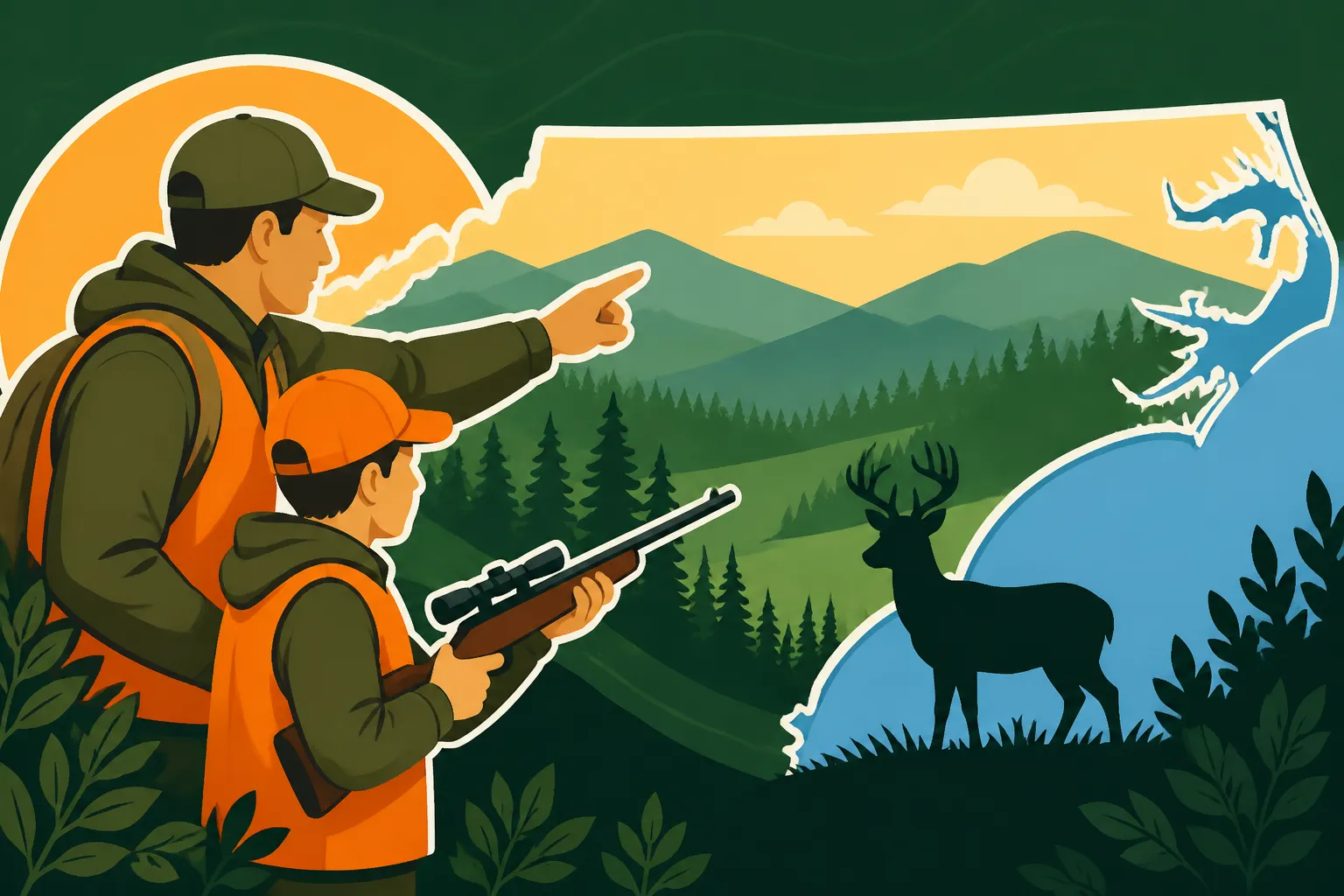
Beyond the basic qualifications, the mentor has a huge responsibility in the field. They must be "physically present and supervising" the apprentice hunter. What does "physically present and supervising" really mean? For archery hunting, the mentor must be within sight and normal voice contact without aid of a communication device. For firearms hunting, the mentor must be within sight and normal voice contact, and no more than 10 yards away from the apprentice. This isn't a suggestion; it's a critical safety rule designed to ensure the mentor can intervene immediately if needed, correct errors, and ensure the safe handling of firearms or bows. Imagine a new hunter spotting a deer, getting excited, and potentially forgetting a safety rule; the mentor needs to be right there to prevent an accident.
Ethical Guidance and Practical Learning
A good mentor does more than just ensure safety; they teach. They’re responsible for instilling proper hunting ethics, demonstrating shot placement, explaining wildlife identification, and illustrating the importance of respecting game animals. This includes everything from properly field dressing a deer in cold weather to understanding the nuances of scouting North Carolina public land before season. They'll teach the apprentice about North Carolina's chronic wasting disease areas and how to prevent its spread, or how to properly check a deer using the NCWRC app.
For example, when hunting deer, a mentor wouldn't just tell an apprentice where to sit; they’d explain why that spot is good – maybe it’s a funnel between two bedding areas, or a scrape line along a logging road. They’d discuss wind direction, thermals, and how they impact scent dispersal. They might show the apprentice how to read aerial photos for Piedmont deer or how to find ground others walk past on public land. Tools like GoHunt can be invaluable here, allowing mentors to visually demonstrate terrain features, property lines, and potential pinch points right on a phone or tablet screen, teaching the apprentice how to analyze hunting areas effectively. The mentor's role extends beyond the immediate hunt, fostering a lifelong respect for wildlife and the land.
Benefits, Limitations, and Next Steps for Apprentice Hunters
The North Carolina Apprentice Hunter License is a fantastic tool for introducing new folks to hunting, but it's important to understand both its advantages and its restrictions. Knowing these details will help you make the most of your apprentice year and plan for your future as a full-fledged hunter.
Advantages of Starting as an Apprentice
The primary advantage, as we've discussed, is the ability to get hands-on experience without first completing the traditional hunter education course. This is particularly useful for individuals who might be on the fence about hunting or those who simply can't find an available hunter education class before the season opens. It provides a low-commitment entry point. You can hunt any game species that your purchased privileges allow, from squirrel and small game hunting in North Carolina to deer or turkey, as long as you have the appropriate licenses like the North Carolina Big Game Privilege Requirements.
This direct mentorship provides a deeper, more practical education than a classroom course alone ever could. Imagine learning how to call a North Carolina gobbler off the roost by actually being in the woods with a skilled caller, rather than just reading about it in a book. Or understanding the subtle art of reading a ridge for Mountain Zone deer movement by having an experienced hunter point out tracks and rubs right in front of you. This real-world application, guided by someone with years of experience, is an invaluable foundation for any aspiring hunter. Furthermore, it creates a crucial bonding experience between mentor and apprentice, strengthening relationships and passing on family traditions. Many families find this a great way to introduce younger members to the sport, helping them gradually understand all the rules for the North Carolina Youth Deer Weekend and beyond.
Limitations and What Comes Next
While beneficial, the Apprentice Hunter License does come with some significant limitations. The biggest one is that you cannot hunt unsupervised. Ever. Not even for a minute if your mentor steps away. If caught hunting alone, even if you’re just walking to your stand, you could face penalties for North Carolina Wildlife Violation Penalties. Additionally, an apprentice hunter cannot act as a mentor for another apprentice hunter. You have to complete your hunter education before you can take on that responsibility.
Crucially, the Apprentice Hunter License is only valid for one license year. This means it's a temporary solution. The expectation is that during or immediately after that first year, you will complete a hunter education course. This course covers vital topics like firearm safety, wildlife identification, hunting laws, and ethical behavior, providing a comprehensive theoretical background that complements the practical skills learned with your mentor. Once you complete the course, you can then purchase a regular North Carolina Resident Hunting License Options or a North Carolina Nonresident Hunting License Options and hunt independently, adhering to the standard Minimum Age for Unsupervised North Carolina Hunting rules. For those who used GoHunt during their apprentice year to scout and plan with their mentor, that same tool can then transition to help them find hunting areas and plan solo hunts with confidence.
Ultimately, the Apprentice Hunter License is an invitation to experience the rich tradition of hunting in North Carolina. It’s a chance to learn from a seasoned expert, understand the joys and responsibilities of the hunt, and decide if this incredible outdoor pursuit is for you. If it is, then completing your hunter education is the natural and necessary next step towards becoming a fully independent and ethical North Carolina hunter.
Disclaimer
Please remember that hunting regulations can change. While this guide provides a comprehensive overview of the North Carolina Apprentice Hunter License rules, it is always your responsibility to consult the most current regulations published by the North Carolina Wildlife Resources Commission (NCWRC) before heading afield. This information is for educational purposes and should not be considered legal advice.