Minimum Age for Unsupervised North Carolina Hunting
It's incredibly common for folks, especially parents eager to introduce their children to the outdoors, to feel a bit lost in the maze of North Carolina's hunting regulations regarding age. Trying to figure out exactly when your child can legally venture into the woods on their own, or even what "supervision" truly means, can be a real head-scratcher. This guide aims to clear up all that confusion, giving you a detailed breakdown of the minimum age for unsupervised hunting in our great state and all the necessary steps to get there.
The Foundation: When Independent Hunting Begins in North Carolina
Let's cut right to the chase, because this is often the biggest question on everyone's mind: In North Carolina, a person generally must be 16 years of age or older to hunt unsupervised. If you're under 16, the North Carolina Wildlife Resources Commission (NCWRC) requires you to be "accompanied by" a properly licensed adult. This isn't just a suggestion; it's a critical safety and legal mandate designed to ensure young hunters gain experience under the watchful eye of someone responsible.
Understanding the "Accompanied By" Requirement
The phrase "accompanied by" might sound vague, but the NCWRC has a clear definition for anyone under 16. It means the supervising adult must be within sight and hearing of the youth hunter at all times, without using electronic devices for communication. This isn't about setting your child up in a stand 200 yards away and texting them; it's about being actively present and able to intervene immediately if needed. Think of it as true mentorship, where you're not just a chaperone but an active participant in their learning and safety. For instance, if you're hunting a high elevation mountain bench or still-hunting Nantahala Forest ridges, that adult needs to be right there with the younger hunter, navigating the terrain together.
This direct, continuous supervision is paramount for several reasons. It allows the adult to:
- Ensure safe firearm or archery equipment handling.
- Help identify legal game animals.
- Teach ethical hunting practices in real-time.
- Provide immediate assistance in case of an accident or emergency.
Without this direct line of sight and hearing, the "accompanied by" rule is violated, putting both the youth hunter and the supervising adult at risk of legal penalties.
The Significance of Reaching Sixteen Years Old
Once a hunter turns 16, they reach a significant milestone in North Carolina's hunting regulations. At this age, the mandatory "accompanied by" rule for general hunting is lifted, allowing them to hunt independently, assuming they meet all other licensing and education requirements. This transition marks a step up in responsibility and trust. It's a recognition that by 16, a young person should have developed the maturity, skills, and knowledge necessary to make sound decisions in the field on their own.
However, turning 16 doesn't automatically mean competence. It's a legal threshold, but real-world readiness comes from years of learning and experience. Parents and mentors should gauge their young hunter's readiness for unsupervised hunting not just by their birth certificate, but by their demonstrated judgment, safety habits, and understanding of game laws. A platform like GoHunt can be an invaluable tool for these young hunters, helping them to independently scout areas, understand public land boundaries, and plan their excursions with confidence. It's a way for them to practice the planning and strategic thinking that goes into a successful hunt, even before they step into the woods alone.
Hunter Education: A Mandatory Step for Most North Carolina Hunters
Before anyone, regardless of age, can head afield unsupervised in North Carolina (or even supervised under certain circumstances), hunter education often comes into play. It's not just a good idea; for many, it's a legal requirement designed to instill safety, ethics, and knowledge.
Mandatory Hunter Education Requirements
North Carolina law dictates that anyone under the age of 16 who wishes to hunt without a supervised hunting permit (which we'll discuss next) must successfully complete a hunter education course. Furthermore, all first-time hunting license buyers in North Carolina must show proof of having successfully completed an approved hunter education course. This means that if you waited until you were 18 to get your first hunting license, you'd still need to take the course.
The hunter education course covers crucial topics like:
- Firearm and archery safety.
- Wildlife identification.
- Conservation principles.
- Hunting ethics and responsibilities.
- North Carolina hunting laws and regulations.
These courses are offered statewide by the NCWRC and are typically a combination of online learning and a mandatory field day. You can find detailed information on Who Needs North Carolina Hunter Education on the NCWRC website. Passing this course isn't just a hurdle; it's a foundational experience that prepares hunters for the challenges and responsibilities of the field.
Exemptions and the Mentored Youth Hunter Permit
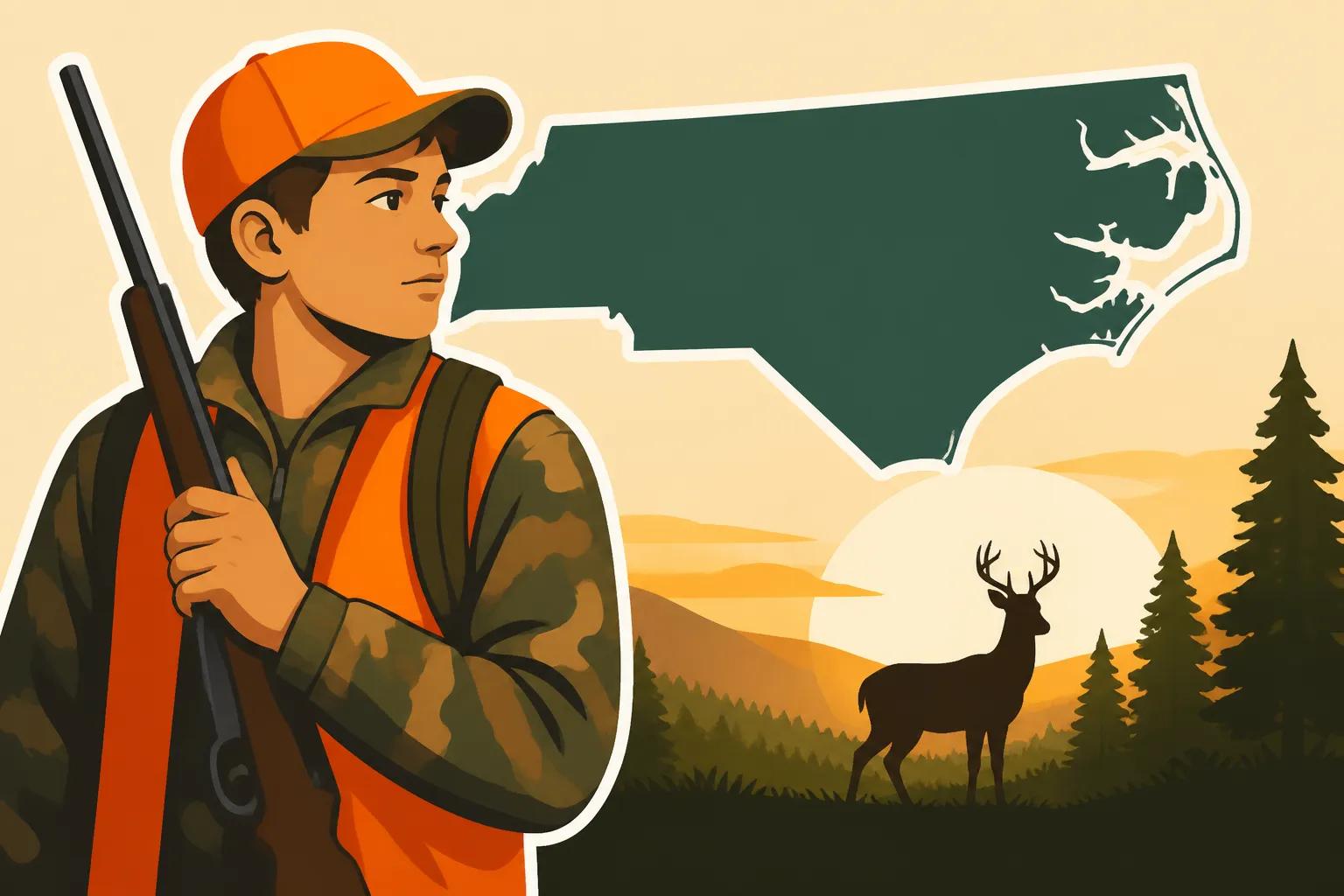
While hunter education is mandatory for many, North Carolina does offer an alternative for younger hunters who might not have completed the course yet: the Mentored Youth Hunter Permit. This permit allows individuals under 16 (or anyone who hasn't completed hunter education) to hunt if they are directly accompanied by a properly licensed adult mentor. The key here is that the mentor must be 18 years of age or older, possess a valid North Carolina hunting license, and closely supervise the youth.
This program is fantastic for families where a young person is just getting started and isn't quite ready for the full hunter education course, or perhaps the course schedule doesn't align with their first hunting opportunity. It allows them to get valuable hands-on experience in the field, learn from an experienced hunter, and decide if hunting is truly for them before committing to the full course.
However, there are strict rules governing this permit:
- The youth hunter must always be within sight and hearing of the mentor.
- The mentor must be "immediately available" to take physical control of the hunting device.
- The mentor is responsible for ensuring the youth hunter complies with all hunting laws and safety practices.
It's a way to facilitate learning and participation while upholding the highest safety standards. You can learn more about the specific guidelines in our article on North Carolina Mentored Youth Hunting Rules.
Here’s a quick overview of the key distinctions:
| Age Group | Hunter Education Required? | Supervision Required? | Notes |
|---|---|---|---|
| Under 12 | No | Yes (Direct) | Must be accompanied by a properly licensed adult (18+). No Mentored Youth Permit needed if always accompanied. |
| 12-15 | Yes (Generally) | Yes (Direct) | Hunter Ed required to hunt alone. Can hunt with Mentored Youth Hunter Permit if accompanied by licensed adult (18+). |
| 16 and Over | Yes (First-time License) | No | Can hunt unsupervised if hunter education is completed (or exempt as prior license holder) and proper licenses/tags are possessed. |
| Any Age (First-Time License) | Yes | Varies | All first-time license buyers must complete Hunter Ed. Supervision rules depend on age. |
Navigating Supervision for Younger Hunters
For those under 16, the rules around supervision are not just about age, but about ensuring a safe and responsible introduction to hunting. It's a critical component of North Carolina's commitment to hunter safety.
Defining "Direct Supervision" in the Field
As mentioned earlier, "direct supervision" means the adult must be within sight and hearing of the youth hunter at all times. This is non-negotiable. Imagine you're out hunting Piedmont farmland deer with a 14-year-old. If they're in a ground blind by a field edge and you're 300 yards away in another stand, even if you can see the blind, you're likely not within "hearing" for immediate verbal instruction, and certainly not "immediately available to take physical control." The intent is that you are close enough to quickly grab the weapon if a dangerous situation arises or to give immediate verbal correction.
This level of supervision extends to all aspects of the hunt, from safely handling a firearm or bow, to identifying game, to making ethical shot decisions. It's an immersive teaching environment where the adult is constantly observing, guiding, and, if necessary, intervening. It's about being a true partner in the hunt, not just a distant overseer. Many hunting apps, like GoHunt, can help mentors and youth plan their hunts together by allowing them to share maps, mark potential stand locations, and discuss entry and exit routes, fostering a sense of shared responsibility and preparation. This kind of planning helps ensure that when you are in the field, you can maintain that crucial direct supervision without having to constantly consult external resources.
Who Qualifies as a Mentor or Supervisor
The supervising adult must be:
- At least 18 years of age or older. This ensures a certain level of adult maturity and legal responsibility.
- Possess a valid North Carolina hunting license. This is critical as it means the supervisor themselves is legally authorized to hunt and understands the state's regulations.
- Actively engaged in supervising the youth. This isn't just about having the license; it's about fulfilling the duty of direct supervision.
This means a younger sibling cannot supervise an even younger sibling. It means an uncle who hasn't hunted in years and doesn't have a current license cannot take a child out. The system is designed to place the responsibility squarely on an experienced, legally authorized adult. This ensures that the foundational hunting experiences for young people are safe, educational, and compliant with all state laws. It's also important for these mentors to understand specific regulations, such as the North Carolina Deer Reporting Requirements and how to correctly check harvested game, teaching the youth responsible post-harvest practices.
Licensing, Permits, and Practical Considerations for Youth
Beyond age and supervision, there are specific licensing requirements and practical considerations that young hunters and their families need to be aware of to ensure a lawful and successful hunting experience in North Carolina.
Licensing for Youth Hunters
Even when hunting under supervision, young hunters often need specific licenses, depending on their age and what they're hunting. North Carolina offers a range of options, designed to be accessible while maintaining regulatory oversight.
- Youth Under 16: Children under 16 generally do not need a basic hunting license if they are accompanied by a properly licensed adult (18+) and are hunting under the direct supervision of that adult. However, for big game (deer, bear, turkey), they will need a separate Big Game Harvest Report Card. This allows the NCWRC to track harvest data even from supervised youth hunters. If a youth hunter between 12 and 15 completes hunter education, they can purchase their own basic hunting license and big game privileges, which would then allow them to hunt unsupervised once they turn 16.
- Mentored Youth Hunter Permit: As discussed, this permit allows an uncertified youth to hunt when directly supervised by a licensed adult. It’s important to note that this permit does not grant the youth full hunting privileges; it merely allows them to participate under strict supervision.
- Youth Hunting Licenses (16 and older): Once a hunter turns 16, they are required to purchase appropriate hunting licenses, just like any adult. This typically starts with a basic hunting license and then any necessary privilege licenses (e.g., big game, bear stamp, federal duck stamp for migratory birds). Information on North Carolina Hunting Licenses and What They Cost is readily available and crucial for planning. GoHunt provides helpful resources for understanding different license packages and purchasing options, simplifying the process for new adult hunters.
It’s crucial to understand these distinctions to avoid unintentional violations. The goal is always a safe and legal hunt, and having the right paperwork in hand is a big part of that.
Safety and Responsibility Beyond the Law
While legal requirements set a baseline, true safety and responsible hunting go far beyond simply checking off boxes. For young hunters, especially as they approach the age of unsupervised hunting, instilling these deeper values is paramount.
- Continuous Education: Even after hunter education, learning never stops. Encourage ongoing education about wildlife biology, habitat management, and advanced hunting techniques. Reading publications, watching educational videos, and participating in workshops are all great ways to stay informed.
- Ethical Decision-Making: Discuss hypothetical scenarios with your young hunter: What do you do if you encounter another hunter in your spot? What if you wound an animal and it's getting dark? How do you handle trespassing situations? These conversations build critical thinking skills vital for independent hunting. Tools like the GoHunt app can assist in pre-hunt planning and identifying potential encounters with other hunters on public lands, encouraging ethical behavior and awareness.
- Environmental Stewardship: Teach respect for the land, wildlife, and other outdoor users. This includes proper trash disposal, minimizing impact on trails and natural areas, and understanding the importance of conservation efforts. A well-rounded hunter is not just a harvester but a steward of the environment.
- First Aid and Emergency Preparedness: As a young hunter prepares for unsupervised trips, ensure they know basic first aid, how to signal for help, and how to use a GPS or mapping app like GoHunt to navigate and mark their location in an emergency. Being prepared for the unexpected is a hallmark of a responsible, independent hunter. This also ties into understanding things like North Carolina Blaze Orange Requirements for visibility and safety.
By focusing on these areas, we can equip our young hunters not just with the legal permission to hunt alone, but with the wisdom, judgment, and character to do so safely, ethically, and responsibly for years to come.
Disclaimer
The information provided in this guide is intended for general informational purposes only and does not constitute legal advice. Hunting regulations in North Carolina are subject to change, and interpretations can vary. Always consult the official North Carolina Wildlife Resources Commission (NCWRC) regulations and statutes, or contact the NCWRC directly, for the most current and accurate information before engaging in any hunting activities.