North Carolina Squirrel and Rabbit Season Rules
It can feel like you need a law degree to decipher all the nuances of North Carolina’s hunting regulations, especially when it comes to the seasons and rules for smaller game like squirrels and rabbits. Hunters often find themselves scratching their heads, wondering if the dates are the same, what the bag limits truly are, or what specific gear is allowed. This comprehensive guide aims to cut through that confusion, providing clear, detailed information on North Carolina’s squirrel and rabbit hunting season rules so you can hit the woods with confidence.
Understanding North Carolina's Small Game Hunting Philosophy
Before we dive into the nitty-gritty of dates and limits, it's helpful to understand why small game hunting holds such a special place in North Carolina's outdoor heritage and how the regulations are designed. These aren't just minor seasons; they're foundational experiences for countless hunters, often serving as an entry point into the broader world of hunting.
Why Small Game Matters So Much
For many of us, the pursuit of squirrels and rabbits was our very first taste of hunting. There's a certain magic to slipping through an oak bottom, eyes scanning for a flicking tail, or navigating a brushy fencerow in search of a cottontail. These hunts are often less about grand trophies and more about spending quality time afield, honing basic woodsmanship, and putting a bit of wild protein on the table. They teach patience, observation skills, and firearm safety in a relatively low-pressure environment. It's where many young hunters, myself included, first learned to read animal sign, understand habitat, and appreciate the rhythm of the forest. The seasons for these species are intentionally generous, reflecting their robust populations and widespread distribution across the state, ensuring ample opportunity for new and seasoned hunters alike.
Balancing Opportunity and Conservation
The North Carolina Wildlife Resources Commission (NCWRC) sets these seasons and bag limits with a dual purpose: to provide abundant hunting opportunities while ensuring the long-term health and sustainability of squirrel and rabbit populations. Gray squirrels, in particular, are incredibly adaptable and reproduce efficiently, meaning they can sustain a high level of harvest. Cottontail rabbits also have high reproductive rates, often bouncing back quickly even after significant local harvest. The regulations are a reflection of these biological realities, allowing for seasons that span several months and offer daily bag limits that are generous enough for a successful outing but conservative enough to prevent overharvest. This balance is crucial, allowing for both recreational enjoyment and responsible wildlife management, ensuring these species remain plentiful for generations to come.
The Role of Hunter Education
Even for small game, understanding the core principles of ethical hunting and safety is paramount. North Carolina has clear requirements for hunter education, which is designed to teach vital skills and responsible behavior. If you were born on or after July 1, 1960, you're generally required to complete a hunter education course to purchase a North Carolina hunting license. This isn't just a hoop to jump through; it's about making sure everyone afield knows how to handle their firearm safely, identify game, respect property rights, and understand game laws. For younger hunters, the Mentored Youth Hunting Rules provide a fantastic pathway, allowing them to hunt under the direct supervision of a licensed adult without immediately needing to complete the full course themselves, fostering a love for the outdoors in a safe, guided manner. It’s a smart system that keeps everyone safer and more knowledgeable in the field.
North Carolina Squirrel Hunting Seasons and Bag Limits
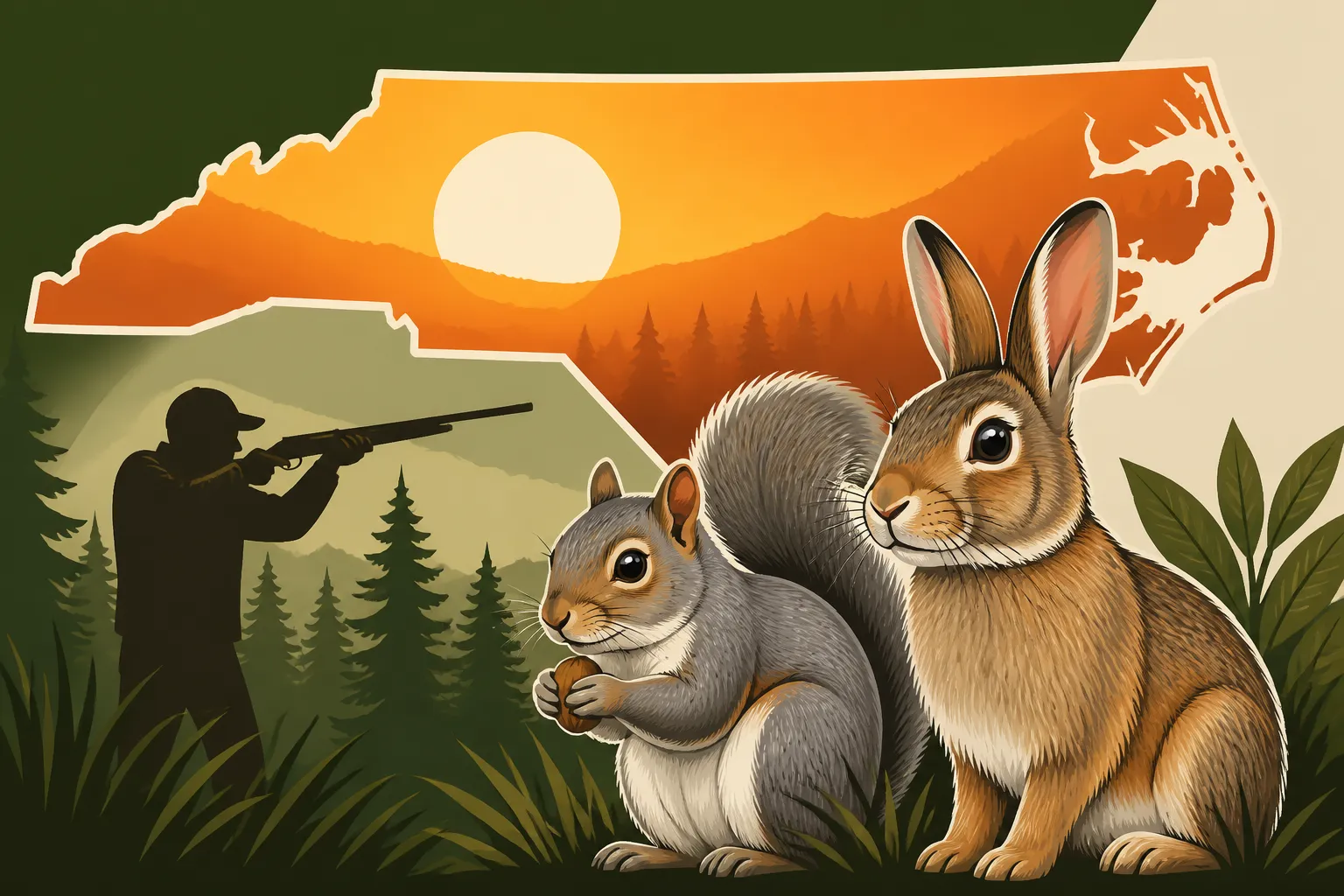
Squirrel hunting is a cherished tradition for many in North Carolina, offering a fantastic opportunity to get out in the woods during the cooler months. The state hosts abundant populations of gray squirrels and, in some areas, the larger fox squirrels. Understanding their specific seasons and limits is key to a lawful and successful hunt.
Statewide Season Dates for Gray and Fox Squirrels
North Carolina's squirrel season is one of the longest small game seasons, typically opening in mid-October and extending all the way through late February. This extensive window provides ample time for hunters to pursue both gray and fox squirrels across different habitats as the season progresses. You’ll find the best hunting often coincides with cooler weather and when the leaves have fallen, making it easier to spot these nimble creatures moving through the branches. For instance, in an oak-hickory forest in the Piedmont, you might start in October when acorns are still dropping and squirrels are frantically caching food. As winter sets in, they might become more predictable, often out on sunny days foraging. The exact opening and closing dates can shift slightly year to year, so always double-check the current North Carolina Inland Fishing, Hunting & Trapping Regulations Digest published by the NCWRC. It's your definitive guide for precise dates.
Daily Bag Limits and Possession Limits
When you're out chasing squirrels, it's important to keep track of your harvest to stay within the legal limits. For both gray and fox squirrels, the daily bag limit in North Carolina is typically eight squirrels per hunter. This means that in any single calendar day, you can legally harvest up to eight squirrels. The possession limit, which refers to the maximum number of squirrels a hunter can have in their possession at any given time (including those from previous hunting trips still at home), is usually sixteen. This allows hunters to accumulate a few successful hunts' worth of meat before needing to process and freeze it. These limits are designed to provide a good recreational experience and a decent amount of meat for the table, without putting undue pressure on the population. Imagine a successful morning hunt in a productive hardwood creek bottom – taking home a limit of squirrels means a delicious stew or a couple of frying batches, a truly satisfying reward for your efforts.
Special Considerations for Red Squirrels
While gray and fox squirrels are fair game during the open season, it’s absolutely crucial to know that red squirrels are a protected species in North Carolina. You cannot legally hunt or harvest red squirrels. These smaller, more reddish-brown squirrels are primarily found in the higher elevations of the western North Carolina mountains, particularly in mature conifer forests. They're often confused with juvenile gray squirrels due to their size, but their distinct coloring and specific habitat preferences set them apart. Always be sure of your target before you pull the trigger. Misidentification can lead to serious legal consequences, so if you're hunting in the mountains and see a squirrel that looks smaller and distinctly reddish, it's best to err on the side of caution and let it pass. This focus on identification is a key aspect of responsible hunting and helps protect vulnerable species.
North Carolina Rabbit Hunting Seasons and Bag Limits
Rabbit hunting, particularly for cottontails, is another deeply ingrained tradition in North Carolina, bringing joy to many hunters and their hounds. Like squirrel hunting, it offers a fantastic way to enjoy the outdoors and harvest delicious wild game.
Statewide Season Dates for Cottontails
The season for cottontail rabbits in North Carolina typically runs from mid-November through late February, overlapping significantly with the later part of the squirrel season and much of the deer gun season. This timing means you might find yourself hunting rabbits in crisp autumn air, through a light dusting of snow, or under the milder, often rainy skies of late winter. The season generally starts a bit later than squirrels, giving populations more time to reproduce after the summer months. Rabbit hunting often picks up after deer season winds down, providing a fantastic reason to stay active in the woods. Whether you're hunting thick briar patches in the Piedmont, overgrown clear-cuts in the Coastal Plain, or brushy hillsides in the mountains, this long season provides ample opportunity. Always consult the current NCWRC regulations digest for the precise opening and closing dates each year to ensure you're compliant.
Daily Bag Limits and Possession Limits
Just like with squirrels, there are specific limits in place for rabbits to ensure a healthy population balance. For cottontail rabbits in North Carolina, the daily bag limit is typically five rabbits per hunter. This means you can harvest up to five cottontails in a single day. The possession limit, which covers all rabbits you have stored, is usually ten rabbits. These limits are set to allow for a rewarding hunting experience – perhaps a couple of good chases with the dogs, resulting in a few rabbits for dinner – while maintaining robust rabbit numbers across the state. Cottontails are prolific breeders, and these limits are well within sustainable harvest rates. Remember, adhering to these limits is a crucial part of ethical hunting and supports the long-term viability of the resource.
Understanding Differences from Squirrel Regulations
While both are small game, it's important to note the slight differences in regulations between squirrels and rabbits in North Carolina. The primary distinctions lie in their season dates and bag limits. Squirrels generally have an earlier opening date (mid-October) and a higher daily bag limit (eight) compared to rabbits (mid-November opening, five daily limit). The possession limits also differ: sixteen for squirrels versus ten for rabbits. These differences are rooted in the biology and population dynamics of each species. Squirrels, especially gray squirrels, are incredibly widespread and abundant, making them capable of sustaining a more extended season and higher harvest. Rabbits, while also common, can be more susceptible to local population fluctuations and benefit from a slightly more conservative approach. Therefore, it's never safe to assume the rules for one apply directly to the other; always check the specific regulations for the species you intend to hunt.
Common Regulations for Both Squirrel and Rabbit Hunting
Beyond the species-specific dates and bag limits, there are overarching regulations that apply to almost all small game hunting in North Carolina. Understanding these general rules is just as critical for a safe and legal outing.
Permissible Firearms and Ammunition
One of the great things about small game hunting is the flexibility in equipment choices. For squirrels and rabbits, a variety of firearms are generally permitted, making it accessible to many hunters. Common choices include shotguns, particularly in 20-gauge or 12-gauge, which are excellent for moving targets in brushy cover. Many hunters also favor a .22 caliber rimfire rifle for squirrel hunting, as its precision and low noise are perfect for picking off treed squirrels without disturbing the entire forest. Air rifles are also a legal option, offering another quiet and accurate method. Muzzleloaders and bows are also permissible, catering to those who prefer a more traditional challenge. It’s always important to ensure your chosen firearm is safe and legal for the area you're hunting. For example, some public lands might have specific restrictions on certain calibers or ammunition types. Before heading out, review the specific North Carolina Legal Firearms for Deer Hunting section, as some small game regulations often mirror or refer to these for general firearm use.
Blaze Orange Requirements and Safety
Safety should always be your top priority in the field, and North Carolina has clear blaze orange requirements to enhance hunter visibility, especially when other big game seasons are open. If you are hunting on Game Lands during any open gun season for big game (deer, bear, wild boar, or coyote), you must wear at least 400 square inches of hunter orange or blaze pink material, visible from all directions, on your outer clothing or on a cap. This applies even if you are only hunting small game like squirrels or rabbits. On private land, while not strictly mandated for small game if no big game season is open, wearing blaze orange is always a wise safety practice. It significantly reduces the risk of accidental shootings by making you more visible to other hunters. Beyond blaze orange, basic firearm safety rules are paramount: always treat every firearm as if it's loaded, keep the muzzle pointed in a safe direction, keep your finger off the trigger until ready to shoot, and be sure of your target and what's beyond it.
Reporting and Checking Requirements
Unlike big game species such as deer and turkey, North Carolina does not typically require hunters to report or check in harvested squirrels or rabbits. This simplifies the process for small game hunters, allowing you to focus on the hunt itself without the added step of online or physical check-ins. While this absence of a mandatory reporting system might seem like less data for wildlife managers, squirrel and rabbit populations are generally robust enough that individual harvest reporting isn't deemed necessary for population monitoring at a statewide level. However, this doesn't mean there's no oversight. Wildlife biologists utilize various methods, including hunter surveys and habitat assessments, to track population trends and ensure sustainable management. So, while you won't need to pull out your phone to report your cottontail, you still play a vital role in conservation by adhering to bag limits and practicing ethical hunting.
Essential Gear and Tactics for Small Game Success
Success in small game hunting often boils down to preparation and understanding the specific behaviors of squirrels and rabbits. Having the right gear and employing effective tactics can significantly increase your chances of a rewarding day afield.
Firearm Choices and Ammunition Considerations
When it comes to small game, your choice of firearm can truly make or break the hunt. For squirrels, many hunters opt for a .22 caliber rimfire rifle, perhaps a classic Ruger 10/22 or a bolt-action from Browning or CZ. The accuracy of a .22 is fantastic for headshots, preserving meat, and its relatively quiet report means you might get multiple shots at different squirrels in the same area. A good quality scope, even a low-power variable one like a 3-9x, can be invaluable for precise aiming in dense canopy. Ammunition is usually standard .22LR, with hollow points being a popular choice for good terminal performance.
For rabbits, the shotgun truly shines. A 20-gauge or 12-gauge with improved cylinder or modified choke is ideal for quickly swinging on a rabbit busting out of thick cover. Popular choices include semi-automatics like the Remington 870 or Benelli Nova, or over/unders from manufacturers like Mossberg. Ammunition-wise, #6 or #7.5 shot size is generally perfect for rabbits, offering enough pellets for a clean kill at typical ranges. Some hunters also use .410 shotguns, especially for youngsters, though the smaller payload requires more precise aiming. No matter your choice, ensure you're comfortable and proficient with your firearm before hitting the field.
Clothing, Boots, and Navigational Tools
Being comfortable and prepared for the elements is crucial for any hunting trip, especially when you're moving through varied terrain for small game. Start with layers that can be adjusted as temperatures change throughout the day. A good base layer to wick moisture, an insulating mid-layer for warmth, and a durable, water-resistant outer layer are standard. Given North Carolina's varied climate, from chilly mountain mornings to damp coastal afternoons, having versatile clothing is key.
Boots are perhaps the most critical item. For still-hunting squirrels in hardwoods, comfortable hiking boots with good ankle support are great. If you're busting briar patches for rabbits, especially in damp environments like the Coastal Plain swamps or river bottoms, knee-high rubber boots like LaCrosse or Muck Boots are indispensable for staying dry and protected from thorns and snakes.
Finally, navigational tools are a must. Even if you think you know an area, things can look different in the woods, especially with leaf litter down. A reliable GPS unit or a smartphone app like GoHunt with downloaded maps is vital for staying oriented, marking productive areas, and avoiding trespassing. You can scout for squirrel cuttings under an oak, mark dense rabbit thickets, or pinpoint a good spot for a ground blind with ease. Don't forget a headlamp for any unexpected walks back to the truck after dark!
Basic Scouting and Hunting Techniques
Successful small game hunting isn't just about showing up; it's about understanding your quarry's habits and habitat. For squirrels, scouting should focus on identifying areas with abundant mast crops – oak, hickory, and beech trees are prime targets. Look for fresh nut cuttings on logs or stumps, or even under the canopy itself. Squirrels are most active early in the morning and late in the afternoon. Tactics include still-hunting quietly through timber, pausing frequently to listen and scan for movement, or setting up against a tree in a productive area and waiting. Learning to read cuttings under an oak will tell you if squirrels are actively feeding there.
For rabbits, thick cover is the name of the game. Look for briar patches, honeysuckle tangles, overgrown fencerows, brush piles, and the edges of clear-cuts. Rabbits rarely stray far from dense escape cover. The most common tactic is walking these thickets, often with a good rabbit dog (like Beagles), to flush them out. When hunting without dogs, focus on carefully working through the cover, pausing at openings, and being ready for a quick shot. Remember that rabbits will often circle back to familiar cover after being pushed, so understanding their escape routes can be beneficial. In North Carolina, you might find yourself hunting a standing cornfield in farm country, where the cover provides both food and protection.
Finding Prime Habitat on North Carolina Public and Private Land
Knowing the season dates and rules is one thing, but actually finding productive ground to hunt squirrels and rabbits is another challenge entirely. North Carolina offers a wealth of diverse habitats, and understanding where to look is key.
Key Habitat Features for Squirrels
North Carolina's varied landscape provides excellent squirrel habitat from the mountains to the coast. For gray squirrels, you'll want to focus on mature hardwood forests, particularly those dominated by oak, hickory, and beech trees. These mast-producing trees are the lifeblood of a squirrel's diet. Look for expansive blocks of mature timber, especially along creek bottoms and river drainages, as these areas often produce the most consistent mast crops and offer water sources. A great strategy is to scout these areas for active feeding sign before the season opens – look for chewed nuts, overturned leaves, and even squirrel nests (dreys) high in the branches.
Fox squirrels, while less numerous than grays, prefer more open, park-like stands of pine and oak, often with a less dense understory. The Sandhills region with its longleaf pine savannas, for instance, can be prime fox squirrel territory. They are larger and often more colorful than gray squirrels and tend to be less frenetic in their movements. Using an app like GoHunt can be incredibly helpful for identifying these types of timber stands on both public and private land, showing different forest types and ownership boundaries at a glance. You can also zero in on prime areas by looking at aerial photos for Piedmont deer, which often reveal the same large tracts of hardwoods favored by squirrels.
Identifying Rabbit Havens
Cottontail rabbits are masters of thick cover. They thrive in areas that provide a mix of dense vegetation for escape and nearby open areas for foraging. When looking for rabbit havens, think "edge habitat." Prime spots include:
- Fencerows and Hedgerows: These linear strips of overgrown brush provide perfect travel corridors and escape cover, especially in agricultural areas. You can find excellent opportunities rabbit hunting North Carolina fencerows.
- Clear-cuts and Young Plantations: Recently logged areas that are regenerating with dense saplings, briars, and weeds are rabbit magnets. The thicker and nastier, the better.
- Brush Piles and Logging Debris: Any accumulation of downed trees, limbs, or brush offers immediate shelter.
- Field Edges and Overgrown Pastures: The transition zone between an open field and dense woods or tall grasses is often very productive. Setting up on a Piedmont field edge is a classic tactic for deer, but rabbits love these spots too.
- Swamps and River Bottoms: Dense cane thickets and swampy undergrowth offer excellent protection from predators and the elements. Hunting coastal plain pocosin swamps can yield rabbits, alongside other game.
While using mapping apps to identify general habitat types is useful, on-the-ground scouting is crucial for rabbits. Get out there and walk the edges of fields, check fencerows, and push through those thick patches. Look for droppings, small runways through the grass, and fresh browse marks. Rabbits are everywhere, but finding their densest concentrations is the secret to a productive hunt.
North Carolina Squirrel and Rabbit Seasons at a Glance
For a quick reference, here’s a summary of the typical season dates and bag limits for North Carolina squirrels and rabbits. Always remember to consult the official NCWRC regulations digest for the most up-to-date information before planning your hunt, as dates can vary slightly year to year.
| Species | Season Start (Approx.) | Season End (Approx.) | Daily Bag Limit | Possession Limit | Special Notes |
|---|---|---|---|---|---|
| Gray Squirrel | Mid-October | Late February | 8 | 16 | Found statewide in hardwood forests. |
| Fox Squirrel | Mid-October | Late February | 8 | 16 | Less common, prefers open pine/oak forests. |
| Red Squirrel | No Open Season | Protected | N/A | N/A | Protected species, primarily mountain regions. |
| Cottontail Rabbit | Mid-November | Late February | 5 | 10 | Found statewide in thick cover and field edges. |
Disclaimer
Please note that hunting regulations, season dates, and bag limits are subject to change by the North Carolina Wildlife Resources Commission (NCWRC). While every effort has been made to provide accurate and up-to-date information, this guide is for informational purposes only and should not be considered a substitute for the official NCWRC Inland Fishing, Hunting & Trapping Regulations Digest. Always review the current year's official regulations before engaging in any hunting activities.