Hunting a Clear-Cut Regrowth Edge
North Carolina clear-cut regrowth edges provide deer and bears with security and food through seven years of timber growth.
Close the distance.
Archery, muzzleloader, and firearm techniques — calling, stand placement, still-hunting, spot-and-stalk, and the weapon rules that change at the state line.

North Carolina clear-cut regrowth edges provide deer and bears with security and food through seven years of timber growth.

Late-season North Carolina creek bottoms offer deer water, thermal cover, and food, providing hunters a productive place.
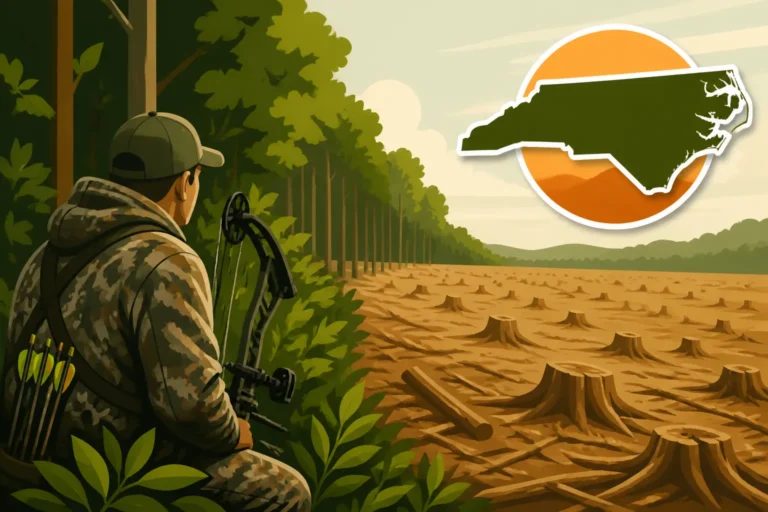
Late season whitetails in North Carolina use unharvested corn, crop residue, and natural thickets for security and thermal protection.
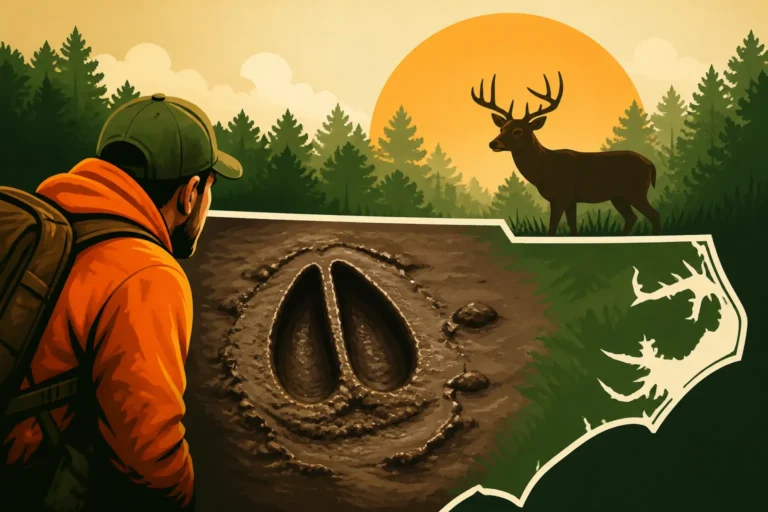
North Carolina mud tracking reveals fresh white-tailed deer movement patterns, track edges, and active travel corridors after heavy rain.

Ridge-top saddles in North Carolina serve as natural travel funnels, concentrating rutting buck movement for successful deer hunting.
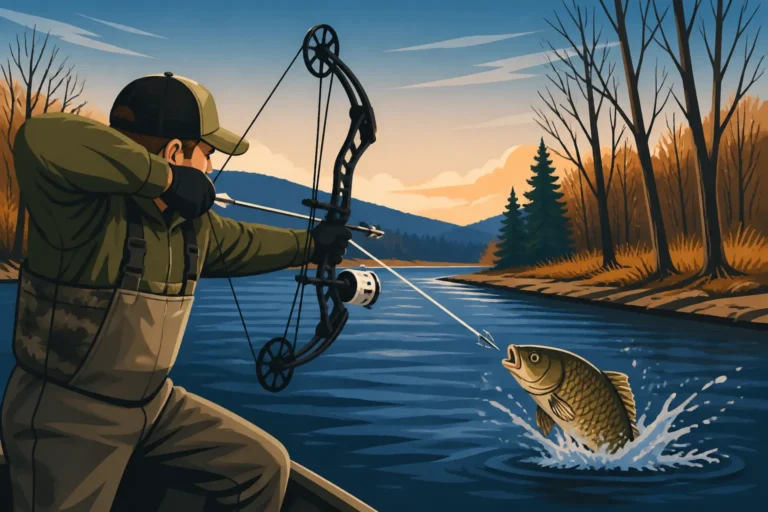
Bowfishing in North Carolina rivers targets invasive carp, gar, and bowfin using archery gear during the hunting off-season.
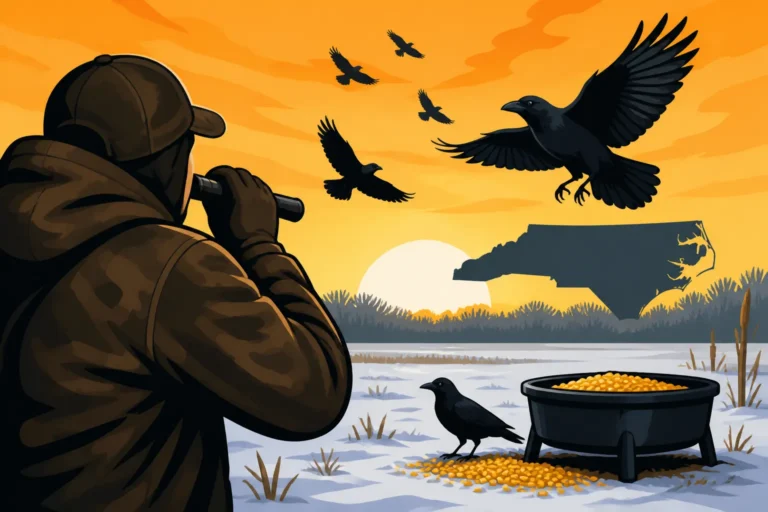
Winter crow behavior and feeding patterns in North Carolina help hunters locate prime feed sites and improve calling techniques.

Suburban Charlotte small woodlots offer unique deer hunting strategies, access tips, and safety guidelines for fragmented habitats.
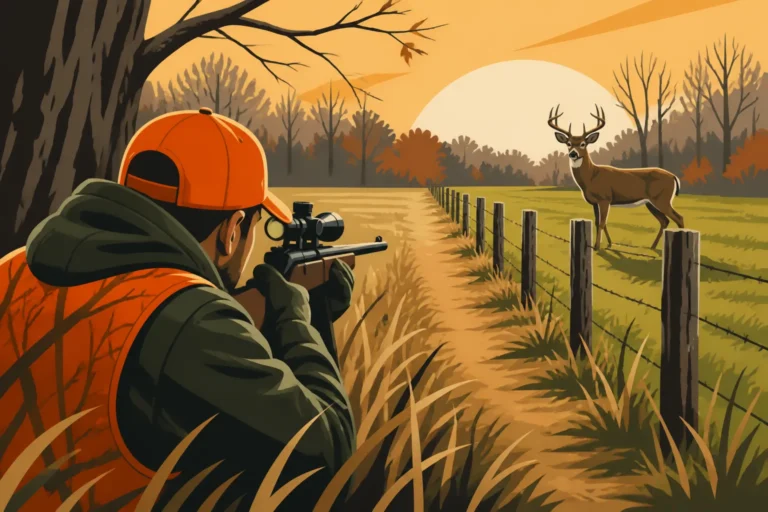
Late-season deer hunting in North Carolina improves by locating travel corridors, dense cover, and food sources along fencerows.
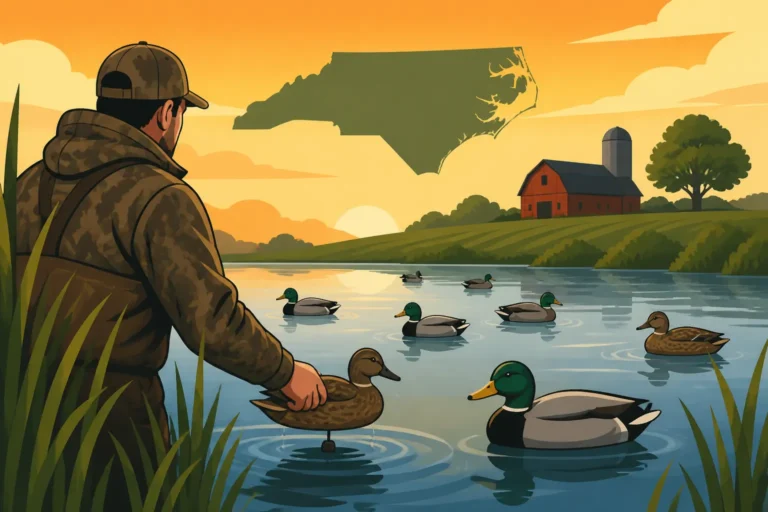
Decoy spreads on North Carolina farm ponds help hunters attract ducks by matching wind direction, water depth, and local food sources.