Bowfishing North Carolina Rivers in the Off-Season
There's nothing quite like the feeling of the outdoors during the "off-season," when the deer woods are quiet and turkey gobblers have stopped drumming. For many North Carolina outdoors enthusiasts, this lull can feel like a long wait until fall. But what if I told you there's a thrilling, action-packed way to stay engaged with hunting skills while helping manage invasive species right here in our rivers? This guide will dive deep into the exciting world of bowfishing in North Carolina, focusing on how you can get started and find success in our abundant waterways.
Understanding North Carolina Bowfishing Opportunities
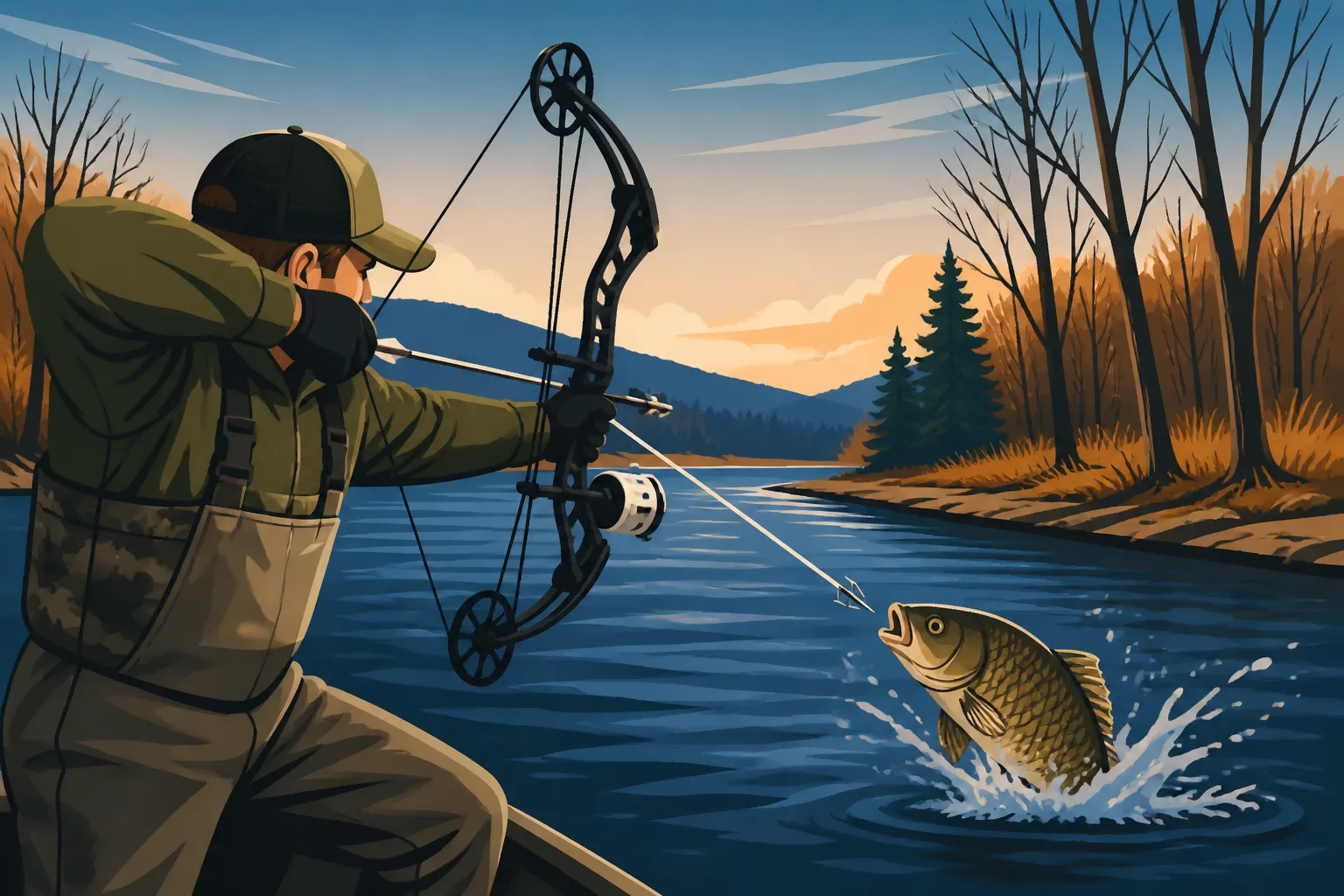
Bowfishing is a unique and increasingly popular pursuit that blends archery skills with fishing. Instead of a rod and reel, you use a bow to shoot specially designed arrows at fish. It's often done for species considered invasive or rough fish, which means it can be a year-round activity and a fantastic way to put your archery prowess to use outside of traditional hunting seasons. The challenges are distinct, requiring keen observation and quick reflexes, but the rewards are immense, both in terms of excitement and fresh table fare.
Legal Species for Bowfishing in North Carolina
One of the great appeals of bowfishing in North Carolina is the variety of legal species you can target. The North Carolina Wildlife Resources Commission (NCWRC) classifies most of these as non-game fish, meaning they don't have strict seasons or bag limits, unlike game fish such as bass or trout. This open-ended regulation is what makes bowfishing a perfect off-season activity, allowing you to hit the water almost any time you feel the urge.
The primary targets for North Carolina bowfishermen include:
- Common Carp: These are perhaps the most popular bowfishing target. They are abundant in many of our rivers and lakes, grow to impressive sizes, and are excellent fighters. You'll often find them cruising in shallow, muddy flats or feeding along vegetated banks.
- Grass Carp: Another invasive species, grass carp can be huge, sometimes exceeding 50 pounds. They prefer areas with aquatic vegetation, which they consume voraciously, often to the detriment of native plant life.
- Gar: North Carolina is home to longnose gar and occasionally spotted gar. These prehistoric-looking fish are a thrilling challenge due to their hard scales and fast movements. They often bask near the surface, making them visible targets.
- Bowfin: Sometimes called "mudfish," bowfin are aggressive predators found in slow-moving, vegetated waters. They put up a formidable fight and are identifiable by their long dorsal fin.
- Catfish: While not always the primary target, flathead and channel catfish can sometimes be taken via bowfishing, particularly if they are shallow or active near the surface.
- Tilapia: In certain warm water discharge areas or southern parts of the state, tilapia, another invasive species, can be targeted.
- Snakeheads: A highly invasive species, especially found in the northeastern parts of the state and spreading, northern snakeheads are a top target for conservation-minded bowfishermen. They are voracious predators and removing them is encouraged.
It's absolutely crucial to remember that game fish (like largemouth bass, crappie, sunfish, etc.) are NOT legal to take with a bow in North Carolina. Always confirm the species before you shoot. A general fishing license is required for bowfishing, similar to any other angling activity. You can learn more about securing your license and its associated costs by checking out our guide on North Carolina Hunting Licenses and What They Cost.
Why the "Off-Season" is Prime Time for Bowfishing
When most hunters are hanging up their gear after deer or bear season, the bowfishing season is just heating up. The warmer months, generally from late spring through early fall, offer optimal conditions for pursuing rough fish.
First, many of these species, particularly carp, become more active and move into shallower water as water temperatures rise. They'll often be found spawning in the spring, creating large, easily visible groups in skinny water. During the summer, they continue to feed actively in the shallows, often visible cruising just below the surface in calmer areas of rivers. The longer daylight hours also mean more time on the water, and the comfortable temperatures make for an enjoyable outing.
Second, the lack of competing hunting seasons means your focus can entirely shift to bowfishing. It's a fantastic way to keep your archery skills sharp, practice aiming and shot placement, and experience the thrill of the hunt during a time when other opportunities are limited. Think of it as cross-training for your hunting endeavors, helping you stay connected to the rhythm of the outdoors. It's also a great way to introduce new people to a form of hunting that often offers immediate action and a high success rate compared to some traditional hunting methods. Plus, you're directly contributing to the health of our native aquatic ecosystems by removing invasive species.
Essential Gear for North Carolina Bowfishing Success
Just like any specialized outdoor pursuit, bowfishing requires specific gear to be effective and safe. You can start with a basic setup, but as you get more serious, you'll likely want to upgrade to purpose-built equipment. The right gear makes all the difference when you’re trying to hit a moving target under the water’s surface from a bouncing boat.
Bow and Reel Configurations
The heart of your bowfishing setup is, of course, the bow. While you can use a traditional hunting compound or recurve bow, many dedicated bowfishermen opt for specialized bowfishing bows. These are often lighter, shorter axle-to-axle, and designed for snap shooting at relatively close range. They typically have a low let-off (or no let-off for recurves) and a lighter draw weight compared to deer hunting bows, making repeated shooting less fatiguing.
- Dedicated Bowfishing Bows: Brands like AMS Bowfishing, Oneida, and Cajun Bowfishing offer bows specifically designed for the rigors of the sport. They can withstand the constant exposure to water and fish slime, and their simple, robust designs are perfect for quick, intuitive shots.
- Converting a Hunting Bow: If you're just starting out, you can convert an old hunting bow by removing your sight, stabilizer, and arrow rest, and adding a bowfishing reel and specialized rest. Just be mindful of your draw weight and let-off; a heavy draw weight with high let-off can make quick follow-up shots difficult.
The reel is another critical component. Unlike a fishing reel, a bowfishing reel is designed to store heavy line and allow it to quickly deploy when an arrow is shot.
- Bottle/Spincast Reels: These are popular for beginners and offer a simple, robust design. The line is stored in a bottle, and a push-button release allows the line to shoot freely. They are reliable and easy to use, but can be slower to retrieve fish.
- Retriever Reels: These reels, often from brands like AMS Bowfishing, are drum-style reels where the line is hand-wound or mechanically retrieved. They are generally faster for retrieving fish and less prone to tangles, making them a favorite among experienced bowfishermen.
When considering gear, especially for scouting potential new spots, tools like the GoHunt app can be incredibly useful. While primarily geared towards traditional hunting, its mapping features can help identify access points, river depths, and public land boundaries that might hold promising bowfishing opportunities. Many of the same principles apply, whether you're Scouting North Carolina Public Land Before Season for deer or looking for carp in a river bend.
Arrows, Points, and Safety Equipment
Bowfishing arrows are distinctly different from hunting arrows. They are much heavier, solid fiberglass or carbon fiber, and do not have fletchings (feathers) because they need to travel through water effectively.
- Arrows: Typically solid fiberglass, these arrows are designed to penetrate fish and withstand being pulled through water and occasional snags. They are usually heavier than hunting arrows to maintain momentum underwater.
- Points: The business end of a bowfishing arrow is a barbed point, designed to hold the fish once it's penetrated. Common designs include barb-and-slot, lever, or retractable barbs. These allow for easy penetration but prevent the fish from slipping off the arrow during retrieval.
- Safety Slide: This is an absolute must-have safety device. The safety slide attaches the line to the front of the arrow, preventing the line from tangling with the bowstring as the arrow is shot. A line wrapped around your string can cause the arrow to snap back at you, leading to serious injury. Never bowfish without a properly installed safety slide.
Beyond the bow and arrow system, several other pieces of equipment are essential for a successful and safe outing:
| Item | Description | Importance |
|---|---|---|
| Polarized Sunglasses | Reduce glare on the water's surface. | Crucial for spotting fish during daylight hours. |
| Headlamp/Boat Lights | Essential for night bowfishing to illuminate fish and navigation. | Night fishing is often highly productive; safety and visibility are key. |
| Quality Footwear | Rubber boots or waders for navigating muddy banks or shallow water. | Stay dry, comfortable, and protect your feet from snags or sharp objects. |
| Cooler/Fish Stringer | To store your harvested fish. | Keeps fish fresh, especially on warm days. |
| Puncture-Resistant Gloves | For handling fish, especially gar with their sharp scales. | Protects hands from spines, scales, and broadhead points during removal. |
| First Aid Kit | For minor cuts, scrapes, or other injuries. | Standard outdoor safety practice. |
| Knife/Pliers | For removing arrows, cutting line, or other utility tasks. | Handy for various tasks, especially arrow removal. |
| Sunscreen/Insect Repellent | Protects from the elements, especially during warmer months and evenings. | Comfort and health during long hours on the water. |
A reliable boat is also often crucial for navigating rivers and accessing prime spots. Jon boats are popular, often outfitted with generators and bright lights for night trips. Airboats are the ultimate tool for extremely shallow or vegetated waters, but kayaks or canoes can work for smaller, more accessible areas. Remember to check local regulations for vehicle rules on North Carolina public land and water access points.
Prime Rivers and Locations for North Carolina Bowfishing
North Carolina boasts an incredible diversity of waterways, from mountain streams to sprawling coastal sounds. While almost any public water body that holds non-game fish is fair game, certain rivers and regions consistently offer superior bowfishing opportunities, especially for those looking for action in the off-season.
Coastal Plain and Eastern Rivers
The Coastal Plain is arguably the king of North Carolina bowfishing. These rivers are typically slow-moving, often murky, and rich in the kind of vegetation and shallow flats that carp, gar, and bowfin absolutely love. The warmer water temperatures throughout much of the year also contribute to higher fish activity.
- Neuse River: From Kinston down to New Bern, the Neuse offers extensive opportunities. Look for shallow backwaters, oxbow lakes, and flooded timber. This river is known for its robust carp and gar populations.
- Tar River: Similar to the Neuse, the Tar River, particularly below Rocky Mount, provides plenty of habitat. The slow flow creates numerous ideal spots for rough fish to congregate.
- Roanoke River: Famous for its striped bass runs, the lower Roanoke also holds significant numbers of carp and gar in its wide, shallow expanses and swampy tributaries. Access points near Plymouth and Edenton can be fruitful.
- Black River / Northeast Cape Fear River: These blackwater rivers are absolutely beautiful and offer excellent bowfishing for a variety of species, including some impressive bowfin and gar. The tannin-stained water can sometimes make spotting fish harder, but they are often present in large numbers.
- Lumber River: Flowing through southeastern North Carolina, the Lumber River is another prime blackwater option, especially good for carp and bowfin in its quieter stretches.
When scouting these eastern rivers, using a mapping tool or even the NC Wildlife App can be invaluable for identifying boat ramps, public access points, and stretches of water with shallow flats or dense vegetation that might hold fish. Remember to always be mindful of private land boundaries along the riverbanks; you'll want to ensure you're on public waterways.
Piedmont Rivers and Reservoirs
The Piedmont region, with its blend of agricultural land and developing urban areas, also offers some solid bowfishing. The rivers here tend to be a bit clearer than the coastal plain, but still hold good populations of non-game fish. Reservoirs can also be excellent, especially in large, shallow coves or tributaries.
- Yadkin River: The Yadkin, particularly in its broader, slower sections and major reservoirs like High Rock Lake and Lake Tillery, can offer great carp and gar action. The river's nutrient load from agricultural runoff often creates conditions favorable to rough fish.
- Cape Fear River (Upper Sections): Above Fayetteville, the Cape Fear River offers diverse habitat. Look for shallow areas around islands, log jams, and slower bends.
- Haw River / Deep River: These rivers, which feed into Jordan Lake, can provide good bowfishing opportunities, especially in their lower, wider sections. The clearer water can make spotting fish easier on sunny days.
Hunting and fishing pressure can be higher in the more populated Piedmont, so finding less-traveled spots might take a bit more scouting. However, the consistent presence of non-game fish makes these areas viable. Think about how you approach Hunting Piedmont Farmland Deer – understanding the land and water contours, and finding those overlooked pockets, applies just as much to bowfishing.
What About the Mountains?
While beautiful, North Carolina's mountain rivers are generally less productive for bowfishing due to their colder, faster-moving water and predominant populations of trout and other game fish. The species targeted by bowfishing (carp, gar, bowfin) prefer warmer, slower, and often murkier waters. You might find some carp in larger, slower mountain impoundments, but it's not typically the go-to region for dedicated bowfishing trips.
Always consult the NCWRC regulations for any specific area you plan to visit, as rules can vary for certain game lands or public access areas.
Techniques and Tactics for Off-Season Bowfishing Success
Bowfishing isn't just about pointing and shooting; there's a definite art and science to it. Understanding fish behavior, mastering your shot, and employing effective tactics will significantly increase your success rate, turning a casual outing into a truly productive off-season adventure.
Spotting Fish and Aiming Strategies
The most crucial skill in bowfishing is undoubtedly spotting the fish. It sounds simple, but water distorts light, making fish appear shallower than they actually are. This phenomenon, known as refraction, is your biggest challenge.
- Polarized Sunglasses: These are non-negotiable for daytime bowfishing. They cut through the glare on the water's surface, allowing you to see deeper into the water column. Without them, you're severely handicapped.
- Scanning the Shallows: Fish like carp and gar often cruise in very shallow water, sometimes with their backs or fins breaking the surface. Look for wakes, subtle movements, or even mud trails stirred up by feeding fish. In clearer water, you might spot them simply "hanging out."
- The "Aim Low" Principle: Because of refraction, you must always aim below where you perceive the fish to be. The deeper the fish, the more you need to aim low. This takes practice. A good rule of thumb for many is to aim at the bottom of the fish if it looks like it's a foot deep. For a fish that appears to be two feet deep, you might aim a foot below it. There's no exact science because water clarity, depth, and viewing angle all play a role, so developing an intuitive feel is key.
- Leading Moving Targets: Just like in traditional hunting, if a fish is moving, you'll need to lead it. The amount of lead depends on the fish's speed and distance. This is where your archery practice comes in handy!
The sun's position can also greatly affect visibility. Early mornings and late evenings can be excellent, and cloudy days can reduce glare without sacrificing light. Many avid bowfishermen, especially those targeting larger hauls, swear by night bowfishing.
Night Bowfishing Advantages and Setup
Night bowfishing might sound unusual, but it offers significant advantages, especially during the warmer months when fish are very active.
- Increased Fish Activity: Many rough fish, particularly carp, become more active and move into very shallow water to feed under the cover of darkness. They feel safer and are less wary.
- Eliminates Refraction: With powerful artificial lights illuminating the water, refraction is almost entirely negated. You see the fish where they actually are, making aiming much more straightforward. This is a huge benefit for beginners.
- Enhanced Visibility: The contrast between the illuminated fish and the dark water background makes fish incredibly easy to spot.
A typical night bowfishing setup involves a boat (usually a jon boat or airboat) equipped with a generator to power a bank of bright lights. Halogen, LED, or high-intensity discharge (HID) lights are popular choices, often mounted on tall stands to provide a wide, deep view into the water. These setups can be elaborate, but even a few powerful submersible lights can make a huge difference from a smaller boat.
When night bowfishing, always be extra mindful of navigation and safety. Know the waterways you're on, use proper navigation lights, and ideally, go with a partner. Even if you're out late chasing a big carp, remembering your North Carolina Deer Camp Traditions of camaraderie and safety should extend to all your outdoor pursuits.
Maximizing Harvest and Fish Handling
Successful bowfishing often means a significant harvest, and knowing how to handle your fish after the shot is important.
- Retrieval: Once you've shot a fish, immediately retrieve your arrow and fish. Be careful with barbed points, especially when dealing with thrashing fish. Strong gloves are recommended.
- Ethical Harvest: Bowfishing is primarily for rough fish. If you're not going to eat them, consider using them as fertilizer for your garden or donating them if a local program exists. Don't waste the resource.
- Cooking Rough Fish: Many species targeted by bowfishing are surprisingly good to eat if prepared correctly. Carp can be deboned and ground into patties or smoked. Gar and bowfin have firm, white meat that's excellent fried. For example, some find common carp delicious when properly processed, such as in carp cakes or smoked. Flathead catfish are a highly prized eating fish.
- Keeping Fish Fresh: In warm weather, a large cooler with ice is essential to keep your catch fresh. Even if you're just using them for fertilizer, keeping them cool minimizes odors and spoilage until you can process them.
Bowfishing is a fantastic way to enjoy North Carolina's rivers and lakes during the off-season, sharpen your archery skills, and contribute to wildlife management by removing invasive species. It’s a fast-paced, visually exciting sport that offers a different kind of challenge than traditional hunting, but with all the same rewards of being outdoors. So grab your bow, get your license, and hit the water!
Disclaimer
This guide provides general information for educational purposes only. Always consult the latest North Carolina Wildlife Resources Commission (NCWRC) regulations and local ordinances before engaging in any hunting or fishing activity. Regulations can change, and it is the hunter's responsibility to know and follow all applicable laws.