Hunting Small Private Tracts in North Carolina
Hunting small private tracts in North Carolina helps hunters manage deer behavior, limited cover, high pressure, and boundaries.
Close the distance.
Archery, muzzleloader, and firearm techniques — calling, stand placement, still-hunting, spot-and-stalk, and the weapon rules that change at the state line.
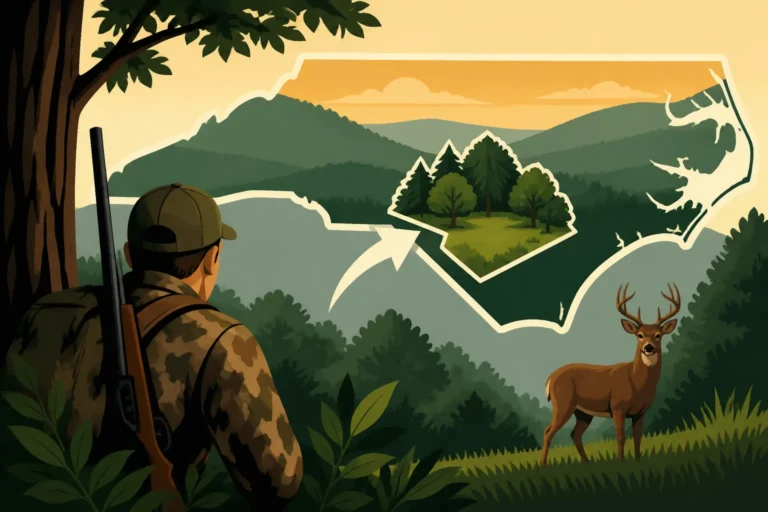
Hunting small private tracts in North Carolina helps hunters manage deer behavior, limited cover, high pressure, and boundaries.
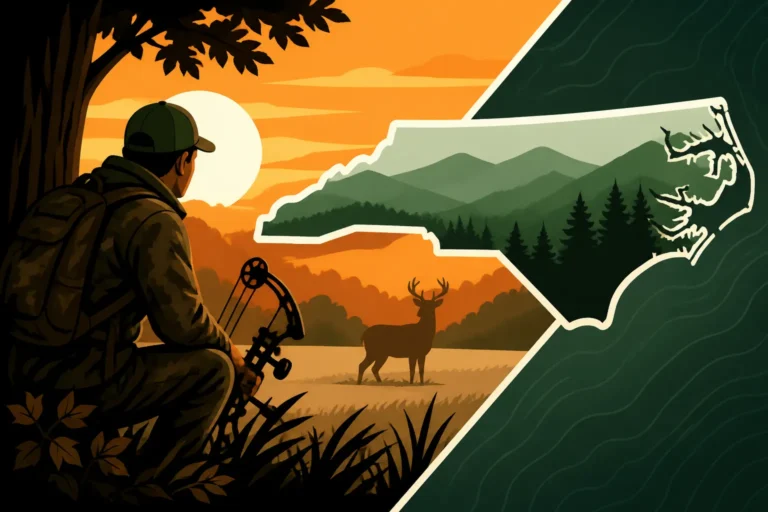
North Carolina public land deer hunting strategies explain how finding low pressure zones and hidden areas helps locate undisturbed animals.
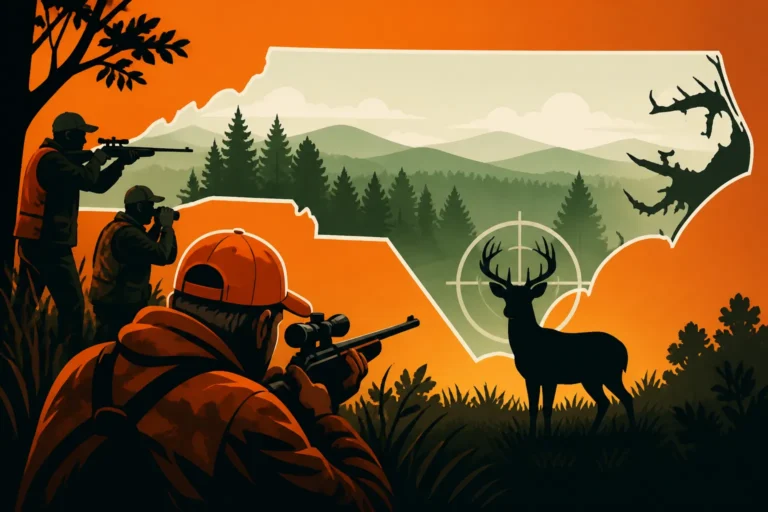
North Carolina public land hunting pressure causes crowded trailheads, shifting deer behavior, and specific challenges for hunters.
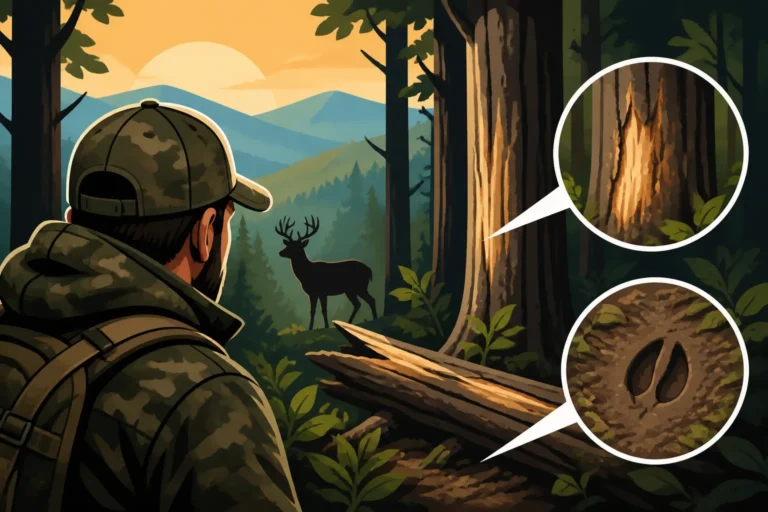
Locating deer sign in Pisgah National Forest requires recognizing mountain ridges, mast food sources, and natural funnels.
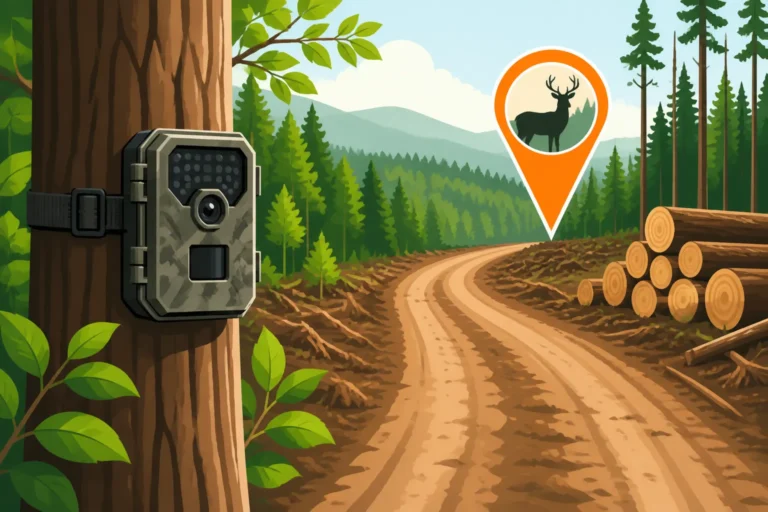
North Carolina logging road trail camera placement locations help hunters capture consistent whitetail deer travel photos and antler identification.

Aerial photographs help hunters pinpoint North Carolina Piedmont deer sign, travel routes, bottlenecks, and bedding areas.
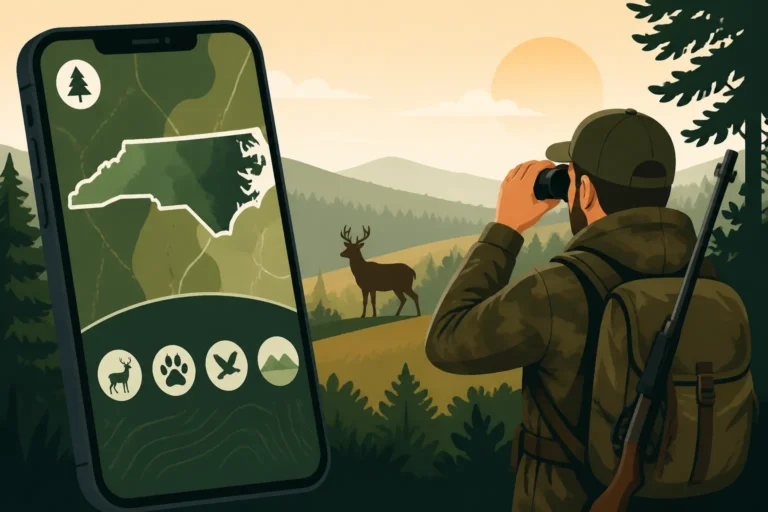
The official NC Wildlife App provides hunters with interactive maps and boundary overlays for scouting North Carolina game lands.
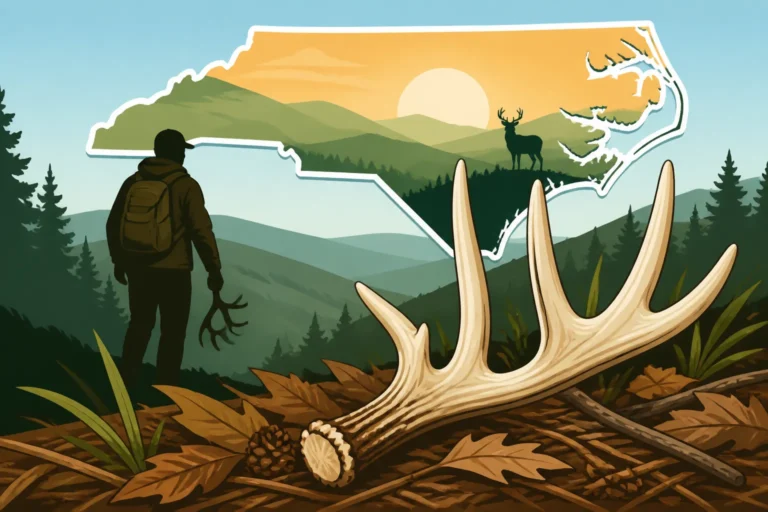
Shed hunting on North Carolina public land requires understanding when bucks drop antlers and navigating rugged terrain.
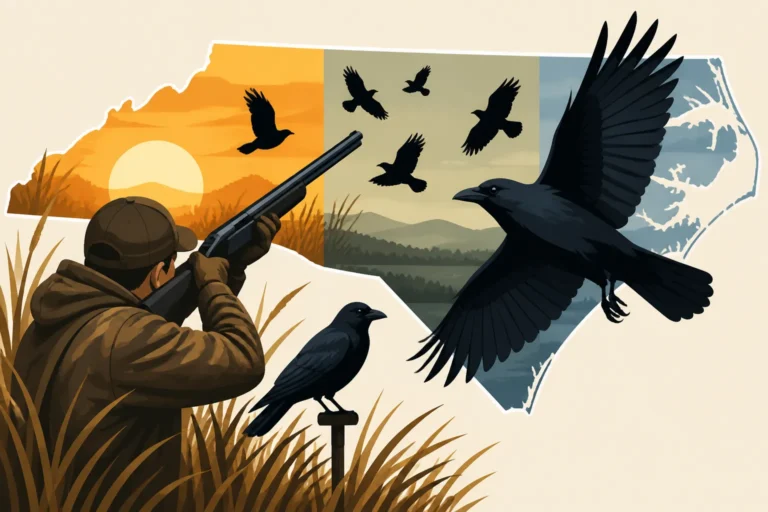
North Carolina crow hunting seasons and regulations explained by the Wildlife Resources Commission, plus proven tactics for hunters.
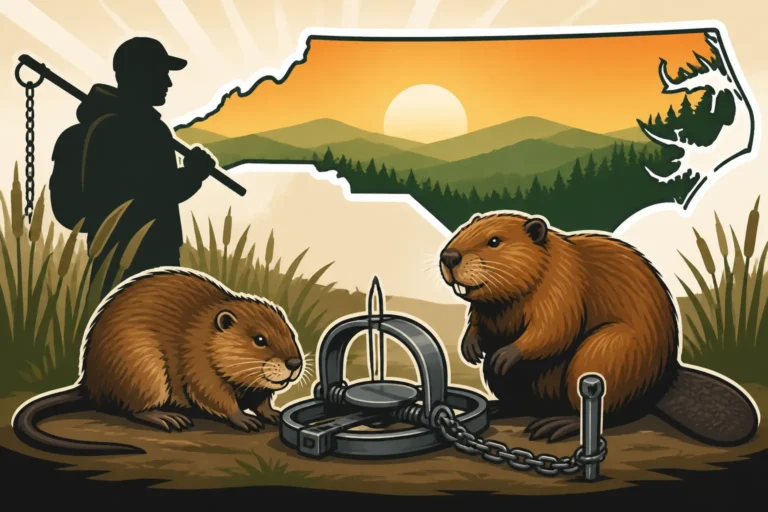
North Carolina trapping regulations and methods for muskrats and beavers help landowners prevent property damage and flooding.