Predator Hunting in North Carolina
North Carolina predator populations, including coyotes, red foxes, and gray foxes, require management to balance deer and turkey herds.
Close the distance.
Archery, muzzleloader, and firearm techniques — calling, stand placement, still-hunting, spot-and-stalk, and the weapon rules that change at the state line.
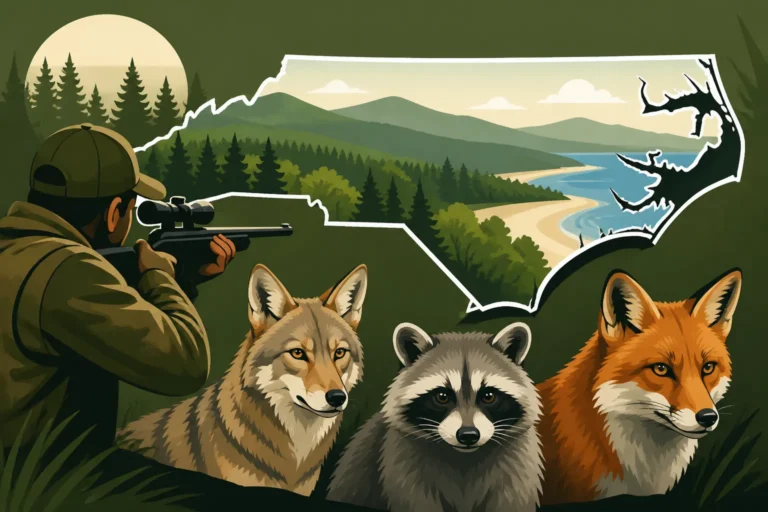
North Carolina predator populations, including coyotes, red foxes, and gray foxes, require management to balance deer and turkey herds.
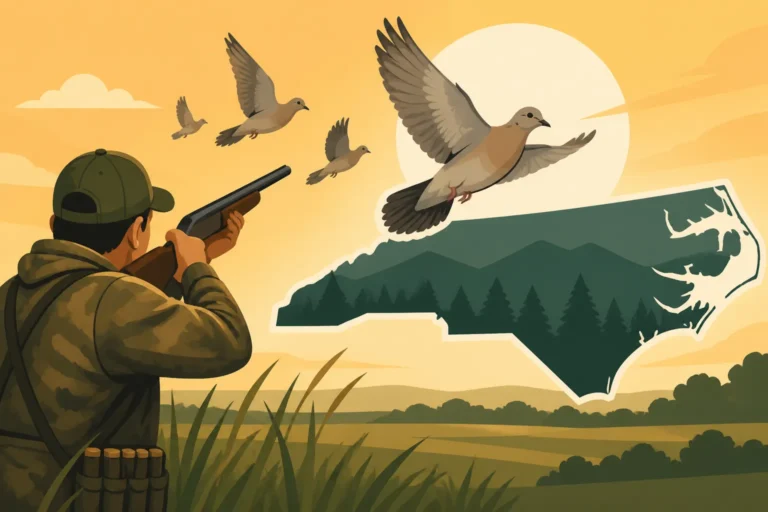
North Carolina dove season opening weekend rules, staggered splits structure, and required hunting licenses and permits.
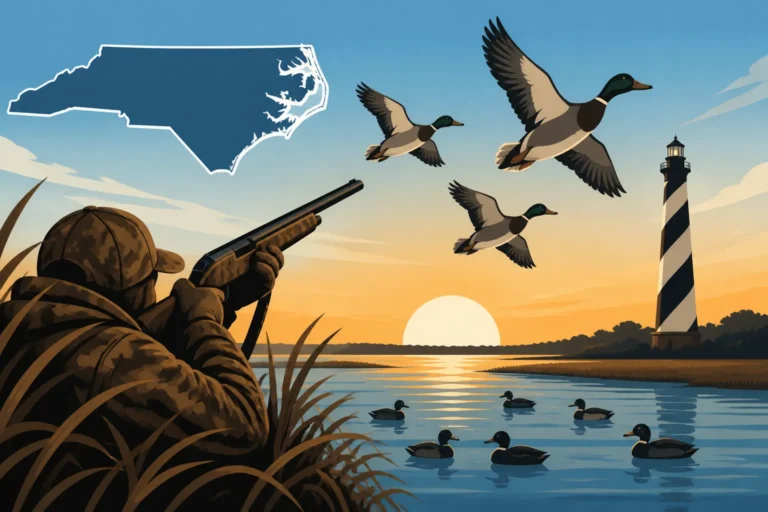
Waterfowl hunting on Currituck Sound and North Carolina coastal impoundments involves tidal patterns, bird movements, and regulations.
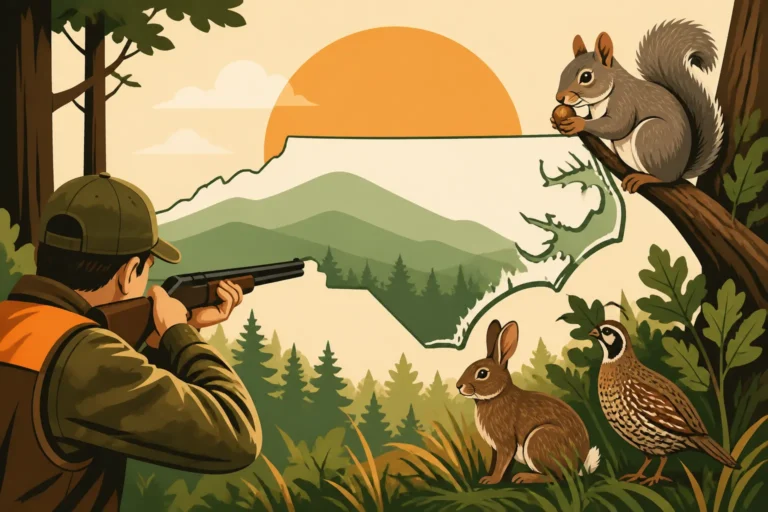
Squirrel and small game hunting in North Carolina provides active outdoor experiences, table fare, and traditional woodcraft skills.
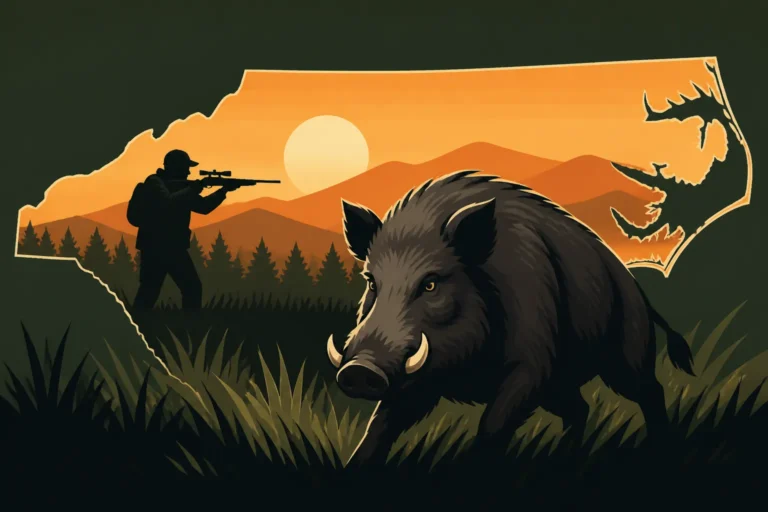
North Carolina feral hog populations cause millions in agricultural damage, threatening native wildlife and spreading diseases year-round.
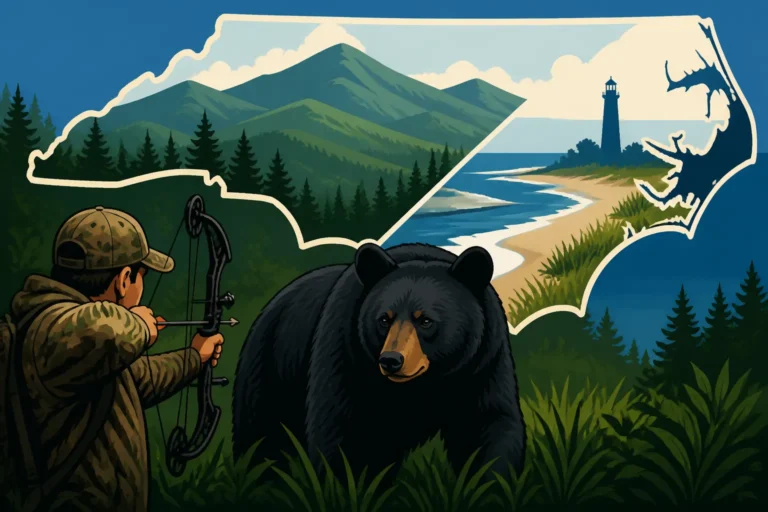
North Carolina black bear hunting strategies for coastal pocosins and rugged mountain terrain populations and regulations.
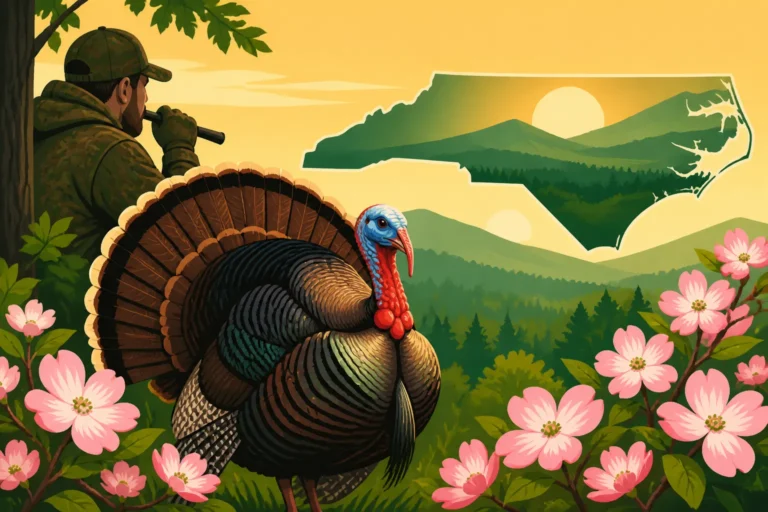
The season generally runs from early April to mid-May, with dates, zones and youth opportunities worth checking, plus calling strategies and terrain tactics.
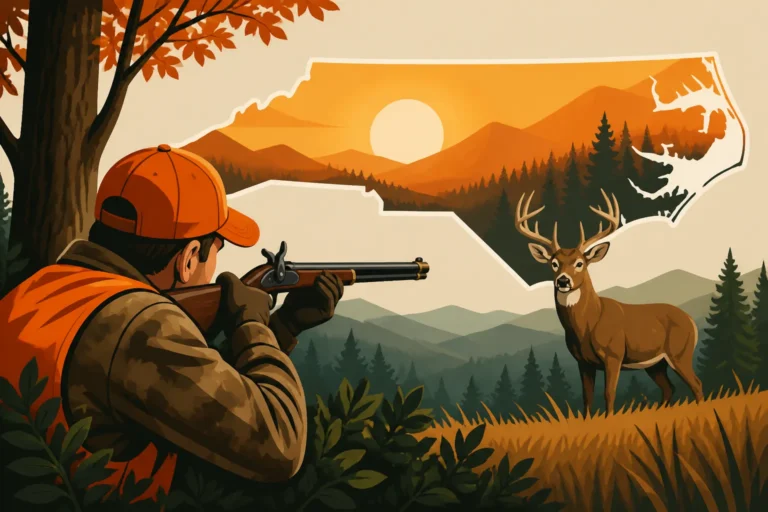
North Carolina muzzleloader deer season dates across four distinct zones and legal black powder equipment definitions.
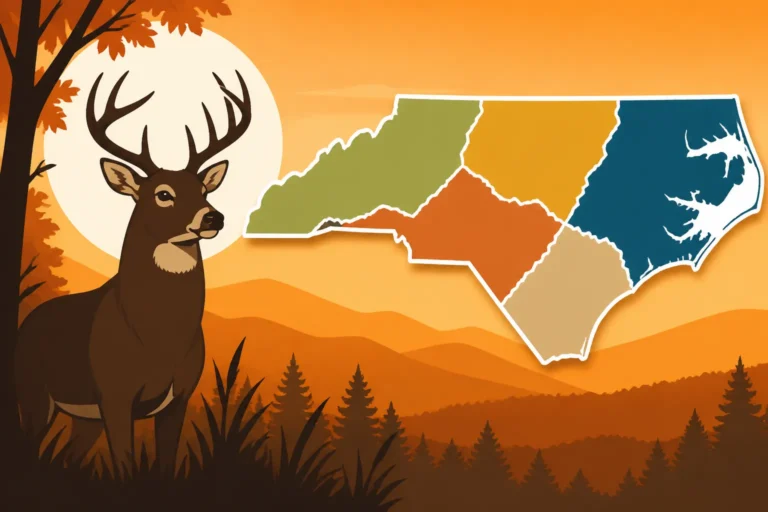
North Carolina gun deer season dates, regulations, and habitats across the Eastern, Central, Northwestern, and Western zones.
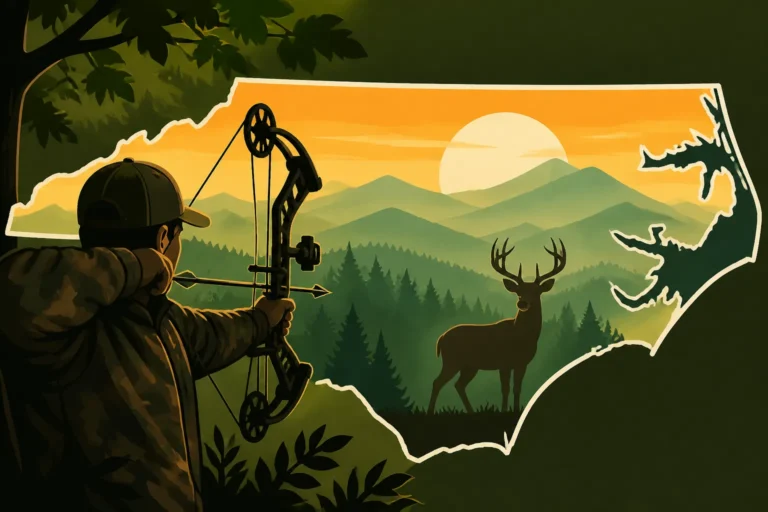
North Carolina statewide archery season dates, four hunting zones, and legal crossbow rules for deer hunters across the state.