Where North Carolina Turkeys Are Densest
North Carolina wild turkey population distribution relies on habitat diversity, food supply, and historical restoration efforts.
Know what you’re after.
Big game, small game, upland birds, and waterfowl — identification, behavior, rut and migration timing, and how each species moves through the season.
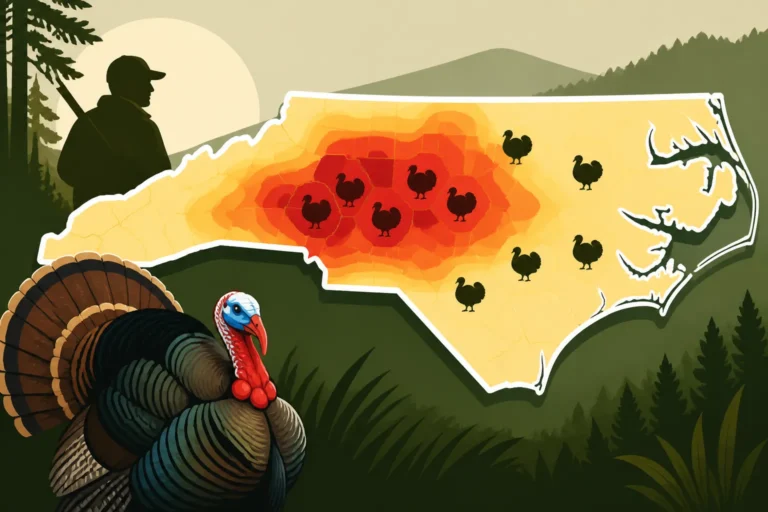
North Carolina wild turkey population distribution relies on habitat diversity, food supply, and historical restoration efforts.
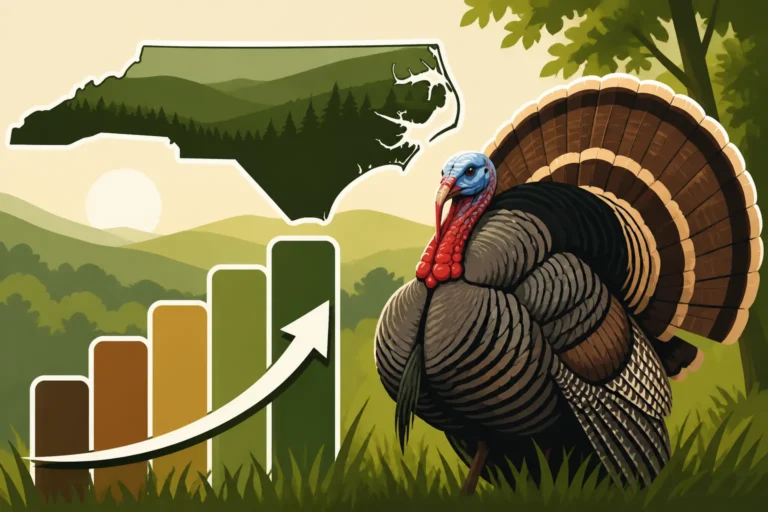
North Carolina spring turkey harvest numbers explain population health and show hunters how to report bird data correctly.
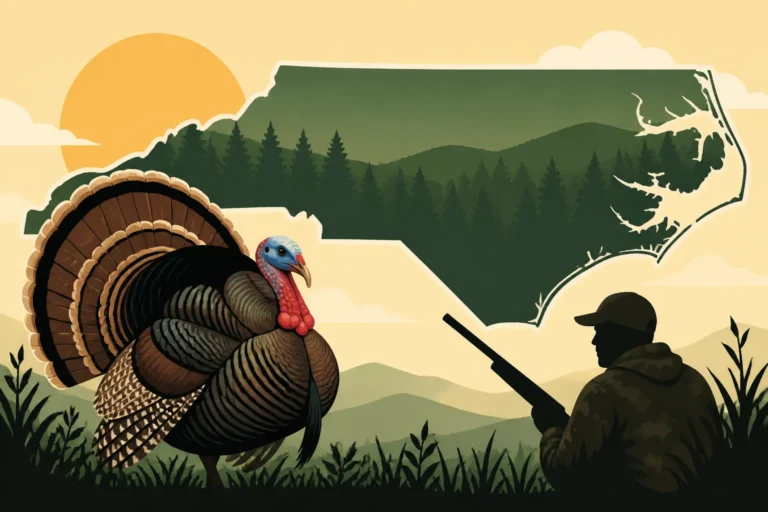
North Carolina wild turkey population estimates, biological surveys, and annual harvest data tracked by wildlife agencies.

Black bear encounters around North Carolina mountain cabins explained through habitat overlap, seasonal patterns, and food attractants.
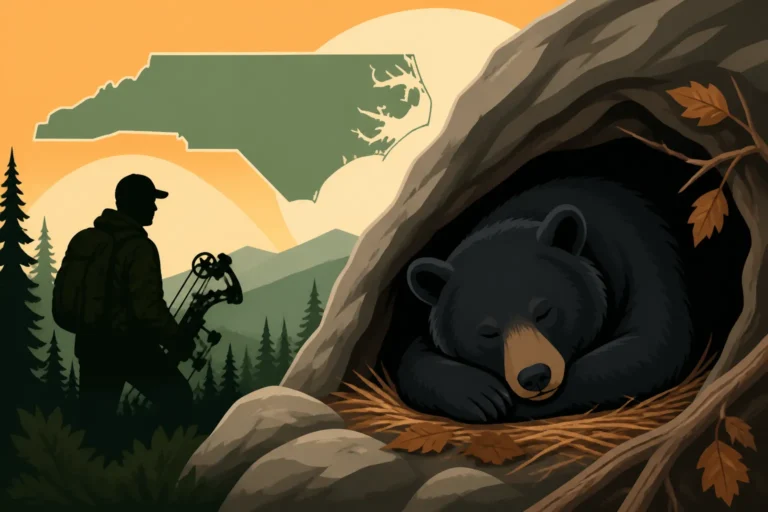
North Carolina black bear winter denning behavior explains torpor, survival strategies, food scarcity, and cub reproduction.
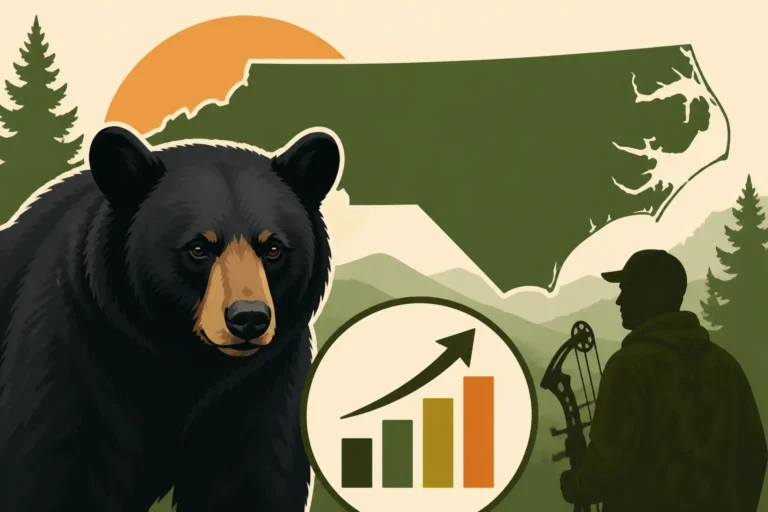
North Carolina black bear harvest numbers explain population health, regional distribution, and wildlife management regulations for hunters.
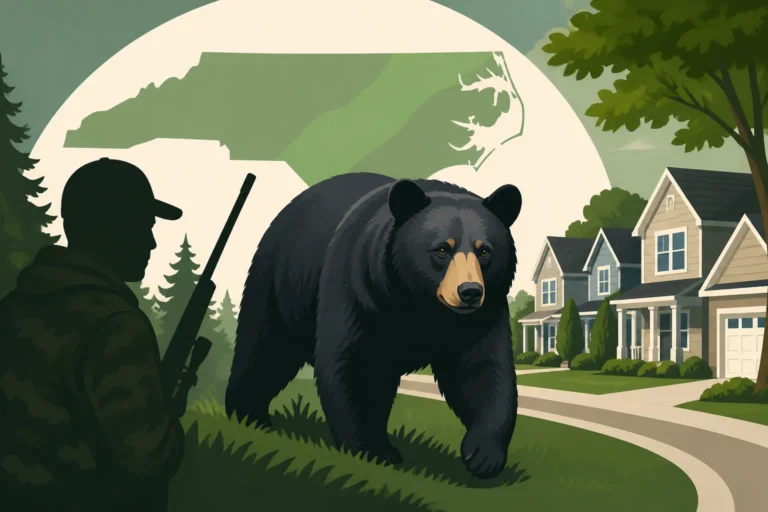
Black bears moving into North Carolina Piedmont suburbs find food and territory due to development and population growth.
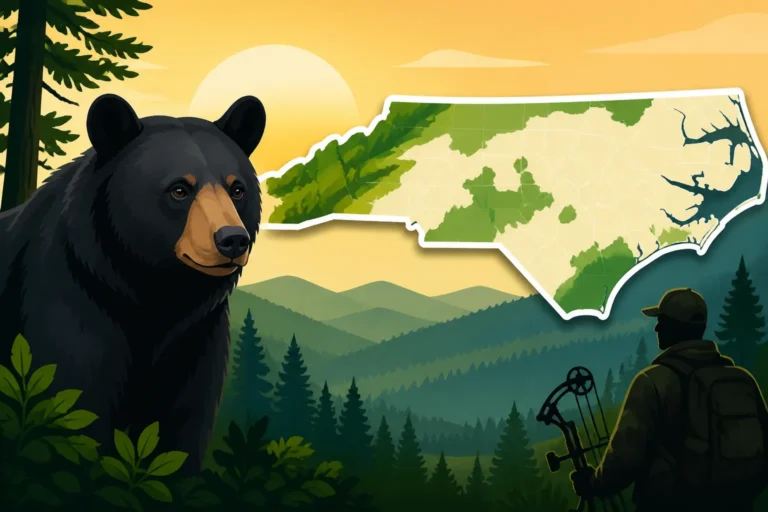
North Carolina black bears inhabit western mountain strongholds like Pisgah National Forest and the eastern coastal plain regions.
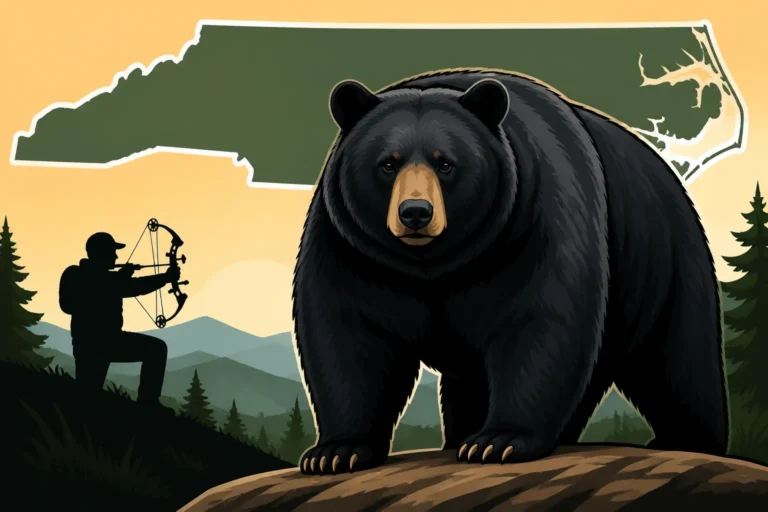
North Carolina black bears and the agricultural factors in Hyde County and Tyrrell County explaining their massive size.
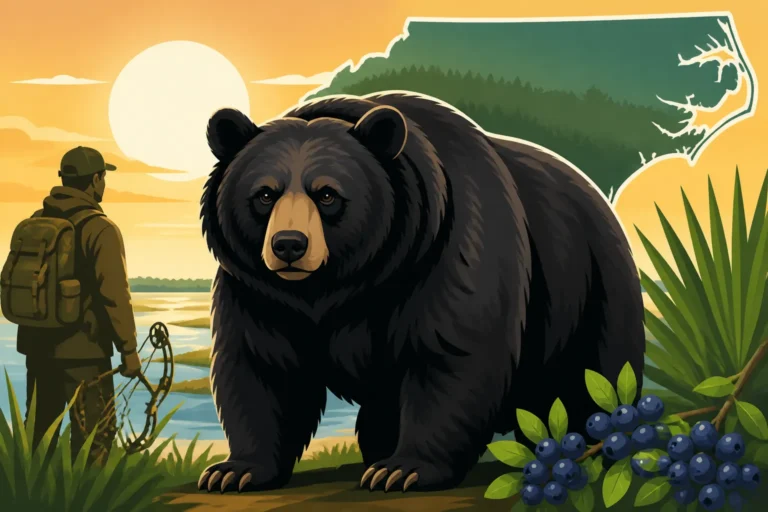
North Carolina coastal black bears reach massive sizes due to abundant energy-rich crops, wetlands, and low energy expenditure.