How North Carolina Quail Numbers Fell Since the 1960s
North Carolina bobwhite quail populations since the 1960s explain habitat loss and farming changes causing their decline.
Know what you’re after.
Big game, small game, upland birds, and waterfowl — identification, behavior, rut and migration timing, and how each species moves through the season.
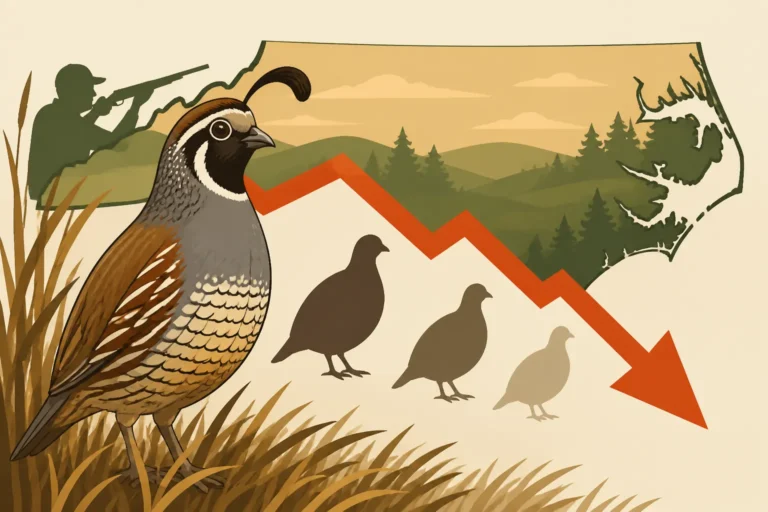
North Carolina bobwhite quail populations since the 1960s explain habitat loss and farming changes causing their decline.
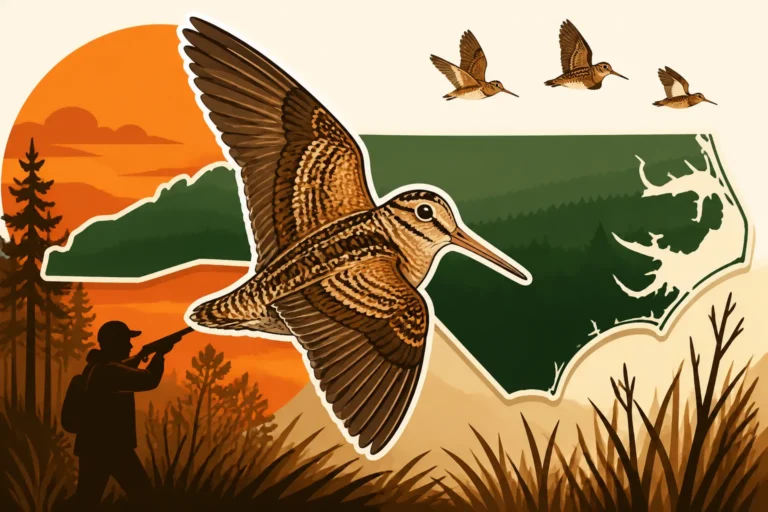
American woodcock migration windows and stopover habitats in North Carolina help hunters anticipate arrival dates from October to early November.
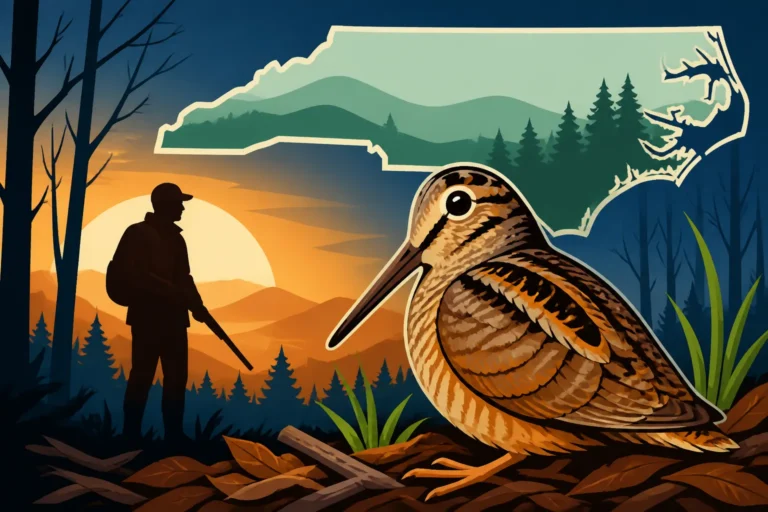
North Carolina woodcock singing ground surveys explain population trends of American woodcock using standardized springtime courtship display counts.
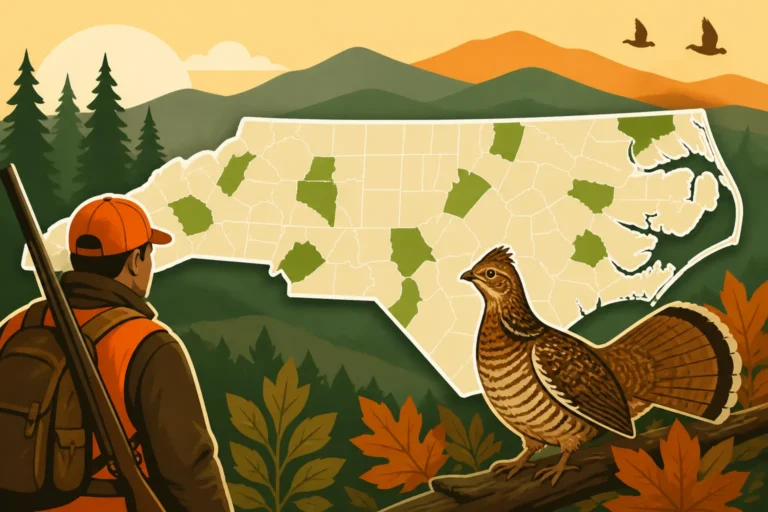
North Carolina counties for grouse hunting, featuring habitat types and public land access in the Appalachian Mountains.
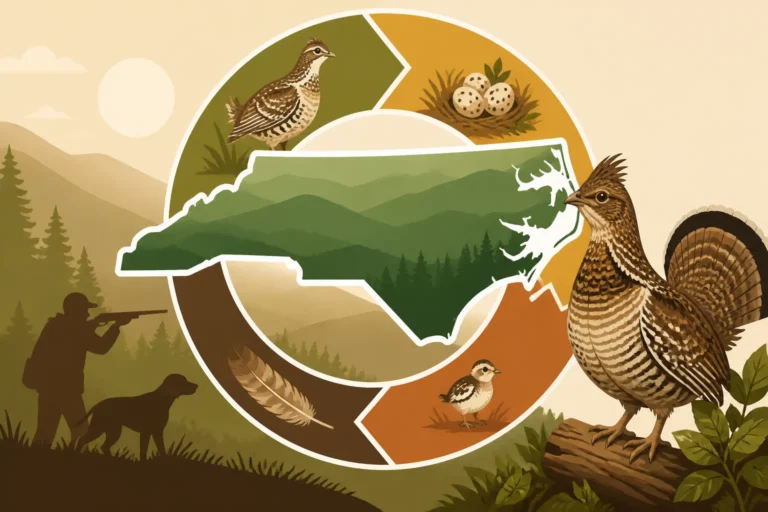
Ruffed grouse population cycles in North Carolina explain natural abundance shifts and where birds live in mountain forests.
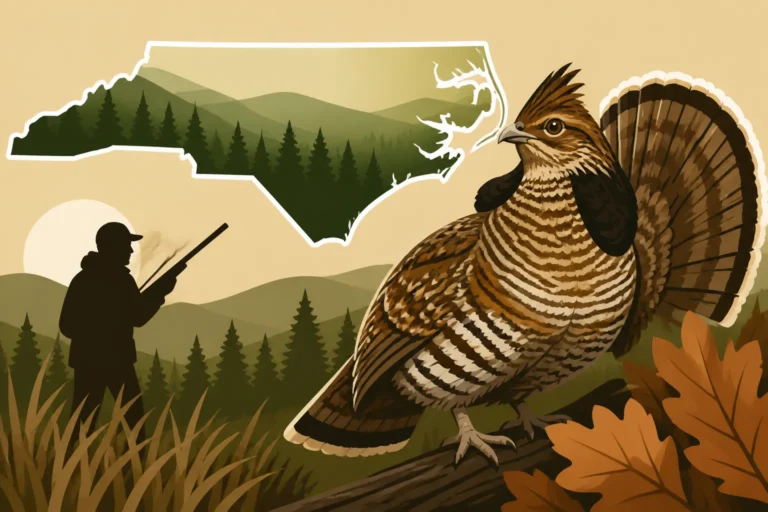
North Carolina ruffed grouse population decline, historical abundance, and habitat loss across the western mountain counties.
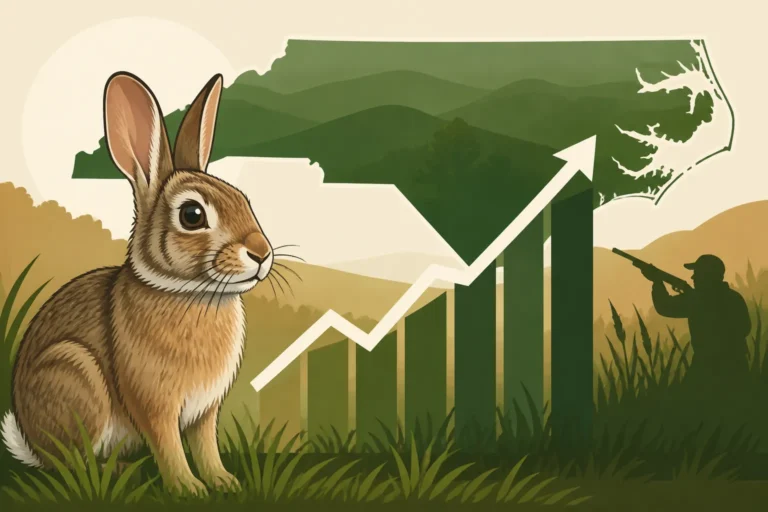
North Carolina cottontail rabbit populations show a measurable downward trend due to agricultural shifts and habitat fragmentation.
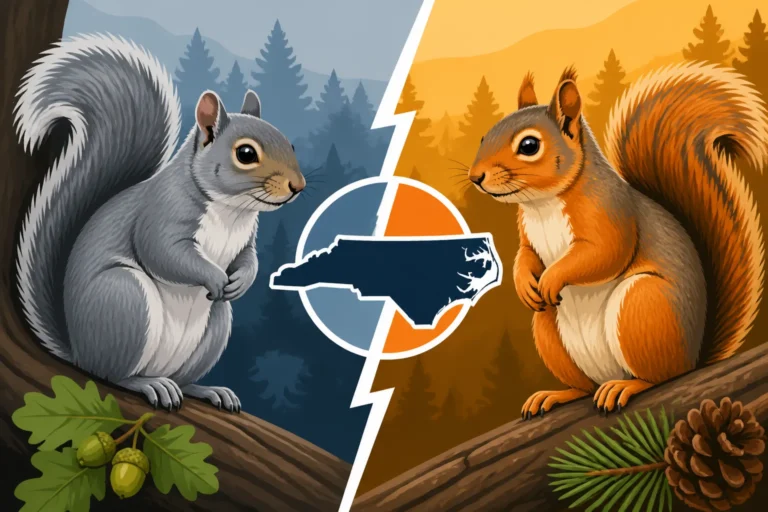
North Carolina squirrel identification helps hunters distinguish eastern gray squirrels from robust fox squirrels in the forest.
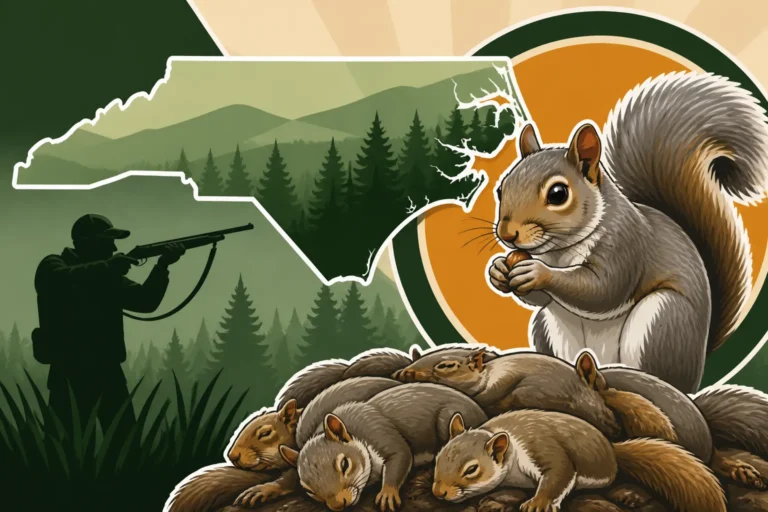
North Carolina squirrel harvest numbers lack precise tracking because small game reporting is not mandatory for hunters.
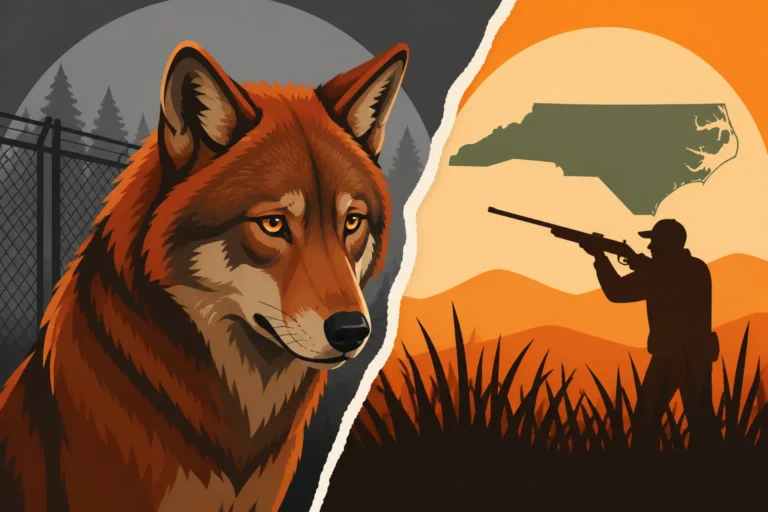
The Red Wolf Recovery Program in North Carolina faced challenges including human wildlife conflict and private property issues.