Best-Eating Game in North Carolina
North Carolina wild game flavor and texture depend on diet, habitat, age, sex, season, prompt field dressing, and cooling.
Know what you’re after.
Big game, small game, upland birds, and waterfowl — identification, behavior, rut and migration timing, and how each species moves through the season.
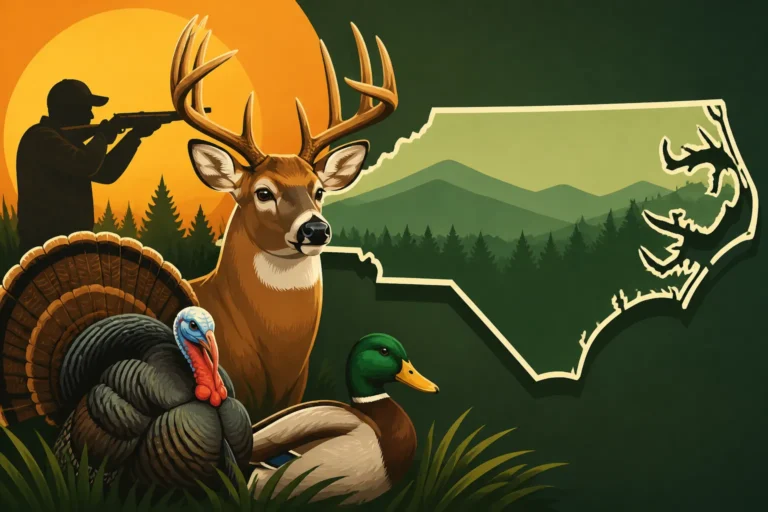
North Carolina wild game flavor and texture depend on diet, habitat, age, sex, season, prompt field dressing, and cooling.
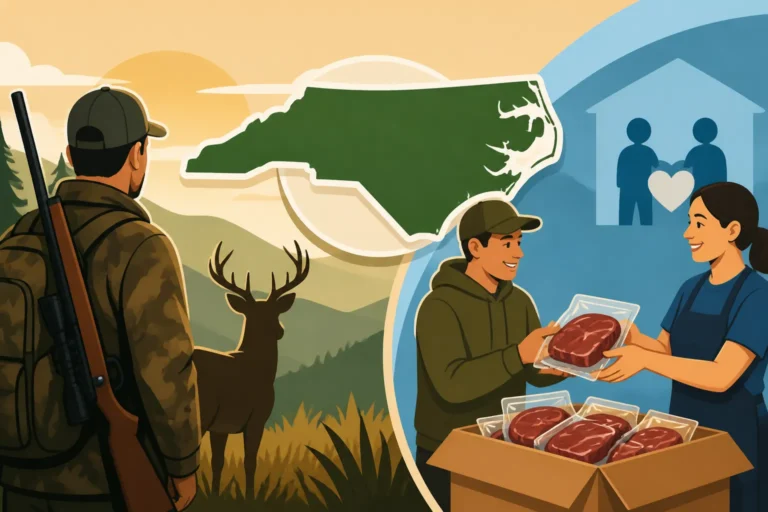
Venison donation in North Carolina provides healthy protein to food banks, addresses local food insecurity, and prevents waste.
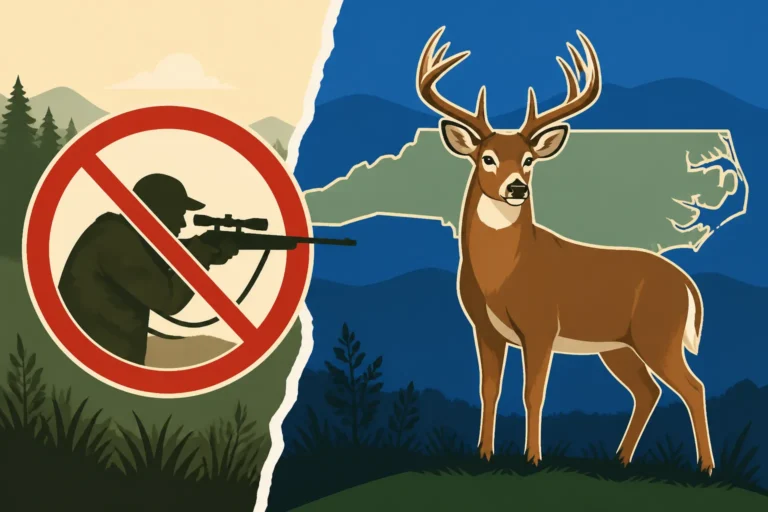
North Carolina protected wildlife species and conservation regulations explain which animals hunters cannot legally hunt.
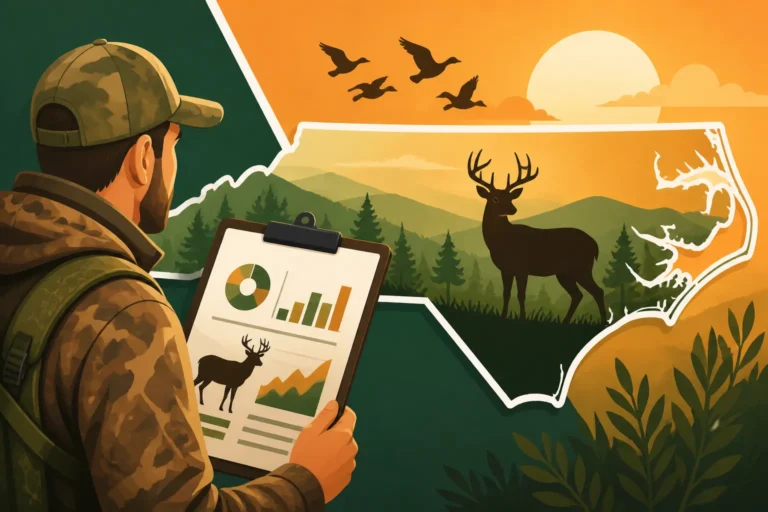
North Carolina harvest reports provide hunters with county data, population trends, and success rates to make informed decisions.
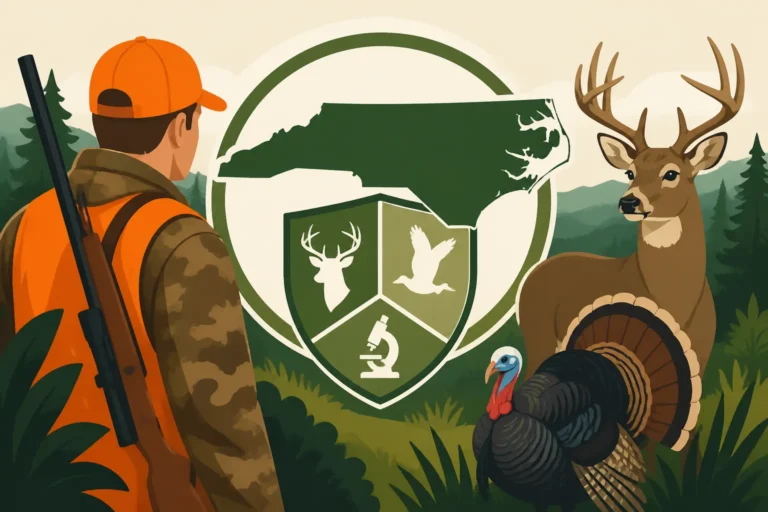
North Carolina wildlife disease monitoring tracks health threats to protect game populations, public safety, and ecosystems.
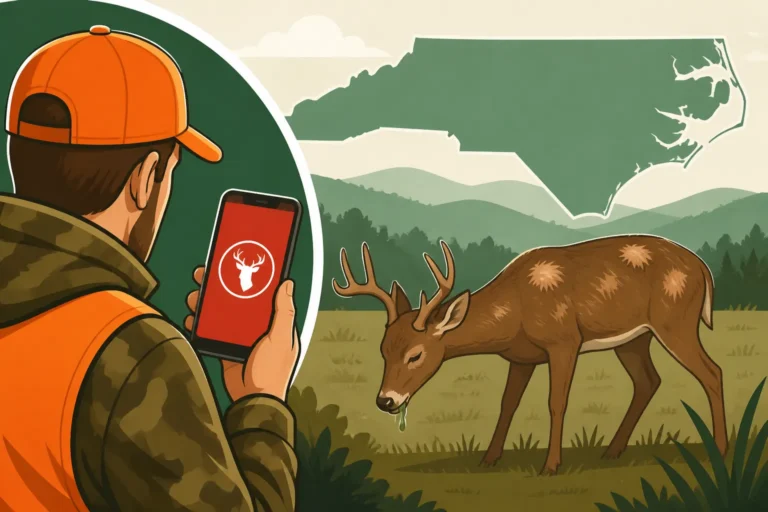
Reporting sick wildlife to the North Carolina Wildlife Resources Commission protects human health and monitors animal diseases.
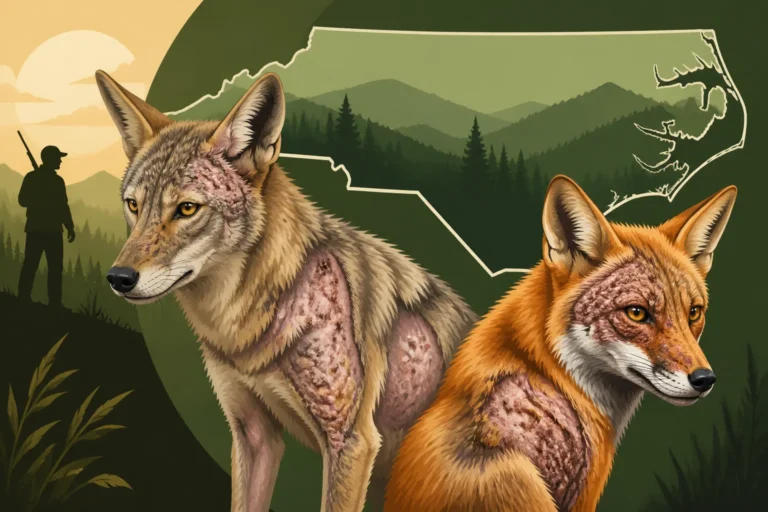
Sarcoptic mange in North Carolina coyotes and foxes causes severe hair loss, crusty skin, and fatal emaciation from parasitic mites.
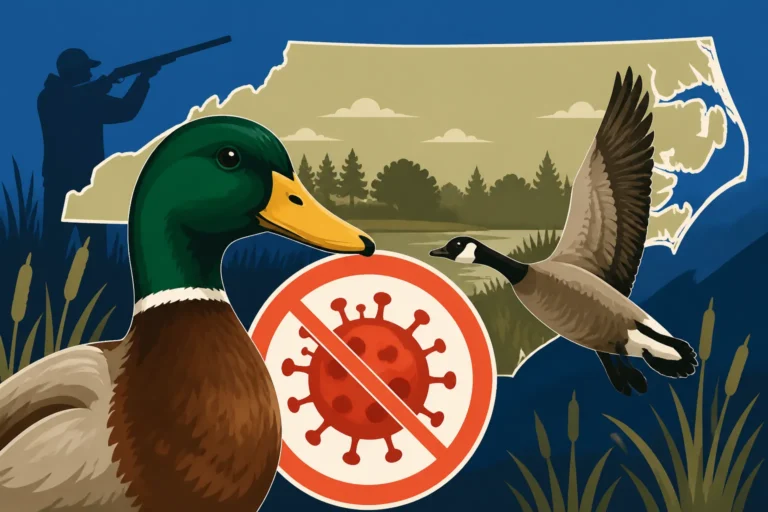
Avian influenza in North Carolina birds explains viral signs, waterfowl spread, and safety steps for hunters and outdoor enthusiasts.
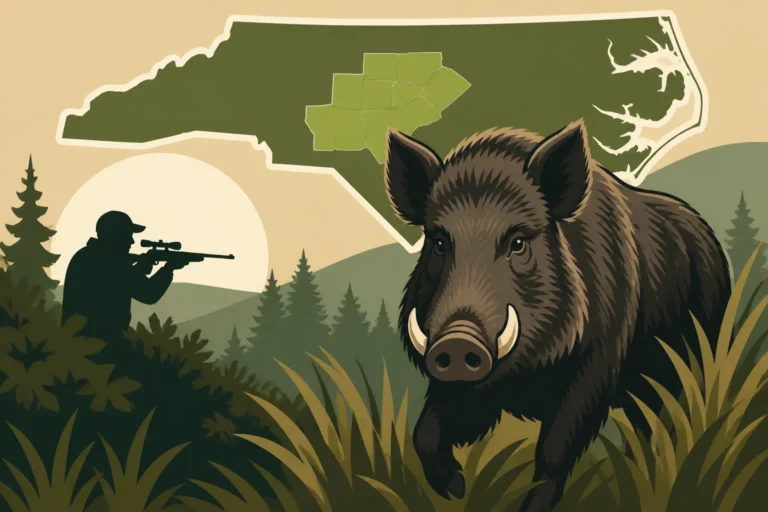
Feral swine spread across Central North Carolina through natural movement and unlawful releases, threatening local agriculture and ecosystems.
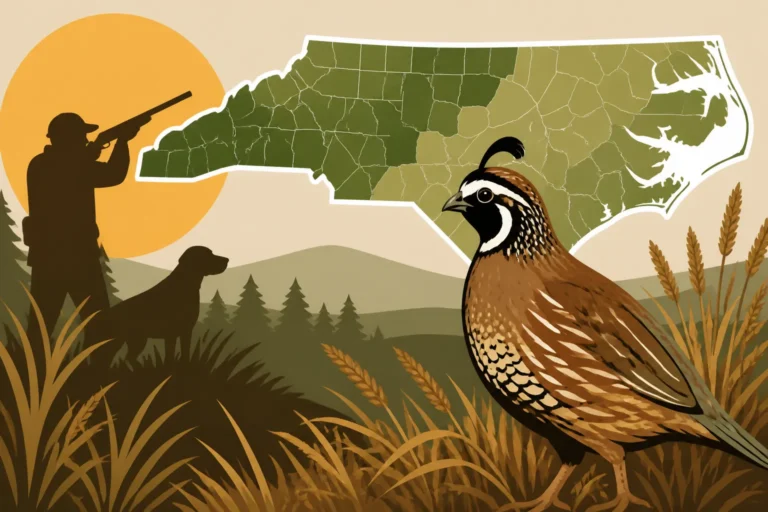
Wild quail populations in North Carolina require early successional habitat, leaving specific counties with realistic covey encounter chances.