North Carolina Predator Impact on Fawn Recruitment
North Carolina fawn recruitment explains how predator impacts from coyotes reduce young deer survival rates for hunters.
Know what you’re after.
Big game, small game, upland birds, and waterfowl — identification, behavior, rut and migration timing, and how each species moves through the season.
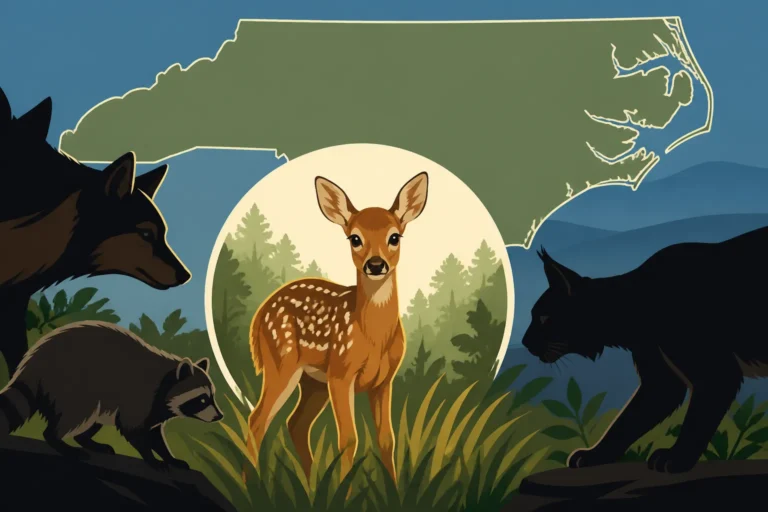
North Carolina fawn recruitment explains how predator impacts from coyotes reduce young deer survival rates for hunters.
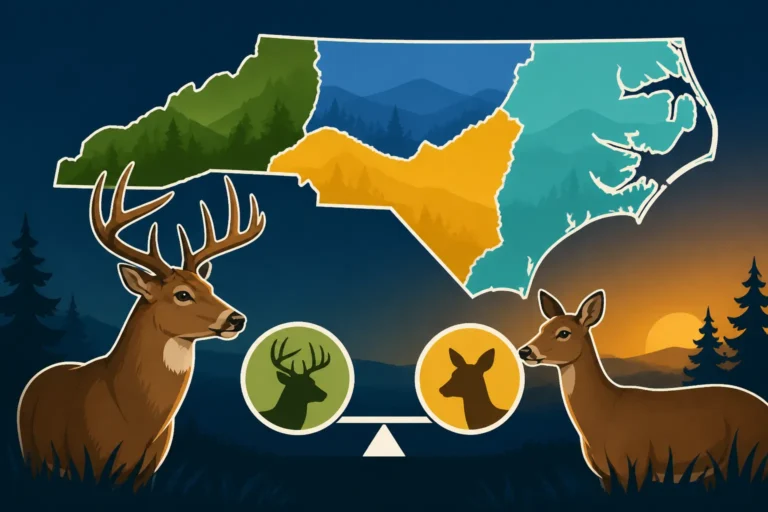
North Carolina deer hunting regions feature varying buck-to-doe ratios that directly influence wildlife management, rut behavior, and harvest success.
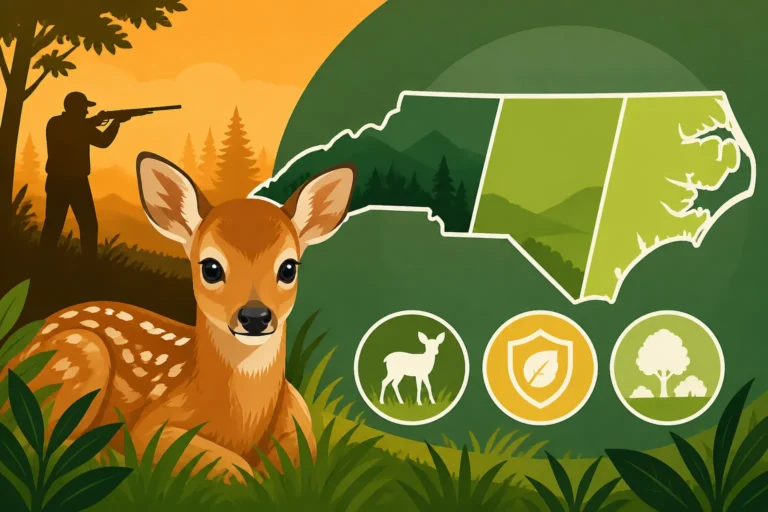
North Carolina fawn survival rates determine whitetail deer population health, future hunting opportunities, and wildlife management decisions.
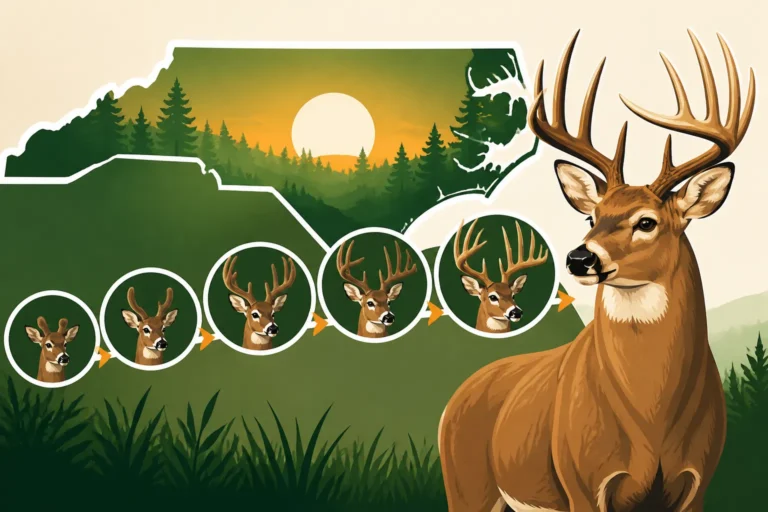
North Carolina deer antler growth details the annual timeline from March and April velvet development to fall hardening.
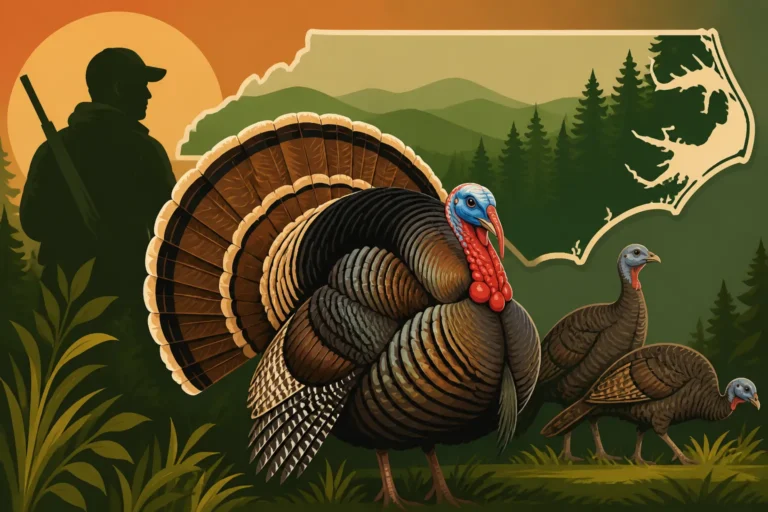
North Carolina wild turkey subspecies traits, habitats, and calls help hunters understand eastern birds and improve hunting strategies.
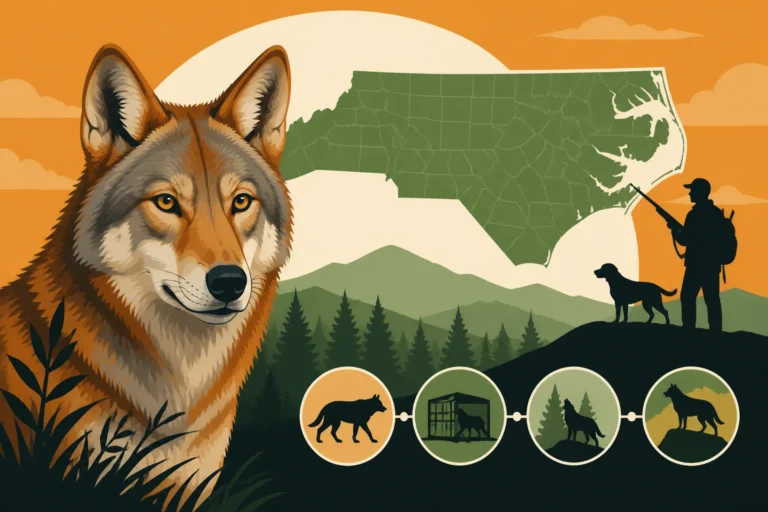
North Carolina Red Wolf Recovery Program history covers conservation efforts, captive breeding, and species reintroduction challenges.
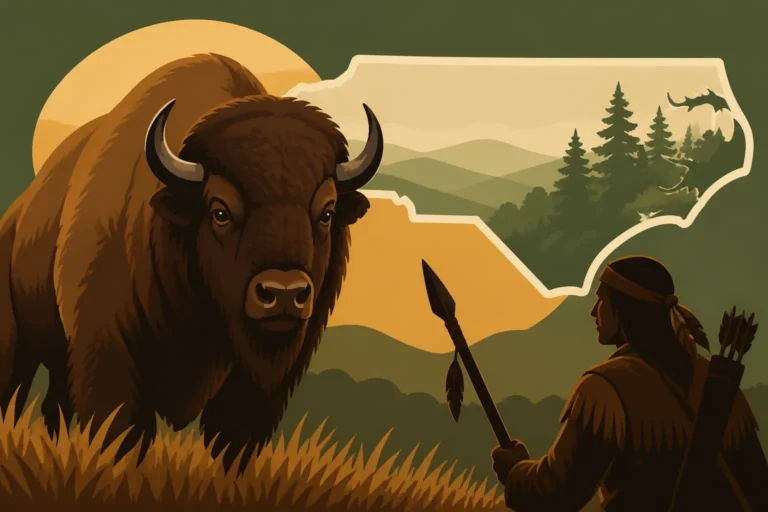
Historical bison herds in North Carolina before European settlement, proven through archaeology, early accounts, and indigenous traditions.
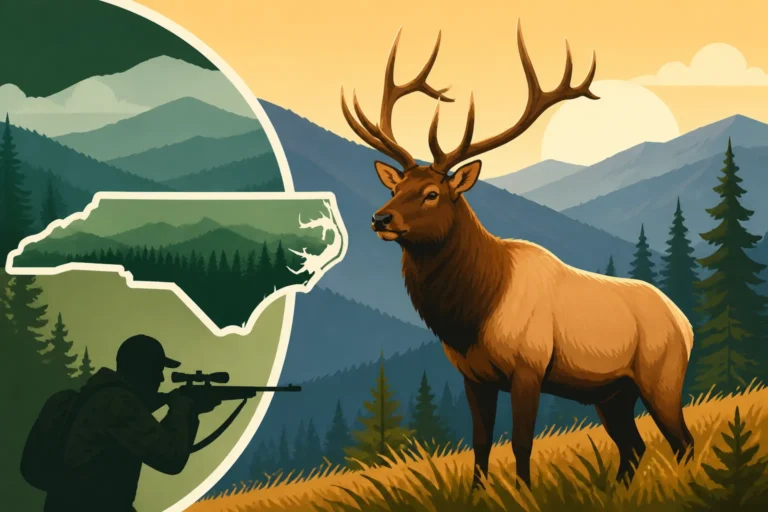
Elk reintroduction in the Great Smoky Mountains National Park details twenty-five animals brought to Cataloochee Valley.
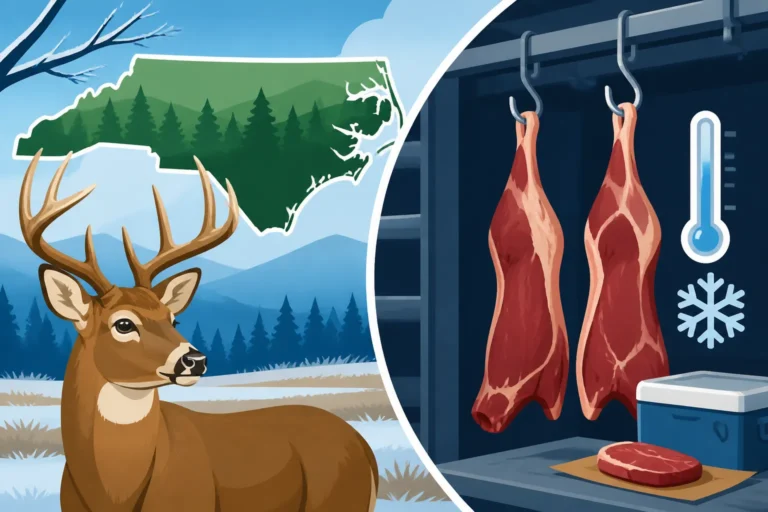
Aging venison in cold weather requires maintaining temperatures between 35 and 40 degrees to break down tough muscle fibers and connective tissues naturally.
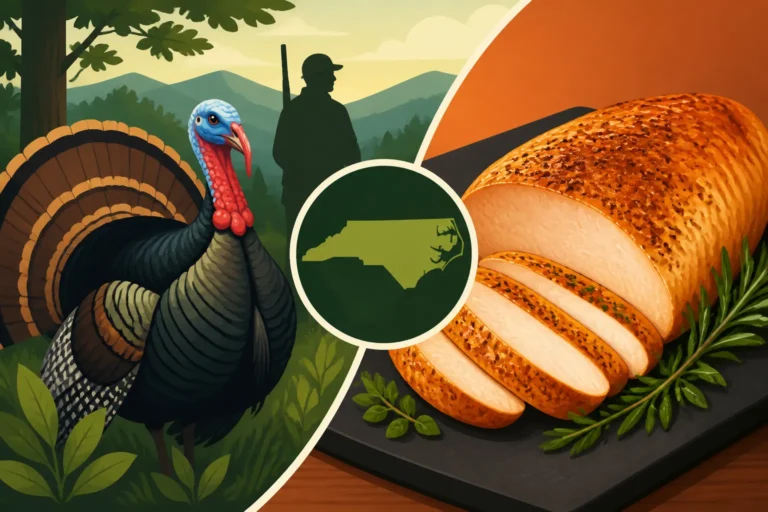
Wild turkey breast meat cooking methods and moisture retention strategies prevent dryness and toughness in North Carolina birds.