Getting Private Land Permission in North Carolina
There's a deep-seated frustration many North Carolina hunters feel when chasing whitetails, bears, or turkeys on public land: the crowds. You spend countless hours scouting, hanging stands, and analyzing wind, only to have another hunter walk right under you, or find three trucks parked at your "secret" spot on opening morning. It’s enough to make you throw your hands up. But imagine a different scenario: quiet woods, undisturbed game, and the satisfaction of knowing you've earned exclusive access. That's the dream of private land hunting. This comprehensive guide is dedicated to helping you navigate the sometimes-daunting process of securing hunting permission on private property across North Carolina, offering practical advice and realistic strategies to turn that dream into a reality.
Why Private Land Hunting is a Game-Changer
Let's be honest, hunting public land in North Carolina can be a true test of patience. We love our national forests and game lands, but the sheer number of hunters, especially during peak seasons, can really diminish the quality of the experience. That's where private land comes in – it’s often the key to unlocking consistent success and enjoying the solitude we all crave in the woods.
Escape the Crowds: The Public Land Reality
Anyone who's ever hunted the opening weekend of gun season on a popular game land knows the feeling. Trucks are bumper to bumper, and it seems like every hundred yards, you spot another hunter's blaze orange. This isn't just an annoyance; it actively impacts game behavior. Deer become nocturnal, turkeys get "call-shy," and bears move into the thickest, nastiest cover they can find. The constant pressure pushes animals off their natural patterns, making it incredibly difficult to predict their movements or even catch a glimpse during daylight.
On public ground, you're constantly competing for space, for stand locations, and for the chance at an unpressured animal. It can feel less like a hunt and more like a race. This reality often leads hunters to explore increasingly remote or difficult-to-access public areas, burning more fuel and boot leather just to get away from other people. But even then, there's no guarantee you won't bump into someone else who had the same idea. It's a fundamental challenge for many North Carolina hunters who simply want a peaceful, productive day afield.
Quality Hunting Opportunities: Less Pressure, Better Deer
When you secure private land permission, you're not just gaining access; you're gaining control over a crucial factor: pressure. Less hunting pressure almost universally leads to higher quality hunting. Deer are more likely to move during legal shooting hours, gobblers are more responsive to calls, and bears are less skittish. This means your scouting efforts are more likely to pay off, and your tactics have a better chance of success. Imagine finding a pristine Scrape Lines Along a Logging Road without another hunter's boot print nearby, or knowing that the big buck you've been tracking won't be pushed off the property by someone else's deer drive.
Private land often supports healthier game populations and larger, older animals simply because they aren't being constantly harassed. You might find a small woodlot near Hunting Small Private Tracts in North Carolina that hasn't seen a hunter in years, offering incredible potential. Plus, on private land, you can often implement long-term strategies, like selective harvesting or planting Food Plots on North Carolina Private Land, which can dramatically improve the hunting year after year. It transforms hunting from a one-off event into an ongoing management project, with direct benefits to you.
Tailored Management: Your Vision, Their Property
One of the biggest advantages of private land, especially if you establish a strong relationship with the landowner, is the potential for tailored habitat management. On public land, you're restricted to what the state or federal agencies allow. On private land, with the owner's permission, you might be able to strategically place ground blinds, improve bedding cover, or even hinge-cut trees to create better travel corridors. This level of control allows you to shape the property to better suit your hunting style and the local game.
This isn't about taking over, but about collaborating. Many landowners, especially those without a hunting background, are interested in seeing healthy wildlife and often welcome suggestions that benefit the property while also providing better hunting. Perhaps they have an overgrown field you could help clear, or an area that would make a perfect staging ground for deer. This collaborative approach ensures that both your goals and the landowner's interests are met, creating a sustainable and rewarding hunting experience for everyone involved.
Understanding North Carolina's Trespass Laws
Before you even think about knocking on a door, it's absolutely crucial to understand the legal framework surrounding private land access in North Carolina. Ignorance of the law is never an excuse, and a simple mistake could cost you more than just a hunting spot.
What Constitutes Trespass in NC
In North Carolina, trespass can be a bit more nuanced than simply stepping onto someone's land. Generally, you are trespassing if you enter another's land without permission and without a legal right to be there. This includes hunting, fishing, trapping, or even just walking through the property. The key is "without permission." Permission can be expressed (they told you yes, verbally or in writing) or implied (like an open gate to a field often used by the public, though this is risky for hunting).
The law specifies that entering or remaining on someone's property after being forbidden to do so, either orally or by printed notice, constitutes trespass. This is why "Posted" signs are so important. Even if a property isn't explicitly posted, if you haven't received permission, you are trespassing. It's a simple concept but one that hunters must take very seriously. Always assume land is private and requires permission unless it is clearly marked as public access. This proactive mindset will keep you out of trouble.
"Posted" Signs and Implied Permission
North Carolina's North Carolina Posted Land Rules are pretty clear. If a property is marked with clearly visible signs, or with purple paint on trees or posts, indicating "Posted: No Hunting," "Private Property," or similar warnings, then permission is explicitly denied. Entering such property for hunting purposes is a clear violation. The signs must be placed conspicuously, generally no more than 200 yards apart, and at all corners and entrances. Purple paint marks should be at roughly eye level.
Even without explicit "No Hunting" signs, if a property is cultivated (like a farm field) or enclosed by a fence, it's generally understood that it's private and requires permission. The concept of "implied permission" is a slippery slope for hunters. While some landowners might leave a path open for neighbors to walk, this rarely extends to hunting. Always err on the side of caution. If there's any doubt, seek explicit permission. Relying on "implied permission" for hunting is a gamble you don't want to take. You can find more details on what counts as written permission in Do You Need Written Permission in North Carolina?.
Retrieving Game From Private Land
This is one of the most frustrating scenarios for a hunter: you make a great shot on a deer, but it runs onto an adjacent private property where you don't have permission. North Carolina law generally states that you cannot enter private land to retrieve game without the landowner's permission. Even if you saw the deer fall just inside the property line, you must first contact the landowner. This can be incredibly difficult if you don't know who owns the land or can't reach them quickly.
It's a tough pill to swallow, especially when you've put in all the effort. This is why it's so important to scout out adjacent properties when hunting near private boundaries. Knowing the neighbors and perhaps having established contact with them before the season starts can be a lifesaver. You can explain your situation, ask if you can call them if a deer runs onto their land, and establish that goodwill ahead of time. Proactive communication is always the best defense against losing a hard-earned animal. For more detailed information, check out Retrieving Game From Private Land in North Carolina.
The Art of Asking: How to Approach Landowners
Asking for permission is often the biggest hurdle for hunters. It can feel awkward, intrusive, or even intimidating. But remember, the worst they can say is no. Approaching landowners with respect, preparation, and a clear understanding of what you're asking for can significantly increase your chances of success.
First Impressions Matter: Preparation is Key
Think of it like a job interview. You wouldn't show up unprepared, and the same goes for asking a landowner for hunting permission. Before you even knock, do your homework. Use mapping tools like onX Hunt or even county GIS maps to identify the landowner's name and locate their residence. Research the property itself – what kind of terrain is it? Is it farmed? Are there livestock? Knowing a little about their property shows you're serious and respectful.
When you go to meet them, dress appropriately. You don't need a suit, but clean, presentable clothes are far better than dirty camo and muddy boots. Be polite, friendly, and articulate. Have a clear, concise explanation of why you're there and what you're asking for. A small, thoughtful gesture, like an offer to help with a chore or a fresh pie, can sometimes make a positive first impression, but the most important thing is sincerity and respect. Your demeanor speaks volumes before you even say a word.
The Face-to-Face Conversation: Etiquette and Honesty
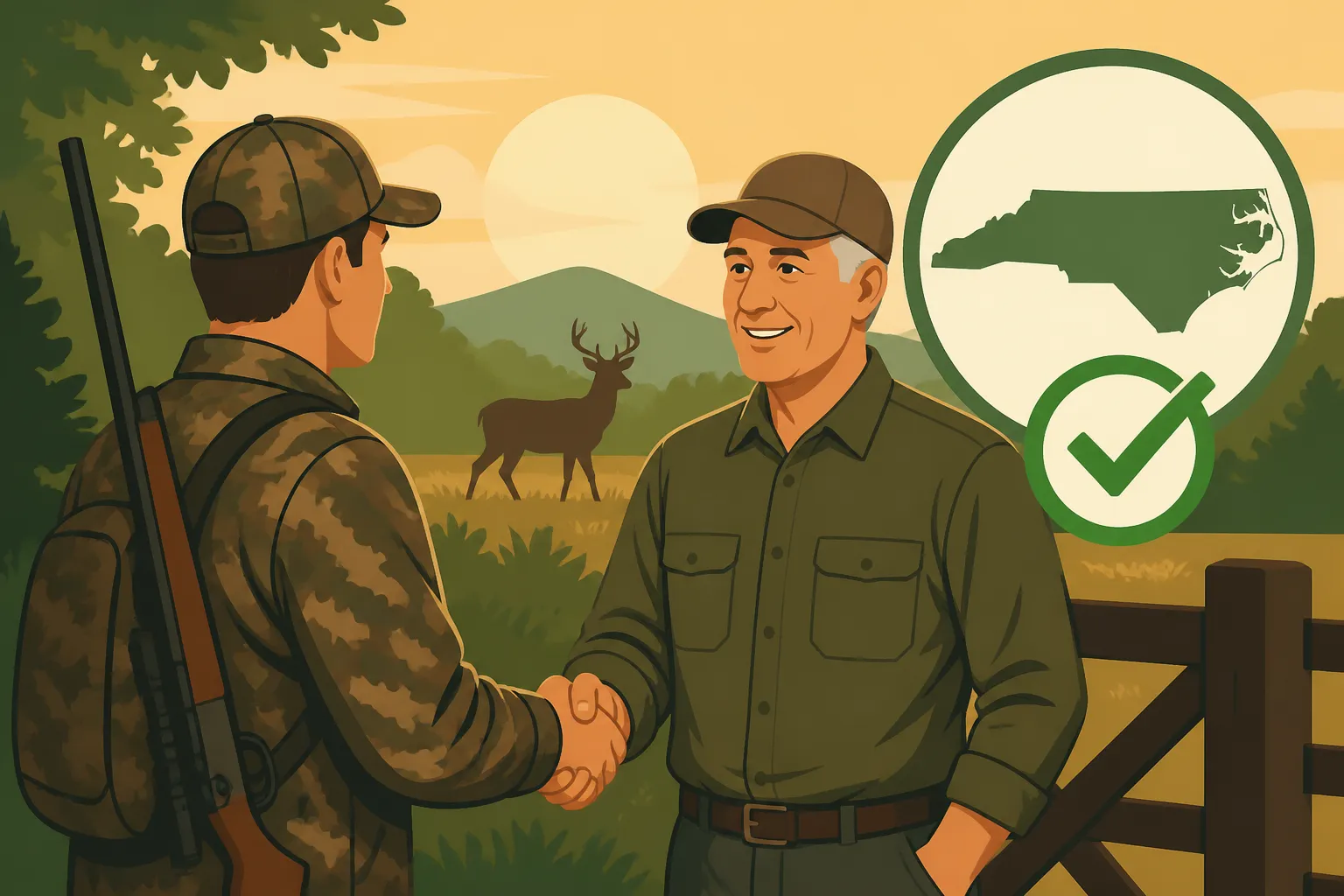
Always try to make your request in person. A phone call is better than nothing, but a face-to-face conversation allows you to build rapport and demonstrate your character. Pick an appropriate time – not during dinner, early in the morning, or late at night. Weekends or late afternoons can often work best. When they answer the door, introduce yourself clearly and state your purpose directly but politely. "Hello, Mr./Mrs. Smith, my name is [Your Name], and I live nearby. I was hoping to speak with you for a few minutes about the possibility of hunting on your property."
Be honest about your intentions. Are you looking to hunt deer with a bow during archery season? Or are you hoping for gun season access? Be specific. Don't promise something you can't deliver. If they ask questions, answer them openly. Address any concerns they might have about safety, property damage, or noise. Remember, you are a guest asking for a privilege, not demanding a right. A simple, "No, thank you" if they decline, without argument or frustration, will leave a far better impression and might even open a door for future opportunities. Many hunters have had success with Knocking on Doors in Piedmont Farm Country.
Crafting Your Pitch: What to Offer
Many landowners, especially those who don't hunt themselves, might see granting permission as a liability or a hassle. Your job is to make it sound like a benefit. What can you offer in return for access? It doesn't have to be monetary. Practical help is often highly valued.
Consider these offerings:
- Pest Control: Offer to help manage nuisance wildlife like coyotes or feral hogs, which can cause significant damage to crops or livestock. North Carolina has a year-round feral hog season on private land, making this a tangible benefit.
- Property Maintenance: Volunteer to help with chores like fixing fences, clearing brush, picking up litter, checking on the property when they're away, or assisting with other farm tasks. Many landowners are older and appreciate an extra set of hands.
- Safety & Security: Explain how having a responsible hunter on their property can actually deter trespassers or poachers. You become an extra set of eyes and ears.
- Game Management: If they're interested, you could offer to provide information on the deer herd, or even assist with harvest management goals, especially if they are experiencing crop damage. North Carolina Deer Damage Permits for Farmers are a real thing, and you could be part of the solution.
Be prepared to listen more than you talk. Understand their needs and concerns, and then tailor your pitch to address them. The goal is to build a relationship, not just to get a "yes" for one season.
| Landowner Concern | Hunter's Solution/Offer |
|---|---|
| Safety: Worried about accidents | I'm a certified hunter, will wear blaze orange, only shoot safe directions, and can provide proof of insurance. |
| Property Damage: Fences, gates, litter | I will respect all property, close all gates, won't drive off established paths, and will pack out all my trash. |
| Nuisance Animals: Hogs, coyotes | I'd be happy to help control Hunting North Carolina's Year-Round Feral Hogs or Coyote Calling in North Carolina Farm Country to protect your crops/livestock. |
| Security: Poachers, trespassers | I can be an extra set of eyes on your property, reporting anything suspicious. |
| Time/Effort: Too busy for hunters | I'm self-sufficient and won't require your time. I'll park discreetly and respect your privacy. |
| Liability: What if someone gets hurt? | I carry personal liability insurance and am happy to sign a waiver or agreement. |
| Privacy: Don't want strangers around | I'll be respectful of your home and family, sticking to agreed-upon hunting areas and times. |
Building Relationships: Beyond the First Hunt
Getting permission once is a great start, but the real goal is to secure long-term access. This requires nurturing the relationship with the landowner, demonstrating your reliability, and proving that you are a responsible and valuable asset to their property.
Follow-Up and Gratitude: A Little Goes a Long Way
After your first successful hunt, or even if you didn't harvest anything but had a good experience, follow up with the landowner. A simple "Thank you" goes an incredibly long way. A phone call, a handwritten card, or a small gift like a portion of venison (if you harvested something and they consume wild game) shows genuine appreciation. Never take access for granted. This isn't just common courtesy; it reinforces your positive image and makes them more likely to grant permission again.
Even throughout the season, a quick check-in can be beneficial. "Just wanted to let you know I was out in the back forty this morning. Saw a few deer, no shot opportunities. Everything looks good on the property." This consistent communication demonstrates respect and reinforces that you're not just taking, but also caring for their land. It's about being a good steward.
Offering Help: More Than Just Hunting
Remember those offers you made when you first asked for permission? Now is the time to follow through, even if they didn't explicitly ask. If you offered to help fix a fence, make time to do it. If you saw some downed limbs after a storm, ask if you can help clear them. This could be anything from helping mend a fence, clearing a path, assisting with planting season, or even just helping to haul off trash.
This consistent willingness to help, even outside of hunting season, reinforces your value. You're not just a hunter; you're a trusted pair of hands. This kind of mutual benefit turns a transactional request into a genuine partnership. It solidifies your place as a respected friend, not just a seasonal visitor. These gestures can be particularly impactful on properties like Hunting Piedmont Farmland Deer where daily tasks are abundant.
Maintaining Trust: Communication is Crucial
Trust is the bedrock of any long-term private land access. Be transparent about your hunting activities. If you plan to bring a friend, ask the landowner first. If you plan to scout extensively, let them know. If you notice any damage or suspicious activity on their property, report it to them immediately. Being an extra set of eyes and ears for their property can be a significant benefit to them.
Always adhere to any specific rules or limitations they set, whether verbal or written. If they say "no hunting after dark" or "stay away from the old barn," stick to it. Breaking trust, even once, can permanently revoke your permission. Consistency, honesty, and open communication are your best allies in maintaining that coveted private land access year after year. For specific details on agreements, consult Do You Need Written Permission in North Carolina?.
Tools and Technology for Finding Land
The modern hunter has a powerful arsenal of digital tools at their fingertips that can make the process of finding and researching private land much more efficient. Gone are the days of relying solely on guesswork and county plat books.
Mapping Applications: Identifying Ownership
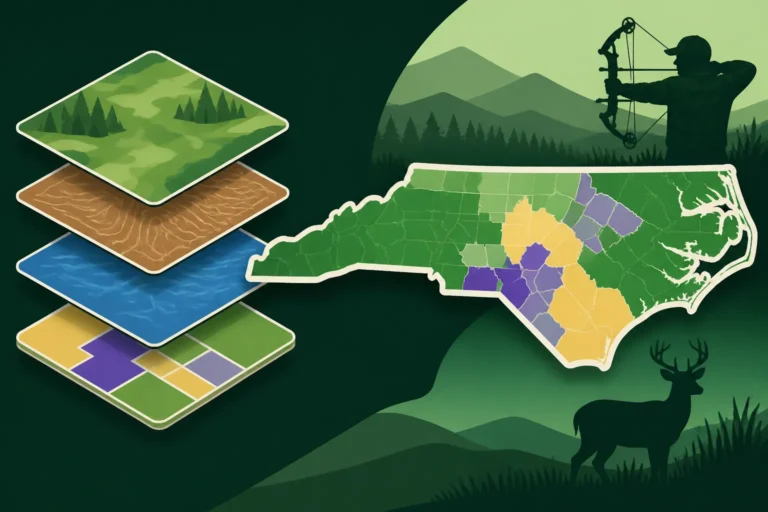
This is where technology truly shines. Mapping applications like onX Hunt are invaluable for identifying private land boundaries, landowner names, and even contact information (though this isn't always available). You can zoom in on areas of interest, identify potential hunting spots, and see precisely who owns each parcel. This saves countless hours of driving around and guesswork. You can use layers to see property lines, landowner names, public lands, and even different types of terrain.
Using onX Hunt, you can target specific areas that look promising, then pull up the landowner's information to begin your research. You can even drop pins to mark potential access points, visible game sign, or areas to avoid. This strategic approach allows you to focus your efforts on properties that meet your criteria and to approach landowners with specific knowledge of their property. Another platform, GoHunt, also offers detailed mapping features, though it's often more focused on Western hunting units, it still provides robust mapping capabilities that can be utilized anywhere for identifying terrain features and ownership. Always verify information with county records, as these apps may not always be perfectly up-to-date, but they provide an excellent starting point. Learning to Reading Aerial Photos for Piedmont Deer can be hugely beneficial when using these apps.
Public Records and Deeds: Digging Deeper
Once you've identified a promising parcel and landowner through a mapping app, the next step is often to consult public records. County tax assessor's offices or registers of deeds usually have publicly accessible information about property ownership, addresses, and sometimes even phone numbers. This is where you can confirm the details and gather the necessary information to make your initial contact.
Many counties now have online GIS (Geographic Information System) portals that allow you to search property records from your computer. This can be incredibly helpful for finding a mailing address if a landowner doesn't live on the property. Always remember to be respectful of privacy laws and only use publicly available information. The goal is to make a connection, not to be intrusive.
Networking: Local Knowledge is Power
While technology is fantastic, don't underestimate the power of old-fashioned networking. Talk to people in the community – at local hardware stores, feed stores, diners, or churches. Many rural communities have deep roots, and locals often know who owns what, who hunts, and who might be open to granting permission. A casual conversation might lead to a tip about a farmer looking for help with hogs, or an elderly couple who simply enjoys seeing wildlife but doesn't hunt.
Sometimes, a referral from a mutual acquaintance can open a door faster than a cold knock. "I was talking to Bob down at the co-op, and he mentioned you might be looking for someone to help with deer this season." This instantly establishes a level of trust and familiarity that a stranger wouldn't have. Local knowledge is often the best "map" you can get for finding hidden opportunities.
Alternative Private Land Opportunities
If knocking on doors isn't yielding immediate results, or if you're looking for a more formal arrangement, there are other avenues for securing private land access in North Carolina. These options often come with a cost, but they can provide consistent, reliable hunting opportunities.
Hunting Leases and Clubs
Hunting leases are formal agreements where you pay a landowner for exclusive hunting rights to their property for a specified period, typically a year. This is a common way for groups of hunters to secure larger tracts of land and manage them for wildlife. Lease prices vary wildly depending on location, acreage, game density, and amenities. While more expensive than knocking on a door, a lease provides security and often superior hunting quality due to managed access. For more information on what to expect, explore North Carolina Hunting Lease Costs.
Hunting clubs are similar, often pooling resources to lease larger tracts. Joining a club can be a great way to gain access without the full financial burden of a sole lease, and it provides a community of like-minded hunters. However, clubs often come with rules and shared responsibilities. Researching Joining a North Carolina Hunting Club or Finding a North Carolina Hunting Lease can open up many doors to dedicated access. The key is to find a club or lease that aligns with your hunting values and budget.
Cooperative Agreements and Partnerships
Sometimes, landowners aren't looking for cash, but rather a dedicated partner in wildlife management. This might involve a formal cooperative agreement where hunters agree to specific habitat improvements, data collection, or nuisance animal control in exchange for hunting privileges. This goes beyond just helping with chores; it’s a commitment to actively managing the property for healthier wildlife. This can be an excellent option for properties that are suffering from overpopulation of deer or hogs.
For example, a landowner might have a significant deer problem causing crop damage and need help reducing the herd, but they don't want just anyone coming onto their land. You could step in, offering to manage specific harvest numbers, provide accurate harvest data, and even assist with CWD sampling if the property is in a North Carolina's Chronic Wasting Disease Areas. These partnerships benefit both parties and build incredibly strong, long-lasting relationships.
Depredation Permits: Helping Farmers
North Carolina offers North Carolina Deer Damage Permits for Farmers for landowners experiencing significant crop damage due to deer. These permits allow for the harvest of deer outside of regular hunting seasons and bag limits, specifically to alleviate agricultural damage. If you can connect with a farmer who has such a permit, you might be able to help them by hunting during these special seasons. This is a mutually beneficial arrangement: the farmer gets their problem solved, and you get valuable hunting opportunities.
This is a specific type of partnership where your hunting directly addresses a problem for the landowner. It's often highly focused on reducing deer numbers, rather than trophy hunting, but it provides fantastic opportunities for venison and helps build strong relationships within the agricultural community. Always ensure you understand and adhere to the specific rules and regulations of any depredation permit.
Respecting the Land and the Landowner
Once you've secured permission, your job isn't over. In fact, it's just beginning. Maintaining that privilege depends entirely on how you conduct yourself on the landowner's property. Your actions reflect not only on you but on all hunters.
Leaving No Trace: Cleanliness and Care
This is fundamental. Treat the landowner's property with more respect than you would your own. This means absolutely no littering – pack out everything you pack in, and if you see stray trash, pick it up. Don't leave spent casings, empty food wrappers, or anything else behind. Close all gates, every single time, even if you found them open. This is crucial for livestock owners.
Drive only on established roads or trails, unless specifically instructed otherwise. Avoid creating new ruts or disturbing fields, especially planted ones. If you're hanging a stand, ensure you're using methods that don't permanently damage trees, and remove your stand and all your gear at the end of the season, or as agreed upon. When setting up a Ground Blind Rules on North Carolina Game Lands, ensure you're not damaging vegetation or blocking access. The goal is to leave the property in the same or better condition than you found it.
Safety First: Hunter Responsibility
Safety is paramount, not just for you, but for the landowner and anyone else who might be on the property. Always assume there could be other people, livestock, or pets present. Know your target and what is beyond it, and never take a shot if there's any doubt about the backdrop. Adhere to all firearm safety rules. Ensure you are aware of North Carolina Firearms Discharge Setback Rules which dictate how close you can shoot to dwellings.
Communicate your hunting plans, including dates and times, to the landowner. This allows them to avoid the area or take necessary precautions. Wear appropriate blaze orange, even if not legally required for your specific hunt, to maximize your visibility. If you bring guests, ensure they are equally informed and adhere to all safety protocols and landowner rules. Your responsible behavior reassures the landowner that you are a safe and trustworthy individual.
Adhering to Agreements: Written or Verbal
Whether your permission is a casual handshake or a formal written agreement, stick to every single point. If the landowner says "no hunting near the house," respect that boundary without question. If they specify "bowhunting only," don't show up with a rifle. If they tell you to park in a certain spot, do it. These details might seem minor, but they are often critical to the landowner's comfort and trust.
If there's ever a misunderstanding, address it immediately and respectfully. Don't argue. Apologize if you've made a mistake and assure them it won't happen again. Remember that permission is a privilege, not a right, and it can be revoked at any time. Your adherence to their wishes is the most important factor in maintaining that privilege. For situations where a formal agreement might be beneficial, research Do You Need Written Permission in North Carolina?.
Navigating Common Landowner Concerns
Landowners often have very valid concerns when considering granting hunting permission. Addressing these proactively and thoughtfully can turn a hesitant "maybe" into a confident "yes." Understanding their perspective is key.
Addressing Safety Worries
One of the top concerns for any landowner is safety. They worry about accidents, stray bullets, and liability. You need to reassure them that you are a responsible and safe hunter. Be prepared to discuss your hunter education certification, your understanding of firearm safety, and your commitment to only taking ethical, safe shots.
Offer to provide proof of liability insurance, if you have it (many hunting organizations offer this to members), or explain that North Carolina has laws that limit a landowner's liability if they allow recreational use of their property for free. Clarify that you will always wear blaze orange and communicate your hunting days. Reiterate that you prioritize safety above all else, and you'll always treat their property as if it were your own, with the utmost care.
Crop Damage and Property Value
For farmers, crop damage from deer or feral hogs can be a major financial hit. This is an opportunity for you to present yourself as a solution, not an additional problem. Offer to help manage these nuisance animals, emphasizing that responsible hunting can actually increase crop yields and protect their livelihood. If they are growing something like soybeans, knowing Entry Routes Through Standing Soybeans can make you an effective partner.
Some landowners might also worry that hunting will decrease their property value or scare off other potential users (like hikers or birdwatchers). You can assure them that responsible hunting, especially on designated parts of the property, is generally compatible with other activities and doesn't negatively impact value. Explain that you will be discreet and respectful of their property and any other activities occurring on it. Your presence can actually add value by helping maintain ecological balance.
Building a Partnership on Trust
Ultimately, what every landowner seeks is a trustworthy individual. They are entrusting you with a piece of their livelihood and peace of mind. Your consistent, respectful behavior is the most important factor in building and maintaining this trust. Be transparent, be reliable, and always follow through on your promises.
Regular, open communication about your activities, any game sign you observe, or any concerns you might have about the property can solidify this partnership. A simple "thinking of you" text or call goes a long way. This goes beyond just hunting; it's about forming a positive, long-term relationship where both parties feel valued and respected. This kind of mutual trust is priceless and will provide you with incredible hunting opportunities for years to come.
Disclaimer
This article is for general informational purposes only and does not constitute professional advice. Laws, prices and regulations vary by location and change over time. Consult a qualified professional for guidance on your specific situation.