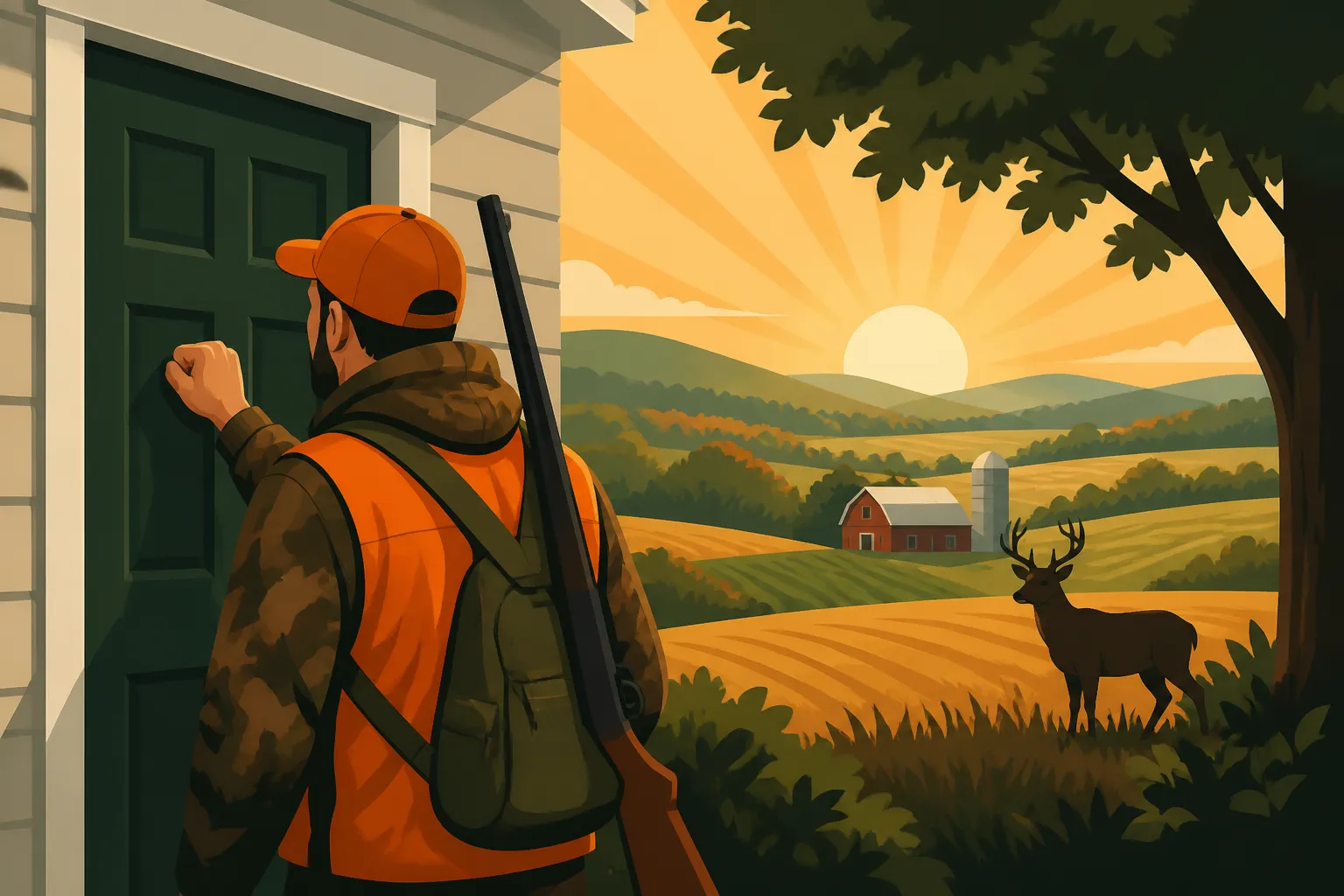
Knocking on Doors in Piedmont Farm Country
It’s a familiar ache for many North Carolina hunters: that gnawing desire for a quiet corner of private land to pursue deer, turkeys, or even small game, away from the crowds of public tracts. Trying to find a spot to hunt in North Carolina’s densely populated Piedmont region can feel like hitting a brick wall, especially when you're limited to public lands that often see immense pressure. This guide is all about giving you the tools, confidence, and strategy to approach landowners in Piedmont farm country, build rapport, and hopefully, secure that elusive permission to hunt.
Understanding the Piedmont Landscape and Landowners
The North Carolina Piedmont is a unique blend of rolling hills, dense timber pockets, meandering creek bottoms, and, of course, vast agricultural fields. Unlike the sprawling national forests of the mountains or the immense pocosins of the coast, public hunting opportunities here are often fragmented and heavily used. This reality means that securing private land access becomes less of a luxury and more of a necessity for a quality hunting experience.
The Unique Challenges of Piedmont Farmland
Hunting in the Piedmont brings its own set of considerations that you won't always find in other regions. Many properties are smaller, often bordered by residential areas, busy roads, or other farms. This means that landowners are acutely aware of safety concerns, noise, and potential liability. The deer herd here thrives on a mixed diet of natural browse and agricultural crops, often leading to higher deer densities in certain areas, which can be both a blessing and a curse for farmers. They might welcome hunters who can help manage populations that are impacting their corn or soybean fields, but they also need hunters they can trust implicitly.
You'll also find that land ownership can be generational, with deep ties to the community. Approaching these landowners isn't just about making a quick transaction; it's about demonstrating respect for their heritage, their land, and their way of life. They're often protective of their property, not just for agricultural reasons, but because it's been in their family for decades, sometimes centuries. Understanding this emotional connection is crucial before you even knock on the door. It’s not just dirt and timber to them; it’s a legacy.
Knowing Your Target: What Kind of Landowners Are There?
Before you embark on your permission quest, take some time to categorize the types of landowners you might encounter. This isn't about stereotyping, but about understanding their primary concerns and motivations.
- The Active Farmer/Producer: These individuals make their living directly from the land. Their biggest concerns will likely revolve around crop damage, livestock safety, and potential disruption to their operations. They might be most open to hunters who can help mitigate deer or hog damage, especially on the edges of their fields. They'll appreciate understanding your hunting methods, your shooting proficiency, and your commitment to respecting their crops. You can read more about what these deer are after in Hunting Piedmont Farmland Deer.
- The Residential/Lifestyle Landowner: This group might own a larger tract of land, perhaps with a house, some pastures, or a small woodlot, but they don't necessarily derive income from it. Their concerns might lean more towards safety (especially if they have kids or pets), noise from gunshots, and simply wanting to know who is on their property. They often value quiet, respectful hunters who won't disrupt their peace or bring a lot of extra people onto their land.
- The Absentee Landowner: These folks own property but don't live on it, often residing out of state or in a distant city. They might be less aware of game populations or damage but are typically concerned about trespass, vandalism, and liability. They're often looking for someone trustworthy to keep an eye on their property. Building a relationship here might involve more phone calls or emails, and a willingness to provide regular updates.
Understanding these different perspectives helps you tailor your approach, your conversation, and your offer of assistance. A farmer might be interested in deer management, while a residential landowner might just want a quiet, responsible presence.
Preparing for Your Permission Quest
You wouldn't go into the woods without your gear, and you shouldn't go knocking on doors without proper preparation. This isn't just about looking presentable; it's about having all your ducks in a row to instill confidence in a potential landowner.
Researching Properties and Identifying Key Features
The digital age has made scouting for private land immensely easier than it once was. Before you even think about knocking on a door, leverage online mapping tools. Platforms like GoHunt and OnX Hunt are invaluable for this. You can use them to:
- Identify Landowners: Most mapping apps allow you to click on a parcel and reveal the owner's name, and sometimes even their mailing address or phone number (though direct contact info isn't always available).
- Assess Terrain and Habitat: Look for key features like creek bottoms, power lines, field edges, thickets, and timber stands that might hold game. You can literally scout a property from your couch, identifying potential stand locations or travel corridors. This is also a great way to start Reading Aerial Photos for Piedmont Deer.
- Check Property Boundaries: Knowing exactly where one property ends and another begins is crucial for not only asking permission but also for respecting boundaries if you do get access. Avoid properties that are too small or oddly shaped next to heavy development, as these often come with more inherent risks and landowner hesitations.
- Note Neighboring Properties: Who are the neighbors? Do they hunt? Are there any obvious issues (e.g., houses right on the property line, busy roads, dog kennels)? This information helps you understand the overall context of the property.
Make a list of properties that look promising. Prioritize those with good access, diverse habitat, and reasonable distance from busy areas. Don't just focus on the biggest tracts; sometimes smaller, neglected woodlots can be hidden gems.
What to Bring and How to Present Yourself
First impressions are everything when you're asking for something as personal as access to someone's land.
- Dress Respectfully: This means clean, casual clothes, not full camouflage or hunting gear. Think "church casual" or what you'd wear to a family dinner. A collared shirt, clean jeans or khakis, and neat shoes are always a safe bet. You want to look trustworthy, responsible, and approachable, not like you're about to vanish into the woods the moment you get permission.
- Prepare a "Landowner Packet": This might sound formal, but it’s incredibly effective. Include:
- A simple, polite letter of introduction: Briefly explain who you are, why you're interested in hunting their property, and what you’re offering.
- Your contact information: Phone number, email address.
- Proof of hunter education: Especially if you're younger, this shows responsibility.
- Proof of insurance: Many hunting organizations (like the National Wild Turkey Federation or Quality Deer Management Association) offer liability insurance to members. This is a huge selling point for landowners worried about liability.
- References: Have one or two non-family references who can speak to your character and responsibility. This might be a former hunting mentor, a boss, or a community leader.
- Your North Carolina Hunting License: Carry your current license and any necessary big game privilege licenses. This immediately shows you're a legal, legitimate hunter. You should be familiar with North Carolina Resident Hunting License Options or North Carolina Nonresident Hunting License Options, depending on your residency.
- A Map of Their Property: Print out an aerial view from GoHunt or OnX. This shows you've done your homework and allows you to point out specific areas you're interested in, or discuss boundaries clearly.
- A Pen and Small Notepad: To jot down notes, landowner requests, or contact details.
| Category | Do's | Don'ts |
|---|---|---|
| Appearance | Dress neatly, respectfully (collared shirt, clean jeans) | Wear full camo, look unkempt, or wear dirty work clothes |
| Timing | Go during reasonable hours (mid-morning, early afternoon), avoid mealtimes | Show up unannounced late evening, early morning, or during dinner |
| Demeanor | Be polite, respectful, concise, and calm | Be pushy, demanding, overly familiar, or talk too much |
| Conversation Starters | Introduce yourself, state your purpose, mention a mutual acquaintance if possible | Jump straight to "Can I hunt your land?", act entitled, complain about public land |
| Information to Offer | ID, hunter education, insurance, references, specific game you hunt | Vague answers, no proof of responsibility, talking about "trophies" |
| Follow-up | Leave contact info, offer a thank-you note if possible | Disappear if rejected, assume indefinite permission without clarification |
The Art of the Ask: Approaching Landowners
This is where the rubber meets the road. It can be intimidating, but a confident, respectful approach makes all the difference. Remember, you’re asking for a privilege, not asserting a right.
The Initial Contact: Timing and Demeanor
Choosing the right time to knock on a door is almost as important as what you say.
- Avoid Peak Hours: Don't show up at meal times (lunch or dinner), early in the morning when people are getting ready for work, or late in the evening. Mid-morning to early afternoon on a weekday or a Saturday is often best. Sunday mornings might be sensitive for some, but Sunday afternoons can be fine.
- Observe First: Before you approach, take a moment to observe the property. Are people outside? Are they busy with chores? If someone is clearly engaged in a task, wait for a natural break or respectfully ask if it's a good time to chat for a moment.
- Be Prepared for No One Home: It happens. If no one answers, don't leave your "landowner packet" on the door unless it's specifically in a mailbox with a note. Instead, try again another day or, if you found a mailing address online, send a polite letter introducing yourself and explaining your interest.
- Body Language and Tone: Stand tall, make eye contact, and offer a friendly, open smile. Speak clearly, calmly, and maintain a respectful tone. Avoid fidgeting or looking nervous. You want to convey trustworthiness and sincerity.
The conversation should be brief and to the point initially. "Hello, my name is [Your Name], and I live nearby in [Your Town]. I was hoping to speak with the landowner for just a moment about deer hunting on your property, if this is a good time."
Crafting Your Pitch: What to Say and What Not to Say
Once you have their attention, your pitch should be genuine, respectful, and address their potential concerns before they even voice them.
- Start with Identification and Purpose: Clearly state your name and why you're there. "Sir/Ma'am, my name is John Smith. I'm a local hunter, and I was wondering if you ever allow respectful hunters on your property here to help manage the deer population?"
- Emphasize Respect and Responsibility: Immediately let them know you’re a responsible individual. "I'm very safety-conscious, always follow all hunting regulations, and I'm meticulous about leaving no trace. I also carry hunting liability insurance." This is where you can present your "landowner packet."
- Offer Solutions, Not Just Requests: Frame your request in terms of how you can benefit them. Do they have crop damage? "I've noticed a good number of deer in your fields and I'm very aware of the damage they can cause. I'd be happy to focus my efforts on antlerless deer to help thin the herd, if that's a concern for you." Do they have nuisance coyotes? Offering to help with Coyote Calling in North Carolina Farm Country can be a fantastic way to gain favor.
- Be Specific About Your Intentions: What do you want to hunt? Deer? Turkey? Small game? How many people will be hunting? "I'm primarily interested in hunting deer and turkey, usually just by myself, occasionally with my son, who is also a licensed hunter."
- Address Safety Concerns: "I'm always mindful of surrounding properties and homes, and would only take safe, ethical shots. I understand the importance of knowing what's beyond my target."
- Listen More Than You Speak: Give them ample opportunity to ask questions, voice concerns, or simply talk about their land. Show genuine interest. Many landowners just want to be heard and reassured.
- Clarify Rules and Boundaries: If they seem receptive, politely ask about any specific rules they might have. "Are there any areas you'd prefer I avoid? What are your thoughts on Sunday hunting, or specific times of day?" Make sure to clarify Do You Need Written Permission in North Carolina? and offer to put everything in writing to protect both parties.
What to Avoid Saying:
- Don't act entitled or demanding.
- Don't complain about public land or other hunters; it reflects poorly on you.
- Don't brag about your hunting prowess or talk about "trophy bucks" – focus on management and respect.
- Don't bring up money or offering to pay unless they bring it up first. Many landowners are more interested in a trustworthy person than a few dollars.
- Don't over-promise. Only commit to what you can realistically deliver.
Handling Rejection Gracefully
Not every door will open for you, and that's perfectly okay. Don't take it personally. A landowner might already have hunters, have had bad experiences in the past, or simply not be comfortable with it.
- Accept "No" with Dignity: A polite "I understand completely, and I appreciate you taking the time to speak with me" is all that's needed.
- Ask for Future Consideration: Sometimes, leaving a polite, "If anything ever changes in the future, please keep my contact information on hand" can pay off down the road. You never know when circumstances might change.
- Thank Them for Their Time: Always thank them, regardless of the outcome. A positive interaction, even without permission, can leave a good impression that might open doors in the future, or even lead to a referral to a neighbor.
- Don't Argue or Press the Issue: Once they've said no, the conversation is over. Pushing further will only solidify their negative impression.
Building and Maintaining Relationships
Securing permission is just the first step. The true success lies in fostering a lasting, mutually beneficial relationship with the landowner. This is about being a good steward, a thoughtful guest, and a reliable presence.
Respecting Boundaries and Leaving a Good Impression
Once you've been granted access, your behavior on the property will determine if that permission lasts.
- Adhere Strictly to All Rules: If they said no Sunday hunting, don't hunt on Sunday. If they said stay out of the back pasture, stay out. Any deviation from their expressed wishes is a breach of trust.
- Communicate Regularly: Let them know when you plan to hunt, and when you're leaving. A quick text or phone call can go a long way. "Hey Mr./Mrs. Jones, just letting you know I'm headed out to the south end of the woods for a few hours this morning, and I'll text you when I'm done." This also helps avoid any surprises or concerns about unknown vehicles on their property.
- Respect Their Property as if It Were Your Own (or Better):
- Close all gates. Always.
- Stick to designated paths or field edges to avoid disturbing crops or livestock.
- Pick up any trash, even if it isn't yours.
- Leave no trace – no spent casings, no orange flagging, no temporary ground blinds left behind for months.
- Be mindful of noise, especially if hunting near residences or livestock.
- Share Your Success (Appropriately): If you harvest an animal, offer to share some of the meat. A package of venison sausage or a turkey breast can be a wonderful gesture of gratitude. Never feel obligated, but it's a great way to say thank you. You can even explain how Field Dressing a Deer in Cold Weather ensures the meat quality.
- Understand What North Carolina Trespass Law Requires: Even with permission, you need to understand the nuances to protect both yourself and the landowner. Clarify the scope of your permission.
Offering to Help: More Than Just Hunting
Many landowners appreciate hunters who are willing to lend a hand, demonstrating that they care about the land, not just the game.
- Volunteer for Chores: This is where you can truly shine. Offer to help with tasks around the farm that might be outside of hunting season.
- Fence Repair: Fixing broken fences is a never-ending task on many farms.
- Bush Hogging/Weed Eating: Clearing overgrown areas.
- Cleaning Up Storm Debris: After a big storm, trees and branches might be down.
- Checking Water Levels: Keeping an eye on ponds or troughs for livestock.
- Assisting with Nuisance Animals: If they have a problem with coyotes, raccoons, or feral hogs, offer to help control them (within legal seasons and means). Remember North Carolina's Year-Round Hog Rule on Private Land.
- Be a Watchful Eye: If you're hunting regularly, you're essentially providing an extra set of eyes on their property. Report any suspicious activity, downed fences, or other issues you notice. This offers a huge sense of security to many landowners, especially absentee ones.
- Small Gestures of Gratitude: Beyond meat, a small gift around the holidays – a gift basket from a local shop, or even just a handwritten thank-you note – can reinforce your appreciation.
Long-Term Stewardship and Reciprocity
The goal isn't just one season of hunting; it's a relationship that can last for years.
- Regular Check-Ins: Even if you're not hunting, a phone call or quick visit every few months to see how they're doing, or if they need any help, keeps the relationship warm.
- Respect Their Schedule: Understand that their farm operations or family life will always take precedence over your hunting. Be flexible and accommodating.
- Don't Overstay Your Welcome: Know when to pack up and leave. A long, drawn-out presence can sometimes become a nuisance, even if they appreciate your help.
- Consider What You Give Back: It's a two-way street. You get a place to hunt, but what do they get from you? Reliability, respect, assistance, and perhaps a reduction in problem wildlife. This reciprocal relationship is the bedrock of successful private land access. This consistent, respectful interaction is far more valuable than any money you might offer, creating trust that money can't buy.
Ultimately, knocking on doors in North Carolina's Piedmont farm country is an exercise in building human connections. It requires courage, patience, respect, and a genuine willingness to be a good neighbor. Do it right, and you'll gain not only a place to hunt but potentially a lifelong friendship with someone who shares your love for the land.
Disclaimer
The information provided in this guide is for general informational purposes only and does not constitute legal advice. Hunting regulations, landowner rights, and trespass laws in North Carolina can change, and it is the hunter's responsibility to stay informed and comply with all current local, state, and federal laws and regulations. Always verify information with the North Carolina Wildlife Resources Commission or legal counsel before acting on it.