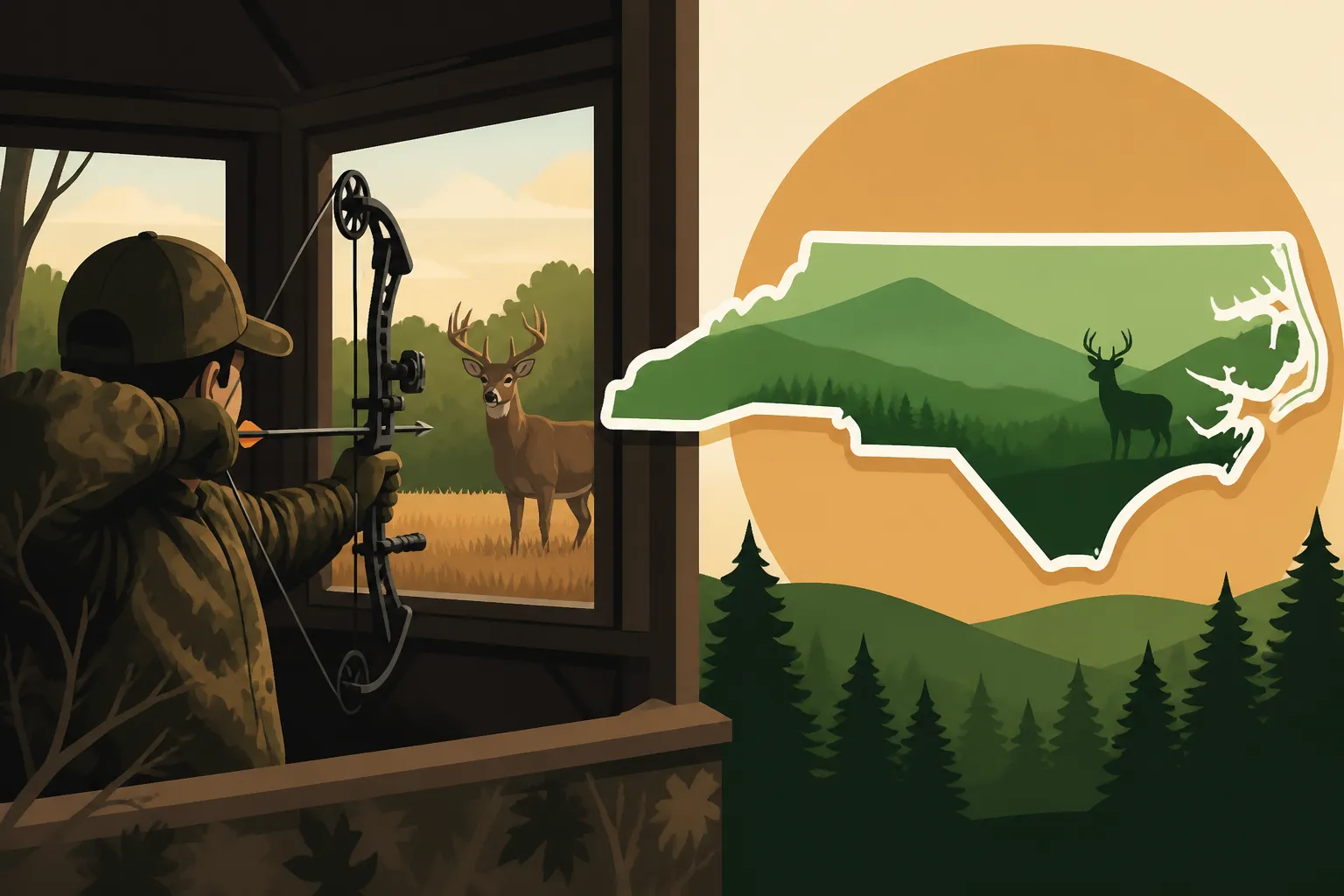
Ground Blind Rules on North Carolina Game Lands
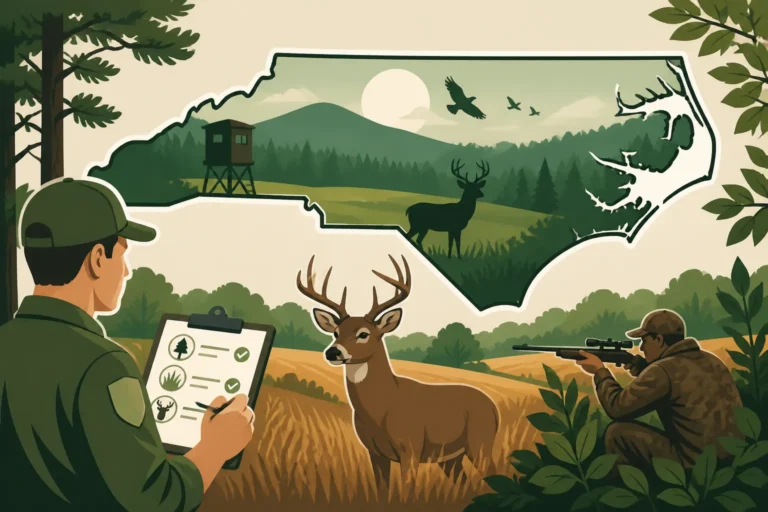
Hunting North Carolina's vast public lands can be an incredible experience, but setting up a ground blind often comes with a tangled web of questions. Many hunters arrive at their favorite game land, blind in tow, only to second-guess whether their setup is legal, when it needs to be removed, and if it's even allowed in the first place. This guide is here to untangle those rules, diving deep into the specifics of ground blind regulations on North Carolina Game Lands so you can hunt confidently and legally.
The Appeal and the Challenge of Ground Blinds on Game Lands
Ground blinds have become incredibly popular, and for good reason. They offer a level of comfort and concealment that can be hard to beat, especially when you're spending long hours in the field. But when you introduce them to the shared space of public game lands, things get a little more complicated than just popping up a tent.
Why Ground Blinds Make Sense
Imagine a crisp, late-season morning in the Hunting the North Carolina Piedmont, with a biting wind cutting through the timber. Perched in a treestand, you'd be exposed to the elements, likely shivering your way through the first hour. In a ground blind, however, you’re shielded from the direct wind, allowing you to stay warmer and more comfortable, which in turn lets you hunt longer and focus better. This extended comfort is a huge win.
Ground blinds also offer superb concealment. The fully enclosed design breaks up your human silhouette entirely, blending seamlessly into the cover. This is especially advantageous when hunting wary game like mature bucks or late-season turkeys that have seen every trick in the book. You can shift, stretch, and even check your phone (quietly, of course!) without fear of being silhouetted against the sky or busted by subtle movements. Furthermore, they're fantastic for introducing new or young hunters to the sport. The ability to move a bit, whisper, and stay warm without fidgeting constantly in a treestand can make all the difference in fostering a lifelong love for hunting. It’s a lot easier to teach a youngster about Reading North Carolina Mud for Fresh Deer Movement when they’re not freezing or uncomfortable.
The Public Land Predicament
While ground blinds offer undeniable advantages, using them on public lands introduces a unique set of challenges and responsibilities. Public land, by its very nature, is a shared resource. What one hunter leaves behind, another might encounter, or worse, have to deal with. This means regulations are in place to ensure fair access, minimize environmental impact, and prevent property abandonment.
One of the biggest issues is the concept of "abandonment." Unlike private land where you might have the luxury of leaving a blind out for weeks, game lands have rules about how long a blind can stay in place, and what identifying information it must bear. These rules exist to prevent hunters from essentially claiming a spot indefinitely, or leaving behind dilapidated structures that become litter or hazards. The sheer volume of hunters on popular game lands also means that competition for prime spots can be fierce. Leaving a blind unattended for too long can be seen as an attempt to "hold" a spot, which goes against the spirit of equal access. It also raises questions about Hunting Pressure on North Carolina Public Land and how we, as hunters, manage our impact on the experience of others.
Understanding North Carolina's Specific Game Land Rules for Ground Blinds
Navigating the rules for ground blinds on North Carolina Game Lands can feel a bit like reading legal jargon, but it’s crucial to get it right. These aren't just suggestions; they're enforceable regulations designed to protect our shared resources and ensure everyone has a fair shot. The North Carolina Wildlife Resources Commission (NCWRC) sets these guidelines, and it's always wise to consult their latest regulations digest or website. Remember, what's allowed on your buddy's private land often isn't permitted on public game lands.
Temporary Versus Permanent Structures
This is a fundamental distinction when it comes to ground blind rules. North Carolina Game Lands generally make a clear separation:
- Temporary Blinds: These are your pop-up, portable ground blinds, typically made of fabric or mesh, designed to be easily moved and set up. They are allowed under specific conditions, primarily focusing on identification and removal. You can't just leave one out indefinitely.
- Permanent Structures: This category includes anything built from lumber, metal, or other sturdy materials, or anything dug into the ground. These are strictly prohibited on North Carolina Game Lands. You absolutely cannot construct a permanent blind, tower, or anything that alters the landscape long-term. This rule exists to prevent damage to the environment and to maintain the natural integrity of public hunting areas. This also extends to any kind of "semi-permanent" structure, like large piles of cut brush specifically arranged to create a long-term hide. While you can use natural materials found on-site for immediate concealment, creating a lasting structure is a no-go.
It's similar to the rules around treestands; while portable treestands are permitted with proper identification and removal, permanent stands are forbidden. You can read more about that in Treestand Rules on North Carolina Public Land.
Identifying and Marking Your Blind
This is perhaps the most critical rule for temporary ground blinds. If you're going to use a portable blind on a game land, it must be clearly marked. Think of it as leaving your name tag on your gear so everyone knows who it belongs to.
The regulations typically require that any temporary blind left unattended on game lands must have the hunter's name and address or NCWRC customer number clearly affixed to it. This identification needs to be legible and durable, able to withstand the elements. Simply scribbling your name with a Sharpie on the fabric might not cut it if it washes off after a heavy rain. Consider using a laminated tag, a permanent metal tag, or etching your information directly onto a non-removable part of the blind if possible.
Why is this so important? It's about accountability. If a blind is left behind after the season, or if it's damaged or illegally placed, the NCWRC needs to know who to contact. It also helps other hunters identify blinds as legitimate and not abandoned property. This applies to any item left on game lands for more than a day, including certain Trail Camera Rules on North Carolina Public Land.
Time Limits and Removal
You can't just set up your blind on opening day and leave it until the season closes. North Carolina has specific rules about how long temporary structures, including ground blinds, can remain on game lands. While exact dates can sometimes vary slightly by specific game land or regulation updates, the general rule of thumb is that temporary blinds cannot be left on game lands for more than a certain period, often 30 days, and must be removed within a specified timeframe after the close of the hunting season in which they were used.
This means you need to be mindful of your hunt dates. If you set up a blind for an early archery hunt, you can't just leave it there through gun season and then into the late muzzleloader hunts. Each season typically has its own window. It's often mandated that all blinds must be removed within ten days following the close of the season for which they were used. Failing to retrieve your blind within the specified period could result in it being considered abandoned property, which the NCWRC may then confiscate and dispose of. Nobody wants their gear taken, so always mark your calendar for retrieval. Planning your hunts using mapping tools like onX Hunt can help you keep track of locations and dates.
Material Restrictions
While you can use natural materials for immediate concealment, you generally cannot bring in or use artificial materials to build or enhance a blind in a way that creates a permanent structure or litter. For your portable ground blind, the material is typically synthetic fabric or mesh, which is fine.
However, a common misconception arises when hunters try to "brush in" their pop-up blinds. While adding a few natural branches or grasses from the immediate area to break up the outline of your blind is usually acceptable, you cannot cut down live trees or vegetation to construct or enhance your blind. This is a crucial distinction. You can use deadfall or existing vegetation, but purposely damaging live plants is prohibited. Furthermore, you cannot bring in materials like tarps, plywood, or other lumber to fortify your blind. The idea is to leave no trace that wasn't there when you arrived.
Consider these rules carefully when you’re planning your Hunting Coastal Plain Pocosin Swamps or Hunting a Standing Cornfield in Farm Country, where natural cover might be sparse or abundant, respectively.
Practical Tips for Using Ground Blinds Ethically and Effectively on NC Game Lands
Knowing the rules is one thing, but actually implementing them in the field while being a good steward of the land and a successful hunter is another. Here are some practical tips to make your ground blind hunting on North Carolina Game Lands a rewarding experience.
Scouting and Placement Considerations
Effective ground blind hunting starts long before you ever set up your blind. Proper scouting is paramount, especially on public land where deer patterns can be heavily influenced by pressure. You're looking for natural travel corridors, pinch points, or feeding areas where deer activity is high. Use mapping applications like onX Hunt to identify potential funnels between thick cover and food sources. This tool allows you to overlay aerial imagery with public land boundaries, helping you pinpoint promising spots without trespassing and understand the North Carolina Game Lands you're on.
When it comes to placement, always prioritize concealment and wind direction. Set your blind up well in advance of your hunt, if possible, to allow deer to get accustomed to its presence. Place it against a natural backdrop like a thicket, a large tree, or a brush pile to break up its outline even further. Avoid placing it in the middle of an open field unless you have exceptional camouflage and plan to hunt solely during low light conditions. Also, be mindful of legal distances. You cannot set up your blind within certain distances of roads, property lines, or occupied dwellings, so always double-check local ordinances in addition to game land rules. A tool like GoHunt could be used for general hunt planning, but for NC-specific boundary details, onX Hunt is particularly valuable.
Camouflage and Concealment
Even the best-patterned ground blind can stick out like a sore thumb if not properly brushed in. While you can't cut live vegetation, you can (and should) use natural materials found on the ground around your blind to enhance its camouflage. Collect dead branches, dried grasses, leaves, and other debris to break up the hard lines and artificial shape of your blind. Drape them over the top and sides, paying special attention to the corners and edges.
Think of it like dressing a treestand; the goal is to make it disappear into its surroundings. If your blind is exposed to direct sunlight, its fabric can sometimes "shine," making it more visible. Choose a blind with a matte finish or one with a realistic pattern that matches the local foliage. Also, remember that what provides great concealment in October might look out of place in December once the leaves have fallen. Be prepared to adapt your brushing-in efforts throughout the season. Remember that even inside a blind, scent control is important, especially on humid days when your scent might linger or be carried. Check out Scent Control Gear for Humid Coastal Hunts for more tips.
Respecting Other Hunters and the Land
Public land is a shared resource, and being a responsible hunter means more than just following the letter of the law. It means respecting your fellow hunters and the environment.
- Leave No Trace: Always pack out everything you pack in. This includes trash, empty shell casings, and any artificial materials you used to brush in your blind. The goal is for the next hunter (or wildlife enthusiast) to find the area exactly as you found it.
- Fair Play: Don't try to "claim" a spot by leaving your blind out indefinitely or moving another hunter's marked blind. This is illegal and unethical. The general etiquette is that if a blind is legally marked and within regulation, it's fair game, but it’s always best practice to communicate if you encounter another hunter’s setup, or simply move on to avoid conflict and maintain a positive hunting experience. Using your Scouting North Carolina Public Land Before Season time effectively can help you find less pressured areas.
- Safety First: When hunting from a ground blind, be acutely aware of your surroundings, especially if other hunters are in the area. Always identify your target and what's beyond it. Ensure you're wearing appropriate blaze orange when required, even if you feel concealed within your blind. Rules about Blaze Orange Jackets Versus Vests often still apply when moving to and from your blind.
By following these guidelines, you not only ensure you're hunting legally but also contribute to a positive public land hunting culture in North Carolina.
| Rule Category | Temporary Ground Blinds (Portable) | Permanent Ground Blinds (Built/Dug) |
|---|---|---|
| Construction Materials | Fabric, Mesh | Prohibited (Lumber, Metal, etc.) |
| Identification Required | Yes (Name/Address or Customer #) | N/A (Prohibited) |
| Time Limit on Game Lands | Specific period (e.g., 30 days) | N/A (Prohibited) |
| Removal Post-Season | Yes (e.g., within 10 days) | N/A (Prohibited) |
| Use of Natural Materials | Permitted (deadfall/brush from area) | Prohibited (cutting live vegetation) |
| Alteration of Landscape | No | Strictly Prohibited |
| General Legality | Generally Permitted (with rules) | Strictly Prohibited |
Understanding and respecting these ground blind rules on North Carolina Game Lands is key to a successful and ethical hunting experience. It allows you to leverage the advantages of a blind while upholding your responsibilities to the land and your fellow hunters. So, next time you're heading out to your favorite slice of Public Hunting Land in North Carolina, bring your blind with confidence, knowing you're well-versed in the regulations.
Disclaimer
This article is for general informational purposes only and does not constitute professional advice. Laws, prices and regulations vary by location and change over time. Consult a qualified professional for guidance on your specific situation.