Hunting the Outer Banks and Sound Country
The Outer Banks and North Carolina's sound country present a truly unique challenge and reward for hunters. It's an environment defined by water, wind, and vast stretches of marsh and thick pocosin, far removed from the rolling Piedmont hills or the steep Appalachian mountains. Many hunters, accustomed to dense timber or open fields, find themselves scratching their heads, wondering how to even begin deciphering this saltwater-laced landscape. This comprehensive guide is dedicated to unraveling the mysteries of hunting these distinct coastal areas, helping you understand the terrain, the game, and the tactics needed to succeed, whether you're chasing marsh deer, booming waterfowl, or the elusive coastal black bear.
Understanding the Unique Landscape of the Outer Banks and Sound Country
North Carolina's Outer Banks and the vast expanse of sounds like Currituck, Albemarle, Pamlico, and Core Sound are unlike any other hunting ground in the state. This isn't just "coastal plain" hunting; it's a dynamic, ever-changing world where land and water constantly interact, creating a mosaic of habitats. Hunters coming from inland often find themselves disoriented by the sheer scale of the water, the flatness of the land, and the density of the vegetation that can grow in this rich, damp environment.
The Geography of Marsh, Sound, and Barrier Island
Imagine a thin ribbon of sand, constantly reshaped by ocean currents, forming the Outer Banks – places like Hatteras, Ocracoke, and Bodie Island. Behind this barrier, protected from the full force of the Atlantic, lie the expansive sounds. These aren't freshwater lakes; they're brackish estuaries, a mix of freshwater runoff from rivers and saltwater pushed in from the ocean. This unique blend supports an incredible diversity of life. The shallow waters give way to vast marshlands, dominated by spartina grass and reeds, often impassable by foot. Further inland, away from the immediate sound, you encounter what we call "pocosin" – dense, low-lying evergreen shrub bogs. Think impenetrable thickets of stunted pines, cypress, and various shrubs, all growing in acidic, waterlogged soil. This is where much of the big game in the region lives, hidden from plain sight.
For a hunter, this means your mental map of "woods" needs a serious recalibration. A "deer stand" here might be in a remote island of pine within a swamp, accessible only by boat, or on the edge of a vast marsh where deer browse on aquatic vegetation. The concept of elevation changes is virtually nonexistent, replaced by the subtle rise and fall of tides and the sometimes dramatic shifts in water levels caused by wind. It's a land where visibility is often limited to mere yards in the thick stuff, but stretches for miles across open water and marsh. Understanding these subtle but profound differences is the first step to becoming a successful coastal hunter.
Tides, Wind, and Water Levels: Your Constant Companions
Unlike inland hunting where a sudden rain shower might be your biggest weather concern, hunting the Outer Banks and sound country means you are always, always thinking about the water. Tides play a significant role, particularly in areas closer to the inlets, affecting how you access certain spots and how game moves. High tide can flood out low-lying marsh, pushing deer and hogs to higher ground, while low tide might reveal new feeding areas or expose boat ramps. But even more impactful than lunar tides, especially in the larger sounds, is the wind. Strong sustained winds can literally "blow out" water from one side of a sound to another, creating dramatic drops or rises in water levels that can leave your boat stranded or your blind submerged.
I've been out on the sound when a strong nor'easter pushed all the water out, leaving my decoy spread high and dry on what was minutes before prime hunting ground. Conversely, a sudden southerly wind can bring the water rushing back in, making a calm launch ramp a raging torrent. You need to pay attention to marine forecasts, not just land-based weather. Gusty winds can make retrieving ducks a dangerous ordeal, even in relatively shallow water. These factors dictate not only where you can hunt but how you can hunt, and often, if you can even get out there safely. It requires a different kind of preparation and a healthy respect for the power of nature.
Key Game Species and What Draws Them to the Coast
While deer, bear, and hogs are found across North Carolina, the Outer Banks and sound country offer a specific blend of habitat that shapes their behavior and hunting opportunities. But let's be honest, for many, this region screams one thing: waterfowl.
Waterfowl: The Coastal Draw
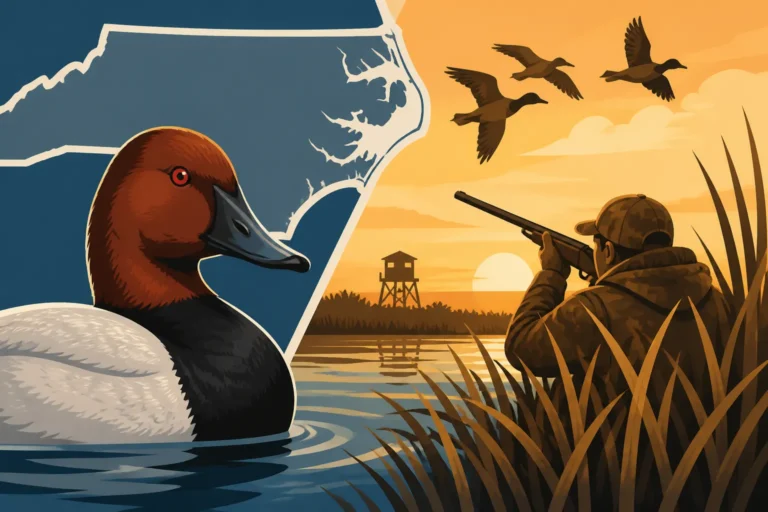
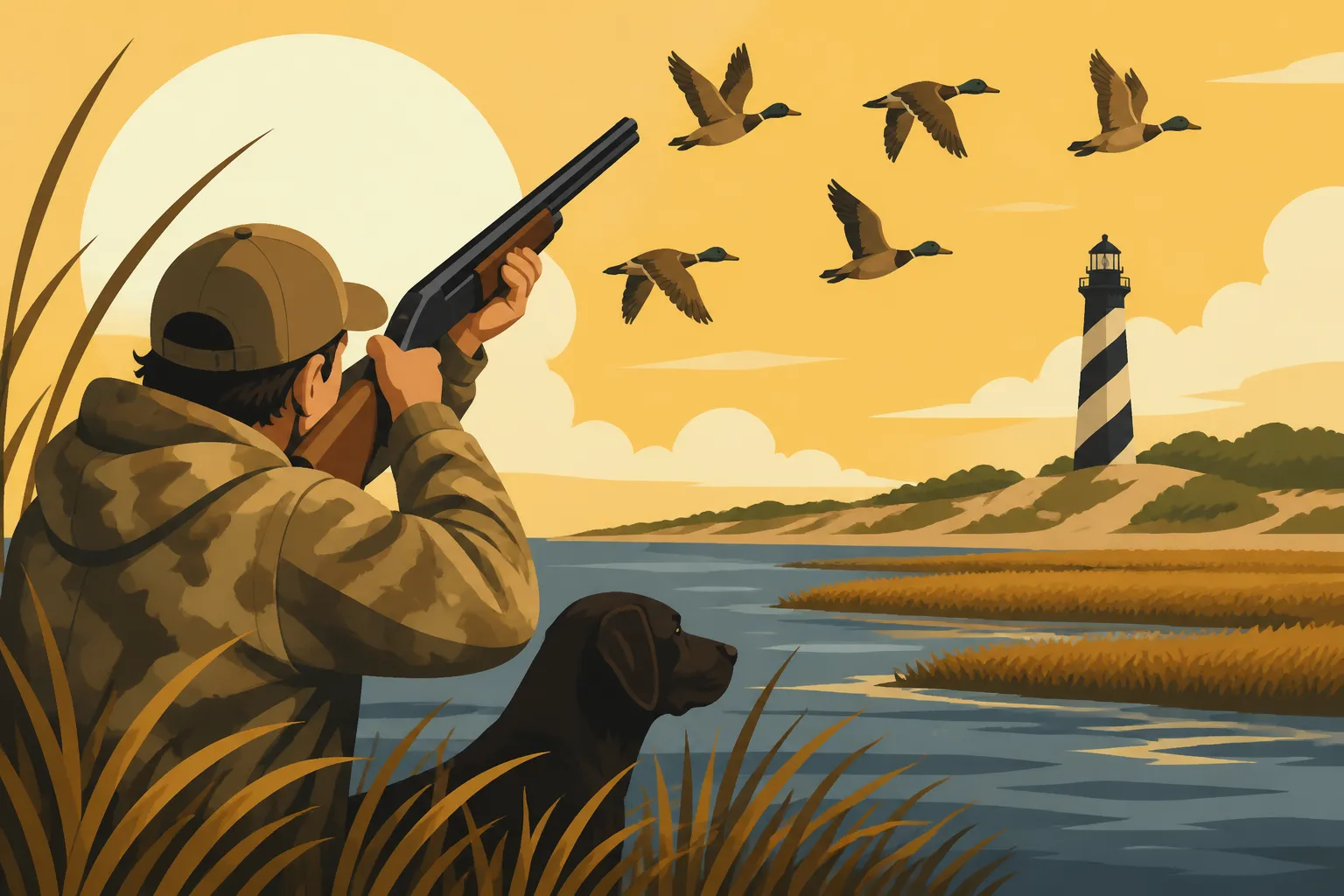
Without a doubt, ducks and geese are the reigning royalty of the sound country. North Carolina sits squarely on the Atlantic Flyway, and the vast, shallow, brackish waters of the sounds, coupled with abundant marsh grasses, agricultural fields, and protected impoundments, create prime wintering grounds for an incredible array of migratory birds. From the fast-flying teal of the early season to the hardy divers like redheads, canvasbacks, and buffleheads that brave the colder months, the opportunities are diverse. Puddle ducks like mallards, gadwalls, and wigeons also utilize the sounds, often found dabbling in the shallower, marshier edges or flooded timber pockets further inland. Waterfowl Hunting Currituck Sound and the Coast is practically a rite of passage for many North Carolina duck hunters.
What makes this area so special for waterfowl is the sheer scale of the habitat and the food resources available. The sounds are rich with submerged aquatic vegetation, which is a critical food source for many species. Adjacent agricultural fields, especially those planted with corn or soybeans, provide abundant calories for geese and some ducks. The challenges are numerous: unpredictable weather, vast expanses of water to cover, and often, very smart, pressured birds. But the reward of watching a flock of pintails cup their wings over your decoy spread with the sound of the ocean in the distance? That's what keeps hunters coming back year after year. Understanding decoy spreads, calling techniques, and especially boat handling in rough water are paramount here.
White-Tailed Deer: Marsh and Island Specialists
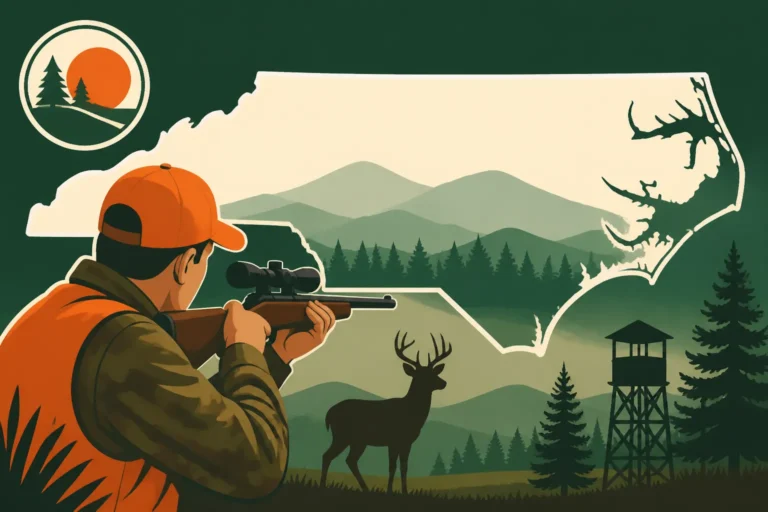
While not boasting the massive rack potential of some Piedmont regions, the deer of the Outer Banks and sound country are a hardy, often elusive bunch. They thrive in the thick, often wet, cover of the pocosins, maritime forests on the barrier islands, and the higher ground within expansive marshes. These deer are typically smaller-bodied than their inland counterparts, an adaptation to their diet and environment, but they are incredibly tough and masters of stealth in their dense habitat. Hunting them here often means close-quarters encounters and a reliance on tracking and still-hunting skills rather than long-range shots across open fields.
The challenge lies in penetrating their dense sanctuaries. Deer will often bed deep in almost impenetrable thickets, only emerging to feed on marsh grasses, acorns from isolated oak hammocks, or browse in cutovers. Hunting Coastal Plain Pocosin Swamps is a perfect description of the type of terrain you'll encounter. Hunters must be prepared for wet feet, arduous movement through dense vegetation, and the distinct possibility of tracking a deer through incredibly thick cover. It's a different kind of deer hunt, one that tests your grit and determination, often rewarding patience and a deep understanding of how these coastal whitetails utilize their unique environment.
Black Bears: Giants of the Coastal Pocosin
North Carolina is renowned for its black bear population, and a significant portion of the largest bears in the East come from the coastal plain, particularly the vast pocosin and swamp systems behind the Outer Banks. These bears have access to incredible food sources – agricultural crops, berries, and acorns – and incredibly dense, protected cover. This combination allows them to grow to immense sizes, making the coastal region a premier destination for bear hunters. Bear Hunting North Carolina's Coast and Mountains details just how special this area is.
Hunting these coastal giants is not for the faint of heart. It often involves navigating extensive, almost impenetrable pocosins and swamps. For many, it means hunting with hounds, where dogs are used to track and bay bears in the dense cover, allowing hunters to approach. This requires specialized gear, well-trained dogs, and intimate knowledge of the terrain. Even without dogs, still-hunting or sitting on travel corridors between pocosin bedding areas and agricultural fields can be productive, but patience and perseverance are key. The sheer scale of the landscape means bears can disappear into thick cover with astonishing ease, making every encounter a memorable challenge.
Feral Hogs: An Ever-Present Challenge
Feral hogs are an unfortunate reality across much of North Carolina, and the sound country is no exception. These destructive animals thrive in the dense cover and abundant food sources found in coastal swamps and agricultural areas. They compete with native wildlife for food, destroy habitat with their rooting, and can cause significant damage to farmers' fields. For hunters, this means year-round opportunities, as North Carolina's Year-Round Hog Rule on Private Land makes them a constant presence.
Hogs in the sound country often inhabit the same thick pocosin and swamp areas as deer and bears. They are incredibly wary, intelligent animals that can be difficult to pattern. Hunting methods vary widely, from still-hunting and stalking in their dense cover, to setting up over food sources or travel corridors. Trapping is also a highly effective method for controlling their populations. Their presence adds another layer of complexity and opportunity to coastal hunting, providing a different kind of challenge and a different kind of wild game for the table.
Essential Gear and Tactics for Coastal Hunting
Hunting the Outer Banks and sound country demands a very specific approach to gear and tactics. What works well in the mountains or Piedmont might leave you cold, wet, or stranded out here.
Watercraft: Your Lifeline and Hunting Platform
Let's be clear: if you're serious about hunting the sounds, a reliable boat isn't just a convenience, it's a necessity. For waterfowl, a shallow-draft boat – think jon boats, broad-beamed skiffs, or specialized duck boats – is essential for navigating the skinny water, marsh channels, and getting to your blind or decoy spread. Kayaks or canoes can work for smaller, more protected marshes, but the open sounds demand something more robust. For deer and bear in the deeper pocosins and islands, an airboat or a swamp buggy might be the only way to reach truly remote spots.
When selecting a boat, consider stability for decoy deployment and retrieval, shallow-water capability, and seaworthiness for crossing open water where chop can quickly develop. Don't forget safety gear: life jackets (worn, not just stowed!), anchor, ropes, paddles, bailing bucket, navigation lights, and a reliable bilge pump are non-negotiable. A GPS unit or a mapping app like onX Hunt is absolutely crucial for navigating unmarked channels and finding your way back in the fog or dark. Always let someone know your float plan and expected return time.
Apparel: Dressing for Damp, Cold, and Wind
Forget your standard upland hunting attire; coastal hunting requires specialized clothing. Layers are always key, but here, waterproof and windproof outerwear is paramount. You'll be exposed to spray from the boat, driving rain, and relentless wind that cuts right through inadequate insulation. Look for breathable, waterproof jackets and pants that can stand up to constant moisture. Waders are also an absolute must for waterfowl hunters, allowing you to set decoys, retrieve birds, and maneuver in shallow water. Waders for Sound-Side Marsh Hunting are a crucial investment.
Insulation is equally important, even on days that might feel mild inland. The humidity and wind off the water make the cold feel much more intense. Synthetics and wool are generally preferred over cotton, which loses its insulating properties when wet. Warm, waterproof boots are essential, not just for keeping your feet dry but for providing traction on muddy, uneven marsh ground. And don't forget waterproof gloves and a warm hat; exposed extremities will quickly sap your body heat.
Decoys and Calls: Luring in Coastal Birds
Waterfowl hunting in the sounds is an art, and your decoy spread is your canvas. Large spreads are common, mimicking the big rafts of ducks and geese that use these expansive waters. For divers, spreads might be strung out in long lines or J-hooks, while puddle ducks often respond to more scattered, natural-looking groups. Confidence decoys, like coots or geese, can add realism. Motorized decoys, often called "spinners" or "mojo ducks," can be incredibly effective at attracting birds from a distance, especially on calm days. Decoy Spreads for Currituck Sound Divers often involve dozens, if not hundreds, of blocks.
Calling, too, is a critical skill. For ducks, a range of calls from mallard quacks and hails to pintail whistles and teal churps can be effective. Geese require robust calls that can cut through the wind. Practice is key, as is reading the birds' reactions. Sometimes less is more, especially with pressured birds. Knowing when to call, how loudly, and when to go silent can make all the difference. Remember, the goal isn't just to make noise, but to sound like real birds that are comfortable and happy in your spread.
Specialized Tactics: Deer Drives, Still-Hunting, and Baiting
Coastal big game hunting often requires tactics tailored to the dense, wet environment. For deer and bear, traditional still-hunting in the thick pocosins can be incredibly challenging due to visibility and noise, but it's not impossible if you move slowly and deliberately, especially when the ground is damp from rain. Deer drives are very common on public and private lands in these areas, where hunters push animals out of thick cover towards waiting standers. Deer Drives With Three or Four Hunters often involves strategically placing hunters along the edges of pocosin islands or thickets to intercept moving game.
Baiting is also a legal and common practice for bear hunting in some coastal zones, often involving setting up bait sites in remote areas and hunting from nearby stands. This requires a significant time commitment for scouting, bait maintenance, and understanding bear travel patterns. Trail cameras are invaluable for monitoring these sites. For hogs, opportunistic shooting, trapping, and night hunting (where legal on private land) are all effective strategies to manage their populations. Each species and each specific habitat within the sound country will dictate a slightly different approach, but adaptability is always key.
Navigating Public Access and Game Lands
Finding a place to hunt in North Carolina's sound country can feel overwhelming, especially with so much private land. However, the state offers significant public hunting opportunities through its vast network of Game Lands and National Wildlife Refuges.
North Carolina Game Lands and National Wildlife Refuges
The North Carolina Wildlife Resources Commission (NCWRC) manages numerous Game Lands, many of which are found in the coastal plain and offer exceptional hunting for deer, bear, hogs, and waterfowl. These lands often encompass vast tracts of pocosin, marsh, and timber. North Carolina Game Lands are a treasure trove for public land hunters. Some prime examples in or near the sound country include Holly Shelter, Croatan National Forest, and White Oak River Game Lands. These areas often have specific rules regarding access, vehicle use, and hunting methods, so always check the regulations for the specific Game Land you plan to visit.
Additionally, several National Wildlife Refuges, such as Mattamuskeet, Pocosin Lakes, and Alligator River, offer managed hunting opportunities. These refuges are critical wintering grounds for waterfowl and often hold incredible numbers of deer and bear. Access is often regulated through quota hunts or special permits, which require applying in advance. For example, Mattamuskeet National Wildlife Refuge Hunting Rules dictate how and when you can hunt ducks there. Always check the specific refuge's regulations, as they can be quite different from state Game Lands rules, and permits are usually very competitive.
Permits, Regulations, and Mapping Tools
Before you even think about stepping foot onto public land, you need to ensure you have the correct licenses and permits. In addition to a basic North Carolina hunting license, you'll likely need a Big Game Harvest Report Card and a North Carolina Game Lands license if hunting on Game Lands. For waterfowl, a North Carolina Migratory Bird Hunting License and a Federal Duck Stamp are also required. North Carolina Hunting Licenses and What They Cost is a good starting point for understanding the requirements.
Understanding the specific regulations for the area you're hunting is non-negotiable. Seasons, bag limits, blaze orange requirements, and legal weapons can vary not only by species but also by location (e.g., specific Game Lands or CWD zones) and even by date. Always carry a copy of the current North Carolina Inland Fishing, Hunting & Trapping Regulations Digest.
For navigation, a good mapping tool is your best friend. Physical maps are great, but a robust digital mapping app like onX Hunt or GoHunt that works offline is invaluable in areas with spotty cell service. These apps can show you property lines, Game Land boundaries, roads, trails, and topographical features (even subtle ones). Using the NC Wildlife Map Tool within the NCWRC website is another great resource for understanding game land boundaries and regulations. Knowing exactly where you are and where the boundaries lie is critical, especially when hunting close to private property.
Seasonal Considerations and Weather Challenges
The coastal environment dictates very specific seasonal changes and presents unique weather challenges that hunters must be prepared for. Ignoring these can quickly turn a successful hunt into a miserable, or even dangerous, ordeal.
Peak Seasons for Coastal Game
Waterfowl season typically runs from fall through winter, with specific splits for different zones and species. The early teal season in September offers a quick burst of action, while the main duck and goose seasons usually kick off in late fall and continue through January. Prime migration periods, often tied to cold fronts pushing birds south, can offer the best hunting. North Carolina Waterfowl Zones and Seasons provides the crucial dates.
Deer season in the coastal plain generally starts with archery in early September, followed by muzzleloader, and then gun season which often runs through January 1st. The rut in the eastern zones can sometimes occur a bit later than in the Piedmont, with peak activity sometimes pushing into mid-November to early December, depending on the specific area and year. Hunting the Rut in the Eastern Zones might give you some insight. Black bear seasons in the coastal zones are usually shorter and highly regulated, often occurring in late fall. Checking North Carolina Bear Season Dates on the Coast is critical for planning. Feral hogs are a year-round opportunity, but their activity can increase during cooler months when they're more comfortable moving during daylight.
Facing the Elements: Wind, Rain, and Fog
Coastal weather is notoriously fickle and often extreme. Wind is a constant factor. Not only does it create chop on the open sounds, making boat travel challenging, but it also influences bird movement and sound propagation for calls. A strong wind can make it impossible to hear distant birds or for them to hear your calls. It also drastically reduces the "feel" of the temperature.
Rain is another frequent visitor. From prolonged coastal drizzles to torrential downpours, you need reliable rain gear. Nothing saps morale faster than being soaked to the bone. Fog, particularly in the mornings or after a cold night, can be incredibly dense and disorienting. Visibility can drop to mere feet, making navigation by landmarks impossible. This is where your GPS and knowledge of your hunting area become absolutely critical. Always be prepared to wait out fog or abandon a hunt if conditions become too dangerous. I've had many mornings where we launched in clear skies, only for a thick fog bank to roll in and force us to anchor and wait for hours.
Safety First: Unique Risks of Coastal Hunting
Hunting anywhere carries risks, but the Outer Banks and sound country present a distinct set of hazards that demand extra vigilance and preparation. Many of these relate directly to the marine environment.
Water Safety: Capsizing, Hypothermia, and Navigation
The most significant risk in sound country hunting is the water itself. Open water can quickly become rough, especially with strong winds, leading to capsizing. Even in shallow water, a capsized boat can result in lost gear, a long, cold swim, and hypothermia, which is a very real threat even in moderate temperatures if you're wet. Always wear your life jacket, especially when moving in the boat, deploying decoys, or retrieving game. Don't overload your boat. Understand its limits for passenger and gear weight.
Navigation is another critical safety aspect. The sounds are vast, and features can look identical, especially in low light or fog. Channels are often unmarked, and shallow areas or submerged hazards can appear suddenly. A reliable GPS with up-to-date charts and a thorough understanding of how to use it is essential. Share your float plan with someone reliable on shore, including where you're going and when you expect to return. Consider a satellite messenger device for areas without cell service, providing an emergency communication lifeline.
Remote Access and Wildlife Encounters
Many prime hunting spots in the sound country are incredibly remote, accessible only by boat or arduous treks through dense pocosin. This remoteness means help is often a long way off. If you get injured, stranded, or lost, self-reliance is key. Carry a well-stocked first-aid kit, emergency signaling devices (whistle, mirror, flare), and extra food and water. Always let someone know exactly where you are going and when you expect to be back.
While not typically aggressive, wildlife encounters can also be a concern. Bears, particularly large coastal bears, should be given a wide berth. Alligators are present in many coastal swamps and estuaries; always be aware of your surroundings, especially near water. Snakes, including venomous species like cottonmouths, are also common in these environments. Wear appropriate footwear, watch your step, and be mindful when reaching into thick brush or water.
Preservation and Conservation Efforts
Hunting in the Outer Banks and sound country is steeped in tradition, but it also carries a significant responsibility. The health of these unique ecosystems relies heavily on thoughtful management and dedicated conservation efforts. As hunters, we play a vital role in ensuring these opportunities persist for future generations.
Habitat Protection and Restoration
Many organizations, including the NCWRC, the U.S. Fish and Wildlife Service, and private land trusts, are actively involved in protecting and restoring coastal habitats. This includes everything from managing water levels in impoundments for waterfowl, to conducting prescribed burns in pocosins to improve habitat for deer and bear, and protecting critical marshlands from development. For example, efforts to combat saltwater intrusion and ghost forests are ongoing, recognizing the unique pressures climate change and rising sea levels put on these fragile environments.
Hunters often contribute directly to these efforts through the purchase of licenses, stamps, and permits, with a portion of those funds specifically earmarked for habitat management and wildlife research. Participating in conservation groups or volunteering for habitat projects are other ways to directly contribute. Understanding the importance of healthy ecosystems ensures that the game we pursue has the best chance to thrive.
Responsible Hunting Practices and Ethics
Being a responsible hunter in the sound country means more than just following the law; it means upholding ethical practices that reflect positively on the hunting community. This includes practicing good sportsmanship, respecting private property boundaries (which is where a tool like GoHunt or onX Hunt really shines for showing land ownership), and ensuring clean, quick kills. North Carolina Hunter Education Requirements ensure that all new hunters understand these fundamental principles.
Proper game retrieval and meat care are especially crucial in the sometimes challenging coastal environment. Field dressing quickly, especially in warmer early seasons, and getting the meat cooled are vital steps. Dragging a Deer Out of a Coastal Swamp is a different beast entirely than dragging one out of a pine forest. Hunters should also be mindful of their impact on the environment, packing out all trash, minimizing disturbance to sensitive areas, and leaving no trace of their presence. By adhering to these principles, we help preserve the privilege of hunting in this truly spectacular corner of North Carolina.
Table: Key Game Species in Outer Banks & Sound Country
| Species | Primary Habitat | Key Food Sources | Common Hunting Methods | Unique Coastal Considerations |
|---|---|---|---|---|
| Waterfowl | Open sounds, marsh, impoundments, farm fields | Submerged aquatic vegetation, grain, seeds | Decoy spreads, calling, jump-shooting | Requires boat, waders, specific calls for divers/puddle ducks, strong winds affect bird movement and boat safety. |
| White-Tailed Deer | Pocosins, maritime forests, marsh islands | Marsh grasses, acorns, various browse | Still-hunting, deer drives, stand hunting | Smaller body size, dense cover makes tracking difficult, wet conditions, access often by boat. |
| Black Bear | Deep pocosins, large swamps, agricultural edges | Berries, acorns, farm crops | Hound hunting, still-hunting, baiting | Can grow very large, extremely dense cover, often requires specialized dog handling and remote access. |
| Feral Hog | Swamps, pocosins, agricultural fields | Roots, tubers, grain, mast | Still-hunting, trapping, night hunting | Year-round opportunity, destructive, wary, often found in conjunction with deer and bear in thick cover. |
| Small Game | Fencerows, field edges, thickets, woodlands | Seeds, berries, nuts, insects | Walk-ups with dogs, still-hunting | Less prominent than other regions due to specific habitat types, but opportunities exist in more upland areas adjacent to the sounds. |
Disclaimer
This article is for general informational purposes only and does not constitute professional advice. Laws, prices and regulations vary by location and change over time. Consult a qualified professional for guidance on your specific situation.