North Carolina Deer Antler Restrictions Debate
Oh, the age-old debate about antler restrictions in North Carolina! If you’ve spent any time around deer hunters in the Old North State, you’ve probably heard it – strong opinions on both sides about whether we should be letting those young bucks walk or if every legal buck is fair game. This topic can stir up more discussion than a late-season cold front, and it's easy to feel caught in the middle. This guide is here to break down the complexities of antler restrictions, explore the various viewpoints, and help you understand what it all means for hunting deer here in North Carolina.
Understanding Antler Restrictions (ARs) in North Carolina
When we talk about antler restrictions, or ARs, we’re diving into a topic that can feel a bit like trying to solve a Rubik's Cube blindfolded. For many hunters, especially those new to the sport or coming from states with different rules, the concept can be a head-scratcher. North Carolina, bless its heart, has its own way of doing things, and it’s important to understand the landscape before we get too deep into the debate.
What Exactly Are Antler Restrictions?
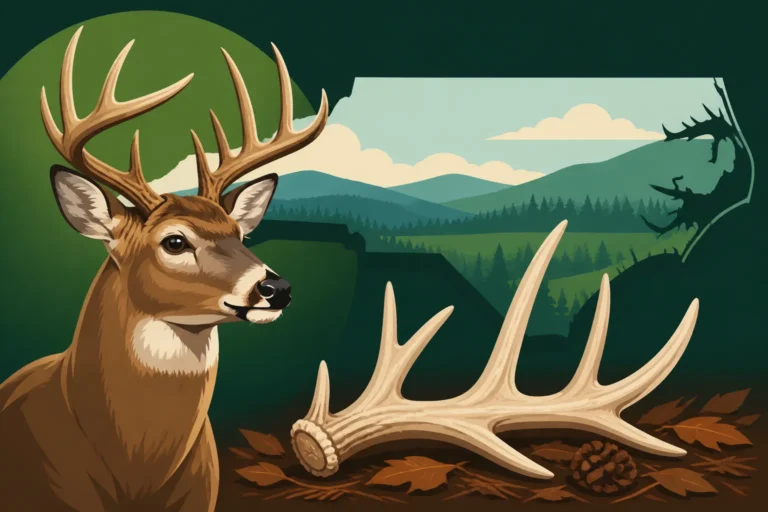
At its core, an antler restriction is a regulation that dictates the minimum antler size a buck must possess before it can be legally harvested. This isn't just about "any legal buck" anymore; it specifies criteria like minimum beam length, number of points on one or both sides, or even a minimum inside spread. The whole idea behind these rules is usually to try and shift the age structure of the buck population. Instead of many young, immature bucks being harvested, the hope is that hunters pass on these younger deer, allowing them to live longer, mature, and theoretically grow larger antlers.
It's a "let 'em go, let 'em grow" philosophy enforced by law. Advocates believe that by protecting these younger bucks, you eventually create a landscape where older, more mature animals are more common. This isn't just about rack size; it's often tied to broader goals of improving the overall health and quality of the deer herd, and even the hunting experience itself. But as you can imagine, telling a hunter they can’t take a perfectly good buck can lead to a lot of friction.
North Carolina's Current Stance and Historical Context
Here’s the thing you absolutely need to know: North Carolina does not currently have statewide antler restrictions. That's right, unlike some neighboring states or regions across the country, North Carolina generally operates under a system that allows hunters to harvest any antlered buck, provided it meets the definition of an antlered deer (usually, an antler visible above the hairline). This is a pretty significant difference and it often leads to a distinct hunting culture here. For a comprehensive overview of how our season is structured, you might want to read North Carolina Deer Season Structure Explained.
However, just because there aren't statewide ARs doesn't mean the debate hasn't simmered. There have been times, and specific instances, where localized antler restrictions or management strategies akin to them have been considered or even trialed on certain Game Lands or through specific cooperative agreements. Private hunting clubs, too, often implement their own voluntary antler restrictions, sometimes quite stringent, to manage their deer populations to their desired goals. So, while you won't find a rule about "8 points or better" on your statewide permit, the philosophy behind it is very much alive in discussions among hunters, wildlife biologists, and landowners across North Carolina. The current approach prioritizes hunter opportunity and choice, balancing it with overall herd management through bag limits and season structures.
The Arguments For Antler Restrictions
The case for antler restrictions often comes down to two main pillars: improving the quality of the buck age structure and enhancing the overall hunting experience. Many hunters, particularly those passionate about trophy hunting or managing herds for specific characteristics, find these arguments compelling.
Improving Buck Age Structure
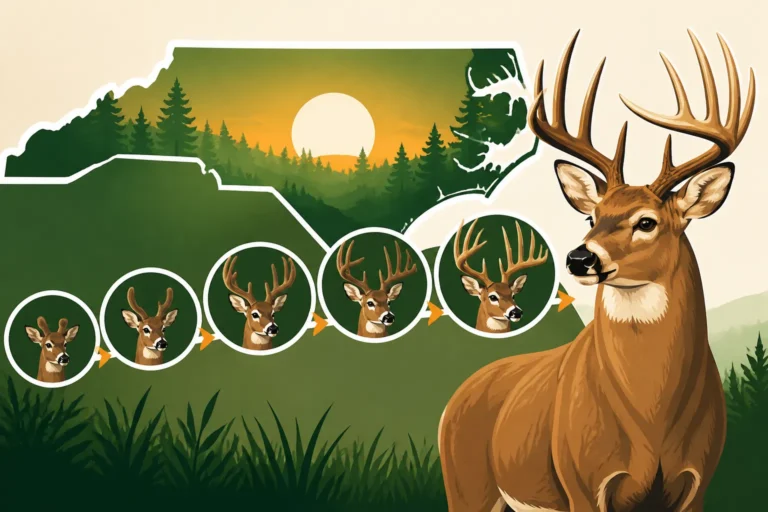
One of the primary drivers behind the push for ARs is the desire to shift the age structure of the buck population. In areas with heavy hunting pressure and no antler restrictions, there's often a tendency for a large proportion of young bucks – spikes, fork horns, and basket racks – to be harvested each season. This leaves fewer bucks to grow into their prime. Proponents of ARs argue that by legally requiring hunters to pass on these younger animals, more bucks survive to older age classes.
Imagine hunting a particular property year after year where every buck you see is two-and-a-half years old or younger. It can become disheartening if your goal is to pursue more mature animals. Antler restrictions aim to change that picture, allowing more three-and-a-half, four-and-a-half, and even five-and-a-half-year-old bucks to roam the woods. These older bucks aren't just about bigger racks; they often exhibit different behaviors, making for a more challenging and rewarding hunt. Furthermore, a balanced age structure is often seen as beneficial for breeding, with older, more dominant bucks participating more actively in the rut, potentially leading to more robust fawn recruitment. This ties into the overall health of the White-Tailed Deer Across North Carolina, ensuring a more natural population dynamic.
Enhancing the Hunting Experience
Beyond the biological aspects, many hunters advocate for ARs because they believe it genuinely enhances the hunting experience. There’s an undeniable thrill in pursuing an older, more elusive buck, an animal that has evaded hunters for several seasons and learned the ropes of survival. When ARs are in place and bucks are allowed to mature, hunters often report seeing more of these older deer, which elevates the challenge and the satisfaction of the hunt. It creates a different kind of "quality" in the hunt – one focused on strategy, patience, and the pursuit of a specific type of animal.
This perception of a "quality hunt" isn't just about personal enjoyment; it can also have economic implications. States and regions known for producing larger, older-antlered bucks often become destinations for hunters, which can boost local economies through gear sales, lodging, and guiding services. While North Carolina doesn't currently focus on this through statewide ARs, many private hunting clubs in the state implement their own stringent rules precisely to cultivate this kind of hunting experience for their members. These clubs understand that some hunters are willing to trade quantity for quality, embracing the challenge of passing up smaller bucks for the chance at a truly mature animal.
The Arguments Against Antler Restrictions
While the idea of bigger bucks and a "better" hunting experience sounds appealing to some, antler restrictions are far from universally popular. In fact, for many North Carolina hunters, the arguments against ARs hold significant weight, touching on everything from biological realities to the practical frustrations faced in the field.
Biological and Genetic Concerns
One of the most persistent arguments against antler restrictions revolves around their biological effectiveness and potential genetic implications. The "let 'em go, let 'em grow" philosophy sounds great on paper, but it doesn't account for individual deer variation. Not every young buck with small antlers is "genetically inferior." Sometimes, a two-and-a-half-year-old buck with a basket rack just had a rough year nutritionally, or perhaps its genetics dictate it will never be a Boone and Crockett contender, even if it lives to six. If you mandate that all small-antlered bucks must be passed, you risk culling out potentially robust, healthy young bucks that simply haven't reached their full potential or whose genetics dictate a smaller rack.
This leads to the "fork horn factor" debate: are we truly improving the herd, or just ensuring that bucks with the potential for larger antlers get to live longer? Some wildlife biologists suggest that herd health is more influenced by doe harvest rates and overall habitat quality than by simply protecting young bucks. If a deer herd has poor nutrition, passing on young bucks might just lead to a lot of older, still relatively small-antlered deer. For many hunters in North Carolina who are focused on putting venison in the freezer, a healthy, legal buck, regardless of antler size, is a valuable animal. Restrictions can reduce their opportunity to harvest, which for some, defeats a core purpose of hunting. For more on managing harvest, check out North Carolina Deer Bag Limit Rules.
Practical Implementation and Enforcement Challenges
Perhaps the most common frustration voiced by hunters when discussing antler restrictions is the practical nightmare of implementing and enforcing them. We've all heard the stories, or maybe even experienced the gut-wrenching moment ourselves: a buck appears in low light, the decision is split-second, and you pull the trigger, only to realize on closer inspection that its antlers don't quite meet the legal minimum. This is often referred to as "ground shrinkage" – what looked legal through a scope or binoculars magically shrinks once the animal is on the ground.
This inherent difficulty in judging antlers accurately and quickly in real-world hunting conditions can lead to accidental violations, which is incredibly disheartening for ethical hunters. Imagine a scenario where a new hunter, perhaps a youth participating in a North Carolina Mentored Youth Hunting Rules program, is trying to learn the ropes. Adding complex antler judging criteria on top of safety, shot placement, and field etiquette can be overwhelming and discouraging. Furthermore, these rules place a significant burden on wildlife enforcement officers, who then have to deal with honest mistakes. Many argue that simple, clear regulations are better for compliance and fostering a positive relationship between hunters and wildlife agencies.
Hunter Opportunity and "Buck-or-Doe" Mindset
For a large segment of the North Carolina hunting population, the idea of antler restrictions feels like an unnecessary hurdle that limits their opportunity and complicates what should be a straightforward pursuit. Many hunters aren't focused on trophy antlers at all; their primary goal is to put lean, organic venison on the table for their families. For them, any legal buck, regardless of the size of its rack, is a valued harvest. Imposing ARs can feel like a penalty for these hunters, making it harder for them to fill their tags and meet their family's needs.
There’s also a concern that an intense focus on antler size can inadvertently shift the hunting mindset too much towards bucks, potentially leading to under-harvesting of does. Effective deer management, especially in areas with high deer densities, often requires consistent doe harvest to keep the population in balance with its habitat. If hunters are constantly looking for a "shooter buck" with a specific antler characteristic, they might pass on does that are crucial for herd control. North Carolina’s current system, which gives hunters more flexibility, arguably encourages a more balanced harvest approach, allowing individual hunters to decide if they need a meat buck or if they want to hold out for a larger one. This aligns with the varied goals of hunters found throughout our state.
Navigating the North Carolina Deer Season Without Statewide ARs
Since North Carolina doesn’t have statewide antler restrictions, hunters here operate under a different set of expectations and freedoms compared to those in states with mandatory ARs. This unique approach brings both flexibility and a significant amount of personal responsibility to the forefront of deer management.
The Freedom (and Responsibility) of Choice
In North Carolina, the absence of statewide antler restrictions means that the decision of which legal buck to harvest largely rests with you, the individual hunter. If it's an antlered deer (meaning it has an antler visible above the hairline), and you have a valid tag and are hunting within season, you can take it. This flexibility is something many North Carolina hunters cherish. It means you can be a meat hunter focused on filling the freezer, taking the first legal buck that offers a clean shot, or you can be a trophy hunter, choosing to pass on younger deer in hopes of finding that mature buck later in the season. For details on deer harvest numbers and what they tell us about the herd, look at North Carolina Deer Harvest Records and North Carolina Deer Population Estimate.
This freedom, however, comes with responsibility. Hunters are implicitly encouraged to understand the local herd dynamics on the land they hunt. Are you seeing an imbalance of does to bucks? Is there adequate food? Are the bucks you're seeing consistently young? While there’s no legal mandate, many hunters choose to implement their own "voluntary antler restrictions" on private land they manage, passing on smaller bucks to allow them to mature. This allows for localized management decisions based on specific habitat and herd goals, rather than a blanket statewide rule that might not fit every situation.
Utilizing Resources for Informed Decisions
Even without statewide ARs, making informed decisions about your deer hunting can significantly enhance your experience and contribute to healthier local deer populations. Start by becoming a master scout of your hunting area. Learn the typical buck age structure. Are you seeing lots of young deer, or are older bucks present? Pay attention to North Carolina Buck Age Structure and how it might vary by region. If you're hunting public land, be aware that these areas often have higher hunting pressure, which can affect the average age of harvested bucks. Learning to read sign and understand deer movement before the season begins, as discussed in Scouting North Carolina Public Land Before Season, is invaluable.
Tools like the GoHunt app can be incredibly helpful here. While it won't tell you specific antler regulations (since we don't have statewide ones), it can provide invaluable aerial imagery, topo maps, and public/private land boundaries that help you identify potential bedding areas, travel corridors, and bottlenecks. This kind of information helps you understand the landscape and where mature bucks might be hiding. By understanding the general health and characteristics of your local herd, you can set personal goals – whether that's targeting an older buck or simply providing venison for your family – and hunt accordingly, making the most of North Carolina's flexible deer season. Even if you're not specifically looking for a trophy, understanding when Hunting the Rut in the Eastern Zones peaks, for example, can increase your chances of seeing more deer movement.
Here’s a look at how North Carolina’s current approach stacks up against the broader arguments for and against statewide antler restrictions:
| Feature | Arguments For ARs (Statewide) | Arguments Against ARs (Statewide) | North Carolina's Current Approach (No Statewide ARs) |
|---|---|---|---|
| Primary Goal | Increase buck age structure, trophy potential | Maximize hunter opportunity, reduce enforcement issues | Balance opportunity with individual hunter choice |
| Hunter Impact | Pass young bucks, target older age classes | Potential for accidental violations, reduced opportunity for some | Personal decision on buck harvest, focus on meat for some; voluntary management encouraged |
| Biological Effect | More mature bucks, potentially better rut genetics | Risk of culling healthy young bucks, not always genetic | Focus on overall herd health through bag limits and doe harvests, habitat management |
| Enforcement | Requires strict field enforcement | Difficult, "ground shrinkage" issues | Simpler enforcement based on basic legality |
| Flexibility | Less individual hunter choice | More individual hunter choice | High individual hunter choice, private clubs often manage their own |
| Brands/Tools | N/A (policy discussion) | N/A (policy discussion) | GoHunt app for scouting, personal observation |
Ultimately, North Carolina's approach to deer hunting reflects a commitment to hunter opportunity and choice, trusting individual hunters to make responsible decisions within generous statewide regulations. While the debate over antler restrictions continues to ripple through hunting camps and online forums, for now, the choice of what buck to harvest remains largely in your hands.
Disclaimer
This article is for general informational purposes only and does not constitute professional advice. Laws, prices and regulations vary by location and change over time. Consult a qualified professional for guidance on your specific situation.