When North Carolina Bucks Shed Antlers
There's nothing quite like the late-winter longing that hits us North Carolina deer hunters, isn't there? You've put away your rifle or bow, the season is closed, but your mind is already drifting to next fall. And what better way to bridge that gap than by hitting the woods to find some shed antlers? But the million-dollar question that haunts many of us is: when exactly do North Carolina bucks start dropping their antlers? It’s a frustrating guessing game that can leave you feeling like you’re always a week too late or a week too early. This guide is going to walk you through the fascinating biology behind antler shedding, break down the regional differences across our great state, and give you some solid strategies for when and where to start your shed hunting adventures.
Understanding the Antler Shedding Process in North Carolina
Shed hunting is an annual pilgrimage for many of us, a chance to reconnect with the woods and gather clues for the next hunting season. But to consistently find those elusive drops, we first need to understand the science that drives the process. It's more than just antlers falling off; it's a finely tuned biological event.
The Biological Triggers for Shedding
At its core, antler shedding is largely dictated by two primary factors: changes in daylight (photoperiod) and a buck's testosterone levels. As the days shorten leading up to the rut, a buck's testosterone surges, driving all those aggressive behaviors we love to witness during the breeding season. This high testosterone is what keeps the antlers firmly attached to the pedicles on their skull. However, once the rut winds down, typically by late November or early December in most of North Carolina, the buck's testosterone levels begin to plummet.
This decrease in testosterone, combined with the continued shortening of daylight hours into winter, signals the buck's body that it's time to shed. A special layer of cells called the "abscission layer" forms between the antler pedicle and the antler itself. This layer gradually weakens the connection, essentially dissolving the bone that holds the antler in place. It's a natural cycle, a biological reset, allowing the buck to grow a new, often larger, set of antlers for the next season. Think of it like a deciduous tree dropping its leaves in the fall; it's all part of nature's grand design.
General Timing of Shedding Across the State
While the biological triggers are universal, the exact timing of when North Carolina bucks shed their antlers isn't a one-size-fits-all answer. Our state is incredibly diverse, from the high peaks of the Appalachians to the flat, coastal plains, and these varied environments influence when those antlers hit the ground. Generally speaking, you can expect the bulk of North Carolina bucks to start shedding from late December through March.
However, within that broad window, there's significant variability. A buck that went through a particularly grueling rut, depleting its energy reserves, might shed earlier than a buck that had an easier time of it. Nutritional stress, like a poor mast crop year, can also play a role, as a buck's body prioritizes survival over holding onto bone after the breeding season. It’s a subtle dance with Mother Nature, and the timing can shift by weeks depending on the year and even the individual deer. Understanding this general timeframe is your first step in knowing when to start your scouting trips, whether you're interested in North Carolina Deer Season Structure Explained or simply enjoying the outdoors.
Factors Influencing Shed Timing in Different North Carolina Regions
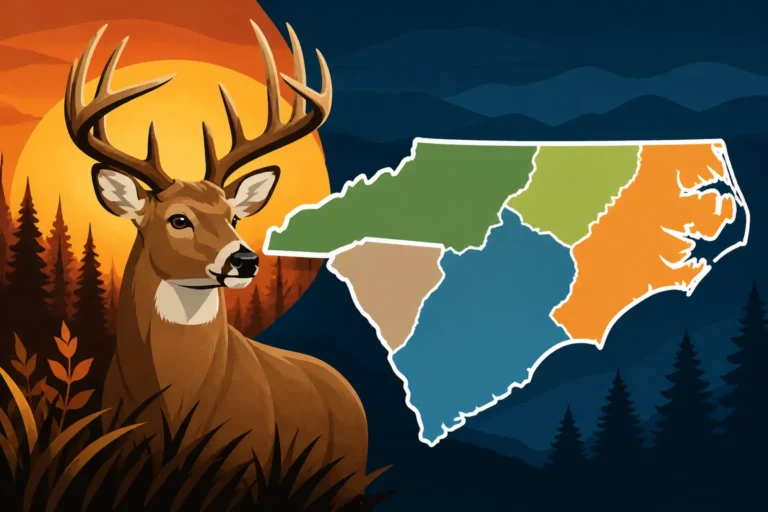
North Carolina's distinct geographic regions—the Mountains, the Piedmont, and the Coastal Plain—each present unique environmental conditions that can subtly influence when deer drop their antlers. What's true for a buck high in the Blue Ridge might be different for one roaming a farm field near Raleigh.
Mountain Zone Shedding Patterns
In the rugged Mountain Zone, things can sometimes happen a little differently. Colder temperatures, more severe winter weather, and higher elevations often mean that deer here face greater environmental stress. A significant snow event, prolonged cold snaps, or a late-season scarcity of food can push bucks to shed their antlers earlier than their counterparts in milder regions. Their bodies are working harder to survive, and maintaining antlers becomes less of a priority once the rut is over. You might see some early drops starting in late December or early January in the highest elevations, particularly after a tough winter.
For those of us who hunt the higher elevations of Pisgah or Nantahala National Forests, we learn to pay close attention to weather patterns in January and February. A heavy snow that forces deer into lower elevations or into specific thermal cover can concentrate shedding activity. I’ve known hunters who found shed antlers in areas where deer would typically bed down, seeking shelter from the wind on a Hunting Blue Ridge Escarpment Ridgelines excursion. It's all about observing the signs of the season and the condition of the deer you see.
Piedmont and Eastern Zones: A Different Schedule
Moving eastward, into the rolling hills of the Piedmont and the expansive Coastal Plain, the shedding schedule tends to shift a bit later. These regions generally experience milder winters with less dramatic temperature swings and typically more abundant food sources, even after the leaves fall. Bucks here might not face the same level of nutritional or environmental stress as their mountain kin. Therefore, it's not uncommon for bucks in the Piedmont and Eastern Zones to hold their antlers well into February and even into March.
I’ve had friends hunting small private tracts in the Piedmont still seeing bucks with full racks in mid-February, especially if the rut wasn't as intense for them or if food was plentiful. The timing of Hunting the Rut in the Eastern Zones or Hunting the Rut in the Western Zone also plays a role, as a later rut might mean bucks hold their antlers longer while recovering. Don't be surprised if your best shed hunting opportunities in these areas come in late February and early March, especially in areas with good cover and late-season food sources like standing corn or clover plots.
Impact of Rut Timing and Herd Health
Beyond regional weather patterns, the timing and intensity of the rut itself, along with the overall health of the deer herd, are huge influences on when antlers drop. A buck that expends a tremendous amount of energy during a prolonged, intense rut will likely shed its antlers earlier than one that had a less stressful breeding season. Fighting, chasing does, and reduced feeding during the rut take a toll on a buck's body. Once the breeding is done, their body quickly shifts priorities to recovery and survival, making those antlers expendable.
Poor herd health, often linked to nutritional deficiencies or high deer density, can also contribute to earlier shedding. If deer are struggling to find enough quality food, their bodies will simply can't support those antlers for as long. Conversely, a healthy, well-fed buck in an area with good habitat, where deer density might be moderate, might hold onto its antlers longer. This is why paying attention to reports on North Carolina Deer Population Estimate and local habitat conditions can give you an edge. Factors like Late-Season Food Sources for North Carolina Whitetails can mean the difference between an early drop and a late one.
North Carolina Deer Antler Shedding Timing by Region
| Region | Typical Shedding Window | Key Influencing Factors | Prime Shed Hunting Time |
|---|---|---|---|
| Mountains | Late December – February | Colder temps, harsher winters, deep snow, higher stress levels. Early, intense rut. | Early January – Mid-February |
| Piedmont | January – Early March | Milder winters, good food availability, moderate stress. Rut timing can be variable. | Mid-February – Early March |
| Coastal Plain | February – Mid-March | Mildest winters, abundant food (especially agricultural), lower stress. Later rut often means later drops. | Late February – Mid-March |
| General | Late December – March | Overall herd health, individual buck age/condition, intensity of prior rut, availability of Late-Season Food Sources for North Carolina Whitetails. | Variable by year and buck |
Strategies for Finding North Carolina Shed Antlers
Okay, so you understand when the antlers are likely to drop. Now for the exciting part: how do you actually find them? Shed hunting isn't just a random walk in the woods; it's a strategic hunt in itself, requiring patience, keen observation, and a bit of planning.
Best Times and Locations to Scout
The "best time" to scout for sheds is generally after the bulk of the antlers have dropped in your specific region, but before new spring growth makes them impossible to spot. For the mountains, this might mean mid-January through early March, whereas in the Piedmont and Coastal Plain, you might be looking from mid-February through late March. The key is to start scouting a bit earlier than you expect them to drop, especially if you want to find them fresh and avoid rodent damage.
When it comes to where to look, think like a deer during the post-rut, winter period. Deer are conserving energy, seeking food, thermal cover, and easy travel routes. Focus your efforts on:
- Bedding Areas: Deer spend a lot of time resting, and antlers often come loose when they stand up after a long period of inactivity. Look on south-facing slopes (for warmth), in thickets, or along ridge lines. For example, knowing Where Nantahala Forest Bucks Bed can be invaluable.
- Feeding Areas: Deer have to eat! Check around agricultural fields (especially corn or soybeans that were left standing), oak ridges where acorns were plentiful, and planted food plots.
- Travel Corridors: Deer will use the path of least resistance between bedding and feeding areas. Think about old logging roads, creek bottoms, fence lines, and even well-worn deer trails.
- Fence and Creek Crossings: Any place a deer has to jump or exert itself to cross an obstacle can be a prime spot for an antler to pop off.
- Thick Cover: Deer often retreat to dense cover after the season, especially mature bucks. These areas can be goldmines, but they're tough to navigate.
Using modern tools like the GoHunt app can be a game-changer here. Their mapping features allow you to identify potential bedding and feeding areas, mark travel corridors, and even overlay different land types to help you pinpoint high-probability zones. It's like having a digital scout with you, helping you plan your Scouting North Carolina Public Land Before Season trips for both sheds and later, for deer.
What to Look For and How to Approach Shed Hunting
Shed hunting requires a slow, methodical approach. You're not looking for a whole deer, but a piece of bone that often blends in perfectly with the leaf litter, pine straw, or snow. Here are some tips:
- Slow Walk: Resist the urge to stride quickly through the woods. Walk slowly, scanning the ground 10-20 yards ahead of you, and keep your head on a swivel. Look for anything that looks out of place – a curve, a tine, or a different color against the forest floor.
- Grid Search: In promising areas, try to walk in a grid pattern. This ensures you cover the ground systematically and don't miss anything.
- Sunlight: The angle of the sun can make a huge difference. Sometimes a shed will glint in the sunlight, while other times the shadows will reveal its outline. Try walking an area from different directions throughout the day if possible.
- Focus on the Details: Don't just look for a whole antler. Often, you'll first spot a tine, a brow tines, or just the curve of the main beam. Train your eyes to pick up these subtle clues. It's similar to Reading North Carolina Mud for Fresh Deer Movement; you're looking for subtle signs.
- Bring a Buddy (or a Dog): A second set of eyes (or an eager canine nose, if trained for shed hunting) can significantly increase your success rate. Two people covering ground side-by-side can be incredibly effective.
Patience is paramount. You might walk for hours without seeing a thing, and then suddenly stumble upon a fresh set. It's all part of the game.
Interpreting Sheds for Deer Management
Finding a shed antler is more than just a cool souvenir; it's a valuable piece of intel for your upcoming hunting season. Each shed tells a story about the buck that dropped it.
- Age and Potential: The size and mass of a shed can give you clues about the buck's age and its potential for growth. A big, heavy shed means you have a mature buck in the area. Consistent observation of shed antlers over several years, perhaps in conjunction with trail camera photos, can help you track the growth of specific bucks. This information can be incredibly useful when trying to understand the North Carolina Deer Antler Growth Timeline.
- Health and Nutrition: A buck with a nice, healthy rack generally indicates good nutrition in the area. If you're finding sheds that are small or spindly for a buck's apparent age, it might suggest nutritional deficiencies in the local herd.
- Bedding and Travel Patterns: The location where you find a shed confirms that a buck was using that specific area during the late winter. If you find both sides of a set, you know that buck was spending a good amount of time in that immediate vicinity. This can help you refine your scouting for next season, pinpointing potential bedding areas or key travel routes. Knowing Finding Sign in Big Pisgah Timber or where a buck might be holding out after the season can turn a casual walk into a serious scouting mission.
- Year-to-Year Trends: By collecting sheds annually, you can start to observe trends in antler development within your hunting area. Are the bucks getting bigger? Or are they declining in size? This is crucial data for anyone serious about managing their deer herd or understanding the local Deer Density by North Carolina Zone.
So, don't just pick up that shed and put it on a shelf. Take a moment to analyze it, note its location, and add that information to your mental (or digital, with GoHunt!) map of your hunting grounds. It's all part of the rich tapestry of hunting in North Carolina.
Disclaimer
This article is for general informational purposes only and does not constitute professional advice. Laws, prices and regulations vary by location and change over time. Consult a qualified professional for guidance on your specific situation.