When Woodcock Migrate Through North Carolina
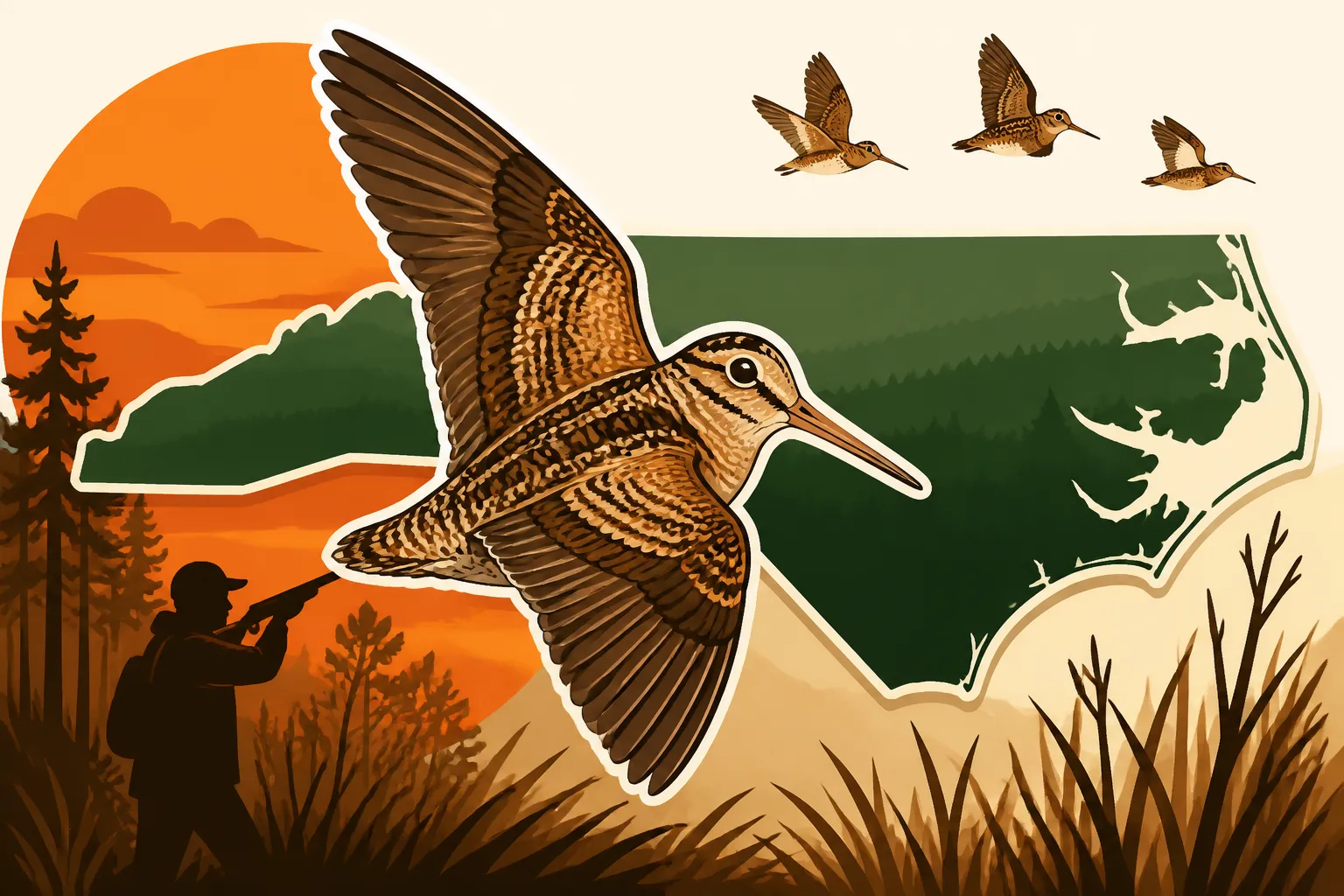
Trying to time the arrival and departure of American woodcock in North Carolina can feel like trying to catch smoke. These elusive "timberdoodles" are migratory birds, passing through our state on their way south, and their movements are often tied to fickle weather patterns. This guide will help you understand the general migration windows for woodcock in North Carolina, giving you a better chance to intercept these fascinating upland birds.
The Enigmatic Migration of the American Woodcock
The American woodcock, affectionately known as a timberdoodle, bog sucker, or brier snipe, is a truly unique game bird. Unlike many other upland species, they aren't here year-round in great numbers in most of North Carolina; they're transient visitors, making our state a crucial stopover on their long journey from northern breeding grounds down to their wintering territories, often in the deep South. Understanding their migratory nature is the first step in successful woodcock hunting.
These birds breed across the northern and eastern United States and parts of Canada, spending their summers raising broods in dense, young forests with moist soil, rich in earthworms – their primary food source. As the days shorten and the ground begins to freeze in these northern latitudes, the woodcock are compelled to move south to find softer soil where they can probe for worms. This southward journey is a fascinating phenomenon, often triggered by subtle environmental cues that hunters can learn to anticipate.
Their migration isn't a single, mass exodus but rather a more prolonged, staggered movement. Individual birds or small groups will start their journey, often under the cover of darkness, flying relatively low and slowly. This means that hunters in North Carolina might encounter a fresh influx of birds one day, only for them to be gone with the next cold front, replaced by another wave a few days later. It's this dynamic, ever-changing pattern that makes woodcock hunting such a challenging yet rewarding pursuit.
Woodcock Stopover Habitat
When woodcock migrate, they don't just fly straight through; they need to rest and refuel. This means they seek out specific types of habitat along their flight path, making these areas prime locations for hunters who know what to look for. Think damp, young forests, particularly those with brushy clearings, alder thickets, young pines, and dogwoods, especially near creeks or other water sources. The key is soft, moist soil, crucial for their long bills to probe for earthworms.
You'll often find them tucked into dense, almost impenetrable cover during the day, where they feel safe from predators. These areas might seem too thick for a bird, but their cryptic coloration and secretive nature allow them to blend in perfectly. As dusk approaches, they might move to more open areas like field edges or logging roads to perform their aerial courtship displays – the famous "sky dance" – though this is more common on their spring migration back north. For hunters, identifying these stopover points is critical.
Mapping tools can be incredibly useful here. Using a platform like GoHunt, you can really dig into aerial imagery to identify areas that fit the bill: dense, young timber, usually near a creek or drainage, often adjacent to more mature woods for loafing cover. Look for the "edge" where different habitat types meet; these transition zones are often hotspots. A good woodcock hunter spends as much time scouting on a map and on foot as they do actually hunting, trying to pinpoint these brief but crucial stopovers.
Pinpointing North Carolina's Woodcock Migration Periods
North Carolina sits squarely in the Atlantic Flyway, making it a regular pathway for migrating woodcock. While exact timing is always dependent on weather, we can talk about general windows when these birds are most likely to be present in our state, from the mountains to the coast.
Early Season Migration: October to Early November
For many hunters, the arrival of woodcock in North Carolina truly kicks off in October. This is when the first significant cold fronts from the north push the leading edge of the migration into our state. You'll often find these early arrivals in the mountains and northern Piedmont first, before they filter further south and east. It's a fantastic time to be in the woods, with crisp air and changing leaves, and the woodcock are usually quite active as they forage for energy.
These initial waves of birds can be somewhat unpredictable. One week, a cold snap might bring a flush of birds into a favorite covert, only for a warm spell to push them further south or cause them to scatter. It requires vigilance and often several trips to different spots to catch them. The key is to pay attention to weather patterns, especially those strong cold fronts that seem to sweep across the country.
Hunting during this period often means working through heavier foliage than later in the season. The leaves might still be thick on the trees, making shooting opportunities challenging but rewarding. However, the ground is usually still soft, offering excellent probing conditions for the birds. If you're out chasing Squirrel and Small Game Hunting in North Carolina during October, keep an eye out; you might just stumble upon some timberdoodles in the same cover.
Peak Migration: Mid-November to Mid-December
This is arguably the sweet spot for woodcock hunting in North Carolina. As winter truly begins to grip the northern states, successive waves of woodcock are pushed down into our state. By mid-November, and continuing through mid-December, you can expect to find good numbers of birds across the Piedmont and into the Coastal Plain. This is when conditions often align perfectly: colder weather up north, but still relatively mild and wet enough here for soft soil.
During this peak, you might encounter higher densities of birds in suitable coverts. It's not uncommon to flush multiple birds from a single small patch of woods that looked barren just a week earlier. This is also when hunters often report finding birds in unexpected places, as they're simply trying to find any patch of suitable feeding and resting cover they can. Don't be afraid to explore new areas, particularly those "edge" habitats mentioned earlier.
The decreasing foliage also makes for better shooting. Trees are often bare or nearly bare, opening up lanes for your shotgun. However, the ground might be starting to firm up, so focusing on lower, wetter areas like creek bottoms and swamp edges becomes even more important. This is prime time to walk those alder thickets and young pine plantations, hoping for that explosive, twisting flush. Check your North Carolina Woodcock Singing Ground Surveys for historical hot spots, though remember these surveys often focus on spring breeding activity, not fall migration.
Late Season Stragglers: Late December to January
Even as the calendar turns to late December and into January, you can still find woodcock in North Carolina, especially in the milder Coastal Plain regions. These are often the last of the migratory birds, or sometimes even a few that decide to overwinter in our state if conditions remain favorable. However, their numbers are generally lower, and they can be more scattered.
At this point, persistent cold weather can be your biggest enemy. If the ground freezes hard for an extended period, woodcock will be forced to move even further south, seeking out areas with consistently unfrozen soil. You'll want to focus almost exclusively on truly wet areas – creek bottoms, pocosin edges, and swampy thickets where the ground is less likely to freeze solid. These areas can hold birds even when uplands are barren.
Hunting these late-season birds can be a real test of patience and persistence. They might be in very small, isolated pockets, requiring you to cover a lot of ground or hit multiple locations. But finding a timberdoodle in late December, twisting through barren winter woods, is a truly special experience. For detailed season dates, always consult the official regulations, but this timeframe gives you a good idea of when to be out there.
Here's a general migration overview for North Carolina:
| Region | Early Migration (Oct) | Peak Migration (Nov-Mid Dec) | Late Migration (Late Dec-Jan) |
|---|---|---|---|
| Mountains | First arrivals, can be pushed out by early freezes | Good numbers, especially lower elevations | Limited, focus on sheltered, wet areas |
| Piedmont | Increasing numbers, especially northern counties | Excellent numbers, widespread | Fair numbers, moving to wetter cover |
| Coastal Plain | Few to moderate numbers | Good to excellent numbers, widespread | Moderate numbers, can hold through winter if mild |
Key Factors Driving Woodcock Movement in Our State
Woodcock migration isn't on a strict calendar. It's a dynamic process influenced by several environmental factors. Understanding these can help you predict their movements and put yourself in the right place at the right time.
The Role of Cold Fronts and Weather
Without a doubt, cold fronts are the primary catalyst for woodcock migration. As brutal arctic air masses sweep down from the north, freezing the ground and making it impossible for woodcock to feed, these birds are forced to move. It's less about the air temperature in North Carolina and more about the conditions north of us. A sustained freeze in Pennsylvania or New England often means a fresh influx of birds into North Carolina a few days later.
But it's not just the big cold snaps. Even more subtle changes in weather can push birds along. Persistent rain, followed by clearing and colder temperatures, can sometimes concentrate birds as they seek out freshly softened ground. Conversely, a prolonged warm spell in North Carolina can cause birds to linger or even disperse, making them harder to find. Paying attention to regional weather forecasts, not just local ones, is a crucial part of the woodcock hunter's strategy.
Think of it like this: a woodcock isn't just flying to North Carolina; it's following the "unfrozen earthworm line." As that line retreats south, so do the birds. This makes the skill of anticipating weather patterns, especially in the broader eastern flyway, just as important as knowing your local coverts. Tools like GoHunt can help you visualize weather fronts and temperatures across larger regions, aiding in your predictive scouting.
Food Availability and Soil Conditions
The woodcock's diet is almost exclusively earthworms, which means their movements are intrinsically linked to the availability of soft, moist soil. If the ground is frozen solid or too dry and hard, they simply can't feed. This is why you'll rarely find woodcock in high, dry, rocky uplands, especially in late fall. They gravitate towards areas with good soil moisture retention.
Areas like creek bottoms, alder thickets, moist clear-cuts, and the edges of beaver ponds are prime woodcock habitat precisely because they offer consistently soft ground. As the season progresses and colder temperatures arrive, these low-lying, damp areas become even more critical. They act as refuges where birds can continue to feed even if higher, drier ground has frozen.
A poor acorn year or other mast crop issues in some parts of the state might affect deer movement, but for woodcock, it's all about the worms. This singular dietary preference makes them highly specialized in their habitat needs, which, while challenging, also helps hunters narrow down where to look. When you're Hunting the North Carolina Rut by Zone, keep an eye on those wet bottomlands for both deer and woodcock.
Habitat Succession and Cover
Woodcock prefer early successional habitats – young forests, brushy fields, and regenerating clear-cuts. As forests mature, they become less suitable for woodcock. This means that prime woodcock coverts are constantly changing. An area that held birds five years ago might be too dense or too open now.
Land management practices, such as timber harvests and prescribed burns, can create excellent woodcock habitat, but these areas require time to regenerate to the ideal stage. When scouting, look for regenerating cuts that are about 5-15 years old, with dense undergrowth but still enough sunlight reaching the forest floor to keep the soil moist. Hunting Croatan Forest Pocosin Edges can be great for this, as these low-lying areas often have that ideal mix of dense cover and damp ground.
The density of cover is also vital for protection from predators. Woodcock are ground-nesting birds, and even during migration, they prefer thick cover where they can disappear in an instant. This means that while you're looking for soft soil, you also need to find that thick tangle of briars, young pines, or dense saplings that provides sanctuary.
Scouting and Finding Migrating Timberdoodles
Finding woodcock is a game of patience and observation. They're masters of camouflage and can sit incredibly tight, often flushing at your feet, making them a true "walking up" bird. However, with the right approach, you can increase your chances of finding these elusive migrants.
Identifying Productive Coverts
The first step is knowing what constitutes good woodcock cover. As discussed, look for young, brushy woods with moist, permeable soil. Alders, willows, dogwoods, young pines, and dense briar thickets are all good indicators. Focus on areas near water – creeks, ditches, beaver ponds, and swamp edges are often prime. Often, these are the same damp, brushy areas where you might find Rabbit Hunting North Carolina Fencerows.
Once you've identified potential areas on a map, get out and walk them. Look for signs: woodcock droppings (small, white, splashy, often with a dark center, resembling a snail's trail), probe holes in the soft earth (small, pencil-sized holes where they've searched for worms), and dusting bowls (small depressions in bare earth where they've dusted themselves). These signs are clear indicators that birds have been using the area, even if they're not there at that exact moment.
Remember that woodcock coverts can be surprisingly small. Sometimes, just a quarter-acre patch of ideal habitat along a creek bottom can hold several birds. Don't overlook these smaller pockets of cover, especially in areas with a lot of pressure. Hunters using tools like GoHunt can mark these micro-coverts on their maps for future reference, building a personal database of potential hotspots.
Timing Your Hunt and Observing Conditions
As we've covered, timing is everything. Pay close attention to those cold fronts moving through the flyway. Plan your hunts for a day or two after a significant cold snap. This allows time for the birds to travel and settle into new coverts. If there's been recent rain, even better, as it softens the ground.
Consider the time of day. While woodcock can be flushed at any time, they are most active in low light conditions, typically dawn and dusk, when they might move to more open areas to feed or perform displays. During the main hunting hours, they'll be tucked into dense cover. Walking coverts mid-morning to mid-afternoon often yields the best flushing opportunities.
Finally, listen. Woodcock aren't particularly vocal during fall migration, but you might occasionally hear a soft "peent" call, especially if you're out near dusk. More importantly, listen for the distinctive whistling wings as a bird flushes. It’s a sound that will quickly become etched into your memory. This is especially true if you're trying to re-locate a bird after a miss – listen for where it sets down.
Hunting with and Without a Dog
A good bird dog, especially a pointing breed, is an incredible asset for woodcock hunting. Their keen nose and ability to hold a point on a tight-sitting bird can drastically increase your success rate and make the experience infinitely more enjoyable. The dog can pinpoint birds that you would undoubtedly walk past, allowing you to get into a ready position for the flush. Bird Dog Gear for North Carolina Cover is essential, as these birds often lead you into the thickest briars.
However, hunting without a dog is absolutely possible and still very rewarding. It requires a more deliberate, methodical approach. Walk slowly, pause frequently, and be prepared for a flush at any moment. Focus on covering every inch of good looking habitat, systematically working through thickets. Some hunters prefer to zigzag through cover, ensuring they cover ground thoroughly and potentially surprising birds.
Whether you have a dog or not, shot placement on a flushing woodcock is tricky. They fly fast and erratically, twisting and turning through thick cover. Quick reflexes and a fast-handling shotgun are key. Consider using a more open choke, like improved cylinder or skeet, and smaller shot sizes like 7.5 or 8, to maximize your pattern in the close-quarters cover where these birds reside.
Disclaimer
This article is for general informational purposes only and does not constitute professional advice. Laws, prices and regulations vary by location and change over time. Consult a qualified professional for guidance on your specific situation.