Avian Influenza in North Carolina Birds
Finding sick or dead birds in the field can be an alarming experience, especially when you're out enjoying North Carolina's rich natural areas. It raises immediate questions about safety, the health of our wildlife, and what it might mean for upcoming seasons. This guide will walk you through what avian influenza is, how to identify its signs in wild birds, and most importantly, the practical steps every hunter and outdoor enthusiast can take to stay safe and help monitor our feathered friends.
Understanding Avian Influenza
Avian influenza, often referred to simply as "bird flu," is a serious viral disease that primarily affects birds. It's not a new phenomenon; strains of avian flu have circulated for decades. However, specific strains can be highly pathogenic (HPAI), meaning they cause severe illness and high mortality rates in infected birds. These HPAI strains are what often make the news and cause concern for both poultry farmers and wildlife managers, as they can spread rapidly through bird populations.
The virus itself comes in many different types and subtypes. Some are relatively benign, causing mild or no symptoms in wild birds, while others, like the H5N1 strain we've seen in recent years, can be devastating. These highly pathogenic strains can lead to widespread mortality events in certain species, particularly waterfowl and other aquatic birds, as well as raptors and scavengers that feed on infected carcasses. Understanding the nature of the virus is the first step in comprehending its potential impact.
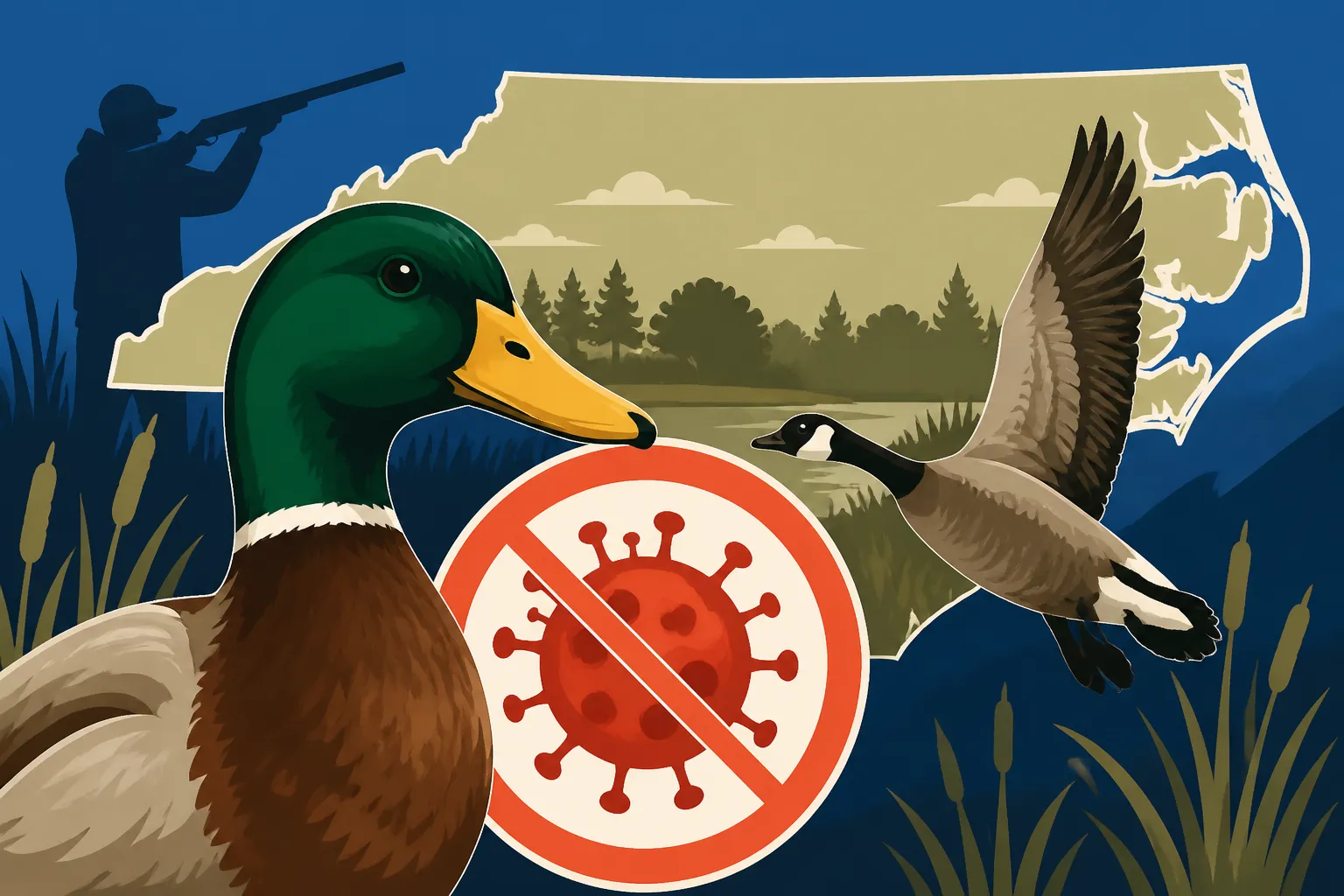
It’s important to remember that avian influenza viruses are naturally occurring in wild bird populations, especially waterfowl, which can carry the virus without showing signs of illness. These seemingly healthy carriers can then transmit the virus to other birds, including domestic poultry, during migration or through shared habitats. This dynamic makes managing its spread incredibly challenging, as wild birds travel vast distances, connecting different ecosystems and populations across continents.
How Avian Flu Spreads Among Wild Birds
The primary way avian influenza spreads among wild birds is through direct contact with infected birds or their droppings. Think about ducks and geese congregating in wetlands or staging areas during migration – it’s a perfect environment for a virus like AI to move from one bird to another. Birds shed the virus in their feces, respiratory secretions, and saliva, contaminating water sources, feed, and the very ground they walk on.
Migratory patterns play a huge role in the geographic spread of avian influenza. North Carolina sits squarely in the Atlantic Flyway, a major migratory route for millions of waterfowl and other birds. As these birds travel from their breeding grounds in the north to their wintering grounds here in the Carolinas, they can carry the virus with them, introducing it to new populations along the way. This is why waterfowl are often considered key reservoirs for the virus, and why their health is so closely monitored. You might consult a tool like GoHunt to track bird movements, although direct disease tracking is a job for wildlife agencies.
Beyond direct contact, shared water sources are a significant vector. A pond, swamp, or marsh where many birds feed, drink, and rest can quickly become contaminated. If an infected bird defecates in the water, other birds that ingest that water or feed in it can pick up the virus. This communal use of essential habitats makes it difficult to contain outbreaks once they start, as the environment itself can harbor the virus for a period, even after infected birds have moved on.
The Impact on North Carolina's Wild Bird Populations
When highly pathogenic avian influenza takes hold, the impact can be quite dramatic on North Carolina's wild bird populations. Waterfowl, such as ducks, geese, and swans, are often the hardest hit, experiencing significant die-offs. We’ve seen instances where large numbers of snow geese or tundra swans have succumbed to the virus in coastal plain impoundments and fields, which is heartbreaking to witness for anyone who values our natural heritage.
Raptors and scavengers are also vulnerable. Birds like bald eagles, ospreys, and various hawk species can become infected by preying on or scavenging the carcasses of birds that have died from AI. This creates a secondary pathway for the virus to spread and affects species that aren't typically considered primary carriers. It's a stark reminder of the interconnectedness of our ecosystems and how a disease impacting one group can ripple through the entire food web. You can learn more about raptors in the state by reading about North Carolina Bald Eagle Recovery Near the Coast or North Carolina Osprey Nesting Platforms.
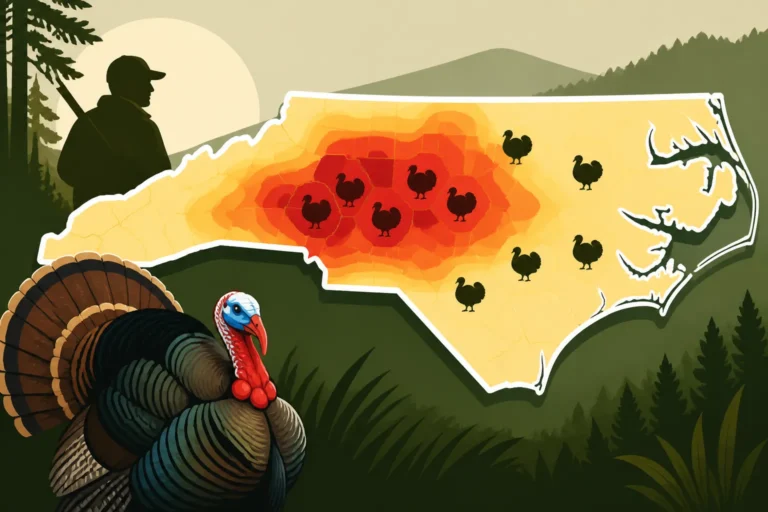
While AI is primarily known for affecting waterfowl, it can also impact other bird species. Shorebirds, gulls, and even some game birds like wild turkeys can be susceptible, though large-scale die-offs in these populations are less common than in waterfowl. The overall effect on North Carolina's diverse birdlife is a primary concern for wildlife biologists, who continuously monitor for new outbreaks and assess the health of various species across the state, ensuring that North Carolina Wildlife Disease Monitoring is always a top priority.
Recognizing Signs and Symptoms in the Field
Knowing what to look for when you're out in the field is crucial. It’s not about panicking, but about being informed and observant. Early detection and reporting can make a real difference in how wildlife agencies respond to potential outbreaks. Think of it as being an extra set of eyes for our wildlife managers.
What to Look For in Live Birds
If you encounter live birds that appear sick, the signs of avian influenza can be quite varied, but often include neurological symptoms. You might see birds stumbling, trembling, walking in circles, or exhibiting head tilt. They might seem disoriented or unable to fly properly, perhaps crashing into objects. These neurological signs are often severe and indicate a deep infection impacting their central nervous system.
Respiratory distress is another common indicator. Sick birds might have swollen heads, eyelids, wattles, or combs. They may gasp for air, cough, or have discharge from their nostrils or eyes. While some of these symptoms can be indicative of other ailments, when combined with general lethargy or unresponsiveness, they point strongly towards a serious illness like AI. A healthy bird is typically alert and active, even when resting.
General lethargy, weakness, and an overall disheveled appearance are also red flags. A bird that doesn't react to your presence, appears unusually tame, or is simply sitting hunched with ruffled feathers for an extended period could be infected. While it’s tempting to approach and try to help, remember that direct contact with sick wild birds is generally not advised due to the potential for disease transmission to other birds or, in very rare cases, to humans.
Identifying Carcasses and Unnatural Die-Offs
The most obvious sign of an avian influenza outbreak is the discovery of multiple dead birds in a single area, especially without any obvious signs of trauma or predation. If you find several waterfowl – ducks, geese, swans – or shorebirds, gulls, or even raptors dead within a relatively small space, this is a significant cause for concern and warrants immediate reporting. These are what wildlife agencies refer to as "unusual mortality events."
Another thing to look for is the condition of the carcasses. If the birds appear to be in good body condition but are dead, it suggests a rapid, acute illness rather than starvation or old age. Swollen heads, discolored legs, or internal hemorrhaging (which you might not see without examination but can be present) are internal indicators often associated with HPAI. However, the key takeaway for hunters is not to examine them closely yourself. Just observe and report.
It's also important to note the location. If you’re hunting North Carolina Waterfowl on the Atlantic Flyway and see a number of dead birds in a specific wetland, impoundment, or even a field, that highly concentrated death toll is a strong indicator something is wrong. A single dead bird could be from any number of causes, but multiple carcasses in one spot should always raise a red flag. Always use your scouting tools, like the GoHunt app, to log such observations, even if it's just a mental note before reporting to the authorities.
Differentiating AI from Other Wildlife Diseases
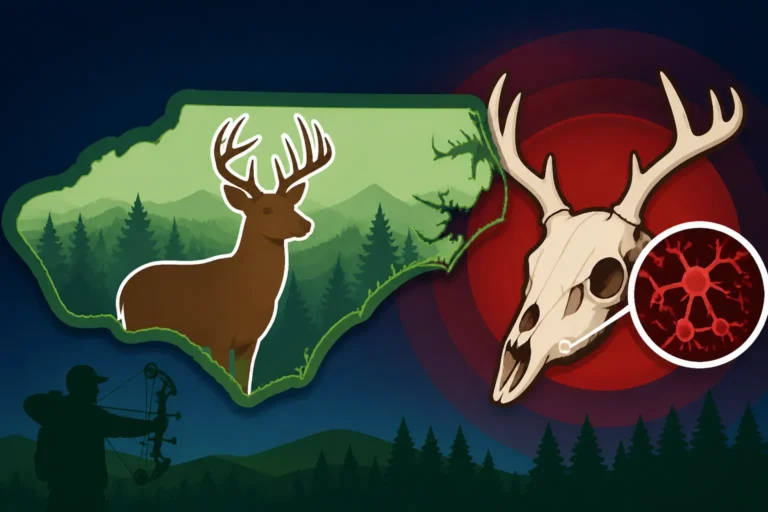
While avian influenza is a significant concern, it's not the only disease that can affect wild birds or other wildlife in North Carolina. Hunters often come across animals afflicted by various conditions, and it's helpful to understand that not every sick or dead animal points to bird flu. For instance, deer can be impacted by diseases like Epizootic Hemorrhagic Disease (EHD), which causes widespread die-offs, particularly in late summer and early fall, leading to similar concerns about large numbers of dead animals.
Waterfowl themselves can suffer from other issues, such as avian botulism. This bacterial toxin causes paralysis, and you might see birds that are unable to hold their heads up or fly, often found along shorelines. Lead poisoning from ingesting spent shot can also affect waterfowl, causing emaciation and lethargy. The key difference with AI often lies in the rapid, widespread neurological symptoms and the species affected, but without laboratory testing, it's difficult for an untrained eye to be 100% certain.
The important thing is not for you to diagnose the exact cause, but to recognize when something is clearly amiss and to report it. Wildlife agencies have veterinarians and biologists who are equipped to investigate and determine the specific disease. Your role is to be a vigilant observer in the field, relaying accurate information about what you see, allowing the experts to handle the scientific diagnosis. This collaborative effort helps maintain overall North Carolina Wildlife Disease Monitoring and protects our resources.
Precautions for Hunters and Outdoor Enthusiasts
As hunters, we have a responsibility to be good stewards of the land and its wildlife. When it comes to avian influenza, this means taking sensible precautions to protect ourselves, our hunting dogs, and the broader bird populations. These aren’t complex steps, but they are vital.
Best Practices for Handling Harvested Birds
When you harvest a bird, whether it's a duck, goose, or even a dove, always wear gloves when handling it. This is a basic hygiene practice that protects you from a variety of potential pathogens, not just avian influenza. While the risk of human infection from handling wild game birds is considered very low, taking this simple step eliminates any direct skin contact with the bird's feathers, blood, or internal organs.
Once you’ve harvested your bird, field dress it promptly and properly. Do this away from areas where other birds might congregate, if possible, to minimize potential contamination. Dispose of the offal responsibly, ideally by burying it or placing it in a sealed bag for proper disposal, to prevent scavengers or other birds from accessing potentially infected material. Clean your knives, cutting surfaces, and any other equipment thoroughly with soap and water, and disinfect them if possible, before storing them away.
Finally, ensure all game meat is cooked thoroughly to an internal temperature of at least 165°F (74°C). This temperature effectively kills viruses and bacteria, including avian influenza. While the risk of contracting AI from properly cooked game meat is negligible, thorough cooking is a fundamental food safety practice for all wild game. So enjoy that perfectly roasted duck, but make sure it’s cooked all the way through!
Minimizing Spread During Hunting Activities
Beyond handling harvested birds, there are broader practices we can adopt to minimize the potential spread of avian influenza during our hunting activities. First and foremost, if you see sick or dead birds in an area, avoid hunting there. This isn’t just about personal safety; it’s about preventing further disturbance and potential spread. Report your observations to the North Carolina Wildlife Resources Commission (NCWRC) and let them assess the situation.
It's also crucial to clean and disinfect your hunting gear after each outing, especially if you've been in areas with high bird concentrations or suspected AI activity. This includes waders, boots, decoys, and dog crates. A simple solution of one part bleach to ten parts water can be effective for disinfection. Pay particular attention to your dog's paws and any equipment that might have come into contact with bird droppings or water. You can mark your cleaned areas on your GoHunt map to remember safe zones.
If you hunt with a dog, ensure your canine companion is safe. Avoid letting your dog retrieve sick or visibly weak birds. While dogs are not typically susceptible to HPAI, they can potentially carry the virus on their paws or fur, transferring it to other areas or even back home. After retrieving healthy birds, make sure to give your dog's paws and coat a good cleaning, especially before they come into contact with any domestic birds or pets. This mindfulness contributes significantly to disease prevention.
Reporting Suspected Cases
Reporting what you see is one of the most important things you can do as an informed citizen and hunter. If you encounter five or more sick or dead wild birds in a specific location, especially waterfowl, or any raptor or scavenger showing severe neurological signs, do not hesitate to contact the North Carolina Wildlife Resources Commission (NCWRC). They are the primary agency responsible for monitoring wildlife health in the state.
When you report, try to provide as much detailed information as possible. Note the exact location (GPS coordinates if you have them, or a clear description), the date and time of your observation, the number of birds affected, the species of birds, and a brief description of their condition or symptoms. Taking a picture from a safe distance can also be incredibly helpful for biologists, but never handle the birds yourself. The more accurate information you provide, the quicker and more effectively the NCWRC can respond.
Your efforts in reporting contribute directly to the state's ability to track and manage diseases like avian influenza. The NCWRC uses this information to decide if further investigation, testing, or public health advisories are necessary. It’s a collective effort, and every hunter's observation out in the fields, swamps, and forests of North Carolina is a valuable piece of the puzzle in protecting our cherished wildlife resources.
How AI Affects North Carolina Hunting
The presence of avian influenza is a significant concern for the wildlife agencies responsible for managing North Carolina's hunting seasons. They must balance the desire to provide hunting opportunities with the need to protect both wildlife populations and public health. This often means making difficult decisions based on the current disease landscape.
Potential Season Closures or Restrictions
One of the most direct ways avian influenza can impact hunting is through potential season closures or restrictions. While rare for large-scale, statewide closures, localized closures of specific game lands, impoundments, or waterfowl hunting areas might occur if there's a significant outbreak of HPAI. These decisions are not made lightly and are always based on scientific data and the advice of wildlife health experts. For example, if a particular concentration of North Carolina Waterfowl Zones and Seasons experiences a major die-off, the NCWRC might temporarily close it to prevent further spread or protect the remaining healthy birds.
Historically, wildlife agencies have often responded to significant disease outbreaks by increasing surveillance and sometimes implementing temporary hunting limitations. The goal is to prevent hunters from potentially disturbing or spreading the virus further, or to protect a vulnerable population that is already under stress. These restrictions might also involve adjustments to bag limits or even specific methods of hunting, though such measures are less common for AI than for population management reasons. Hunters should always check current regulations before heading out for North Carolina Duck and Goose Bag Limits or any other bird hunting.
It’s crucial for hunters to understand that any such restrictions are put in place for the long-term health of the wildlife and the hunting tradition itself. While it can be frustrating to have a favorite hunting spot closed, or a season shortened, these measures are designed to ensure that there will be healthy bird populations to hunt in future years. Staying informed through the NCWRC's official channels is the best way to be aware of any changes that might affect your hunting plans.
Impact on Waterfowl and Upland Bird Hunting
The most direct impact on hunting largely falls on waterfowl hunters. If HPAI causes significant mortality in specific duck or goose populations, this could potentially affect hunting opportunities for those species. While North Carolina Duck Daily Bag Limit and goose limits are generally set based on continental population estimates, localized outbreaks could lead to more conservative approaches in subsequent seasons to allow populations to recover. This is a complex calculation that biologists are constantly evaluating.
For upland bird hunters, the impact is generally less direct, but still relevant. While AI primarily affects waterfowl, certain upland species can also contract the virus. Should there be a widespread issue, it could trigger broader surveillance efforts that might indirectly affect access or regulations. However, the good news is that significant population-level impacts on species like wild turkeys or quail from AI have historically been less severe than for waterfowl, meaning your typical spring turkey hunt or fall quail pursuit is generally less likely to be altered specifically due to avian flu.
Ultimately, the long-term health of our bird populations is paramount. If large numbers of birds succumb to disease, it obviously means fewer birds available for hunting, regardless of regulations. This is why vigilance in reporting sick birds, and adherence to biosecurity measures, are so important for every hunter. It's about protecting the very resource that provides us with the joy of Hunting Currituck Sound Diving Ducks, Hunting Flooded Timber for Wood Ducks, or simply enjoying the sight of migrating flocks.
Agency Monitoring and Surveillance Efforts
The North Carolina Wildlife Resources Commission, in close collaboration with federal agencies like the U.S. Fish and Wildlife Service and the USDA, maintains an active surveillance program for avian influenza. This isn’t a passive effort; it involves ongoing sampling of wild birds, especially waterfowl, to monitor for the presence and spread of the virus. These monitoring efforts are critical for early detection and for understanding the prevalence of different strains across the state. They might, for example, sample ducks harvested in the Hunting the Outer Banks Marsh or geese from inland fields to track the virus.
Part of this surveillance involves testing birds that are found sick or dead, which is why hunter reports are so vital. When hunters report unusual mortality events, the NCWRC can dispatch personnel to collect samples for laboratory testing. This scientific analysis helps confirm the presence of avian influenza, identify the specific strain, and assess its pathogenicity. This data then informs management decisions, including potential mitigation strategies or public advisories.
Furthermore, the NCWRC also works with poultry producers and veterinary officials to create a coordinated response plan, ensuring that wild bird health and domestic bird health are considered together. This comprehensive approach aims to protect both our wild bird populations and the state's agricultural interests. Hunters who purchase their North Carolina Migratory Bird Certification are supporting these vital conservation and monitoring efforts, contributing directly to the health of the resource.
Important Considerations for Hunters
| Observation | Action to Take | Why It Matters |
|---|---|---|
| Five or more sick/dead wild birds | Report immediately to NCWRC. Do NOT touch. Provide location, species, symptoms. | Critical for early detection & agency response to potential outbreaks. |
| Single sick/dead raptor or scavenger | Report immediately to NCWRC. Do NOT touch. | These species are often indicators of disease spread through the food chain. |
| Birds show neurological signs | Report to NCWRC. Symptoms like stumbling, head tilt, disorientation are key. | Strong indicators of HPAI, allowing biologists to prioritize investigation. |
| Harvested birds | Always wear gloves. Cook thoroughly to 165°F. Dispose of offal properly. Clean gear. | Minimizes personal risk and prevents potential spread to other birds/environments. |
| Hunting dog encounters sick bird | Prevent contact. Clean dog's paws/fur if contact occurred. | Dogs can be mechanical carriers of the virus on their fur/paws. |
| General caution in the field | Avoid areas with visible sick birds. Clean boots, waders, decoys with disinfectant. | Reduces the risk of spreading the virus from one location to another. |
Disclaimer
This article is for general informational purposes only and does not constitute professional advice. Laws, prices and regulations vary by location and change over time. Consult a qualified professional for guidance on your specific situation.