North Carolina Squirrel and Rabbit Populations
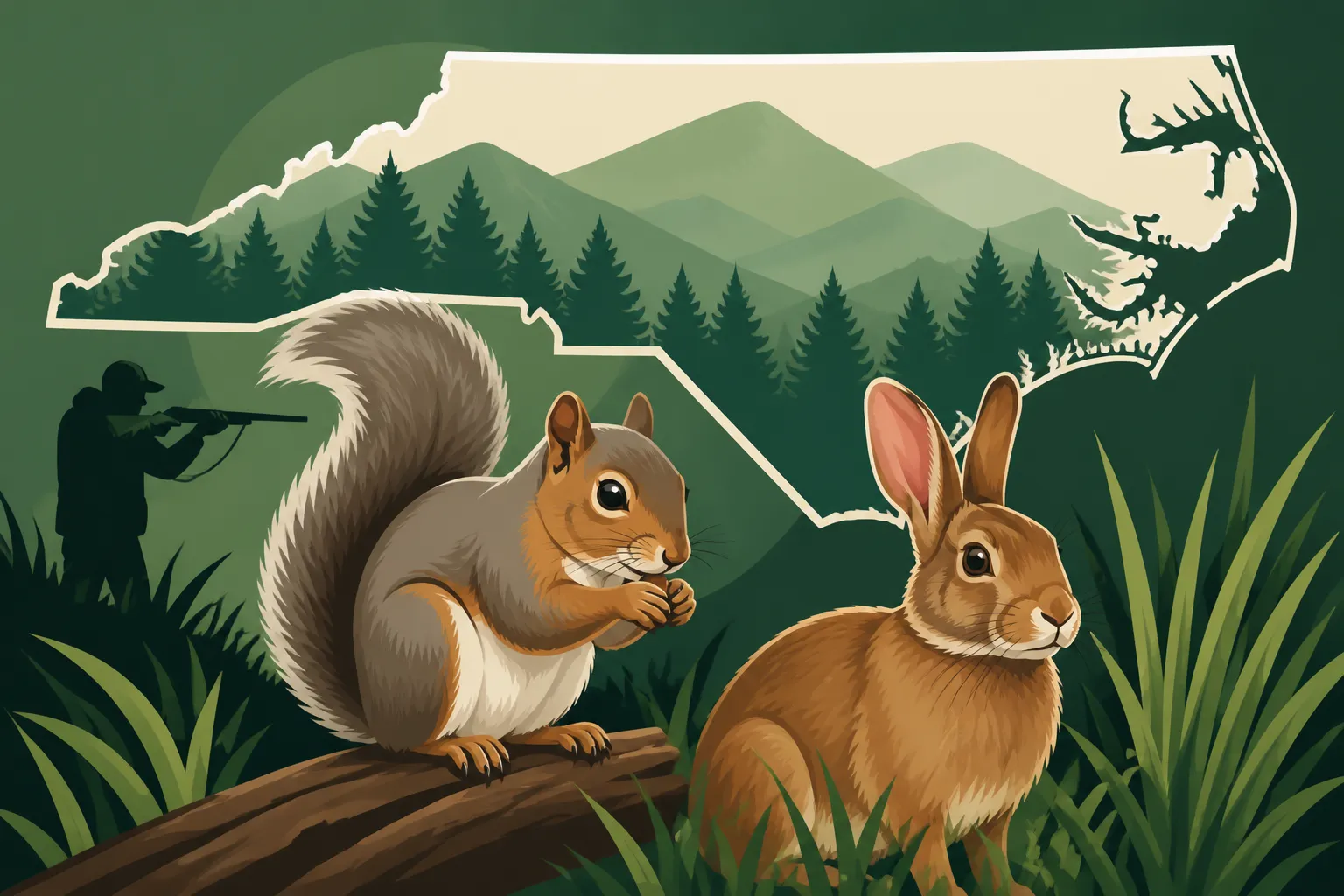
For many of us, the thrill of deer or turkey hunting is what brings us to the woods, but there's a special, often overlooked, joy in pursuing North Carolina's small game. If you grew up like I did, rabbit and squirrel hunting were likely your first introductions to the rhythm of the forest, the art of the stalk, and the satisfaction of a successful hunt. But if you've been out there recently and felt like the populations aren't what they used to be, or you're just starting and want to know where to even begin looking, you're not alone. This guide aims to pull back the curtain on North Carolina's squirrel and rabbit populations, offering a realistic look at their numbers, the habitats they call home, and how you can find success in the field.
Understanding North Carolina's Squirrel Populations
North Carolina is a haven for tree squirrels, offering a diverse landscape that caters to both the common and the more elusive species. Many hunters cut their teeth chasing these agile bushy-tails, learning the nuances of woodcraft and the importance of keen observation. It’s an accessible way to enjoy the outdoors, but knowing which squirrels you're after and where they like to hang out is key to a productive day.
Gray Squirrels: The Abundant Bushy-Tails
The gray squirrel (often just called a "bushy-tail" around here) is by far the most widespread and abundant squirrel species in North Carolina. From the highest peaks of the Blue Ridge to the coastal plain's swamps, if there are mature hardwoods, you're likely to find gray squirrels. They thrive in deciduous and mixed forests, particularly those with a strong mast crop like oaks, hickories, and beeches. These squirrels are masters of their environment, constantly foraging for nuts, acorns, seeds, and even fungi.
Their high numbers often mean they are a reliable target for hunters, especially after a good mast year. When you see the ground littered with cut-open acorn shells or hickory nuts, you know you're in a gray squirrel hotspot. They're active primarily during the early morning and late afternoon, though you can find them moving throughout the day, especially in cooler weather. Their tendency to bark and chatter also makes them easier to locate, giving away their positions as they chase each other up and down tree trunks or warn others of your presence. Hunting these squirrels often involves still-hunting through prime hardwood bottoms or sitting patiently near a known food source. If you're looking for prime areas, consider targeting locations with abundant oak ridges, which are also often good for deer. You can learn more about Squirrel Hunting a North Carolina Oak Ridge in our detailed guide.
Fox Squirrels: The Larger, Less Common Cousins
While gray squirrels are ubiquitous, the fox squirrel is a bit more of a specialty quarry. These are the giants of the squirrel world in North Carolina, often twice the size of a gray squirrel with a much more robust build and a distinctive mix of rusty-orange, black, and gray fur. They tend to be less abundant and more localized than their smaller cousins, preferring open pine forests, mixed pine-hardwood stands, and particularly longleaf pine savannas, especially in the Sandhills region and parts of the coastal plain. They're also less frenetic than gray squirrels, often moving more deliberately and spending more time on the ground.
Hunting fox squirrels requires a different approach. You're less likely to stumble into a flurry of them; instead, it often means systematically working through their preferred habitat. Look for mature pine stands with an open understory, where you might spot their large, often colorful forms moving slowly or perched conspicuously on a limb. They feed heavily on pine cones, particularly longleaf pine seeds, but also on acorns and other nuts when available. Finding these specific habitats can sometimes be tricky, but tools like GoHunt can be incredibly useful. I've often used its satellite imagery and public land layers to scout out potential longleaf stands or mixed pine-hardwood areas where I know fox squirrels might thrive, saving me hours of aimless wandering.
Population Trends and Harvest Data
Overall, North Carolina's squirrel populations remain robust, especially for gray squirrels. They are prolific breeders, and their numbers tend to fluctuate more with mast crop availability than with hunting pressure. A poor acorn year, for instance, can lead to lower squirrel numbers the following year as fewer young survive and fewer adults are in prime condition to reproduce. Conversely, a bumper crop can lead to an explosion in squirrel populations.
Harvest numbers for gray squirrels typically reflect their abundance, with hunters consistently taking a significant number each year. Fox squirrel harvest is much lower, reflecting their more scattered distribution and lower densities. The North Carolina Wildlife Resources Commission (NCWRC) monitors these populations through various surveys and hunter harvest reports, ensuring sustainable hunting opportunities. While specific numbers vary annually, the general trend shows stable, healthy populations, allowing for generous seasons and bag limits. Understanding these North Carolina Squirrel Harvest Numbers can give you a clearer picture of the general health of the population in different regions.
Diving into North Carolina's Rabbit Populations
Just like squirrel hunting, rabbit hunting holds a special place in the hearts of many North Carolina hunters. The fast-paced action, the thrill of a good dog trailing, and the delicious reward make it a perennial favorite. However, rabbit populations, particularly the Eastern cottontail, face different challenges and often prefer different habitats than squirrels.
Eastern Cottontails: The North Carolina Classic
The Eastern cottontail is the quintessential rabbit of North Carolina. They are found throughout the state, preferring brushy cover, field edges, thickets, fencerows, and areas where forests meet open fields. These "edge habitats" provide them with both food and crucial escape cover from predators. Think about abandoned farm fields slowly being reclaimed by briars and young trees, overgrown hedgerows, or the dense undergrowth along a creek bottom – these are prime cottontail territories.
Cottontails are incredibly prolific breeders, capable of producing multiple litters a year. This high reproductive rate helps them bounce back quickly from environmental stressors or predation. Their activity peaks at dawn and dusk, when they'll venture out from cover to feed on grasses, clover, and other herbaceous vegetation. When you're out there, look for signs like rabbit droppings, clipped vegetation, or well-worn trails leading into thick briar patches. The excitement of flushing a cottontail from a brush pile or watching a beagle work a track is a truly classic North Carolina hunting experience. To really get into it, you might want to look at our guide on Rabbit Hunting North Carolina Fencerows.
Marsh Rabbits: The Coastal Plain's Water-Loving Hopper
A less common, but equally intriguing, rabbit species in North Carolina is the marsh rabbit. As their name suggests, these rabbits are primarily found in the coastal plain, inhabiting wetland environments like swamps, marshes, and the edges of tidal creeks. They are excellent swimmers and often use water as an escape route from predators. Marsh rabbits are generally darker in color and have smaller ears and feet compared to cottontails, adaptations for their aquatic lifestyle.
Hunting marsh rabbits often means wading through wet conditions and focusing on specific habitat types such as dense cattail stands, cypress swamps, or the thick vegetation along pocosin edges. Their diet consists mainly of aquatic plants and sedges. While not as numerous or widespread as cottontails, they offer a unique hunting challenge for those willing to venture into North Carolina's wetter landscapes. They tend to be less prone to population fluctuations due to their specialized habitat, which also often provides consistent cover.
North Carolina Rabbit Population Trends
Historically, rabbit populations in North Carolina, particularly cottontails, have seen some decline in certain areas due to habitat loss and fragmentation. As agricultural practices have modernized and rural landscapes become more developed, the small, brushy fields and fencerows that rabbits depend on have diminished. However, where suitable habitat remains, cottontail numbers can still be quite healthy. They are very sensitive to habitat quality, and even small changes can impact local populations.
Like squirrels, the NCWRC monitors rabbit populations, and harvest numbers remain strong statewide, though perhaps not as universally high as in decades past. Efforts to promote early successional habitat and maintain diverse landscapes can significantly benefit rabbit numbers. Hunters can also contribute by actively seeking out and utilizing private lands with suitable cover, or by targeting specific game lands known for their rabbit habitat management. This type of detailed scouting can sometimes be the difference-maker, and using an app like GoHunt can help you identify these specific habitat types on maps, making your pre-hunt planning much more efficient.
Habitat Requirements for Healthy Small Game Numbers
Understanding the specific habitat needs of squirrels and rabbits is paramount for any hunter hoping to find consistent success. It's not just about finding any patch of woods or field; it's about identifying the specific ecological niches that allow these animals to thrive. Without the right mix of food, cover, and water, populations simply won't reach their potential.
Squirrel Habitat: The Role of Mature Mast-Producing Trees
For gray squirrels, mature hardwood forests are non-negotiable. They need a consistent supply of mast – acorns, hickory nuts, beechnuts – to fuel their high metabolism and provide the energy necessary for reproduction. This means areas with older, diverse stands of oak, hickory, and beech are prime real estate. These trees not only provide food but also crucial denning sites in tree cavities or the leafy nests (dreys) they construct.
Beyond food and dens, squirrels also need canopy connectivity. They are arboreal, meaning they spend most of their lives in trees, using the interconnected branches to travel safely from predators on the ground. A forest with a dense, unbroken canopy allows them to move freely and quickly. Even in bottomland hardwoods, where you might expect more cover on the ground, the overhead canopy is vital. Therefore, when you're looking for Squirrel Hunting North Carolina Bottomland Hardwoods, focus on areas with mature timber rather than young, sapling-filled stands. Logging operations that remove large swathes of mast-producing trees can temporarily devastate local squirrel populations until the forest regrows.
Rabbit Habitat: The Importance of Dense Early Successional Cover
Rabbits, particularly cottontails, are creatures of the edge. They thrive in early successional habitats – areas where fields are transitioning into forest, or where forests are young and brushy. These habitats provide dense, thorny cover (think briar patches, honeysuckle thickets, and young saplings) that offers protection from aerial and ground predators. This thick cover is also where they build their nests, often shallow depressions lined with fur and grass.
Food for rabbits includes a variety of grasses, clover, forbs, and shoots from young woody plants. They don't typically forage far from the safety of their dense cover, which is why those tangled fencerows and brushy field borders are so critical. Areas like old farmsteads, power line clearings, timber clear-cuts in the early stages of regrowth, or even large suburban plots left to grow wild, can be rabbit havens. The key is that combination of abundant, low-growing vegetation for food, immediately adjacent to impenetrable cover. Without that escape cover, rabbits are highly vulnerable.
Factors Influencing Squirrel and Rabbit Numbers
The populations of small game, like any wildlife, are in a constant dance with environmental factors. It's never just one thing that determines if you'll have a banner year or a quiet one in the woods. Understanding these dynamics helps hunters appreciate the challenges wildlife face and adapt their strategies accordingly.
Weather Patterns and Mast Crop Fluctuations
For squirrels, especially gray squirrels, weather during key periods can have a massive impact. A late spring frost that kills off emerging oak blossoms can severely reduce the acorn crop for that year. Since acorns and other hard mast are vital food sources, a poor mast year often leads to lower squirrel reproductive success and higher winter mortality. This effect can often be seen the following year, with fewer squirrels overall. Conversely, a mild winter followed by a bountiful mast crop can lead to an explosion in squirrel numbers. Hunters often find themselves scouting for a good mast crop long before the season even opens, knowing it's the best indicator of where the squirrels will be. You can gather valuable insights by understanding Reading Cuttings Under an Oak to determine the health of the local mast crop.
Rabbit populations are also affected by weather, though perhaps differently. Severe, prolonged cold or excessive rainfall during nesting season can lead to high mortality rates for young rabbits. Deep snow can also limit their access to food, making them more vulnerable to predation. However, because rabbits are such prolific breeders, they can often recover from these setbacks faster than species with lower reproductive rates. Mild winters and a consistent supply of lush vegetation can support strong rabbit numbers.
Predation and Disease Pressures
Both squirrels and rabbits are prey species, meaning they are a food source for a wide array of predators. Hawks, owls, foxes, bobcats, coyotes, and even domestic cats and dogs all exert pressure on small game populations. Healthy predator populations are a natural part of a balanced ecosystem, but localized spikes in predator numbers can certainly impact rabbit and squirrel densities in specific areas. It's a constant battle for survival in the wild.
Disease can also play a role, though typically less dramatically than habitat or weather. Squirrels can suffer from various parasites and diseases, but widespread outbreaks that decimate populations are rare. Rabbits, however, can be susceptible to diseases like tularemia, which can cause localized die-offs, though it's not a common occurrence. Overall, stable populations generally indicate a balance with these natural pressures. Hunters should always be aware of the signs of a sick animal and avoid harvesting anything that appears unhealthy.
Conservation and Management Efforts for Small Game
While often overshadowed by big game species, North Carolina's small game populations do receive attention from wildlife managers. Ensuring healthy, huntable numbers of squirrels and rabbits is important for maintaining biodiversity and providing diverse hunting opportunities across the state.
Habitat Management and Preservation
The most critical aspect of small game management is habitat. The NCWRC, along with other conservation organizations, works to preserve and enhance the types of habitats that squirrels and rabbits need. For squirrels, this means managing forests to ensure a healthy age diversity of mast-producing trees and preventing clear-cutting in critical hardwood areas. On certain game lands, timber thinning might occur, but it's often done with an eye toward promoting the growth of larger, more productive mast trees in the long run.
For rabbits, habitat management focuses on creating and maintaining early successional cover. This can involve prescribed burns to set back forest growth, selective cutting to create brushy areas, planting native grasses and forbs, and maintaining existing fencerows and field borders. These efforts often benefit other wildlife species that depend on similar habitats, such as quail and various songbirds. When considering Habitat Work on North Carolina Game Lands, look for areas where active management is occurring, as these spots often concentrate small game.
Hunting Regulations and Seasons
Hunting regulations for squirrels and rabbits in North Carolina are generally quite liberal, reflecting their robust populations and high reproductive rates. Seasons are long, and bag limits are generous, providing ample opportunity for hunters. These regulations are set by the NCWRC based on biological data, population trends, and harvest information, all designed to ensure sustainable hunting year after year.
Here's a quick overview of what you might expect, but always double-check the current regulations with the NCWRC before heading out:
| Species | General Season Length | Typical Daily Bag Limit | Primary Habitat | Management Focus |
|---|---|---|---|---|
| Gray Squirrel | ~3 months | 8 | Mature Hardwoods | Mast crop, den trees |
| Fox Squirrel | ~3 months | 1 | Open Pine/Mixed Woods | Specific habitat niches |
| Cottontail | ~3 months | 5 | Brushy Edges, Thickets | Early successional habitat |
| Marsh Rabbit | ~3 months | 5 | Swamps, Marshes | Wetland preservation |
Note: Season dates and bag limits are subject to change annually. Always consult the most current North Carolina Wildlife Resources Commission regulations.
You can find the most up-to-date details on North Carolina Squirrel and Rabbit Season Rules through the NCWRC's website or their annual digest. The long seasons also allow for different hunting methods, from early season still-hunting when leaves are still on the trees, to late season hunts when the woods are open and dogs can easily pick up a track.
Tips for Finding Productive Hunting Spots
You've learned about the biology and the trends, but now it's time to put boots on the ground. Finding those honey holes for squirrels and rabbits isn't always easy, especially on public land where pressure can be a factor. But with a strategic approach, you can increase your chances of a successful hunt.
Scouting Smart: Aerial Maps and On-the-Ground Reconnaissance
Modern scouting tools have revolutionized how we find hunting spots. Using aerial maps, especially those with land ownership overlays like GoHunt, is an absolute game-changer. For squirrels, I’m looking for large blocks of mature hardwoods, focusing on ridge tops and creek bottoms that might have an abundance of oak, hickory, and beech trees. I’ll also look for natural funnels or pinch points that might concentrate squirrel movement. For rabbits, I'm identifying those brushy edges, clear-cuts, old fields, and dense fencerows that provide the crucial cover they need. Often, these spots are right next to an open field or timber stand that provides food.
Once I have some promising spots marked on my map, it's time for on-the-ground reconnaissance, preferably before the season opens. This means walking those woods and field edges, looking for actual sign: cut nuts for squirrels, droppings and clipped vegetation for rabbits. I'm also observing the canopy for squirrel nests and tree cavities, or dense briar patches for rabbit hideouts. This combination of digital and physical scouting is invaluable. You can learn a lot about pre-season scouting by reading Scouting North Carolina Public Land Before Season.
Focusing on Overlooked Areas and Low-Pressure Spots
It's a common frustration to arrive at a public land access point only to find several other vehicles already there. While popular spots can sometimes be productive, thinking outside the box can yield better results, especially for small game. Look for areas that require a bit more effort to reach: walking further from parking areas, navigating tougher terrain, or crossing a small creek. Other hunters might pass these spots up, leaving them less pressured.
Small game can also thrive on small, overlooked private tracts of land, if you can gain permission. These smaller woodlots or overgrown fields near homes often don't see the pressure that larger tracts do. Asking a landowner for permission to hunt squirrels or rabbits can sometimes be an easier "yes" than for deer, as they are often viewed more as nuisance animals that eat garden vegetables or destroy bird feeders. Don't be afraid to knock on doors in rural areas. Sometimes, Hunting Small Private Tracts in North Carolina can lead to some of the most enjoyable and productive days afield.
The Right Time and Tactics for Each Species
Timing is everything, and a good hunter knows how to adapt their tactics based on the species and the time of year. For gray squirrels, early morning sits in a stand of mast trees, especially after a frosty night, can be highly effective. Still-hunting through the woods, moving slowly and stopping frequently to listen for cutting sounds or chatter, is another classic method. For fox squirrels, a slower, more deliberate still-hunt through pine savannas, often scanning ahead for their larger forms, is typically more effective than sitting.
For rabbits, the tactics often involve a good dog. Beagles are legendary for their ability to trail and flush rabbits, running them in circles back to the hunter. If you don't have a dog, "kicking brush" – systematically walking through dense cover and kicking briar patches – can flush rabbits. This is particularly effective on cooler, overcast days when rabbits might be less active and holding tight. Remember, these animals thrive on routine and habitat, so once you find a productive spot, it often remains good year after year, especially if the habitat is stable.
Disclaimer
This article is for general informational purposes only and does not constitute professional advice. Laws, prices and regulations vary by location and change over time. Consult a qualified professional for guidance on your specific situation.