Blaze Pink Options Under North Carolina Law
It can be surprisingly tricky to keep up with all the ins and outs of hunting regulations, especially when new options emerge. For years, "blaze orange" was the undisputed king of hunter visibility in North Carolina, and honestly, a lot of us just got used to it. But with the introduction of blaze pink as a legal alternative, many hunters, myself included, have found themselves wondering exactly what the rules are, if it's truly as safe, and how it all fits into our hunting wardrobe. This guide is here to untangle the specifics of North Carolina's blaze pink options, explaining what the law says, what it means for your hunts, and how to stay safe and compliant in the field.
Understanding North Carolina's Traditional Hunter Orange Mandate
Before we dive into the specifics of blaze pink, it’s important to fully grasp the long-standing requirements for blaze orange in North Carolina. This isn't just about looking colorful in the woods; it's a critical safety measure designed to prevent tragic accidents from mistaken identity. These rules are in place for a good reason, especially when you're sharing public land with other hunters.
When Blaze Orange is Required in North Carolina
North Carolina law is pretty clear about when you need to wear hunter orange, or its approved alternatives. The primary trigger for this requirement is during any open season for hunting deer with firearms. This includes the statewide blackpowder season, the various gun seasons by zone, and even special early seasons like the one in CWD-affected areas. It’s not just for deer hunters, either; if you’re hunting any game species during an open gun deer season, you generally need to be wearing hunter orange.
Think about it this way: if there’s a chance someone else might be out there with a rifle or shotgun pursuing deer, you need to be visible. This covers a huge portion of the hunting calendar, from the crisp days of early fall when the leaves are still holding on, through the colder winter months. For instance, if you're out chasing squirrels during the peak of North Carolina's Gun Deer Season by Zone, you're going to need to have your orange on, even if you’re only carrying a .22. This overlap can sometimes catch hunters off guard, so it's always wise to double-check the regulations for your specific hunting dates and location.
The requirement applies to both public and private lands, though there are specific exceptions, such as during archery-only seasons or while hunting migratory birds from a blind. It’s also crucial to remember that certain types of hunting, like still-hunting Nantahala Forest ridges where visibility can be limited, make wearing sufficient orange even more imperative for your own safety and that of others. The goal is to make sure you stick out like a sore thumb to other human eyes, while ideally blending in with colors that deer and other game might perceive differently.
What Qualifies as Legal Hunter Orange
When the law talks about "hunter orange" or "blaze orange," it's not just any old orange piece of clothing. North Carolina statutes specify that you must wear an outer garment which is "visibly worn on the head, chest and back" and totals at least 500 square inches of solid blaze orange or a camouflage pattern containing at least 500 square inches of blaze orange. This typically means a hat and a vest or jacket.
The "solid" part is important. A lot of modern hunting gear features camouflage patterns that incorporate orange, often called "camo orange." While this type of garment can be legal, it must meet the 500 square inch minimum of actual blaze orange material. Simply having a few orange highlights on your camo jacket isn't going to cut it. You want to ensure that a significant, easily visible portion of your upper body and head is covered. Many hunters opt for a solid orange vest over their regular camouflage jacket and a solid orange hat to ensure compliance and maximum visibility. When considering your gear, particularly if you're heading out onto public land in North Carolina, always err on the side of more visibility rather than less. You can never be too safe when it comes to being seen by other hunters.
Another point of confusion can be the type of material. While a bright orange t-shirt might seem visible, the law is really focusing on robust outer garments. A durable vest or jacket specifically designed for hunting, combined with a cap, ensures that your blaze orange is prominent and won’t be obscured by brush or other clothing layers. It's not just about meeting the letter of the law, but truly fulfilling its spirit of promoting safety for everyone in the woods.
Embracing the New: North Carolina's Blaze Pink Option
For years, blaze orange was the only color recognized by law for hunter visibility. But times change, and so do perspectives. North Carolina, like several other states, has now opened the door to an alternative: blaze pink. This addition offers hunters, especially women, more choices in their gear, while still aiming to maintain the high standard of safety.
The Legislative Shift and What it Means
North Carolina's journey to allowing blaze pink began with legislative discussions aimed at providing more options for hunters and potentially encouraging participation from new demographics. The thought was simple: if an alternative color could offer similar or even superior visibility and safety, why not allow it? After all, personal preference plays a huge role in gear selection, and offering choices can only be a good thing.
The official change in North Carolina law now states that hunters can legally wear either solid hunter orange or solid hunter pink during seasons when hunter orange is required. This is a direct substitution, meaning if a season or area requires hunter orange, blaze pink fulfills that requirement just as equally. It's not an additional layer or a special permit; it's simply another valid color choice. This change went into effect to provide flexibility while still upholding the primary goal of hunter safety through high visibility. It means that whether you prefer the traditional orange or the newer pink, you're covered as long as you meet the other requirements.
This shift reflects a growing understanding that hunting is for everyone, and that offering diverse gear options can make the sport more welcoming. It's not about forcing anyone to switch colors, but about expanding the legal choices available to all hunters in the Tar Heel State. For anyone who has ever felt limited by color options in hunting gear, this legislative update is a welcome sight.
Specifics of Blaze Pink Requirements
So, if you decide to go with blaze pink, what are the exact requirements to ensure you're legal and safe? The great news is that the legal specifics for blaze pink largely mirror those for blaze orange. This consistency makes it easy to understand and adopt the new option without a whole new set of rules to memorize.
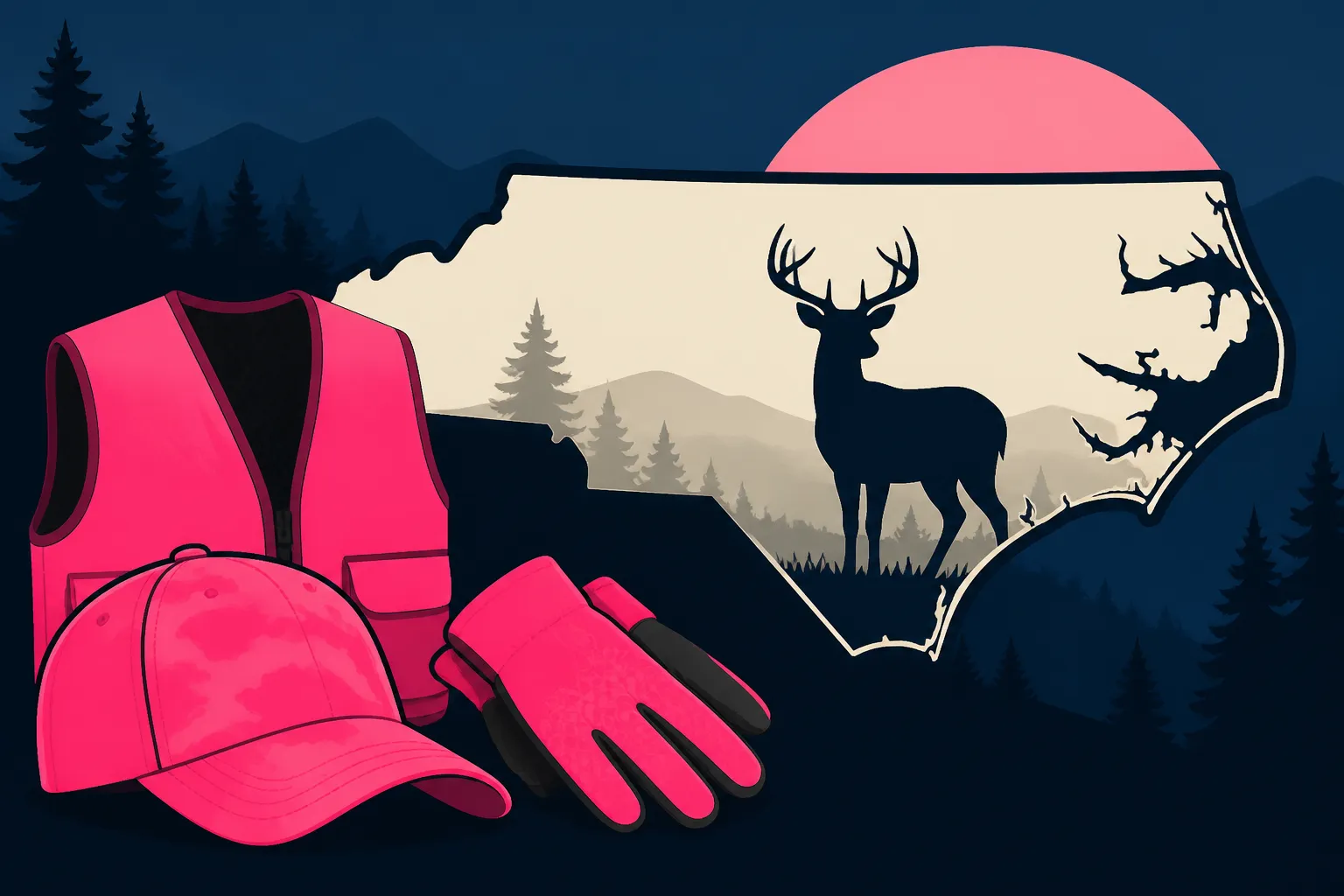
Just like with blaze orange, when choosing to wear blaze pink during mandatory visibility seasons, your outer garment must be visibly worn on the head, chest, and back. Furthermore, this outer garment, or a camouflage pattern incorporating it, must provide at least 500 square inches of solid blaze pink. This means a solid blaze pink hat and a solid blaze pink vest or jacket are the most straightforward ways to comply. It's the same square inch requirement, the same areas of the body to cover, just a different color.
It's crucial to understand that "blaze pink" refers to a very specific, bright, fluorescent shade of pink, much like blaze orange is a specific fluorescent orange. This isn't just any light pink shirt you pull out of your closet. It needs to be the designated high-visibility hue that wildlife agencies have determined provides sufficient safety. If you're buying gear, make sure it's clearly labeled as "blaze pink" or "hunter pink" to ensure it meets the legal standard. You want to be sure you’re not just wearing a pink sweatshirt but gear that actually serves the safety purpose intended by the law.
Who is Choosing Blaze Pink Today?
When blaze pink was first introduced, there was a lot of discussion about who would actually wear it. The reality is, hunters choose blaze pink for a variety of reasons, and it's certainly not limited to one demographic. While it was initially championed by some as a way to encourage more women to hunt, its appeal has broadened significantly.
Many hunters, both men and women, simply prefer the aesthetic of blaze pink. In a world where hunting gear has traditionally been dominated by greens, browns, and oranges, pink offers a fresh alternative. For some, it's a way to express individuality in the field, moving beyond traditional gendered color norms. Beyond personal style, some studies have even suggested that blaze pink might be just as, or even more, visible to the human eye in certain light conditions than blaze orange, potentially making it an equally effective, if not superior, safety color. This can be especially appealing for hunters navigating popular public lands where visibility is paramount due to higher Hunting Pressure on North Carolina Public Land.
Regardless of the reason, the option of blaze pink means more choice for North Carolina hunters. Whether you stick with classic blaze orange or opt for the vibrant pink, the most important thing is that you're comfortable, compliant, and most importantly, safe. It's a testament to the evolving nature of hunting culture that we now have more ways to visibly signal our presence in the woods.
Practical Considerations for Choosing Your Visibility Color
Choosing between blaze orange and blaze pink isn't just a matter of personal preference; it also involves understanding how these colors perform in different environments and how they interact with wildlife perception. Being informed can help you make the best decision for your safety and hunting strategy.
Visibility in Different Environments
The effectiveness of any high-visibility color can subtly change depending on the environment you're hunting in. North Carolina offers an incredible diversity of landscapes, from the dense, dark timber of the mountains to the open fields of the Piedmont and the thick, green pocosins of the Coastal Plain. Each presents its own challenges for visibility.
In the deep, shadowed coves of the Appalachian Mountains, where the canopy can be thick and the light muted, both blaze orange and blaze pink are designed to cut through the gloom. However, some hunters argue that the specific fluorescent pigments in blaze pink might stand out more against the browns and grays of winter hardwoods or the deep greens of rhododendron thickets. Conversely, in the more open, scrubby areas common when still-hunting the Sandhills Longleaf Public Ground, where sunlight is more direct, both colors will be incredibly vibrant. The key takeaway here is that both colors are scientifically engineered for high visibility to humans in a wide range of natural light conditions.
When it comes to how deer and other game animals perceive these colors, the science is clear: deer are dichromatic, meaning they see a narrower spectrum of colors than humans. They effectively see the world in shades of yellow and blue. To a deer, both blaze orange and blaze pink appear as shades of gray or brown, blending into the natural environment much better than they do for us. So, from a game perception standpoint, there's no inherent disadvantage to choosing blaze pink over blaze orange, or vice-versa. Your primary concern should always be visibility to other human hunters.
Common Misconceptions and Legal Traps
Despite the clear guidelines, there are still some persistent misconceptions and potential pitfalls when it comes to blaze orange and pink requirements. Clearing these up is essential for every hunter operating in North Carolina.
One common myth is that blaze orange (or pink) isn't necessary on private land. This is absolutely incorrect. North Carolina's hunter orange/pink requirements apply equally to private and public lands during any gun deer season. The only exceptions for private land might be if you have exclusive hunting rights and are absolutely certain no other hunters will be present, but even then, it's a safety-first practice to always wear it. Another misconception relates to specific hunting methods. Some believe that if they are only using a crossbow during a regular gun season, they are exempt from the blaze requirement. This is not true; if gun season is open, the visibility rule applies to all hunters in the area, regardless of their chosen weapon. Always remember to check the North Carolina Deer Season Structure Explained to understand the full context of when these rules are active.
A significant legal trap can be misinterpreting the "500 square inches" rule, especially with camouflage patterns that incorporate orange or pink. Simply having a little bit of the color isn't enough. It must be a substantial, visible amount. Always ensure you have a solid hat and a vest or jacket that clearly meets this minimum. Before heading out, I always recommend checking the specific regulations for your chosen Game Lands, and a tool like GoHunt can make this process a lot smoother by providing up-to-date regulations and boundary information. For instance, some managed hunts or specific game land rules, which you can learn more about in the North Carolina Game Lands License Requirements, might have even stricter stipulations. Understanding these nuances is crucial to avoid any potential North Carolina Wildlife Violation Penalties.
Equipping Yourself for North Carolina Hunts
Choosing your high-visibility gear is just one part of preparing for a successful and safe hunt in North Carolina. The right equipment can make all the difference, enhancing both your effectiveness and your adherence to regulations.
When selecting your blaze orange or pink apparel, prioritize comfort and durability. You'll be spending hours in the field, possibly walking through tough terrain or sitting in a stand. Look for vests and hats made from breathable, quiet materials that won't hinder your movement or spook game. Manufacturers like Browning and Irish Setter offer a wide range of compliant gear designed for hunters. Consider items that are easy to layer over your existing hunting clothes, especially as you move into colder periods like those covered in Muzzleloader Deer Hunting in North Carolina. A good quality, waterproof blaze orange or pink outer layer can be a lifesaver on a rainy North Carolina day.
Beyond the visibility apparel, consider how your other gear integrates. A high-quality binocular harness can ensure your optics are secure without obscuring your blaze color. A comfortable pack can carry your essentials while leaving your blaze vest clearly visible on your back. For those who use mapping tools, having your regulations accessible, perhaps even downloaded on an app like GoHunt, is critical. This ensures you can quickly reference rules, check land boundaries, and confirm you're in an area where your chosen color is compliant. Whether you're planning an ambitious backcountry deer hunt in Pisgah National Forest Hunting or a quick morning sit on a small game land, having your regulations handy—perhaps even downloaded on an app like GoHunt—is critical. Using a mapping tool like GoHunt to overlay property boundaries and game land regulations can prevent accidental trespassing or misinterpreting rules, making your hunt safer and more enjoyable.
| Feature | Blaze Orange | Blaze Pink |
|---|---|---|
| Legal Status | Fully Legal (traditional) | Fully Legal (modern alternative) |
| Required Coverage | Min. 500 sq. inches on head, chest, and back | Min. 500 sq. inches on head, chest, and back |
| Required On | All gun deer seasons (private & public land) | All gun deer seasons (private & public land) |
| Perception by Deer | Appears as shades of gray/brown | Appears as shades of gray/brown |
| Human Visibility | Excellent, highly recognizable as "hunter" | Excellent, potentially higher in some conditions |
| Purpose | Prevent mistaken identity accidents, promote safety | Prevent mistaken identity accidents, promote safety |
In summary, North Carolina provides hunters with excellent choices for high-visibility gear. Both blaze orange and blaze pink meet the legal requirements and serve the crucial purpose of keeping you safe in the field. Choose the color that you prefer, ensuring it meets the minimum coverage requirements, and always prioritize safety during your hunts.
Disclaimer
Please note that hunting regulations are subject to change. While this guide provides comprehensive information, it is always the hunter's responsibility to consult the most current North Carolina Inland Fishing, Hunting & Trapping Regulations Digest published by the North Carolina Wildlife Resources Commission (NCWRC) before heading into the field. This ensures full compliance with all state laws and regulations.