North Carolina Nonresident Turkey License Cost
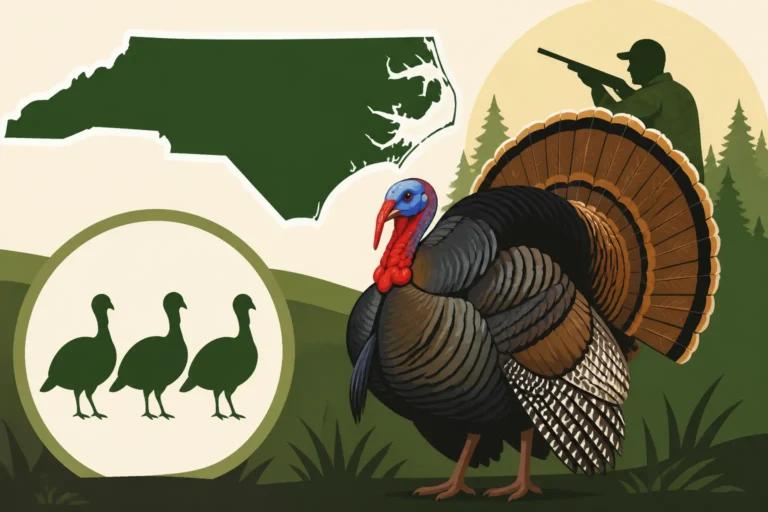
Oh, the joy of planning an out-of-state hunt! It’s a dream for so many of us, picturing those big North Carolina gobblers strutting through a crisp spring morning. But then you dive into the regulations and, let's be honest, it can feel like you need a degree in deciphering government documents just to figure out what licenses you need and what they’ll cost. It’s a common frustration, especially when you're a nonresident just trying to get a clear answer. This guide is here to untangle the web of North Carolina’s nonresident turkey license requirements, giving you a crystal-clear breakdown of the costs involved and how to make sure you’re legal and ready for spring gobbler season.
Understanding the North Carolina Nonresident Turkey License Cost
When you're looking to hunt turkeys in North Carolina as a nonresident, it's not just a single "turkey tag" you'll be buying. The state operates on a system that requires a foundational hunting license, and then additional "privileges" or stamps depending on the species you're pursuing. It’s a two-tiered approach that can sometimes catch folks off guard if they’re used to simpler systems elsewhere. Getting a handle on these basic components is the first step to budgeting for your Tar Heel State turkey adventure.
The Nonresident Annual Hunting License
First and foremost, every nonresident hunter needs a base hunting license to legally hunt any game in North Carolina. Think of this as your entry ticket into the state's hunting opportunities. This isn't specific to turkey, but it's absolutely mandatory before you can add any species-specific privileges. The Nonresident Annual Hunting License (often referred to as Type 004 in the NC Wildlife Resources Commission's system) covers a wide range of small game and serves as the foundation for everything else.
The cost for this can fluctuate slightly, but generally, it's a significant initial investment for nonresidents. It’s important to note that this annual license is valid for a full 12 months from the date of purchase, giving you flexibility if you decide to come back for other seasons, like deer or small game. While you might only be focused on turkeys for now, this base license could open doors to future trips. There might also be a shorter-duration option, like a 10-day license, but for a full spring turkey season, the annual option is usually the most practical and cost-effective if you plan to be there for more than just a few days.
Adding the Big Game Hunting Privilege
Once you have your base Nonresident Annual Hunting License, the next crucial step for turkey hunting is to add the "Nonresident Big Game Hunting Privilege." In North Carolina, wild turkey is classified as a big game animal, along with deer and bear. This means that to legally pursue gobblers, you need this specific privilege (often Type 008). This isn't just a formality; it's a separate, substantial fee that grants you the legal right to harvest big game animals within the state's regulations.
The cost of this privilege is often higher than the base hunting license itself, reflecting the management efforts and demand for big game species. Without it, even if you have your base license, you cannot legally hunt turkey. It's designed to ensure that those pursuing these larger, more sought-after species contribute adequately to their conservation and management. It’s a non-negotiable part of your nonresident turkey hunting package. You’ll need to make sure both your base license and this privilege are current and in your possession when you head afield.
What About Game Lands or Other Stamps?
Many hunters, especially those new to North Carolina, often wonder about additional stamps like the Game Lands License or a Bear Management Stamp. For a standard nonresident turkey hunt, these typically aren't required unless you're specifically hunting on designated Game Lands or pursuing other species.
A North Carolina Game Lands License is only necessary if you plan to hunt on public lands managed by the NC Wildlife Resources Commission. If you've secured private land access, you generally won't need this. However, many nonresidents rely on public land for their hunting opportunities, so if that's your plan, be sure to add this. It's a relatively modest fee compared to the base license and big game privilege, but crucial for legal access to those widespread public areas. You can learn more about North Carolina Game Lands if you plan to utilize them.
The Bear Management Stamp, as its name suggests, is strictly for bear hunting and is not required for turkey. There’s no specific "turkey stamp" beyond the Big Game Hunting Privilege. Always double-check the most current regulations on the NCWRC website before you head out, as rules can occasionally change.
Here’s a quick breakdown of typical costs you might encounter for a nonresident turkey license in North Carolina. Keep in mind these are approximate and can change, so always verify on the official NC Wildlife Resources Commission website.
| License/Privilege Type | Approximate Nonresident Cost | Purpose | Mandatory for Turkey? |
|---|---|---|---|
| Nonresident Annual Hunting License (Type 004) | $60 | Required for all nonresident hunting. Valid for 12 months. | Yes |
| Nonresident Big Game Hunting Privilege (Type 008) | $100 | Allows hunting of bear, deer, and turkey. | Yes |
| Annual Game Lands License (Type 011) | $15 | Required to hunt on NCWRC Game Lands (public land). | No (unless on Game Lands) |
| Total (Private Land Hunt) | ~$160 | Base + Big Game Privilege | |
| Total (Public Land Hunt) | ~$175 | Base + Big Game Privilege + Game Lands License |
Step-by-Step: How to Purchase Your North Carolina Nonresident Turkey License
Once you've wrapped your head around the costs, the actual process of buying your license package is fairly straightforward. North Carolina has made it pretty accessible, offering several ways to ensure you get what you need before you step foot in the woods. It’s definitely not something you want to leave until the last minute, especially if you’re traveling a long distance for your hunt.
Online Purchase Through the NC Wildlife Portal
For many nonresidents, the most convenient way to purchase their hunting license and privileges is through the NC Wildlife Resources Commission's online portal. This digital storefront is user-friendly and available 24/7, making it easy to sort out your licenses from anywhere in the world. You’ll navigate to their licensing section, select the nonresident options, and then add the Nonresident Annual Hunting License and the Nonresident Big Game Hunting Privilege to your cart. If you plan to hunt public land, don't forget the Annual Game Lands License as well.
The portal typically allows you to pay with a credit or debit card. Once your purchase is complete, you'll usually receive an email confirmation with a temporary license that you can print out or save on your phone. It's highly recommended to carry a physical copy, especially in areas where cell service might be spotty. Tools like GoHunt can often integrate with state wildlife agencies, helping you keep track of your licensing status and necessary permits, making the entire digital process smoother.
Buying Your License In-Person or By Phone
If you prefer a more traditional approach, or if you encounter any issues with the online system, North Carolina also allows you to purchase licenses in person or over the phone. You can find authorized license agents throughout the state, often at sporting goods stores, bait shops, or even some larger chain retailers like Walmart or Kmart that carry hunting supplies. This can be a great option if you're already in North Carolina and want to chat with a local who might have some additional insights into the area.
Purchasing by phone is another viable option, typically through the NCWRC's customer service line. This can be useful if you have specific questions about your eligibility or the various license types. Just be aware of operating hours, as these options aren't available around the clock like the online portal. Whichever method you choose, make sure you have all your necessary identification information ready, including a valid driver's license or state ID.
Understanding License Validity and Duration
It’s crucial to understand when your North Carolina licenses are valid. The Nonresident Annual Hunting License and the Big Game Hunting Privilege are typically valid for 365 days from the date of purchase. This isn't tied to the calendar year like some states. So, if you buy your license in mid-March for the spring turkey season, it will be good until mid-March the following year. This can be a real benefit if you find yourself wanting to make a return trip for Hunting the Rut in the Eastern Zones or North Carolina's Gun Deer Season by Zone later in the year, as your foundational licenses might still be valid.
Always double-check the exact validity dates printed on your license or confirmation. Don't assume anything, especially when crossing state lines for a hunt. It’s also wise to check the North Carolina Spring Turkey Season Rules for exact opening and closing dates, as these seasons run independently of your license’s purchase date. Having a good understanding of both your license validity and the season dates will help prevent any unfortunate surprises during your trip.
Navigating Additional Requirements for Nonresident Turkey Hunters
Beyond just the cost and purchase of your license, there are a few other critical requirements and considerations for nonresident turkey hunters in North Carolina. These aren't just bureaucratic hurdles; they're in place to ensure safe hunting practices, effective wildlife management, and a positive experience for everyone afield. Ignoring these can lead to fines, loss of hunting privileges, or worse.
Hunter Education Requirements for Nonresidents
North Carolina, like many states, has mandatory hunter education requirements. If you were born on or after July 1, 1957, you are generally required to complete a hunter education course before you can purchase a hunting license. There are exceptions for those who have held a hunting license in another state or for those hunting under the state's Mentored Youth Hunting Rules.
However, if you're a nonresident and this is your first time hunting in North Carolina, and you fall within that birthdate range, you’ll need to prove you’ve met the requirement. Typically, a hunter education card from your home state or another state is accepted, as long as it's recognized by the International Hunter Education Association (IHEA). Make sure to carry proof of completion with you, as wildlife officers can request to see it. It’s always better to be over-prepared than under-prepared. If you don't meet the exception criteria, explore options for Taking North Carolina Hunter Education Online before your trip.
Checking and Reporting Your Turkey Harvest
North Carolina mandates that all harvested wild turkeys must be reported to the NC Wildlife Resources Commission. This isn't just a suggestion; it’s a legal requirement and a critical component of the state’s wildlife management program. Reporting harvest data helps biologists track population trends, monitor success rates, and make informed decisions about future season structures and bag limits.
The reporting process is relatively easy these days, typically done online through the NCWRC website or via their mobile app. You'll need to report your turkey within a specific timeframe after harvest, usually by midnight on the day of harvest. You'll need information like the county of harvest, the date, and whether it was a male or female bird. Keep your license number handy for this process. It's a quick step, but an essential one to ensure you're compliant. For more details, refer to North Carolina Turkey Checking Requirements.
Important North Carolina Turkey Season Rules
Beyond the licensing and reporting, nonresidents need to be intimately familiar with North Carolina’s specific turkey season rules. These include:
- Season Dates: The North Carolina Statewide Turkey Opener usually kicks off in early April, but exact dates can vary slightly year to year. Always confirm the current year's dates.
- Bag Limits: North Carolina has specific daily and seasonal bag limits for turkeys. For example, it’s common for the statewide season to have a limit of two male or bearded turkeys per hunter per season, with only one allowed per day. These limits are strictly enforced. Don't assume your home state's limits apply.
- Legal Means of Take: Shotguns are the primary weapon for spring turkey hunting, with specific restrictions on shot size. Archery equipment is also permitted. Be aware of any rules regarding decoys, calls, and hunting hours.
- Youth Season: North Carolina has a special youth-only turkey season that precedes the statewide opener. If you're bringing a young hunter, this is a fantastic opportunity, but it has its own specific rules and bag limits, including age requirements and mandatory adult supervision. You can find more details in the North Carolina Youth Turkey Weekend Rules.
Understanding these rules is paramount. A great way to stay organized is to download and read the current North Carolina Inland Fishing, Hunting, & Trapping Regulations Digest. You can find this on the NCWRC website, and it's an invaluable resource. Some hunters also use digital platforms like GoHunt, which can help distill complex regulations and provide maps for public land planning. It's a smart move to review all of this well in advance of your hunt.
Planning Your North Carolina Nonresident Turkey Hunt
Embarking on a nonresident turkey hunt in North Carolina is an exciting prospect, but the success of your trip often hinges on thorough planning. Beyond just the license, thinking about scouting and understanding the terrain will significantly boost your chances of calling in a Tar Heel gobbler.
Scouting and Public Land Access Considerations
For many nonresidents, public lands offer the most accessible hunting opportunities. North Carolina boasts extensive tracts of public ground, including National Forests like Pisgah and Nantahala, as well as numerous Game Lands scattered across the state. Each of these areas can offer fantastic turkey hunting, but they come with their own unique challenges. North Carolina Public Hunting Land is a great resource to get started.
Scouting is absolutely critical, even if it's done remotely using aerial maps and topographical data before your trip. Platforms like GoHunt are excellent for this, allowing you to identify potential roosting areas, strut zones, and travel corridors from your couch. Look for areas with a mix of mature timber for roosting, open areas like fields or clear-cuts for strutting, and water sources. Once you arrive, spend at least a day or two listening for gobblers at dawn and dusk, and looking for fresh sign like tracks, scat, and dusting bowls. This groundwork can make all the difference when you're trying to Roost Hunting North Carolina Gobblers in unfamiliar territory.
Gear Considerations for North Carolina Spring Turkeys
North Carolina's spring weather can be notoriously fickle. You might start your morning in freezing temperatures only to be sweating by midday, or encounter pop-up thunderstorms that drench you to the bone. Proper gear is essential for comfort and success.
Your primary weapon will likely be a shotgun, and ensuring it's patterned correctly with your chosen turkey loads is vital. Consider your choke and shot size – many hunters opt for heavier-than-lead loads and tight chokes for maximum range and density. Clothing should be breathable, moisture-wicking, and quiet, with layering options to adapt to changing conditions. Camouflage patterns that blend with the early spring woods, like leaf litter or varied timber patterns, are ideal. Don’t forget comfortable boots suitable for walking potentially long distances over varied terrain, from muddy creek bottoms to rocky ridges. A good turkey vest with a comfortable seat pad, plenty of pockets for calls, and hydration is also a game-changer when you're trying Run-and-Gun Turkey Tactics on Public Land.
Disclaimer
Please remember that hunting regulations, license costs, and season dates are subject to change. Always consult the official North Carolina Wildlife Resources Commission (NCWRC) website or the current year's Inland Fishing, Hunting, & Trapping Regulations Digest for the most accurate and up-to-date information before planning and embarking on any hunting trip. This guide is for informational purposes only and does not constitute legal advice.