North Carolina Bear Season Dates on the Coast
Hunting North Carolina's powerful black bears, especially in our unique coastal regions, can be one of the most exciting and challenging experiences a hunter can have. But let's be honest, trying to nail down the exact bear season dates for the coast can feel like deciphering a secret code. You're trying to plan your vacation days, coordinate with hunting buddies, and make sure you're legal, only to find the information spread across various pages and maps. This comprehensive guide is here to clear up that confusion, providing you with a detailed breakdown of North Carolina's coastal bear season dates, regulations, and essential tips so you can head into the swamp with confidence.
Understanding North Carolina's Bear Management Zones
North Carolina is home to a thriving black bear population, one that has rebounded incredibly over the past few decades. This success is largely due to careful management by the North Carolina Wildlife Resources Commission (NCWRC), which relies heavily on dividing the state into specific bear management zones. These zones are crucial because they dictate when and how you can hunt, ensuring that harvests are sustainable and localized bear populations remain healthy.
Why Zones Matter for Bear Hunting
Think of North Carolina's bear management zones as distinct ecological neighborhoods, each with its own rhythm and population dynamics. The bears in the rugged mountains behave differently and face different pressures than those in the flat, often swampy, coastal plains. To accommodate these differences, the NCWRC has established separate seasons and rules for the Mountain Bear Zone and the Coastal Bear Zones. It's not a "one size fits all" situation, and understanding which zone you're in is the absolute first step before you even think about loading up your truck. The dates can shift significantly from one zone to another, and what's legal in Ashe County might land you in hot water down in Craven County. Knowing the boundaries and specific regulations for your intended hunting area is paramount to a successful and legal hunt. For a broader overview of how the state manages these populations, you can check out the guide on North Carolina's Twenty-Two Bear Management Zones.
Navigating the Coastal Bear Zones
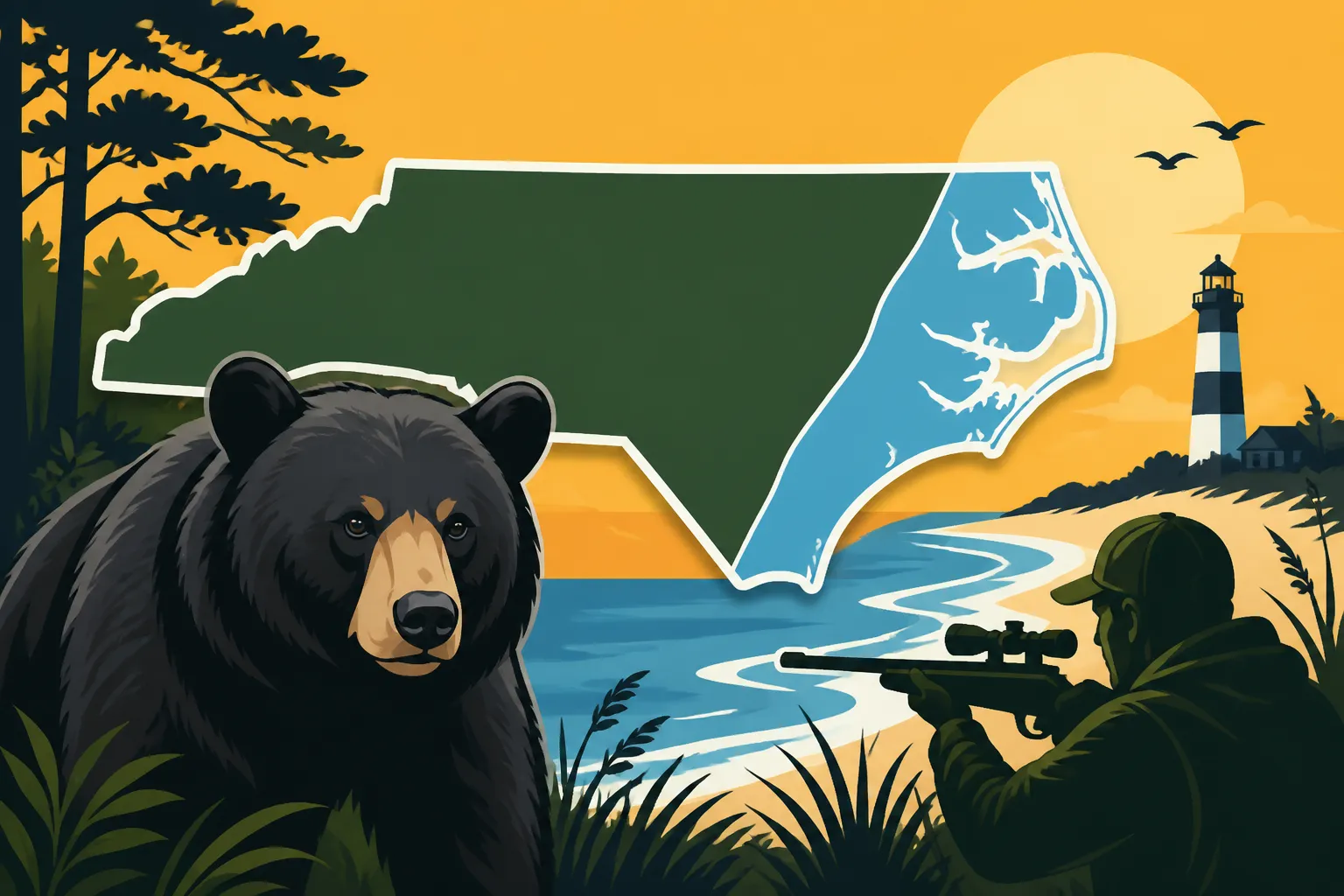
When we talk about "the coast" for bear hunting, it's not just one big, homogenous area. The NCWRC further subdivides the eastern part of the state into various Coastal Bear Zones. These zones are generally defined by county lines, and sometimes even by specific rivers or highways within counties. For instance, you might find that part of a county falls into one zone with certain dates, while another part has different dates entirely.
To figure out exactly where you stand, you'll need to consult the official NCWRC regulations digest or use their interactive mapping tools. A tool like GoHunt can be incredibly useful here, allowing you to layer different property types and zone boundaries right on your phone or computer. It helps tremendously in visualizing where these zones begin and end, especially when you're scouting new public land or trying to understand a private tract's specific location. The Coastal Bear Zones tend to cover a vast stretch of our eastern counties, from the Virginia line down to the South Carolina border, encompassing a mix of agricultural fields, extensive timberlands, and vast pocosins and swamps where these incredible animals thrive. Understanding Where Coastal Pocosin Bears Range is key to targeting your efforts effectively.
Detailed Coastal Bear Season Dates
Alright, let's get down to brass tacks: the actual season dates. While these can vary slightly year to year based on NCWRC adjustments, there's a general pattern that coastal bear hunters have come to expect. Always, always, always double-check the current year's official regulations digest before heading afield, as dates are subject to change.
Traditional Archery and Muzzleloader Seasons
For those who prefer the quiet challenge of archery or the historical appeal of a muzzleloader, North Carolina's coastal bear zones often offer earlier opportunities than the general gun season. These seasons are typically shorter and designed to provide a specific type of hunting experience.
-
Archery Season: In many coastal bear zones, archery season for bear will often align with the statewide archery deer season, typically starting in early to mid-September. However, it’s critical to remember that not all deer archery season dates are also bear archery season dates. Some coastal zones might have specific bear archery openers in October. This early period usually offers warmer weather, which means active bears but also more biting insects and thicker vegetation. You'll need to be diligent with scent control and prepared for the conditions. For general archery rules, refer to Bowhunting North Carolina's Statewide Archery Season.
-
Muzzleloader Season: Similarly, muzzleloader opportunities for bear can coincide with specific muzzleloader deer seasons, often found in late October or early November. These brief windows provide another chance to hunt before the influx of general gun hunters. The cooler temperatures during this time can be a welcome change from early archery hunts, and the leaves might be starting to fall, improving visibility slightly in the thick coastal cover. Again, verify the exact start and end dates for your specific coastal bear zone, as they won't always perfectly mirror deer seasons. For specific muzzleloader advice, check out Muzzleloader Deer Hunting in North Carolina.
It's paramount to study the current year's NCWRC regulation digest carefully. There might be specific zones with unique early or late splits, or zones where a particular weapon type isn't permitted for bear hunting. Planning ahead with these dates in mind ensures you're ready when the season opens.
Gun Season Dates in the Coastal Zones
The general gun season is when most bear hunters in North Carolina's coastal regions take to the woods. These seasons are often more complex than the early archery and muzzleloader periods, frequently featuring staggered opening and closing dates, or multiple segments within a single zone.
-
Early November Openers: Many of the Coastal Bear Zones will see their gun season open around the first or second Saturday in November. This timing is strategic, often coinciding with peak agricultural activity (like corn harvest) which draws bears out, and before the coldest weather truly sets in. This initial segment can be quite popular, especially in areas with good public land access or extensive private timber holdings.
-
Late Season Segments: Some coastal zones also offer a later segment, often in December. These late-season hunts can be challenging, as bears may be less active if food sources are depleted or if the weather turns severely cold. However, they also present an opportunity when hunting pressure might have waned, and the bears are focusing intensely on remaining food sources before denning.
-
Zone-Specific Variations: It’s vital to understand that the term "Coastal Zones" collectively refers to several distinct management units, and each might have its own schedule. For example, some zones might open earlier and close earlier, while others might have a later start or a longer duration. These variations are designed to manage local bear populations effectively. Always consult the NCWRC website or the current hunting digest for the precise dates applicable to your specific hunting location within the Coastal Plain. Compare these dates to other big game opportunities like North Carolina's Gun Deer Season by Zone to help coordinate your hunting calendar.
Special Considerations: Dog Hunting and Baiting
Coastal North Carolina's bear hunting culture has deep roots, and two practices are particularly prominent and regulated: dog hunting and baiting. Understanding these rules is absolutely essential for anyone pursuing bears in the eastern part of the state.
-
Dog Hunting: Running hounds for bears is a long-standing tradition in many of North Carolina's Coastal Bear Zones. Unlike in the Mountain Zones where it's generally restricted, dog hunting for bear is often permitted in the coastal regions. This method involves releasing trained bear hounds to track, chase, and tree or bay a bear, allowing the hunter to approach for a shot. The regulations regarding dog hunting are very specific, covering aspects like mandatory landowner permission, specific training season dates, and how dogs must be collared and controlled. It's an incredibly effective method in the vast, dense pocosins and swamps, where still-hunting can be nearly impossible. If you plan to hunt with dogs, make sure your dogs are properly permitted and your understanding of the rules is ironclad. You'll often see groups of hunters working together, communicating via radio and mapping apps like GoHunt to track their dogs and coordinate their efforts. For those interested in this method, researching Running Hounds Where North Carolina Allows It can provide further context.
-
Bear Baiting: Baiting for bear is also permitted in some, but not all, Coastal Bear Zones on private lands. This involves placing legal attractants (like corn, pastries, or dog food) to draw bears to a specific location for hunting. If you intend to bait, you must be intimately familiar with the regulations. These often include rules about the type of bait allowed, the minimum distance from public roads or property lines, how far in advance bait can be placed, and how often it must be attended. It's usually illegal to bait within certain distances of game lands or public hunting areas, and there are specific rules about how to remove bait after the season closes. The use of bait is strictly prohibited in the Mountain Bear Zones. For instance, in areas like the Croatan National Forest, which is a significant coastal public land, baiting is generally not allowed. Always verify baiting legality for your exact hunting spot and adhere strictly to all associated rules to avoid severe penalties.
It’s crucial to understand these distinctions. What might be a legal and effective tactic in one coastal county on private land could be a violation in an adjacent game land or a different zone. The NCWRC aims to provide hunting opportunities while protecting the bear population, and these nuanced rules are part of that delicate balance.
Essential Coastal Bear Hunting Regulations and Tips
Beyond just knowing the dates, there are several other critical regulations and practical considerations that coastal bear hunters need to be aware of to ensure a successful and legal season.
Bag Limits and Reporting Requirements
Like all big game in North Carolina, bears have strict bag limits and mandatory reporting rules. These regulations are essential for the NCWRC to monitor bear populations and ensure sustainable hunting practices.
-
Bag Limit: Currently, the statewide bear bag limit in North Carolina is typically one bear per person per year. This means that once you've harvested a bear, your bear hunting season is over for that license year, regardless of whether you hunted in a coastal or mountain zone. It's a significant trophy, and the NCWRC wants to ensure every hunter has a fair opportunity without overharvesting.
-
Mandatory Reporting: This is a non-negotiable rule. Any bear harvested in North Carolina must be reported to the NCWRC within 24 hours of harvest. This is vital data for wildlife biologists to assess harvest rates, monitor population health, and make future management decisions. The easiest way to report your harvest is through the official NCWRC mobile app or their online harvest reporting system. You'll need to provide details like the date, county of harvest, and the type of weapon used. Failing to report a harvest can result in fines and other penalties, so don't skip this step! Information on North Carolina Bear Checking Requirements provides more details.
-
Bear Teeth Submission: In some areas, or for specific studies, hunters may also be asked to submit a premolar tooth from their harvested bear. This tooth provides valuable age data, which is crucial for understanding the age structure of the bear population. If you're required or asked to submit a tooth, instructions will be provided at bear check stations or within the regulations.
Navigating Public and Private Land in Coastal Regions
Finding a place to hunt bears in coastal North Carolina can be a challenge, as the landscape is a mix of vast public lands and extensive private holdings. Both offer unique opportunities and require different approaches.
-
Public Lands: North Carolina's coastal plain boasts some incredible public hunting opportunities, including portions of national forests like Croatan National Forest, and a network of Game Lands managed by the NCWRC. These areas often consist of dense pocosin swamps, pine plantations, and bottomland hardwoods, all prime bear habitat. However, public lands can be pressured, especially during opening week. Utilizing mapping tools, such as the NC Wildlife App or GoHunt, is invaluable for identifying these public tracts, understanding boundary lines, and finding potential access points. Be aware that some National Wildlife Refuges (like Alligator River or Pocosin Lakes) may also offer bear hunts, but these are typically permit-only draws with very limited access, so plan well in advance if you want to apply for one. Understanding Hunting Coastal Plain Pocosin Swamps can give you a tactical edge on these public areas.
-
Private Lands: A significant portion of prime coastal bear habitat is found on private timber company lands or agricultural properties. Gaining permission to hunt these lands is often the key to consistent success. This might involve knocking on doors, joining a hunting club that leases land, or cultivating relationships with landowners. Respecting private property, leaving gates as you found them, and being a courteous guest can go a long way in securing and maintaining hunting privileges. Always have written permission if possible, or at least a clear verbal agreement, to avoid any trespass issues. With a tool like GoHunt, you can quickly identify landowner information to aid in asking for permission.
-
Game Lands Requirements: If you're hunting on NCWRC Game Lands, remember that you'll also need a valid Game Lands permit in addition to your base hunting license and big game privileges. These permits fund the management and maintenance of these crucial public areas.
Coastal Bear Hunting Challenges and Strategies
Hunting bears in coastal North Carolina isn't for the faint of heart. The environment presents unique challenges that require specific strategies and robust gear.
-
The Terrain: Coastal swamps and pocosins are dense, wet, and often unforgiving. Expect to wade through water, push through thick briars, and navigate deep, mucky terrain. This makes still-hunting incredibly difficult and often favors dog hunting or sitting over bait in strategic locations. Movement is loud, visibility is often minimal, and bears have endless places to hide.
-
The Climate: Early season hunts can be hot and humid, bringing with them a full assault of biting insects – mosquitos, ticks, and gnats are relentless. Later in the season, while cooler, rain can be a constant companion. Your gear needs to be up to the task: waterproof boots, lightweight and breathable clothing that can handle briars, and effective insect repellent are not luxuries, they are necessities.
-
Food Sources: Coastal bears rely heavily on seasonal food sources. Early in the season, they might be found in agricultural fields (corn, soybeans, peanuts), while later they'll shift to mast crops like acorns and berries, or even persimmons. Scouting for these food sources, or evidence of their consumption (like scat and tracks), is a crucial strategy. Look for travel corridors between bedding areas (often deep in the swamps) and feeding areas.
-
Still-Hunting vs. Dogs: If you're still-hunting, focus on pinch points, funnels, and the edges of thick cover, especially where it transitions to more open feeding areas. Early mornings and late evenings are typically the best times for bear movement. If hunting with dogs, the strategy shifts to understanding bear movement patterns within the chase, predicting where a bear might try to escape, and setting up to intercept it or follow the dogs to a treed bear. Bear hunting is a physical endeavor, and you'll often be pushing through very challenging cover.
-
Gear Considerations: Robust gear is a must. Beyond appropriate clothing and boots, a reliable GPS or mapping app like GoHunt is non-negotiable for navigating these confusing landscapes. A good quality fixed-blade knife, game bags, and a method for extracting a large animal (whether a deer cart, sled, or strong friends) are also essential. Because you're often hunting in thick cover, shots are usually at closer ranges, so a powerful rifle or shotgun loaded with slugs capable of anchoring a large bear is advisable. Consider a firearm capable of quickly dropping a large animal, something like a .308 or a .30-06 is generally considered suitable for North Carolina Legal Firearms for Deer Hunting and bears.
Preparing for Your Coastal Bear Hunt
A successful bear hunt starts long before opening day. Preparation is key, especially when dealing with the unique challenges of coastal North Carolina.
License and Big Game Privilege Requirements
Before you even step foot in the woods, you need to ensure all your paperwork is in order. Hunting without the proper licenses and permits can lead to hefty fines and the loss of your hunting privileges.
- Base Hunting License: Every hunter in North Carolina, resident or nonresident, needs a basic hunting license. There are various options, from annual licenses to lifetime licenses.
- Big Game Privilege: In addition to your base license, you'll need to purchase a Big Game Hunting Privilege. This is what allows you to hunt deer, bear, and turkey. Make sure this is active and current.
- North Carolina Bear Management Stamp: Specifically for bear hunting, you are required to possess a North Carolina Bear Management Stamp. This stamp is crucial for funding bear research and management efforts across the state. Without it, your bear harvest would be illegal. Details on North Carolina Bear Management Stamp Rules are available in the regulations.
- Game Lands Permit: If you plan to hunt on any of North Carolina's designated Game Lands, you will also need a Game Lands permit. This is an additional annual permit required for public land access.
- Non-Resident Considerations: For our out-of-state hunting friends, nonresident licenses and privileges are more expensive, but the process is the same. Plan accordingly and purchase your licenses well in advance through the NCWRC website or at a certified license agent.
All of these can typically be purchased conveniently through the NCWRC website or at most sporting goods stores and bait shops across the state. Always carry proof of your licenses and permits while afield.
Scouting and Understanding Bear Behavior in Coastal Areas
Effective scouting is the bedrock of any successful hunt, and it's particularly true for coastal bears. These animals can be elusive, but they leave plenty of sign if you know what to look for.
-
Pre-Season Scouting: Long before the season opens, get out into your chosen hunting area. Look for rubs on trees, especially larger ones, where bears have scratched or marked their territory. Search for tracks in muddy areas, especially along creek bottoms, logging roads, and swamp edges. Pay attention to scat; its contents can tell you what bears are eating and whether they're in the area. A high-quality mapping app like GoHunt can help you mark these signs, identify potential travel corridors, and even locate remote corners of public land that might see less pressure.
-
Food Sources are Key: Bears are incredibly opportunistic eaters, and their movements are largely dictated by available food. In coastal areas, this means focusing on acorn flats (especially white oaks), persimmon trees, and areas where wild grapes, blackberries, or blueberries might be growing. If there are agricultural fields nearby, pay close attention to corn, peanut, or soybean fields, particularly after harvest, as bears will readily move in to scavenge. Understanding the seasonal availability of these food sources is crucial for predicting where bears will be concentrating their efforts.
-
Bedding Areas: Bears in coastal areas often bed deep within the densest cover—think impenetrable pocosins, canebrakes, or thick stands of pine. They'll also use dense river bottoms. Identifying the travel routes between these thick bedding areas and their preferred feeding grounds is your best bet for intercepting a moving bear. Look for worn trails, broken branches, and fresh tracks along the edges of these dense areas. Understanding North Carolina's Black Bear Population and their habits will certainly increase your chances.
-
Wind and Thermals: Even in the relatively flat coastal plain, wind direction and thermals play a role. Bears have an incredible sense of smell. Always hunt with the wind in your favor, especially when approaching a known feeding area or stand site. In areas with slight elevation changes (like creek banks or swamp edges), thermals might pull your scent downhill in the morning and push it uphill in the evening. Factor this into your approach and stand placement.
By diligently scouting, understanding the local food sources, and respecting the challenges of the coastal environment, you significantly increase your odds of a memorable North Carolina bear hunt.
Disclaimer
Please note: Hunting regulations, season dates, and license requirements are subject to change by the North Carolina Wildlife Resources Commission (NCWRC). While we strive to provide accurate and up-to-date information, it is the hunter's responsibility to consult the current official NCWRC Inland Fishing, Hunting & Trapping Regulations Digest or their website before participating in any hunting activity. This guide is for informational purposes only and should not be considered a substitute for the official regulations.