Hunting a High Elevation Mountain Bench
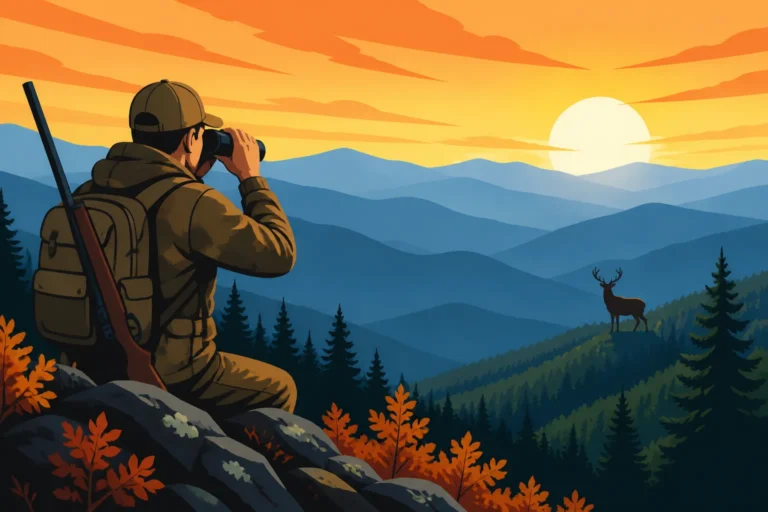
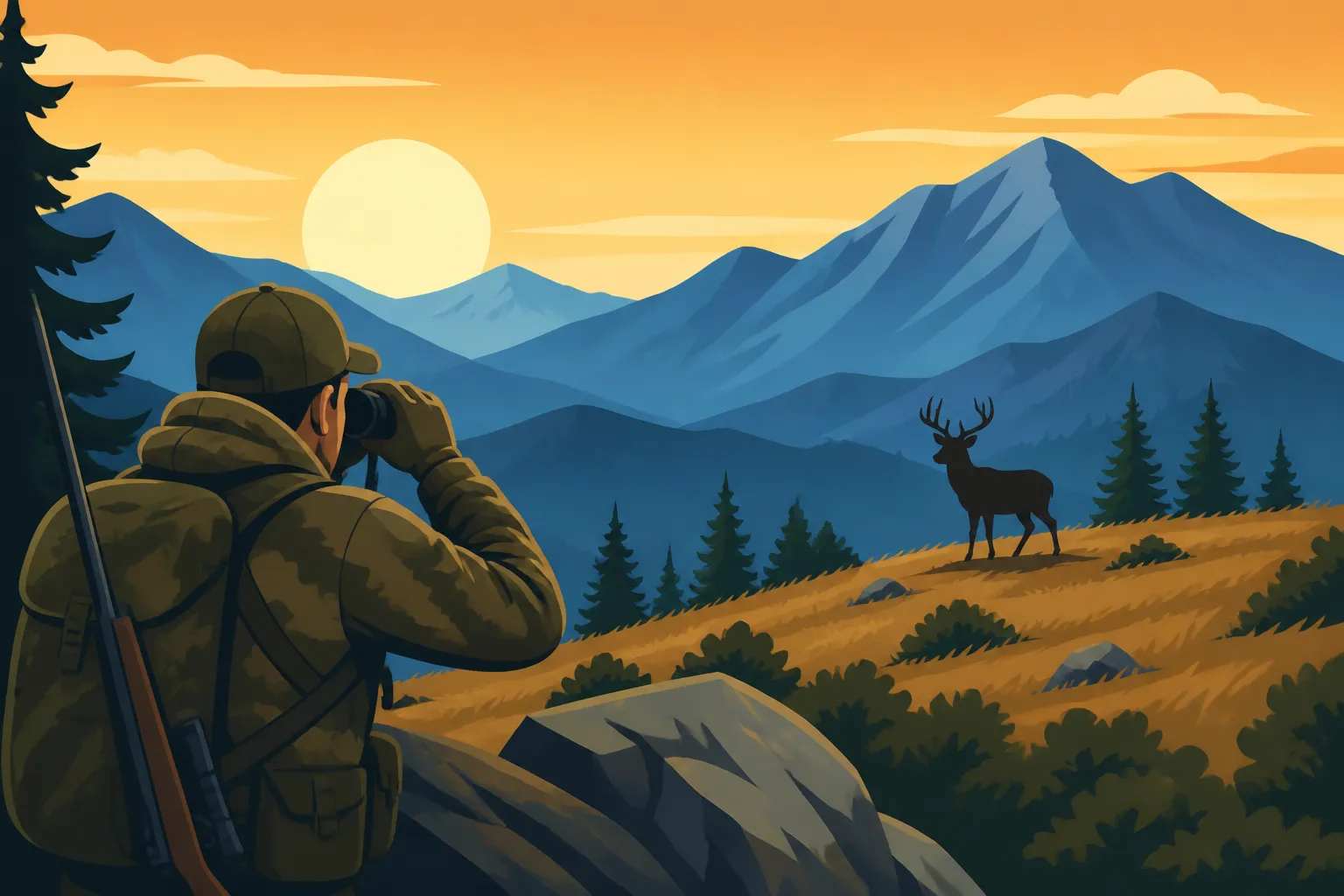
Hunting the high country in North Carolina can feel like an unending uphill battle, especially when you’re trying to pinpoint where those elusive mountain bucks actually spend their time. The sheer scale and unforgiving terrain of places like Pisgah and Nantahala National Forests can leave even seasoned hunters wondering if they’re just burning boot leather for nothing. This guide will peel back the mystery of high elevation mountain benches, showing you exactly what these hidden gems are, why deer favor them, and how to systematically scout and hunt them for a much-deserved harvest in the beautiful, rugged landscape of Western North Carolina.
Understanding the Allure of High Elevation Mountain Benches for Deer
When you're slogging through steep mountainsides, it’s easy to think deer are just spread out everywhere, but that's rarely the case. Deer, much like us, seek out the path of least resistance and areas that offer the best combination of food, cover, and security. High elevation mountain benches are precisely these kinds of spots—subtle, relatively flat or gently sloped areas that interrupt the otherwise relentless incline of a mountain face. These aren’t always obvious; sometimes it’s just a barely perceptible break in the contour, but to a deer, it’s prime real estate.
The Habitat Haven: Food, Water, and Cover
Imagine a deer trying to traverse a 45-degree slope all day long. It's exhausting and inefficient. A bench, however, provides a natural highway or resting spot where they can move with less effort, graze on browse, or even bed down. These benches often hold a richer diversity of vegetation than the surrounding steep slopes. You might find pockets of oaks, huckleberries, rhododendron, or even wild grapes, offering crucial food sources. Even more importantly, they frequently intercept natural water sources like seeps or small, intermittent springs, providing critical hydration without a long descent to a major creek.
Beyond food and water, security is paramount. These benches, especially those with thick laurel or rhododendron thickets, offer dense cover from both predators and the elements. A mature buck, in particular, will seek out a secluded bench where he can lie down, often with a clear view downhill and the wind at his back, allowing him to smell anything approaching from above. This strategic positioning makes these benches ideal staging areas before deer move to lower elevations or open ridges to feed, or perfect hideouts during periods of heavy hunting pressure. Understanding these deer tendencies is key to successfully Reading a Ridge for Mountain Zone Deer.
Why Deer Favor These Mid-Slope Sanctuaries
Deer don't just happen upon these benches; they actively seek them out because of the tactical advantages they provide. During colder months, south-facing benches can offer warmer bedding areas, catching more sunlight and providing a respite from biting north winds. In contrast, during warmer periods, north-facing benches might provide cooler, shadier bedding. The elevation itself also plays a role in scent control; thermals rising in the morning and falling in the evening often dictate deer movement patterns, and benches positioned correctly can give deer an advantage in detecting threats.
Furthermore, these benches often act as critical travel corridors. Instead of navigating rugged, broken terrain, deer will use these relatively level pathways to move between different feeding areas, bedding sites, or to access saddles and other transitions points. During the rut, bucks will often cruise these benches, scent-checking for does and leaving rubs and scrapes along the way. If you can locate a series of interconnected benches, you've likely found a major deer thoroughfare. It’s not just about a single bench; it's about how that bench integrates into the larger movement patterns of deer in the expansive mountain wilderness.
Strategic Scouting for Productive Bench Locations
Finding these high elevation mountain benches isn't about aimlessly wandering; it requires a strategic, multi-pronged approach that combines digital reconnaissance with dedicated boot-on-the-ground scouting. Before you even set foot in the woods, the real work begins with maps.
Digital Reconnaissance: Maps and Topography
Your first step should always be to consult topographical maps. Modern hunting apps like GoHunt are invaluable for this. Look for subtle contour lines that "spread out" or flatten on otherwise steep slopes. These wider contour intervals indicate a bench. Pay close attention to features like saddles, points, and draws, as benches often occur in conjunction with these, creating natural funnels and travel corridors. For example, a bench might run off a saddle on a main ridge or create a flat spot just below a steep point overlooking a valley.
With GoHunt, you can switch between topographic views and satellite imagery. The satellite view can sometimes reveal differences in vegetation that hint at a bench, such as a band of slightly different tree types or denser undergrowth. Mark any potential bench locations on your app, creating a network of pins to explore. Look for benches that are within reasonable proximity to water sources (even small seeps) and areas with diverse mast-producing trees if scouting during the fall. Identifying these features digitally before Scouting North Carolina Public Land Before Season can drastically reduce the amount of wasted effort during your physical scouting trips.
On-the-Ground Verification and Sign Reading
Once you have your digital map marked up, it’s time to hit the woods. This is where you verify your hunches and look for concrete evidence of deer activity. When you reach a suspected bench, slow down and meticulously search for deer sign. Fresh droppings, rubs (especially on smaller saplings on the bench itself), scrapes, and most importantly, deer beds, are all indicators that you’ve found a productive spot. Look for worn trails that run along the bench or connect it to other features like water sources or steeper bedding areas.
Pay particular attention to the "feel" of the bench. Does it offer good visibility for a deer lying down? Is there thick cover nearby for escape? Are there any prevailing wind patterns that might make it a strategic location? One of the biggest challenges in the mountains is Finding Sign in Big Pisgah Timber, but on a bench, the sign can often be more concentrated and easier to interpret. Don’t be afraid to walk the entire length of a bench and then explore parallel benches on the same slope, as deer often use a network of these subtle features. Double-checking your GoHunt pins against actual boot-on-the-ground scouting is essential to confirming these prime locations.
Here's a quick overview of what makes a mountain bench attractive to deer:
| Feature | Why It's Important to Deer | Scouting Tip |
|---|---|---|
| Relatively Flat | Easier travel, efficient bedding, less energy expenditure. | Look for wide contour spacing on topo maps. |
| Food Sources | Acorns, browse (huckleberry, greenbriar), wild grapes. | Identify mast trees, dense undergrowth patches. |
| Water Source | Seeps, springs, small intermittent creeks for hydration. | Search for damp ground, moss, specific vegetation indicating water. |
| Thick Cover | Laurel, rhododendron, dense pines for security and thermal cover. | Look for dark green thickets in satellite view. |
| Visibility | Downhill view for detecting predators, wind at their back. | Evaluate bedding sites for strategic sightlines. |
| Travel Corridors | Connects bedding to feeding areas, saddles, and other benches. | Identify worn trails, rubs, scrapes along the bench. |
Effective Hunting Tactics for Mountain Benches
Once you’ve identified a promising mountain bench, the real strategy for hunting it comes into play. These aren't your typical flatland setups; mountain hunting demands a keen understanding of wind, thermals, and deer behavior in steep terrain.
Playing the Wind and Thermals in the Mountains
This is, hands down, the most crucial element when hunting mountain benches. Thermals are air currents that rise as the air warms in the morning and fall as it cools in the evening. In the mountains, these thermals create predictable (but sometimes tricky) scent currents. In the morning, plan your approach to get above the bench before thermals start rising, which will carry your scent up and away from any deer bedded below. Position your stand or ground blind so that the rising thermals will carry your scent away from where you expect deer to be moving or bedding.
In the evening, as thermals begin to fall, you'll want to be set up below the bench, allowing the dropping air to carry your scent down the mountain and away from deer moving along the bench or feeding above. Always consider the prevailing wind as well; it can override or modify thermal drafts. A good rule of thumb is to approach your stand from the side, or even from below, if possible, to avoid blowing your scent directly onto the bench before you're in position. This nuanced approach to Wind and Thermals on a Blue Ridge Slope is paramount to success.
Strategic Stand Placement and Approach Routes
When choosing your stand location—whether it's a tree stand, saddle, or even a well-camouflaged ground blind—think like a deer. Where would they feel safest walking? Where would they expect danger? Often, the best spot is on the edge of the bench, perhaps slightly above or below, giving you a good view of the bench itself and any connecting trails. Look for a tree that offers good cover to break up your silhouette and ideally allows you to shoot both up and down the slope.
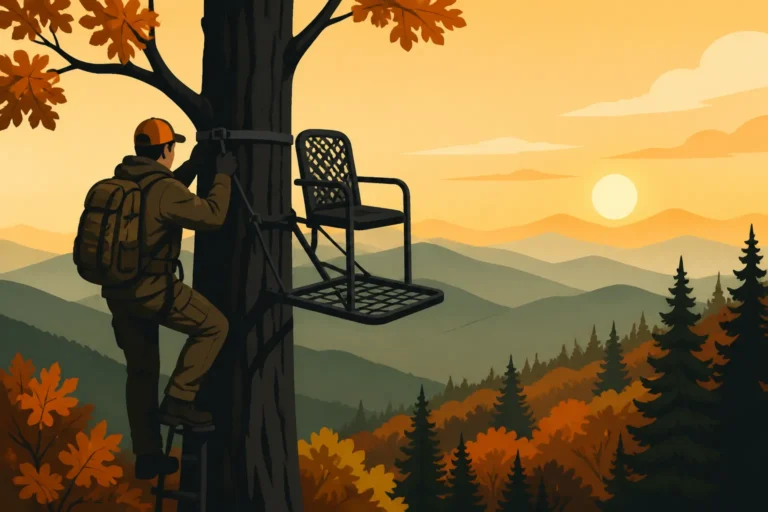
For tree stand hunters, consider using a mobile setup like a climbing stick and platform system, which allows you flexibility. If using a permanent stand, ensure it's positioned for the predominant wind and thermal conditions you expect. Treestand Setups in Pisgah National Forest often involve finding those unique trees that offer cover on steep terrain. If you prefer to hunt from the ground, Using a Ground Blind on North Carolina Public Land can be highly effective, especially if brushed in carefully. Your approach route is just as critical. Plan a route that keeps you out of known deer bedding areas and uses terrain features like draws or finger ridges to mask your sound and movement. Always allow ample time for a slow, quiet approach, especially in the pre-dawn hours.
Patience and Persistence
Mountain hunting is rarely a fast-paced game. Deer movement can be sporadic, and they often travel slowly, browsing as they go. Patience is your greatest ally. Commit to long sits, especially during the peak of the rut in the Hunting the Rut in the Western Zone. Be prepared to stay put from before daylight until late morning, and then again from mid-afternoon until dark. Deer in high-pressure areas are masters of moving at the lowest light.
Don't be afraid to try some subtle calling, especially if you're hunting during the rut. A few soft grunts or doe bleats can sometimes pique a buck's curiosity if he's cruising the bench. However, avoid aggressive calling unless you’re confident in your setup and the deer density. Often, the best strategy is to be utterly still, letting the deer come to you as they utilize these natural mountain highways. Remember, your scent is your biggest enemy, so meticulous scent control and attention to wind are paramount for extended hunts on these benches.
Navigating the Unique Challenges of Mountain Bench Hunting
Hunting high elevation mountain benches in North Carolina offers incredible rewards, but it also comes with a unique set of challenges that demand preparation and respect for the environment.
Physical Demands and Essential Gear
Let's be real: hunting in the mountains is tough. The steep climbs, often through dense undergrowth, require a good level of physical fitness. You'll be gaining and losing hundreds, if not thousands, of feet in elevation. This isn't a casual stroll. Training beforehand, incorporating hikes with a loaded pack, will make your hunts safer and more enjoyable. Hydration and nutrition are crucial; always carry more water and high-energy snacks than you think you'll need.
Your gear also needs to be up to the task. Quality, waterproof hiking boots with good ankle support are non-negotiable for navigating rocky, uneven terrain and wet leaves. Layered clothing is essential because mountain weather can change in an instant, swinging from chilly mornings to warm midday sun and back to cold evenings. Brands like Sitka or Kuiu offer excellent layering systems that allow you to adjust to conditions, and don't forget your blaze orange for gun season. A sturdy pack, such as those made by Mystery Ranch, is vital for carrying your gear in and, hopefully, meat out. For long days, Packs for a Pisgah Forest Day Hunt need to be comfortable and efficient. Having a reliable headlamp with extra batteries is also a must for navigating treacherous terrain in the dark.
Navigational Prowess and Safety Protocols
Getting turned around in the vastness of the national forest is a very real danger. Even with GPS apps like GoHunt, you need to be proficient with a physical map and compass, and know how to use them as a backup. Battery life on phones can dwindle quickly in cold weather or with heavy use. Always let someone know where you're going and when you expect to return. Share your specific hunting area and planned routes.
Beyond navigation, general mountain safety is paramount. Be aware of venomous snakes like timber rattlesnakes, especially in rocky areas during warmer months. Black bears are common in North Carolina's mountains, and while generally shy, knowing how to react to an encounter is important. Understanding North Carolina Bear Denning Behavior can also help you avoid accidental disturbances. Always carry a first-aid kit, a whistle, and a fire-starting method. Never hunt alone if possible, especially when tracking wounded game into dense, unfamiliar territory.
The Aftermath: Recovering Game in Steep Terrain
The moment of truth is often followed by the hardest part: recovering your game. A deer shot on a steep mountainside can be an incredibly difficult retrieve. Even a small deer can feel like a ton of bricks when you're dragging it uphill. If you're fortunate enough to harvest a deer, immediately mark the spot and assess the recovery challenges.
Consider using the gutless method to field dress your deer, breaking it down into manageable pieces to pack out. This significantly reduces weight and bulk, making the arduous trek back to your vehicle much more feasible. Game bags are crucial for keeping the meat clean. Deer sleds can be useful on gentler slopes, but on very steep, broken ground, packing out pieces is often the only realistic option. Planning for this scenario before you hunt is just as important as finding the deer in the first place. Trying to Blood Trailing After Dark in North Carolina on a steep mountain is a nightmare you want to avoid, so try to recover your animal before nightfall if at all possible.
Disclaimer
Please note that hunting regulations, seasons, and licensing requirements can change. Always consult the most current North Carolina Wildlife Resources Commission (NCWRC) regulations before planning any hunting trip. This guide is for informational purposes only and does not supersede official rules and laws. Stay safe and hunt ethically.