Running Beagles on North Carolina Cottontails
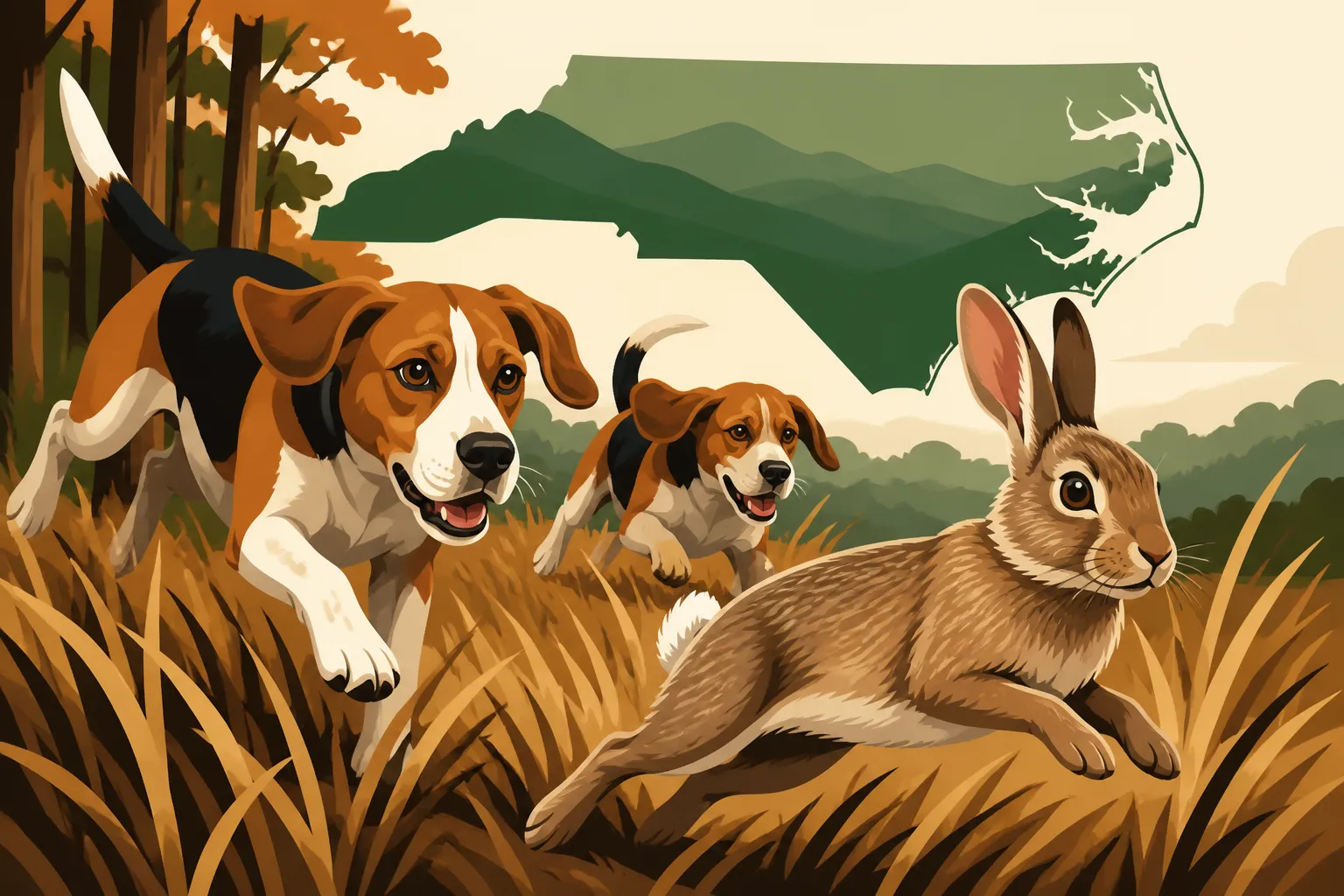
There's nothing quite like the sound of a beagle pack in full cry, echoing through the crisp North Carolina woods. It’s a tradition steeped in history, a symphony of hounds and hunters chasing the wily cottontail. But for anyone who's tried it, you know it's not always as simple as turning the dogs loose. This comprehensive guide will walk you through everything you need to know, from understanding rabbit habitat and training your furry companions to mastering field tactics and navigating North Carolina's specific regulations, ensuring you have a successful and enjoyable hunt.
Understanding North Carolina Cottontail Habitat
North Carolina's diverse landscape, from the mountains to the coast, offers a variety of habitats that cottontail rabbits call home. Knowing where to look for them is half the battle, and it's a critical first step before you even think about releasing your eager beagles. Rabbits aren't generally found in open, barren land; they seek out dense cover that provides both food and protection from predators like coyotes and hawks.
Where Cottontails Hide in North Carolina
When you're out scouting or even just driving around, start paying attention to the edges – that's where the magic happens. Cottontails thrive in what we call "edge habitat" where two different types of cover meet. Think about where a field of cut corn abruptly ends and meets a dense line of briars, or where a thicket of honeysuckle runs alongside a mature timber stand. These transition zones are gold mines. In the Piedmont, you’ll often find them in old fields that have grown up into briars, plum thickets, and blackberry brambles. These are prime locations because they offer an abundance of browse, seeds, and berries, all while providing an impenetrable fortress against predators.
Move east towards the Coastal Plain, and you'll find rabbits hunkering down in the dense undergrowth of pine plantations, particularly younger stands where the pines haven't completely canopied, allowing sunlight to reach the forest floor and encourage brushy growth. Drainage ditches, often overgrown with tall grasses and low-lying shrubs, are another hotspot, creating natural travel corridors and escape routes. Even in the higher elevations of the mountains, don't overlook old logging clear-cuts that have regrown into thick, tangled messes. Rabbits don't need vast tracts of land; they just need a small patch of really dense cover to feel secure. Learning to identify these areas is paramount, and using a good mapping application like GoHunt can help you spot these promising edge habitats from the comfort of your home before you ever set foot afield.
Reading Cover for Rabbit Sign
Once you've identified a promising area, it’s time to get a little closer and play detective. While beagles are incredible at scent trailing, you can significantly increase your odds by confirming rabbit presence before the hunt. Look for their droppings, which are small, round pellets often found concentrated in feeding areas or along well-used trails. You might also spot clipped vegetation, especially during winter months when other food sources are scarce. Rabbits will gnaw on tender twigs, leaving a clean, angled cut.
Beyond direct signs, learn to assess the density and type of cover. Is it thick enough to hold a rabbit, yet open enough for your dogs to work through? A thick fencerow can be a fantastic place to start, as they often connect larger patches of cover and act as highways for cottontails. Pay attention to downed trees and brush piles, as these provide excellent overhead protection. Remember, a rabbit's primary defense is to hide, and they’ll gravitate towards the densest, most difficult-to-navigate spots. When you're scouting, try to visualize how a rabbit would move through the cover and where it might try to escape once pushed. This foresight will be invaluable for positioning hunters effectively during the chase.
Preparing Your Beagles for North Carolina Rabbit Hunting
Your beagles are the heart and soul of a successful rabbit hunt. Their noses, voices, and relentless pursuit make the experience what it is. But just like any athlete, they need proper training and the right gear to perform their best in the varied terrain of North Carolina.
Training Your Pack for North Carolina Conditions
Good rabbit dogs aren't just born; they're made through consistent training and exposure. Ideally, you want dogs that are "foot-loose and fancy-free" but also responsive to commands. Start with basic obedience: come, stay, and heel. This might seem counterintuitive for a dog whose job is to run, but a dog that will come when called can be a lifesaver if they get on a deer track or wander too far into an unsafe area. Exposure to actual rabbits is, of course, critical. Many seasoned hunters start young pups with older, experienced dogs, allowing them to learn the ropes of tracking, trailing, and the all-important "chop" or "bark" that signals they're on a hot track.
It’s crucial to train your dogs in varied North Carolina terrains. If you hunt mostly open fields, they might struggle in the dense briar patches of the Coastal Plain or the steep, rocky slopes of the mountains. Take them to different types of cover—woodlots, fencerows, old clear-cuts—to get them accustomed to pushing through tough brush. Encourage them to stick to the rabbit scent, but also teach them to ignore other game like deer or turkeys, which can be a real challenge in areas like Pisgah National Forest. Consistent positive reinforcement and plenty of time in the field will help develop a disciplined, effective pack. For more insights on proper training techniques, you might want to look into methods for Running Hounds Where North Carolina Allows It, as many principles apply across different game.
Essential Gear for Your Hounds and Yourself
Beyond training, having the right gear is non-negotiable for the safety and effectiveness of both you and your dogs. For your beagles, bright, blaze orange vests are crucial, especially if you're hunting during the deer season when blaze orange requirements are in full effect. These vests not only protect them from thorns and briars but also make them visible to other hunters and to you in thick cover. Investing in a good GPS tracking collar for each dog is highly recommended. Systems that integrate with mapping apps, like the kind that might sync with GoHunt, allow you to see your dog's location in real-time, preventing lost dogs and helping you understand their movements on the track. Bells on their collars can also help you keep tabs on them when they're working close in thick cover, even if they aren't on a hot trail.
For yourself, durable clothing is key. Think sturdy Brush Pants for North Carolina Mountain Laurel and long-sleeved shirts to protect against briars and thorns. Waterproof, comfortable Boots for North Carolina Swamps and Ridges are a must, as you'll be traversing wet, uneven terrain. A good hunting vest with plenty of pockets for shells, water, and dog treats is essential. Don't forget ear protection for yourself and any other hunters, as shots will be taken in close quarters. A first-aid kit for both humans and dogs should always be part of your pack. Being prepared ensures a safer, more enjoyable day afield for everyone involved.
Effective Field Tactics for Running Hounds
Once your dogs are trained and geared up, it’s time to put those skills to the test. Rabbit hunting with beagles is a dynamic experience that requires teamwork between the hunters and the hounds. It’s not just about walking through the woods; it’s about strategic movement, anticipation, and quick reactions.
Working Cover with Your Beagles
When you arrive at your chosen rabbit patch, the first step is to unleash your beagles and give them a moment to stretch and relieve themselves. Then, let them work the edges of the cover you've identified. Watch how they move, how their tails wag, and listen for those first excited whines or barks that indicate they've hit a fresh scent. As the dogs push into the thicket, they'll inevitably jump a rabbit. The moment that rabbit bursts from cover and the beagles hit full cry, that’s the sound every rabbit hunter lives for. The key here is not to rush. Let the dogs work the track. Rabbits, when jumped, will often run in a large circle, using familiar escape routes and dense cover. This is where the beagles' persistence truly shines, slowly but surely bringing the rabbit back towards its starting point.
Your role as a hunter is to position yourself strategically. Don't just follow the dogs; anticipate where the rabbit might try to run. Often, rabbits will run along the edges of the cover, or through thin spots they know well. If you have multiple hunters, spread out along the likely escape routes, forming a loose perimeter around the thicket the dogs are working. Communication is vital – use hand signals or quiet voices to let others know if you see a rabbit, or if the dogs are coming your way. Remember, the rabbits aren't trying to outrun the dogs in a straight line; they're trying to circle back to their home turf, relying on their intimate knowledge of the briar patch to evade capture.
Driving Rabbits to the Gun
The classic tactic in beagle hunting is to "post up" and let the dogs drive the rabbit to you. Once the dogs jump a rabbit and get it circling, hunters should take up positions that offer good visibility into the edges of the cover, or along known travel lanes. If you’re hunting a long fencerow or a creek bottom, hunters can space out along one side while the dogs work the cover on the other, pushing rabbits out. It's a game of patience, waiting for that tell-tale rustle in the leaves or the glimpse of brown fur as a rabbit darts across a small opening.
A good rabbit gun is typically a 12 or 20 gauge shotgun, loaded with a light game load like 7 ½ or 6 shot. These smaller pellets are effective at close range without over-penetrating. Always be mindful of your shooting lanes and what lies beyond your target. Safety is paramount, especially when hunting with a group and dogs. Make sure you know where all hunters are located before taking a shot. After a successful shot, mark the spot where the rabbit fell and quickly retrieve it to prevent your dogs from losing interest or eating the game, which can be a tough habit to break. Proper retrieval is also part of ethical hunting, ensuring no game is wasted. For those interested in Hunting North Carolina's Year-Round Feral Hogs with hounds, similar principles of driving game apply, though the scale and intensity are vastly different.
Post-Hunt Care for Your Dogs and Harvest
After a long day in the field, your beagles have earned some serious TLC. First and foremost, check them thoroughly for any cuts, scrapes, or embedded thorns. Briars can be brutal on paws and ears. Give them plenty of fresh water and a good meal to rehydrate and refuel. Keeping them hydrated throughout the day is also important, especially on warmer days. Many hunters carry a collapsible water bowl and a small bottle of water for their dogs. Some even apply paw protection wax before the hunt to help prevent soreness and cuts. Consider investing in a good dog box for transport that keeps them secure and comfortable.
For your harvest, proper field dressing is crucial to ensure quality meat. Rabbits are small, so this is usually a quick process. Remove the entrails as soon as possible, especially on warmer days, and then get the rabbit cooled down. A cooler with ice is perfect for the ride home. Once home, skin and butcher the rabbits promptly. Rabbit meat is delicious and versatile, perfect for stews, frying, or even grilling. Knowing how to properly prepare your game is a rewarding part of the hunting experience.
Regulations and Best Practices for Rabbit Hunters
Hunting rabbits in North Carolina, like any game, comes with a set of rules and ethical considerations. Adhering to these not only keeps you legal but also ensures the health of the rabbit population and a positive experience for all hunters.
North Carolina Rabbit Season Rules
It's vital to know the specific dates for rabbit season in North Carolina. The seasons can vary slightly by zone and year, so always consult the latest North Carolina Inland Fishing, Hunting & Trapping Regulations Digest published by the NC Wildlife Resources Commission. Generally, the season for rabbits typically runs from mid-November through late February, offering ample opportunity for hunters to get out with their beagles during the cooler months. You'll need a valid North Carolina Hunting Licenses and What They Cost, along with a big game privilege license if you hunt deer or bear at other times, but for small game, a basic hunting license is usually sufficient. Remember, a common frustration for many hunters is not knowing the current regulations, so make it a habit to check annually.
There are also bag limits to consider. North Carolina has a daily bag limit for rabbits, meaning you can only harvest a certain number of rabbits per hunter per day. This is an important conservation measure that helps maintain healthy populations. Transporting harvested game also has rules; typically, you need to keep at least one fully feathered wing or the head of small game attached until you reach your final destination or home. Always ensure you are hunting in areas where it is legal to do so, whether it's private land with permission or designated public Game Lands. For more specific information, you can always check the North Carolina Rabbit Season Opening Day details directly on the NCWRC website.
Ensuring Ethical and Safe Hunting
Beyond the explicit regulations, ethical hunting practices are fundamental. Always prioritize safety. As mentioned before, know your target and what's beyond it. Wear blaze orange yourself; it's generally required during gun deer season on public land, and it's always a good idea when you're moving through thick cover with other hunters. Never shoot at sound or movement; wait until you have a clear, identifiable target. Respect private property boundaries. If you’re hunting near agricultural fields, be mindful of crops and fences. If a rabbit runs onto posted private land, you must respect that boundary and not pursue it. This often means leaving the rabbit, and sometimes, regrettably, retrieving your dogs with an E-Collar Use on Public Ground system once they come back to the boundary.
Practicing good sportsmanship, being courteous to other hunters, and properly disposing of spent shells and other litter are all part of being a responsible outdoorsperson. These actions contribute to the public's perception of hunting and help ensure that this cherished tradition continues for future generations in North Carolina. The ultimate goal is not just to harvest game, but to enjoy the camaraderie, the challenge, and the beautiful natural environment that North Carolina offers, all while upholding the highest standards of respect for wildlife and the land.
Disclaimer
The information provided in this guide is for general informational purposes only and does not constitute legal advice. Hunting regulations in North Carolina can change, and it is the responsibility of each hunter to verify and comply with all current local, state, and federal laws and regulations before engaging in any hunting activities. Always consult the latest North Carolina Inland Fishing, Hunting & Trapping Regulations Digest published by the NC Wildlife Resources Commission or other official sources for the most accurate and up-to-date information.