Dog Vests for Cold Water Retrieves
When you're out chasing ducks and geese across North Carolina's varied waterfowl landscapes, from the chilly open waters of Currituck Sound to the frigid flooded timber, your retrieve dog is your most valuable partner. But the harsh realities of icy water and biting winds can quickly turn a successful hunt into a dangerous situation for your canine companion. This guide will walk you through everything you need to know about selecting and using a quality dog vest specifically designed for cold water retrieves, ensuring your four-legged hunting buddy stays safe, warm, and ready for action throughout the season.
Why a Dog Vest is Crucial for Cold Water Retrieves in North Carolina
North Carolina offers some incredible waterfowl hunting, but it's rarely a warm-weather sport. From the blustery coastal sounds to the frosty impoundments further inland, the water temperatures during peak season can be downright dangerous for a dog. Your retriever might be built for the water, but they're not immune to the cold, especially when making multiple retrieves. Ignoring the need for proper thermal protection isn't just uncomfortable for your dog; it can be life-threatening.
The Real Risk of Hypothermia in Cold Water
Even the hardiest Labrador or Chesapeake Bay Retriever can succumb to hypothermia surprisingly quickly. A dog's core body temperature is higher than a human's, around 101-102.5 degrees Fahrenheit. When exposed to cold water, their body works incredibly hard to maintain that temperature, burning through calories and energy at an accelerated rate. Imagine your dog making a series of long retrieves in 40-degree water, then sitting in a blind, shivering, as a cold wind cuts through their wet coat. Each subsequent retrieve deepens their core temperature drop, leading to fatigue, disorientation, and in severe cases, cardiac arrest. We want our dogs focused on the task, not fighting to stay warm. A good cold water vest acts as a thermal barrier, slowing heat loss and giving them a much better chance to regulate their temperature naturally. Think of it like your own Waders for Sound-Side Marsh Hunting – it's about extending your time comfortably and safely in the elements.
Protecting Your Partner from the Elements
Beyond just temperature, the North Carolina landscape for waterfowl can be unforgiving. Whether you're hunting tidal creeks, pocosin edges, or flooded fields, there are hidden dangers beneath the surface. Sharp sticks, submerged logs, jagged ice formations, and even broken branches can cause nasty cuts and abrasions. A robust dog vest provides a layer of physical protection, absorbing impacts and deflecting sharp objects that could injure your dog's chest or belly. I’ve seen dogs come out of thick cover with scratches that would have been far worse without that extra buffer. It's a peace of mind knowing your hunting buddy is somewhat shielded from the unseen hazards of the swamp or marsh.
The Added Benefit of Buoyancy
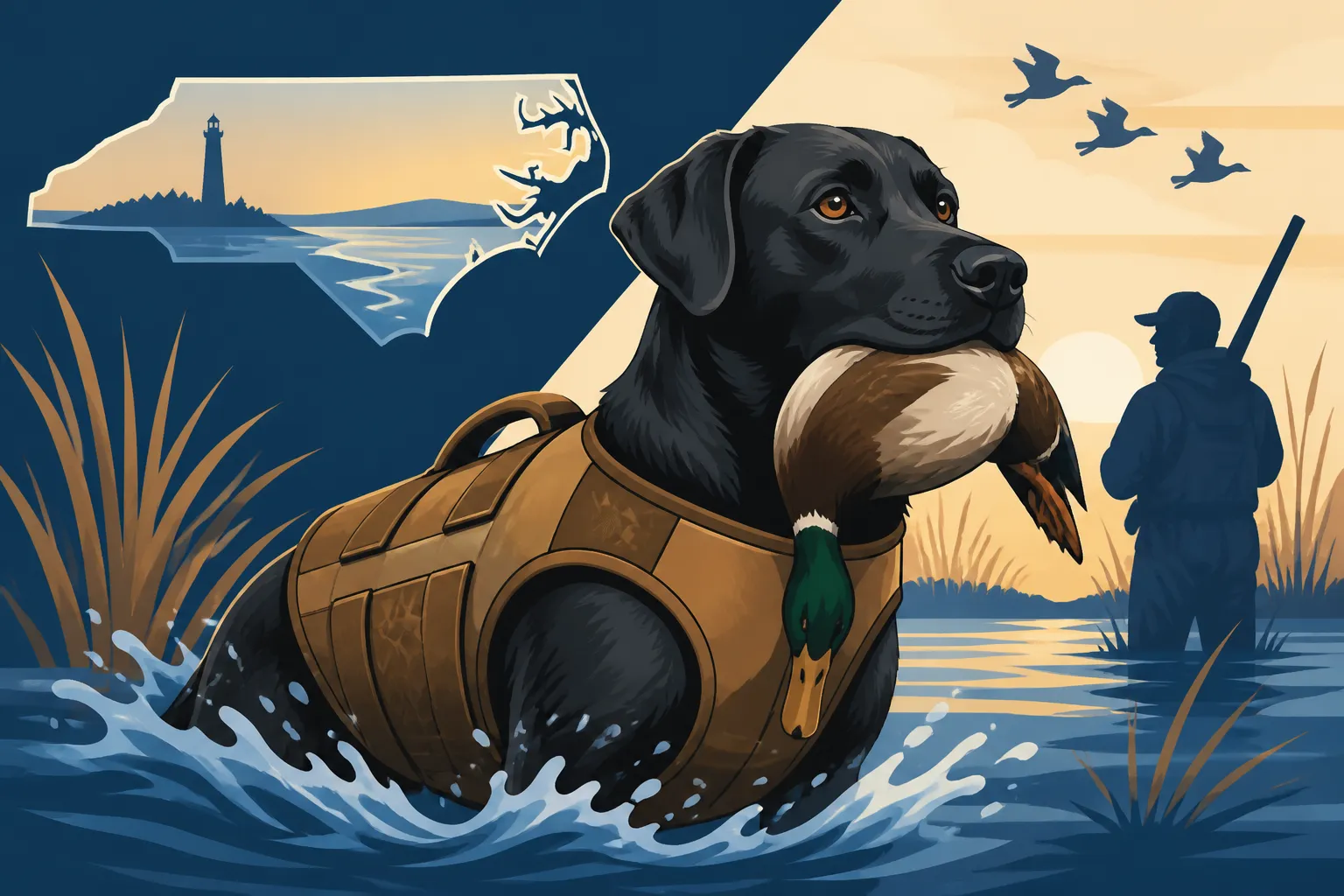
Many cold water vests come with integrated flotation, and this is a game-changer, especially for long or challenging retrieves. While most retrievers are natural swimmers, a dog that is becoming hypothermic will also become fatigued faster. The added buoyancy provided by a vest can help keep their head higher above the water, making swimming less strenuous. This is particularly valuable in strong currents, deeper waters, or when your dog has to fight through dense aquatic vegetation. It helps conserve their energy, allowing them to focus on the retrieve itself rather than expending excessive effort just to stay afloat. For those marathon retrieves on the big waters of the Pamlico or Currituck, that extra lift can make all the difference.
Key Features to Look for in a Cold Water Dog Vest
Choosing the right vest isn't about grabbing the first one you see. There’s a distinct difference between a general-purpose dog coat and a true cold-water retrieve vest. You need something that’s built for the specific demands of North Carolina’s diverse waterfowl environments.
Material and Durability
When it comes to cold water vests, neoprene is king. This is the same material used in wetsuits for humans because of its excellent insulating properties and water resistance. You'll typically find vests in 3mm or 5mm thickness. For most North Carolina conditions, especially as the season progresses and temperatures drop, a 5mm neoprene vest offers superior thermal protection. It’s thicker, yes, but the better insulation is worth it when the mercury dips. Look for vests with reinforced stitching, especially around the seams and buckles, as these areas take a lot of abuse. Many reputable brands use high-quality, durable neoprene that can withstand countless trips through brambles, ice, and muck without tearing. Think about how much abuse your Waterfowl Gear for Currituck Sound takes; your dog's gear needs to be just as tough.
Fit, Adjustability, and Mobility
A vest is only effective if it fits properly. Too loose, and it won't provide adequate insulation and can snag; too tight, and it restricts movement and can cause chafing. Look for vests with strong, adjustable straps – often Velcro or heavy-duty buckles – that allow for a snug, custom fit around your dog's chest and belly. The vest should cover the dog's chest and belly, protecting vital organs, but leave their legs and shoulders free for unhindered movement. Your dog needs to run, jump, and swim without feeling constricted. Some designs, like those from Avery or Rig’Em Right, offer excellent adjustability to ensure a comfortable yet secure fit for various dog breeds and builds.
Integrated Flotation and Chest Protection
While not all cold water vests offer flotation, it’s a highly recommended feature. This usually comes in the form of closed-cell foam panels strategically sewn into the back and sides of the vest. This not only provides buoyancy but also offers an extra layer of insulation. For chest protection, look for vests with a reinforced chest plate or thicker neoprene in this area. This is where your dog will break ice, push through heavy cover, and potentially encounter submerged obstacles. A robust chest panel provides crucial protection against cuts and blunt force trauma, preventing injuries that could sideline your dog for the rest of the season.
Grab Handles, D-Rings, and Visibility
Practical features make a huge difference. A sturdy grab handle on the back of the vest is invaluable for helping your dog in and out of the boat, lifting them over obstacles, or simply keeping them close in a tight spot. Many vests also include D-rings, which are perfect for attaching a lead, a locator beacon, or even a small light for early morning or late evening retrieves. Finally, consider visibility. While camouflage vests might seem appealing for blending in, a blaze orange patch or an entirely orange vest can be a lifesaver in low light or dense cover, making it easier to spot your dog from a distance. For hunts where visibility is key, a vest from a brand like GoHunt that incorporates high-visibility panels can really stand out against the drab winter landscape, offering peace of mind.
Choosing the Right Size and Fit for Your Dog
Getting the right fit for a dog vest is paramount to its effectiveness and your dog's comfort and safety. It's not a "one size fits all" situation, and rushing this step can lead to a miserable experience for your canine companion. You want it to be like a second skin, providing protection without hindering their natural athleticism.
Accurate Measurements are Key
Before you even start looking at specific vests, you need to accurately measure your dog. Don't guess their size based on breed alone; individual dogs vary widely. Grab a flexible tape measure and take these critical measurements:
- Chest Girth: This is the most important measurement. Wrap the tape measure around the widest part of your dog's chest, just behind their front legs. Make sure the tape is snug but not tight.
- Neck Circumference: Measure around the base of your dog's neck, where a collar would naturally sit.
- Back Length: Measure from the base of the neck (between the shoulder blades) to the base of the tail. While less critical for vest fit than girth, it helps ensure adequate coverage.
Compare these measurements to the sizing charts provided by vest manufacturers. Most good brands, like GoHunt or Avery, will have detailed charts that specify the chest girth, neck, and length ranges for each size. When in doubt, it’s often better to size up if your dog is between sizes, as adjustability can help take up slack, whereas a too-small vest simply won't fit.
The Importance of Trial and Error
Even with accurate measurements, there's no substitute for actually trying the vest on your dog. If possible, purchase from a retailer with a good return policy, or if you can find one, a store that allows you to bring your dog in for a fitting. When trying it on:
- Snugness: The vest should be snug against your dog's body, especially the chest and belly panels, to provide maximum insulation and prevent shifting. You should be able to slide two fingers comfortably under the straps, but no more.
- Freedom of Movement: Watch your dog walk, run, and even simulate a swimming motion (if you have the space). Check that the leg openings are not rubbing or restricting their front or hind legs. Their shoulder blades should move freely.
- Coverage: Ensure the vest covers the majority of their chest and belly, protecting those vital areas from cold water and abrasions.
A properly fitted vest will stay in place without twisting or bunching up, allowing your dog to perform at their best without distraction. It's an investment, so take the time to get it right.
Preventing Chafing and Discomfort
An ill-fitting vest, particularly one that's too loose or has poorly designed seams, can cause severe chafing, especially under the front legs or around the chest. This is not only painful but can lead to open sores and infections, putting your dog out of commission.
- Check Seams: Run your hand along all the seams on the inside of the vest. Are they flat and smooth, or do they feel rough and bulky? Flat-lock stitching is generally best for preventing chafing.
- Observe Rubbing Points: Pay close attention to areas like the armpits and the sides of the chest. If you notice any redness or irritation after a short wear, the fit is likely off.
- Break-in Period: Just like a new pair of Boots for North Carolina Swamps and Ridges, a new vest might need a short break-in period. Start with shorter wears before heading out for a full day of Hunting Currituck Sound Diving Ducks. This allows your dog to get accustomed to the feel and helps you identify any potential hot spots before they become a problem.
Here’s a quick comparison of common vest features:
| Feature | Benefit | Ideal Conditions |
|---|---|---|
| 5mm Neoprene | Maximum thermal insulation, puncture resistance | Extreme cold, icy water, dense cover, extended exposure |
| 3mm Neoprene | Good insulation, lighter weight, more flexibility | Moderate cold, active dogs, shorter hunts, less extreme conditions |
| Integrated Flotation | Aids buoyancy, reduces fatigue, extra insulation | Deep water, strong currents, tired dogs, long retrieves |
| Reinforced Chest Plate | Protects against sharp objects, ice, impacts | Heavy cover, breaking ice, submerged hazards |
| Grab Handle | Easy lifting, control, safety in boats or obstacles | Boat hunting, marsh access, dense vegetation |
| Adjustable Straps | Custom fit, prevents chafing, accommodates different dog builds | All dogs, ensuring comfort and secure fit |
| High-Visibility Panel | Increased safety, easy to spot dog in low light or dense cover | Early morning/late evening hunts, thick fog, large open water bodies |
| D-Rings | Attachment point for leash, tracker, or lights | Versatility for additional gear, improved safety |
Maintaining Your Dog's Vest for Longevity and Performance
You’ve invested in a quality cold water vest for your retriever, so treating it well means it will serve you and your dog faithfully for many seasons. Just like your own Blind Bags and Cold-Weather Gear or your shotgun, proper care is crucial to prevent wear and tear and ensure it performs when you need it most. Neglecting care will quickly degrade the neoprene, leading to reduced insulation and structural failure.
Cleaning After Every Hunt
This is probably the most overlooked step, but it’s arguably the most important. After a day of Hunting Flooded Timber for Wood Ducks or chasing birds on a sound-side marsh, your dog’s vest will be covered in mud, grime, salt, and maybe even a little duck blood. Leaving these contaminants on the neoprene will break down the material over time, leading to stiffness, odor, and reduced effectiveness.
- Rinse Thoroughly: As soon as you get home, rinse the vest thoroughly with fresh, cool water. Pay extra attention to the seams, Velcro, and any buckles. A garden hose works great for this. For especially muddy or salty vests, you might even consider a quick soak in a tub of clean water.
- Gentle Cleaning: If there's stubborn mud or a strong odor, use a mild, dog-safe soap (or a specific neoprene cleaner if you want to be extra careful) and a soft brush or sponge. Gently scrub away the grime, making sure not to rub too aggressively, which could damage the neoprene.
- Avoid Harsh Chemicals: Never use bleach, harsh detergents, or solvent-based cleaners. These will strip the neoprene of its natural oils, making it brittle and shortening its lifespan.
- Pay Attention to Velcro: Mud, burrs, and debris can get stuck in Velcro closures, making them less effective. Clean these out with a stiff brush or a pick to ensure they maintain their strong hold.
Proper Drying and Storage
Once clean, how you dry and store the vest is just as important. Never, ever store a wet or damp vest. This is an open invitation for mildew, which smells awful, can cause skin irritation for your dog, and will eventually destroy the neoprene.
- Hang to Dry: After rinsing, hang the vest in a well-ventilated area, out of direct sunlight. A sturdy hanger is ideal to maintain its shape. Direct sunlight can degrade neoprene over time, so a shaded spot is best. Allow ample time for it to air dry completely, both inside and out. This might take a day or two, depending on humidity.
- Seasonal Storage: Once the North Carolina Waterfowl Zones and Seasons close, and you're packing away your Waterfowl Gear for Currituck Sound, ensure the dog vest is absolutely bone-dry before putting it away for the off-season. Store it in a cool, dry place where it won't be crushed or folded tightly. Storing it flat or hanging is usually best to prevent permanent creases in the neoprene, which can weaken the material. Some hunters use large gear bags, but make sure it has good airflow if the vest isn't completely dry.
Regular Inspection and Minor Repairs
Before each season, and periodically throughout, give your dog’s vest a thorough once-over. This routine inspection can catch small issues before they become big problems.
- Check for Tears and Punctures: Look for any small nicks, tears, or punctures in the neoprene. Small holes can be patched with a neoprene repair kit (the kind used for wetsuits or waders), which is a great item to keep in your Blind Bags and Cold-Weather Gear. Catching these early will prevent them from expanding.
- Inspect Straps and Buckles: Examine all straps for fraying and ensure buckles or Velcro closures are in good working order. Replace any weak or damaged buckles immediately. This is critical for maintaining a secure fit and preventing the vest from coming off in the field.
- Elasticity Check: Gently stretch the neoprene in different areas. Does it still feel supple and elastic, or is it becoming stiff and brittle? Stiff neoprene is a sign of degradation and reduced insulation.
- Odor Assessment: Give it a sniff. A persistent, foul odor even after cleaning might indicate mildew deep within the material, suggesting it might be time for a replacement.
By taking these simple steps, you'll ensure your retriever's cold water vest remains in top condition, ready to provide the warmth and protection they need for every retrieve, hunt after hunt. This kind of diligent care extends the life of your gear and, more importantly, keeps your valuable hunting partner safe and happy throughout the North Carolina Coastal Duck Zone Rules season.
Disclaimer
This article is for general informational purposes only and does not constitute professional advice. Laws, prices and regulations vary by location and change over time. Consult a qualified professional for guidance on your specific situation.