Chowan County Public Hunting Ground
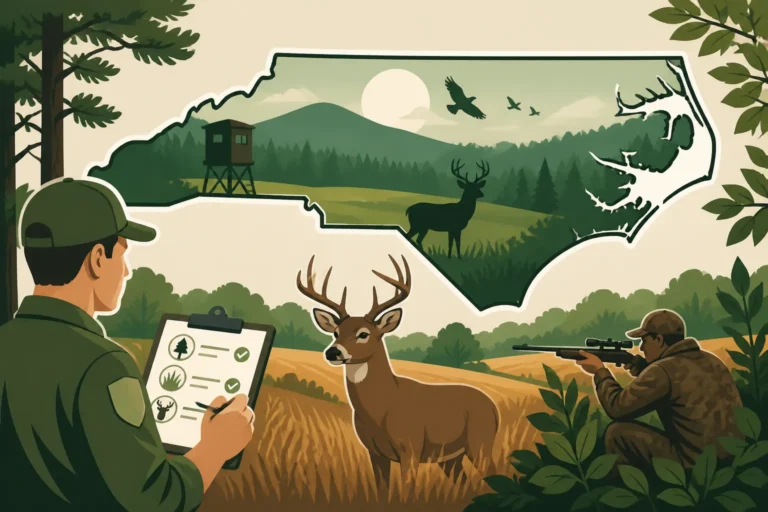
Hunting in North Carolina can be an incredibly rewarding experience, but for many, the biggest hurdle isn't learning how to call a gobbler or track a buck – it's simply finding a place to hunt. Especially in the eastern part of the state, where agriculture and private land dominate the landscape, locating viable public hunting ground can feel like a genuine quest. If you're eyeing Chowan County for your next outing, or just trying to understand the lay of the land in this corner of the Coastal Plain, you're in the right place. This guide will walk you through what to expect when seeking public hunting opportunities in Chowan County and its immediate vicinity, offering insights into navigation, species, and essential preparations.
Understanding Chowan County's Public Hunting Landscape
Chowan County, nestled in the northeastern corner of North Carolina, is a beautiful area characterized by its rich agricultural lands, extensive timber tracts, and proximity to the Albemarle Sound. For hunters, this mix presents both unique challenges and fantastic opportunities. It's not a county known for sprawling National Forests like Pisgah or Nantahala, but rather for smaller, often scattered public access points managed by the North Carolina Wildlife Resources Commission (NCWRC).
The Allure and Challenge of Coastal Plain Hunting
Hunting in North Carolina's Coastal Plain is a different beast entirely compared to the mountains or even the rolling Piedmont. Here, the terrain is generally flat, often wet, and characterized by dense pocosin swamps, pine plantations, and bottomland hardwoods that follow river systems. This thick cover can make visibility a challenge, requiring hunters to adapt their tactics to close-quarters encounters. It's a land where knowing your way around a compass or a good GPS app is absolutely critical, as getting disoriented in the impenetrable vegetation is a real concern. The game animals here, from whitetails to black bears, are masters of concealment, thriving in the thick brush and often moving through unseen corridors. Hunters often feel a real frustration when facing endless walls of greenbrier and impenetrable saplings, wondering how to even begin to navigate such a landscape, let alone find game.
While the thick cover poses challenges, it also offers tremendous allure. These dense areas provide excellent sanctuary for deer, bears, and turkeys, often holding mature animals that have eluded hunters in more open terrain. The sheer wildness of some of these Coastal Plain tracts, even smaller ones, can be incredibly appealing. You might not see as many deer as you would on a wide-open Piedmont field, but the deer you do encounter often feel earned, a testament to your persistence and woodsmanship in a truly demanding environment. You’re also sharing the woods with diverse wildlife, including a healthy North Carolina's Black Bear Population, which often reaches impressive sizes in these fertile, swampy regions.
Key Public Hunting Areas in Chowan County
When it comes to dedicated public hunting ground right in Chowan County, the primary designation you'll find is the Chowan Game Land. This isn't one continuous block of land, but rather several distinct tracts scattered across the county. These tracts often consist of bottomland hardwoods along creeks and rivers, mixed pine and hardwood uplands, and some swampy areas. Because these tracts can be smaller and more spread out, it's crucial to consult detailed maps from the NCWRC to understand their exact boundaries and access points.
While Chowan Game Land is the direct answer, it's also worth looking at what's immediately adjacent. Neighboring counties like Bertie and Washington also host significant game lands, such as portions of the Bertie County Game Land or even Pocosin Lakes National Wildlife Refuge in Washington and Tyrrell counties, which might be a reasonable drive for a Chowan County resident. These larger areas offer different habitat types and often more extensive road systems or waterways for access, which can be a relief after wrestling with some of the denser Chowan tracts. Planning your hunt might involve considering a short drive to one of these larger, better-known public areas if the Chowan Game Land tracts prove too small or too challenging for your desired hunting style.
Navigating Chowan Game Land and Nearby Opportunities
Successfully hunting public land, especially the fragmented tracts found in counties like Chowan, hinges on meticulous preparation and understanding how to effectively use your resources. It's not about stumbling into a honey hole; it's about making smart, informed decisions before you ever step foot in the woods.
Access and Regulations Specific to Chowan Game Land
Accessing the Chowan Game Land tracts can sometimes be a puzzle. Many areas will have designated parking spots along main roads, but others might be walk-in only, requiring you to park on a shoulder or use a small pull-off. Pay close attention to signage. The NCWRC is very good about marking game land boundaries, but it's still your responsibility to know exactly where you are. This is where modern mapping tools become indispensable.
Before heading out, it's absolutely vital to check the specific regulations for Chowan Game Land. Game Lands often have unique rules that differ from statewide regulations. These can include restrictions on certain types of firearms, specific hunting days, or even requirements for signing in and out. For instance, some game lands might be open for small game during certain periods but closed to deer hunting, or vice-versa. You'll also need a North Carolina Game Lands License Requirements in addition to your regular hunting license and big game privileges. These licenses fund the management of these precious public resources, ensuring they remain available for future generations of hunters. Without it, you're not legal to hunt these areas, plain and simple. Always download or print a copy of the specific game land regulations and keep them with you.
Scouting and Strategy in Coastal Plain Cover
Scouting in Chowan County and similar Coastal Plain environments requires a different approach. Forget long-distance glassing across open fields; here, it's about getting boots on the ground and pushing through the thick stuff. Look for subtle changes in elevation that might offer a high spot during wet periods, or "islands" of hardwoods within a sea of swamp. Deer and bear will often use these higher, drier spots for bedding and travel. Identifying old logging roads, utility easements, or even faint game trails cutting through the thick cover can be gold. These natural travel corridors will be heavily used.
This is where a good mapping app like onX Hunt or GoHunt truly shines. These platforms allow you to overlay private and public land boundaries directly onto aerial photography, making it incredibly clear where you can and cannot hunt. You can mark potential access points, identify areas of thick cover, locate water sources, and even pinpoint pinch points or funnels that might force game movement into predictable patterns. Using the app to drop waypoints for promising sign – a fresh scrape line, a well-used rub, or a concentration of tracks – can help you build a clearer picture of game movement over time. Before season, use these tools to identify areas that are a half-mile or more off a main road; these spots often see less pressure and can hold older, wiser animals. Don't be afraid to read Reading Aerial Photos for Piedmont Deer for some transferable strategies, even if the terrain is different, the principle of identifying cover and travel routes remains the same.
Another crucial aspect is understanding water. The Coastal Plain can be notoriously wet, especially after heavy rains. Knowing which areas flood and which remain accessible is key. Sometimes, higher ground near a creek or swamp edge can act as a natural funnel when water levels are up, forcing deer onto predictable paths. Pay attention to wind and thermals, especially in morning and evening, as these can be tricky in flat, dense terrain.
Species to Pursue and Best Practices for Success
Chowan County's public lands offer a diverse range of hunting opportunities for those willing to put in the effort. From big game to small game and even migratory birds, there's a season and a species for nearly every hunter.
Deer, Bear, and Small Game Potential
Deer hunting in Chowan County, especially on the game lands, can be fantastic. The deer here are often accustomed to thick cover and can be masters of slipping through unseen. Tactics like still-hunting slowly and quietly, or setting up ground blinds or treestands in strategic funnels between different cover types, tend to be more effective than trying to spot and stalk across open ground. Look for areas where dense pine plantations meet mature hardwoods, or where a slight elevation change creates a drier bedding area next to a food source. Understanding Hunting the North Carolina Rut by Zone can give you an edge, as deer movement becomes more predictable during this time.
Bear hunting is another major draw in this region. The Coastal Plain is known for producing some of the largest black bears in North America, and Chowan County is definitely within their range. The dense pocosins and swamps provide ideal habitat and an abundance of natural food sources. Bear hunting often involves a combination of scouting for natural food sources like acorns or persimmons, and understanding their travel patterns through the thick cover. Bear season dates and regulations are very specific, so always double-check the North Carolina Bear Season Dates on the Coast. Hunters often employ still-hunting, stand hunting over natural food, or even the use of hounds where legally permitted on private land (though game land regulations for hounds are often restricted).
For small game hunters, Chowan Game Land and surrounding areas can offer good opportunities for squirrels and rabbits. Squirrels thrive in the mature hardwoods, especially along creek bottoms where oaks and hickories provide abundant mast. Rabbit populations are often found in areas with brushy edges, clear-cuts, or overgrown fields. Squirrel Hunting North Carolina Bottomland Hardwoods is a classic pursuit in these parts, offering a relaxed hunt often enjoyed by younger hunters or those looking to fill the freezer with delicious wild meat.
Waterfowl and Upland Bird Opportunities
While Chowan County isn't directly on the Outer Banks, its proximity to the Albemarle Sound and numerous rivers and creeks means waterfowl hunting can be a legitimate pursuit. Wood ducks are common in the flooded timber and cypress swamps, and various puddle ducks and divers can be found on larger bodies of water or agricultural fields. Access often requires a boat or wading into marshy areas. Setting up decoys in quiet backwaters or along creek bends can be very effective. Remember, a North Carolina Federal Duck Stamp Requirement and HIP certification are mandatory for migratory bird hunters. Hunting Currituck Sound Diving Ducks offers insights that can be adapted to other large bodies of water in the region.
Dove hunting can be excellent in Chowan County, especially on private agricultural fields. While dedicated public dove fields might be less common directly within Chowan Game Land, some larger game lands in neighboring counties often manage fields for dove season. If you can gain private land access, working cut corn or sunflower fields during the early season can provide fast-paced action. Even without a dedicated field, pass-shooting over water holes or natural openings can be productive.
Essential Gear and Safety Considerations
Hunting in Chowan County's unique environment demands specific gear choices and a strong emphasis on safety. Being prepared for the conditions will not only make your hunt more comfortable but also significantly safer.
Gear for the Coastal Environment
Given the prevalence of swamps, creeks, and often wet conditions, waterproof gear is paramount. This includes a good quality rain jacket and pants, and most importantly, rubber boots or chest waders. You will encounter water, mud, and often muck. Investing in high-quality, comfortable rubber boots designed for extended walking will pay dividends. Many hunters in this region opt for snake boots as well, given the presence of venomous snakes like cottonmouths and rattlesnakes, especially during warmer months.
Beyond footwear, consider clothing that can handle humidity and dense brush. Layers are always a good idea, as temperatures can fluctuate, but focus on durable, snag-resistant outer layers. Bug spray is not optional; mosquitoes, ticks, and gnats can be relentless. A head net or thermacell might be a sanity-saver, especially during early season hunts. For navigation, always carry a physical compass in addition to your phone's GPS app (like onX Hunt), and make sure your phone is fully charged with a portable power bank. Cell service can be spotty in remote areas. Boots for North Carolina Swamps and Ridges discusses these footwear considerations in detail.
Safety and Ethical Hunting in Public Areas
Safety should always be your top priority. On public lands, you'll likely encounter other hunters, so blaze orange requirements are critical. Even if you're bowhunting during archery season, checking the specific game land rules is essential, as some areas may still require a certain amount of blaze orange, particularly when gun seasons overlap or for walking in and out. North Carolina generally requires hunters to wear an outer garment of blaze orange or florescent pink visible from all sides when hunting deer with firearms, or when hunting bear, feral hogs, or rabbits with firearms on game lands during any deer firearms season. Make sure you know North Carolina Blaze Orange Requirements for your specific season and location.
Communication with other hunters, even if just a wave or a nod, helps ensure everyone is aware of each other's presence. When planning deer drives (which can be effective in thick cover), clear communication and pre-planned routes are crucial to prevent accidents.
Ethical hunting also extends to game retrieval. In dense, wet environments, tracking a wounded animal can be incredibly challenging. Take your time, mark the blood trail meticulously, and be prepared for a difficult recovery. If hunting near property lines, be aware of North Carolina Posted Land Rules and what to do if an animal crosses onto private land. Respect the land and leave no trace, packing out all trash and spent casings.
Here's a quick look at general hunting opportunities in the Chowan County area:
| Game Species | Primary Habitat Types | Common Hunting Methods | General Season Timing | Notes |
|---|---|---|---|---|
| White-tailed Deer | Bottomland Hardwoods, Pine Plantations, Swamps, Agricultural Edges | Still-hunting, Stand Hunting (Ground or Treestand), Drives | Archery, Muzzleloader, Gun | Excellent cover, often big-bodied deer. |
| Black Bear | Dense Pocosin Swamps, River Bottoms | Still-hunting, Stand Hunting, Hound Hunting (Limited) | Fall (Variable Dates) | Coastal Plain produces very large bears. |
| Wild Turkey | Mature Hardwoods, Mixed Pine/Hardwood | Calling (Roost, Run-and-Gun), Decoys | Spring (April-May) | Good populations, especially near river systems. |
| Gray Squirrel | Oak/Hickory Bottoms, Mature Hardwoods | Still-hunting, Walk-and-Stalk, Small Game Dogs | Fall-Winter | Abundant in mast-producing areas. |
| Cottontail Rabbit | Brushy Edges, Clear-cuts, Overgrown Fields | Beagling, Still-hunting, Driving | Fall-Winter | Good opportunities in disturbed areas. |
| Waterfowl | Rivers, Creeks, Sound-side Marshes, Flooded Timber, Ag Fields | Decoys, Blinds, Jump Shooting (Wood Ducks) | Fall-Winter | Focus on wood ducks in swamps; divers/puddle ducks on larger waters. |
Remember, this table provides generalized information. Always consult the current North Carolina Inland Fishing, Hunting & Trapping Regulations Digest for precise dates, bag limits, and specific game land rules.
Disclaimer
This article is for general informational purposes only and does not constitute professional advice. Laws, prices and regulations vary by location and change over time. Consult a qualified professional for guidance on your specific situation.