Bertie County Public Land Access
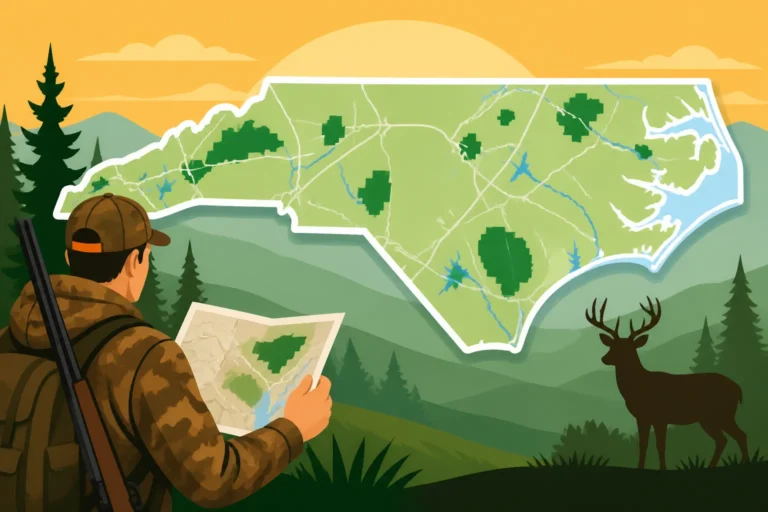
Trying to find dependable public hunting land in a county like Bertie can feel like a real wild goose chase sometimes, doesn't it? You stare at maps, wondering where you can actually put boots on the ground without running into a "No Trespassing" sign, or if the public spots even hold any game. This guide is here to cut through that frustration, helping you understand where to access public hunting land in Bertie County and how to make the most of those opportunities.
Understanding Bertie County's Public Land Landscape
Bertie County, nestled in North Carolina's Coastal Plain, is a land of rich agricultural fields, vast timber operations, and dense, often watery, bottomland swamps. It's a beautiful place, but the patchwork of private farms and managed forests can make finding accessible public hunting ground a real head-scratcher for many hunters. You might drive past miles of prime-looking habitat only to realize it's all locked up behind a gate. That's why knowing the specific public lands here is key.
The Allure and Challenge of Eastern NC Hunting
Eastern North Carolina, and Bertie County in particular, holds a unique allure for hunters. The deer herd can be robust, bears thrive in the thick pocosin cover, and the lowlands offer excellent waterfowl opportunities. However, the challenge is often access. Unlike the sprawling national forests of the mountains, public lands in the Coastal Plain tend to be more fragmented and often require a bit more legwork to understand. Many hunters get discouraged, assuming it's all private, but with the right knowledge, you can absolutely find quality hunting in Bertie. It often means getting a little wet or pushing through some truly dense cover, but that’s where the rewards lie.
Primary Public Access Points in Bertie County
When we talk about public hunting access in Bertie County, one name stands out prominently: the Roanoke River Wetlands Game Land. This sprawling game land, managed by the North Carolina Wildlife Resources Commission (NCWRC), encompasses thousands of acres along the Roanoke River corridor. It's a mosaic of bottomland hardwood forests, cypress-tupelo swamps, and oxbow lakes, making it a haven for deer, bear, turkey, and a variety of waterfowl. Access points can range from boat ramps along the river to small, unmarked turnoffs on gravel roads. It’s crucial to know that while some parts are accessible by foot or vehicle, a significant portion often requires a boat to truly explore and hunt effectively. Other smaller, isolated tracts of game land might exist, but the Roanoke River system is truly the gem for public access in this area. You'll definitely want to familiarize yourself with the full scope of North Carolina Game Lands and their specific boundaries within Bertie.
| Public Land Area | Primary Habitat Types | Key Species | Common Access Methods | Special Considerations |
|---|---|---|---|---|
| Roanoke River Wetlands Game Land | Bottomland hardwoods, cypress-tupelo swamps, oxbows | Deer, Bear, Turkey, Waterfowl | Boat, limited vehicle/foot | Often requires boat, can be very wet, high mosquito count |
Navigating Regulations and Access Restrictions
Once you've identified a public land tract in Bertie County, the next step is understanding the rules of engagement. Public land hunting, especially on game lands, often comes with specific regulations that differ from private land. It's not just about what you can hunt, but how, when, and where you can access these areas. Ignorance of these rules can lead to fines or, worse, losing your hunting privileges.
Game Lands Permits and Rules Specific to Bertie
To hunt on any North Carolina Game Lands, you'll need a valid hunting license that includes a Game Lands privilege. This is separate from your basic hunting license and is essential for legal access. Beyond that, many game lands, including portions of the Roanoke River Wetlands Game Land, operate under specific regulations outlined by the NCWRC. This might include special sign-in/sign-out procedures, restrictions on vehicle access, or even specific hunting days or methods. For instance, some areas may have antlerless deer quotas or specific dates for muzzleloader or gun seasons that differ from the general county season. Always, always consult the current North Carolina Inland Fishing, Hunting, and Trapping Regulations Digest for the specific rules pertaining to the game land you plan to visit. Understanding North Carolina Game Lands License Requirements is the first step, but the specific rules for that particular piece of dirt are equally important.
Special Considerations for Riverine and Swamp Access
Hunting along the Roanoke River and within its vast wetlands presents unique challenges and requires careful planning. Water levels can fluctuate dramatically, especially after heavy rains, making some areas impassable or difficult to navigate by boat. Knowing how to read the river and its tributaries is a skill in itself. During the warmer months, mosquitoes and other biting insects are a constant nuisance, demanding appropriate repellent and clothing. Hunting Coastal Plain Pocosin Swamps means being prepared for truly dense cover, often requiring more physical exertion to penetrate than open woods. For hunters targeting waterfowl, understanding river currents and safe boating practices is paramount. Always prioritize safety, especially when venturing into remote, water-logged areas where help might be a long way off.
Strategies for Successful Hunting on Bertie's Public Land
Hunting public land successfully in Bertie County is less about luck and more about strategic preparation and adaptation. The wildlife is there, but getting to it and understanding its patterns in these unique habitats takes a deliberate approach. Don't just show up and expect animals to jump out at you; put in the work beforehand.
Scouting and Digital Tools
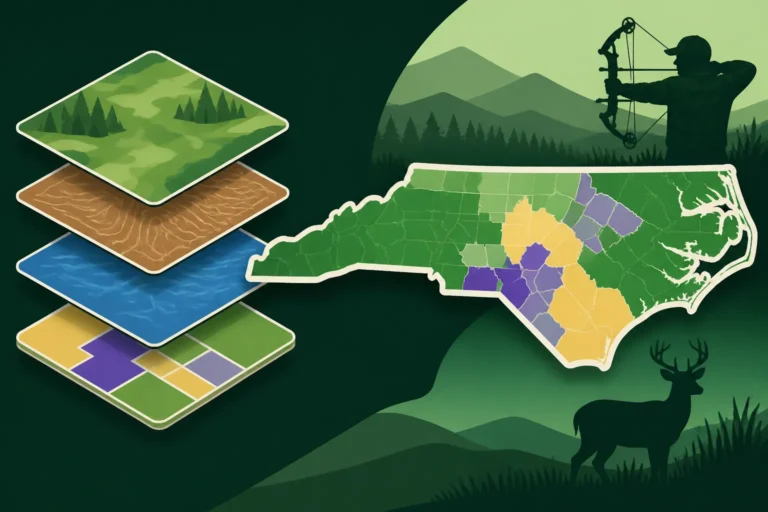
Pre-season scouting is absolutely critical for public land success in Bertie. Because of the thick cover and often limited access points, you need to know exactly where you're going and what the terrain looks like. This is where digital mapping tools become invaluable. Platforms like onX Hunt are game-changers, allowing you to view detailed aerial imagery, identify property lines (public vs. private), mark potential bedding areas, food sources (like mast crops or adjacent agricultural fields), and pinpoint access routes. You can even identify subtle elevation changes or dry pockets within a swamp that might serve as deer travel corridors or bedding sites. Reading Aerial Photos for Piedmont Deer might focus on a different region, but the principles of using aerials to identify habitat features apply universally. Supplementing digital scouting with on-the-ground visits before the season, if possible, can verify your hunches and help you find subtle details a map might miss. Consider using apps like GoHunt for additional mapping resources and localized intelligence, which can further refine your strategy.
Species-Specific Tactics for Bertie County
Different game species in Bertie's public lands require different approaches:
- Deer: Focus on transition areas between timber and agricultural fields, which are common in Bertie. Look for funnels created by small drainages, swamp edges, or old logging roads. During the rut, river bottoms can be hotspots as bucks cruise for does. Pay attention to water sources and higher, drier ground within the swamps for bedding. You might find deer using isolated islands of timber surrounded by water to escape pressure.
- Bear: Bertie County is known for its robust black bear population. They thrive in the dense pocosin and swampy areas of the Roanoke River Wetlands Game Land. Hunting involves navigating these thickets, often focusing on natural food sources like acorns or persimmons, or using still-hunting techniques to push through dense cover. Understanding the North Carolina Bear Management Stamp Rules and season dates is critical.
- Turkey: Wild turkeys utilize the mature hardwoods along the Roanoke River. Listen for gobblers roosting near the river and plan your approach accordingly. Accessing these areas often means navigating early morning fog and damp conditions. River bends and high ground within the bottomlands are good places to start your search for Calling a North Carolina Gobbler Off the Roost.
- Waterfowl: The Roanoke River and its adjacent wetlands offer excellent opportunities for ducks and geese. Jump-shooting smaller sloughs or setting up decoy spreads in backwaters can be productive. Knowing the North Carolina Waterfowl Zones and Seasons is a must, and always adhere to federal regulations concerning steel shot and bag limits.
Common Challenges and How to Overcome Them
Hunting public land in Bertie County is incredibly rewarding, but it's rarely without its obstacles. From crowded parking areas to challenging terrain, being prepared for these common frustrations can make all the difference between a frustrating day and a successful hunt.
Dealing with Hunting Pressure
Public lands, especially easily accessible ones, often draw crowds. Bertie County is no exception. On opening day of North Carolina Eastern Zone Gun Opener, you might find several trucks at a popular access point. The key to overcoming this is to go where others won't. This often means walking farther, being willing to wade through water, or accessing areas via boat that are inaccessible by vehicle. Use your mapping apps to identify those less-trodden paths. Look for subtle features like small creek crossings or dense thickets that casual hunters might avoid. Sometimes, just walking an extra half-mile into a block of timber can put you in an entirely different world, away from the immediate pressure. Learning how to Finding Ground Others Walk Past is a skill honed on public land.
Managing Gear and Logistics in Tough Terrain
The terrain in Bertie County's public lands, particularly the Roanoke River Wetlands, demands specialized gear and careful logistical planning. Rubber boots or even chest waders are often non-negotiable, as you'll likely encounter standing water, muddy trails, and dew-soaked vegetation. Think about waders for North Carolina swamps and ridges seriously. A good quality, waterproof backpack is essential to protect your calls, snacks, and extra layers from the elements. If you're hunting deep in the swamps, a reliable GPS unit or a fully charged phone with a mapping app is critical for navigation, as it's easy to get disoriented in the dense, monotonous cover. And perhaps most importantly, consider how you'll get your game out. Dragging a Deer Out of a Coastal Swamp is a Herculean task, often requiring a game cart, a drag sled, or even a boat if you're deep in the wetlands. Plan your extraction route before you even start hunting, especially if you're heading out solo.
Disclaimer
This article is for general informational purposes only and does not constitute professional advice. Laws, prices and regulations vary by location and change over time. Consult a qualified professional for guidance on your specific situation.