Pitt County Public Hunting Ground
Hunting public land in North Carolina's Coastal Plain, especially in a heavily agricultural area like Pitt County, can often feel like searching for a needle in a haystack. Many hunters accustomed to vast national forests in the mountains or sprawling game lands in other regions arrive with expectations that don't quite match the reality of this part of the state. This guide aims to shed light on what public hunting opportunities truly look like in Pitt County, offering realistic expectations and actionable advice to help you maximize your time afield, even when prime spots feel few and far between.
Understanding Pitt County's Hunting Landscape
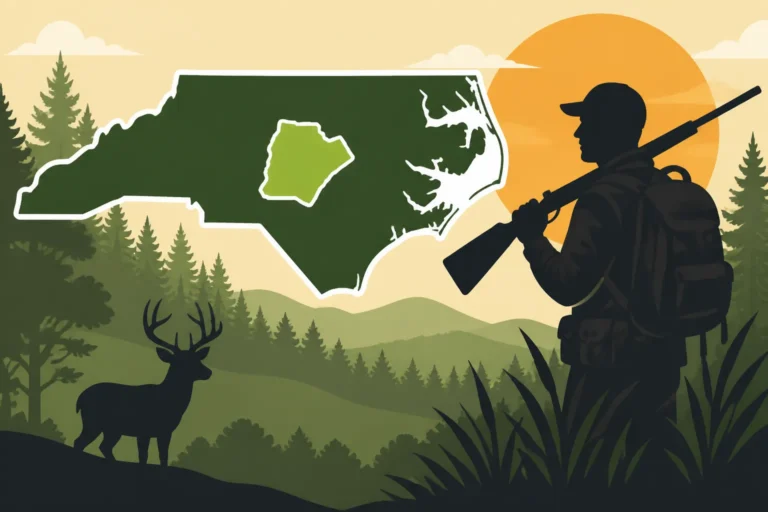
Pitt County sits squarely in North Carolina's Eastern Coastal Plain, a region characterized by its fertile soils, extensive agricultural operations, and vast tracts of timberland, much of which is privately owned. This unique blend of land use profoundly impacts public hunting access and the types of game you're likely to encounter.
The Reality of Public Access in the Eastern Coastal Plain
Unlike the broad, contiguous blocks of national forest land you find in the western part of the state, public hunting ground in the Coastal Plain often comes in smaller, more fragmented parcels. These might be tracts managed by the state's wildlife agency, tucked away amidst private farms, or smaller game lands situated along river bottoms or in less productive soils. It's not uncommon to find yourself driving through miles of cornfields or soybean plots, wondering if there's any public land around, only to discover a small, overlooked gem. This landscape demands a different approach to scouting and often means you'll be working harder to find undisturbed areas, but the rewards can be well worth the effort. Knowing how to identify these smaller, often linear pieces of public access, like those following a creek or a power line, is crucial.
The hunting pressure can be intense on these accessible parcels, especially during opening weekends. Hunters from nearby towns and cities flock to the few known spots, making solitude a rare commodity. This doesn't mean you can't have a successful hunt; it just means you need to be smarter, quieter, and often willing to go where others aren't. Understanding the local geography, the flow of water, and how game animals use edge habitat between agricultural fields and small woodlots will give you a significant advantage. Don't be discouraged by the initial appearance of an area; often, the best spots are hidden just out of sight from the road.
Key Game Species to Pursue
Pitt County, despite its agricultural dominance, supports a healthy population of various game species, primarily those adapted to such environments. White-tailed deer are undoubtedly the most popular pursuit, thriving on the abundant food sources provided by farms and the thick cover offered by woodlots and swamp edges. The deer here might not always grow the massive racks you see advertised from the Midwest, but the opportunity to harvest a deer is consistent. Pitt County falls within the Eastern Zone, which generally means some of the earliest season openers for deer in the state, often seeing hunters out in archery season by early September. You'll want to review the official North Carolina Wildlife Resources Commission guidelines for North Carolina Deer Season Structure Explained and especially the Eastern Zones Gun Season Dates to plan your trips.
Wild turkeys are also present, especially in areas with a good mix of mature timber and open fields for strutting. While not as universally distributed as deer, patient scouting can reveal excellent turkey hunting opportunities. Small game, particularly squirrels and rabbits, can offer fantastic hunting, especially in bottomland hardwood tracts that often form the backbone of public access in the region. Waterfowl hunting can also be productive, particularly for wood ducks in flooded timber and migratory ducks and geese on larger bodies of water or in flooded fields, where access might be managed. Don't overlook feral hogs either; while often sporadic, they offer a year-round hunting opportunity where present and can be quite destructive to agricultural crops.
Navigating Game Lands and Public Tracts in Pitt County
Finding and effectively hunting public land in Pitt County requires a proactive approach, leveraging modern tools and a deep understanding of local land patterns. It's not about stumbling upon a massive block of woods, but rather meticulously identifying and exploring smaller, often overlooked parcels.
Identifying Potential Hunting Areas
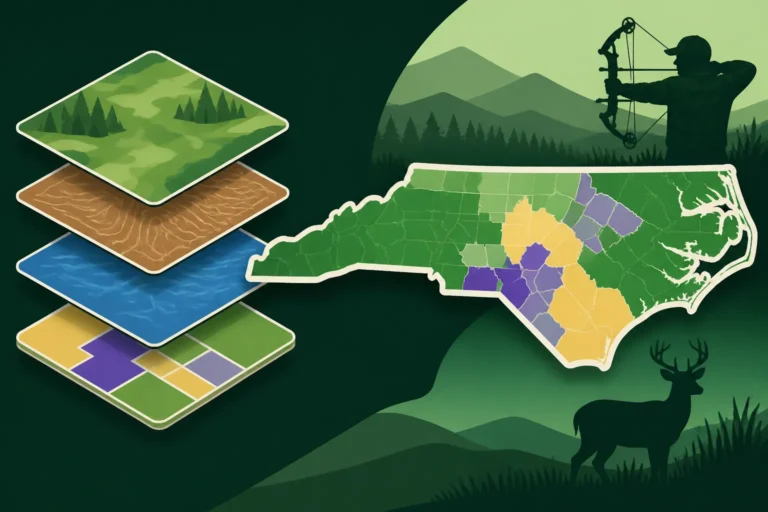
The first step in locating public hunting ground in Pitt County is to utilize the excellent digital resources available. The North Carolina Wildlife Resources Commission (NCWRC) provides interactive maps on their website, which are invaluable for identifying designated Game Lands. These maps delineate boundaries, show access points, and sometimes even highlight specific regulations for each tract. Combine this with commercial mapping applications like onX Hunt or GoHunt. These apps allow you to overlay public and private land boundaries directly onto satellite imagery, making it incredibly easy to see where a public parcel begins and ends, even if it's just a narrow strip along a creek or a small block surrounded by private property. I can't stress enough how much time and frustration these tools can save, helping you avoid accidental trespass and locate prime access points.
When using these tools, pay close attention to the smaller, often linear game land segments. These might be river or creek corridors, utility line easements, or even abandoned railroad beds that have been converted to public access. While individually small, they can connect larger blocks of cover and serve as natural travel corridors for deer and other game. Look for areas with good cover, water sources, and proximity to agricultural fields – the "edge" habitat is often where the most activity occurs. It's also worth investigating if any specific North Carolina Game Lands are designated within or very close to Pitt County, as these are managed specifically for public hunting and recreational access.
Specific Public Land Considerations for Pitt County
Hunting public land in Pitt County presents its own set of unique challenges. Because many tracts are smaller and often bordered by private farms, hunting pressure can be concentrated, especially on easily accessible areas. To find success, you'll need to develop strategies for dealing with this reality. This often means being willing to walk further than most other hunters, pushing into denser cover, or finding obscure access points that deter casual visitors. A 20-minute walk through some briars or across a wet bottom can often get you into an area that sees significantly less pressure.
Habitat types will vary, but you'll frequently encounter bottomland hardwoods (along rivers and creeks), pine plantations (some managed for timber, others older and thicker), and mixed pine-hardwood stands. Swampy areas, known locally as pocosins, are also common, offering extremely dense cover and often holding big, unpressured deer. Understanding how to hunt these diverse environments is key. For instance, Hunting Coastal Plain Pocosin Swamps requires specialized gear like rubber boots and a willingness to get wet, but it can lead to fantastic results when other areas are crowded. Focus on transition zones – where a pine plantation meets a hardwood bottom, or where thick pocosin cover thins out near an agricultural field. These are natural funnels and bedding areas.
Rules, Regulations, and Success Strategies for Public Land in Pitt County
Beyond simply finding public land, understanding the specific rules and regulations that govern hunting in Pitt County and on North Carolina Game Lands is absolutely critical. Ignorance of the law is never an excuse, and a simple oversight could turn a great day afield into a costly headache.
Pitt County Specific Regulations and Game Land Rules
First and foremost, always consult the current North Carolina Inland Fishing, Hunting & Trapping Regulations Digest published by the NCWRC. This is your bible for all seasons, bag limits, and specific game land rules. Pitt County, as mentioned, falls within the Eastern Deer Hunting Zone, so pay close attention to those specific season dates for archery, muzzleloader, and gun seasons. Generally, this means earlier openers than the Piedmont or Mountains. You'll also need to be aware of the daily and seasonal bag limits for deer, turkeys, and other game, as well as mandatory deer reporting requirements. North Carolina Deer Reporting Requirements is an important one to understand, as harvesting a deer requires reporting it within a specific timeframe.
When hunting any designated Game Land, remember that additional rules apply beyond statewide regulations. These often include specific sign-in or permit requirements (like a North Carolina Resident Game Lands License Cost if you don't have a comprehensive license), restrictions on vehicle access, rules regarding the placement and removal of treestands, and sometimes even restrictions on hunting methods or times. For example, some Game Lands might prohibit baiting, while others might have specific rules about using dogs. Always check the specific regulations for the individual Game Land you plan to hunt. You can usually find these detailed rules on the NCWRC website when you look up a specific Game Land, or often posted on kiosks at major access points. Pay particular attention to blaze orange requirements; North Carolina has clear guidelines on how much blaze orange you need to display, especially during gun seasons.
Maximizing Your Chances on Pitt County Public Ground
Given the potential for high pressure on Pitt County's public land, a strategic approach is essential. One of the most effective tactics is simply to go where others aren't willing to go. This often means walking an extra half-mile, crossing a small creek, or navigating through dense, thorny thickets. While others might set up close to parking areas, the deer will quickly learn to skirt these high-traffic spots and find refuge in the deeper cover. Early morning starts are also key; being in your stand or blind before first light gives you an advantage as animals move from nocturnal feeding areas back to bedding cover.
Stealth is paramount. The flat terrain and dense undergrowth in many parts of the Coastal Plain mean sounds can carry. Move slowly, use the wind to your advantage, and pay close attention to thermals, especially in the mornings and evenings when temperatures are changing. Deer in these areas are often quite wary. Scouting before the season is absolutely non-negotiable. Spend time walking the public parcels, looking for fresh sign: tracks, rubs, scrapes, and feeding areas. Identify natural funnels, pinch points, and bedding areas. Knowing where the deer are before you ever bring a weapon into the woods drastically increases your chances. Scouting North Carolina Public Land Before Season is not just a good idea, it's essential for success. Consider using a ground blind, especially in areas where treestand placement is difficult due to thick cover or specific regulations. Using a Ground Blind on North Carolina Public Land can provide excellent concealment and a stable shooting platform in dense environments.
Expanding Your Horizons: Beyond Pitt County's Borders
While Pitt County does offer some public hunting, it's important to be realistic about its limitations, especially for those seeking larger, more remote tracts. Sometimes, the best strategy is to look just beyond the county lines.
Exploring Nearby Public Hunting Options
If you find that public hunting opportunities within Pitt County are too limited or too heavily pressured for your liking, don't despair. North Carolina's Coastal Plain offers other options in neighboring or relatively close counties that might provide a different experience. Counties like Craven, Jones, and Beaufort, for instance, often feature larger tracts of Game Lands, many of which encompass extensive pocosins, cypress swamps, and bottomland hardwoods. These areas can be incredibly productive for deer, bear, and waterfowl, though they demand a different set of skills and often more challenging physical effort.
For example, areas like Croatan National Forest, while not directly adjacent to Pitt County, are within a reasonable drive and offer a much vaster public land hunting experience, particularly for those interested in deeper wilderness or bear hunting. Similarly, some of the larger state-managed Game Lands, like Bladen Lakes or Holly Shelter, might require a bit more travel but offer more extensive tracts of managed timber and swamp habitat. The key here is to apply the same principles of thorough research and scouting. Use the Using the NC Wildlife Map Tool to explore Game Lands in nearby counties and look for areas that match your hunting preferences and physical capabilities. Remember, while the location changes, the need for a solid North Carolina Resident Hunting License Options and adherence to all regulations remains constant.
The Role of Private Land in the Pitt County Region
It's an undeniable truth that private land dominates the landscape in Pitt County. Much of the prime deer, turkey, and small game habitat is found on farms, timber company holdings, and private estates. For many hunters in the region, gaining access to private land is the primary way to secure consistent hunting opportunities with less pressure. This often means building relationships with landowners, offering to help with chores, or exploring hunting leases.
While not always easy, Getting Private Land Permission in North Carolina can open up a world of hunting possibilities that public lands simply can't offer in this part of the state. If you decide to pursue private land access, always be respectful, clear about your intentions, and offer something in return. A good reputation in the community can go a long way in securing hunting spots year after year. For those who can't get private land access, or prefer public land hunting, patience, persistence, and smart scouting on the smaller, more challenging public tracts will be your best allies.
Disclaimer
This article is for general informational purposes only and does not constitute professional advice. Laws, prices and regulations vary by location and change over time. Consult a qualified professional for guidance on your specific situation.