Sandhills Game Land Turkey Access
Hunting turkeys on public land in North Carolina can feel like trying to find a needle in a haystack, especially when you're looking at popular spots like Sandhills Game Land. It’s tough to know where to start, how to get in, and what to expect when you get there. This guide is all about helping you unlock the secrets to turkey hunting success and access on this unique piece of North Carolina's public land, giving you practical insights and strategies to tag a gobbler.
Unpacking the Sandhills Game Land for Turkeys
The Sandhills region is a truly distinctive part of North Carolina, and its game lands reflect that. When you're thinking about turkey hunting here, it's essential to understand the unique landscape, what it offers the birds, and how that influences your approach to finding access and success.
The Unique Sandhills Ecosystem and Turkey Habitat
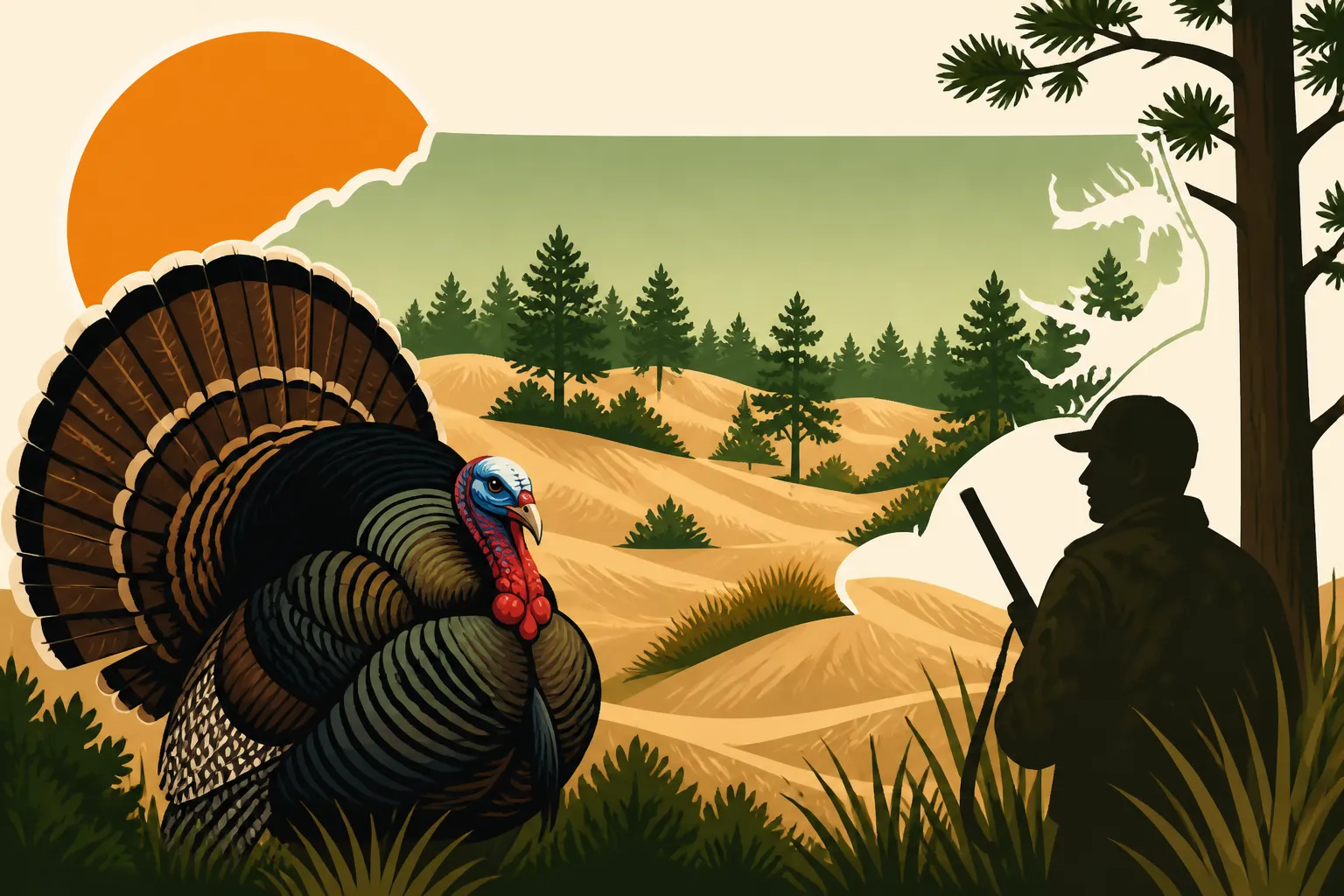
The Sandhills Game Land covers a sprawling expanse of land primarily characterized by longleaf pine savannas. Think open understories with wiregrass, scattered turkey oaks, and sand ridges. This isn't your typical dense Piedmont hardwood forest or a vast mountain timber block. This ecosystem, shaped by fire, creates incredible habitat for wild turkeys. They love those open pine stands, especially where they can scratch for insects and seeds, and dust in the sandy soils. The scattered oaks provide mast, especially in good acorn years, drawing birds in. You'll also find some wetland areas, cypress ponds, and creek bottoms mixed in, creating valuable water sources and diverse bugging areas. Understanding these transitions is key; a small creek bottom meandering through a pine savanna can be a huge draw for turkeys. This is where you might find roost trees, particularly those big mature pines or hardwoods bordering water. North Carolina Wild Turkey Subspecies thrive in this kind of environment, offering a unique hunting experience.
Navigating Access Points and Boundaries
Sandhills Game Land is a large, fragmented property, meaning it's not one continuous block. It's often broken up by private land parcels, roads, and even some residential areas, particularly around towns like Southern Pines and Pinehurst. This fragmentation can be both a blessing and a curse. It means there are numerous access points, but it also means you absolutely must know where you are at all times. Vehicle access is generally good on designated roads, but many areas require foot travel. Look for parking areas clearly marked by the NC Wildlife Resources Commission (NCWRC). Getting off the beaten path usually means walking for a while, which often leads to less pressured birds. Before you even set foot on the ground, tools like onX Hunt can be invaluable here. You can identify public versus private land boundaries, pinpoint potential parking areas, and visualize topography without guessing. Having a clear understanding of these boundaries is crucial to avoid accidental trespassing and to maximize your hunting time effectively.
Scouting and Strategy for Sandhills Gobblers
Turkey hunting in the Sandhills requires a specific approach that leverages the unique terrain and considers the pressure these public land birds often experience. It's not just about calling; it's about being smart and adaptable.
Pre-Season Scouting with Mapping Tools
Before the season even opens, your best friend will be a good mapping application. Forget just driving around aimlessly. With detailed mapping apps like onX Hunt, you can spend hours digitally scouting the Sandhills Game Land from your couch. Look for those transitions: where a dense pine plantation opens up into a more mature savanna, or where a ridge drops down to a creek bottom. These are classic turkey travel corridors and feeding areas. Identify potential roosting locations along water sources or on prominent ridges. Look for old logging roads or fire breaks that might offer quiet walking access deep into less-pressured zones. Pay close attention to subtle topographical features that might funnel birds, even in relatively flat country. A slight rise or a change in timber density can make all the difference. You're looking for areas that are harder to get to, as these often hold the most unpressured gobblers. Scouting North Carolina Public Land Before Season is always time well spent, and digital tools make it more efficient than ever.
In-Season Tactics for Pressured Birds
Once the season starts, especially after the North Carolina Statewide Turkey Opener in April, those Sandhills gobblers can get tight-lipped and wary. They’ve heard it all before. Your calling needs to be realistic and often subtle. Don't be afraid to try some soft tree yelps right before fly down, and then go quiet, letting curiosity bring them in. If that doesn't work, don't sit in one spot all day. The Sandhills terrain is often relatively open and walkable, making it perfect for a "run-and-gun" approach. Cover ground, stop and listen, make a few calls, and if nothing responds, move on. Look for fresh tracks in the sandy roads, droppings, and dusting bowls. These are clear signs of recent turkey activity. Focus on covering ground and finding birds that want to talk, rather than trying to coax an unwilling gobbler into range with aggressive calling. Remember, these birds are smart. Sometimes, the best call is no call at all, just setting up in a known travel corridor and being patient. Run-and-Gun Turkey Tactics on Public Land are particularly effective here.
Rules, Regulations, and Respect on Public Land
Hunting public land is a privilege, and it comes with responsibilities. Knowing and following the rules, and practicing good woods etiquette, ensures that access remains for everyone. The Sandhills Game Land is no exception.
Specific Rules for Sandhills Game Land Turkey Hunting
When you hunt any North Carolina Game Land, you're operating under a specific set of rules in addition to statewide regulations. You'll need the appropriate North Carolina Game Lands License Requirements in addition to your base hunting license and big game privileges. Always check the current NCWRC regulations digest for the most up-to-date information specific to Sandhills Game Land, as rules can change. This might include specific sign-in procedures, vehicle restrictions, or even temporary closures for prescribed burns or other land management activities. For instance, some areas may require you to sign in and out at designated stations, either physically or electronically, which helps the NCWRC track usage and manage the resource. Be aware of Sunday hunting regulations on public lands as well; while Sunday hunting is legal on private land statewide, public land rules often differ.
Minimizing Your Impact and Maximizing Success
The Sandhills is a special place, and treating it with respect is paramount. This means packing out everything you pack in, staying on designated trails or roads unless actively hunting, and being mindful of other users. You'll encounter hikers, birdwatchers, and other hunters. A simple nod or a friendly greeting goes a long way. When setting up, ensure you have a safe backdrop for your shot. The relatively open nature of some Sandhills areas means visibility can be good, but it also means being extra cautious about what's beyond your target. Always know your target and what's beyond it. After a successful hunt, properly dispose of your harvest remains away from public view and access points. By being a good steward of the land and a considerate hunter, you not only improve your chances of success but also help preserve hunting opportunities for future generations on this unique North Carolina landscape. Remember to check North Carolina Turkey Checking Requirements after you harvest a bird, usually through the NCWRC's online system or mobile app.
Public Land Turkey Hunting Considerations
Hunting on public land comes with its own set of challenges and rewards. Here’s a quick overview of what to keep in mind when pursuing turkeys on Sandhills Game Land:
| Aspect | Description |
|---|---|
| Pressure | Expect other hunters, especially on opening day and weekends. Early mornings and deeper penetration into the woods can help you find less disturbed birds. |
| Scouting | Essential. Use mapping apps like onX Hunt to identify access, boundaries, and potential habitat. Look for water sources, mature pines for roosting, and open areas for feeding. Ground scouting for tracks and sign closer to season is invaluable. |
| Access | Many entry points, but some areas require significant walking. Utilize old logging roads or fire breaks. Be aware of private land parcels bordering the game land and use your maps diligently to stay legal. |
| Calling Strategy | Gobblers can be "call-shy." Mix soft, subtle calls with periods of silence. Be ready to move and locate different birds. Sometimes a simple gobble to locate and then a quiet setup works wonders. |
| Gear | Comfortable walking boots are a must. Carry enough water. A reliable turkey vest with a comfortable seat is invaluable for waiting periods. Camouflage that blends with pine savannas and open woods is ideal. |
| Regulations | Always check the latest NCWRC Game Land rules specific to Sandhills. Have your North Carolina Game Lands License Requirements in order. Be aware of sign-in requirements if applicable. |
| Safety | Always practice firearm safety. Be aware of your surroundings, other hunters, and potential hazards like snakes or uneven terrain. Wear appropriate blaze orange if required for other concurrent seasons, though not typically required for spring turkey in NC. |
| Ethics | Pack out all trash. Respect wildlife and other users. Report violations if you witness them. Leaving the land better than you found it is always the goal. |
Whether you're new to turkey hunting or a seasoned veteran, the Sandhills Game Land offers a challenging yet rewarding experience. With careful planning, thorough scouting, and a thoughtful approach, you can definitely punch your tag on a North Carolina gobbler. Good luck out there!
Disclaimer
This article is for general informational purposes only and does not constitute professional advice. Laws, prices and regulations vary by location and change over time. Consult a qualified professional for guidance on your specific situation.