Currituck Refuge Diver Duck Access
Hunting diver ducks on Currituck Sound can be an absolutely incredible experience, but gaining access to some of the prime public waters, particularly within a national wildlife refuge, often feels like navigating a maze of regulations and application processes. It's frustrating when you know the birds are there, but the rules feel impenetrable. This guide is going to walk you through exactly what you need to know about accessing Currituck National Wildlife Refuge for diver duck hunting, covering the application process, the unique challenges, and practical tips to boost your chances of success.
Understanding Currituck National Wildlife Refuge and Its Waterfowl Mission
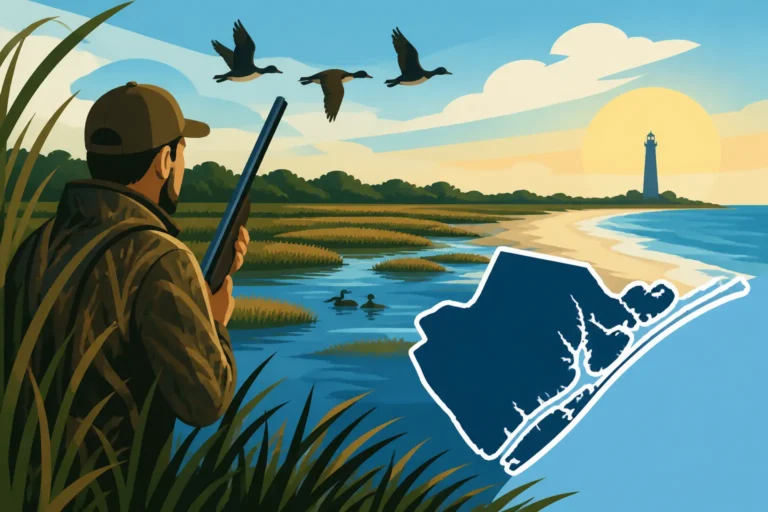
Currituck National Wildlife Refuge is a jewel of the North Carolina coast, stretching along the northern Outer Banks and encompassing critical portions of the sprawling Currituck Sound. This isn't just any body of water; it's a unique brackish system, relatively shallow, with vast beds of submerged aquatic vegetation that serve as a literal smorgasbord for wintering waterfowl. When you think of canvasbacks, redheads, scaup (bluebills), and buffleheads, you're picturing the kind of ducks that absolutely thrive in this environment. They're called "divers" for a reason – they dive deep to feed on those lush vegetation beds, making the sound their winter home.
The refuge's primary mission, like all national wildlife refuges, is wildlife conservation. This means managing habitats, protecting migratory birds, and preserving biodiversity. However, part of that mission often includes providing compatible wildlife-dependent recreation, and hunting is certainly a traditional and valued form of recreation in this region. The challenge for refuge managers, and for us as hunters, is balancing the needs of the incredible bird populations with public access. This balance is why access isn't simply a free-for-all; it's carefully managed through specific regulations and, very often, a lottery or draw system, which can be a real headache for hunters just trying to plan their season.
The unique ecology of Currituck Sound, with its fluctuating salinity and abundant food sources, makes it a magnet for these hard-fighting diver ducks. Historically, it was a legendary hunting ground, and while some things have changed, the fundamental appeal remains. Understanding this ecological context helps explain why the refuge is so sought after, and why the rules are in place – they're trying to protect a truly special resource.
Navigating the Application and Permit Process for Refuge Access
Getting your foot in the door to hunt diver ducks within Currituck National Wildlife Refuge is rarely as simple as just showing up with your shotgun. The most common hurdle is the managed access system, which typically involves a lottery or drawing for specific hunt dates and areas. This system is designed to control hunting pressure, ensure fair distribution of opportunities, and minimize disturbance to the waterfowl populations. For many hunters, this is the most frustrating part of the process – the uncertainty, the anticipation, and the often slim odds of drawing a coveted spot.
Before you can even think about applying for a refuge hunt, you need to ensure you have all your basic North Carolina hunting licenses and stamps in order. This usually means a valid North Carolina Resident Hunting License Options or North Carolina Nonresident Hunting License Options, a North Carolina Federal Duck Stamp Requirement, and your North Carolina HIP Certification for Bird Hunters. These are foundational requirements for any migratory bird hunting in the state, and the refuge will check for them. Sometimes, a specific refuge permit will also require an additional fee, but this varies. It’s absolutely critical to visit the official Currituck National Wildlife Refuge website or contact their office directly well in advance of the hunting season. The application windows for these draws are often very specific and unforgiving, and missing a deadline means missing out entirely for the year.
The application process itself has evolved, often moving to online portals, but always verify the current method. You'll typically be applying for a specific unit or blind site, and knowing the lay of the land, even if it's just from studying maps, can be an advantage. This is where tools like onX Hunt can be incredibly valuable. Even though you might not be actively scouting inside the refuge before you draw, an app like onX Hunt allows you to analyze public land boundaries, understand water depths (if available), and visualize potential access routes and surrounding areas. This prior digital "scouting" can help you make informed decisions when ranking your preferred hunt units during the application process, giving you a better feel for the terrain you might eventually be hunting. Remember, these draws are highly competitive, and having all your paperwork in order and understanding the application system are your first, and arguably most important, steps to success.
Here's a quick overview of essential permits and licenses you'll generally need for waterfowl hunting in North Carolina, which are prerequisites for refuge access:
| Permit/License Type | Description | Where to Obtain |
|---|---|---|
| North Carolina Hunting License | Basic state hunting license, required for all hunting activities. | NC Wildlife Resources Commission website or agents |
| North Carolina Big Game Privilege | If hunting certain species, but not typically for waterfowl. | NC Wildlife Resources Commission website or agents |
| Federal Duck Stamp | Migratory Bird Hunting and Conservation Stamp, required for all waterfowl hunters 16+. | Post offices, sporting goods stores, online |
| NC Migratory Bird Certification | Required annually for all migratory bird hunters (free). | NC Wildlife Resources Commission website or agents |
| Game Lands License | If hunting on designated Game Lands, check refuge rules for applicability. | NC Wildlife Resources Commission website or agents |
| Refuge Permit (if applicable) | Specific permit issued by the refuge after a successful draw. | Currituck NWR (or specific refuge) office/website |
Practicalities of Hunting Diver Ducks on Currituck Refuge
Once you've successfully navigated the application process and secured a permit for Currituck National Wildlife Refuge, the real work (and fun!) begins. Hunting diver ducks on Currituck Sound presents its own unique set of practical challenges and considerations, especially when operating within refuge boundaries. These aren't your typical flooded timber or small pond hunts; the vast, open water requires a different approach.
Access to your assigned hunt area or blind site within the refuge is almost always by boat. The shallow, brackish waters of Currituck Sound can be tricky, so having a reliable boat suitable for the conditions is paramount. While some larger boats can navigate the main channels, smaller, shallower draft vessels are often necessary to reach specific hunting spots. Many hunters utilize marsh boats or even push poles to quietly maneuver through the extensive vegetation and shallower areas. Always ensure your boat is in good working order, you have all required safety gear, and you understand the refuge's specific rules regarding boat access, speed limits, and prohibited areas. You can use mapping tools like onX Hunt to review satellite imagery and topo maps to get a sense of depths and channels, though real-time conditions can always vary.
Blind regulations are another critical aspect. Unlike some private land hunts where permanent blinds are the norm, refuges often have very strict rules. Some refuge areas might have designated, pre-built blinds that you are assigned, while others might require you to bring your own temporary blind or utilize natural cover, often limited to specific materials. The key is to know exactly what is allowed for your specific hunt unit. Decoy spreads for diver ducks are also typically larger than those for puddle ducks, often consisting of dozens or even hundreds of decoys to attract birds from a distance. You'll want to study techniques for Decoy Spreads for Currituck Sound Divers. Shot size and type are also regulated, with non-toxic shot being mandatory for all waterfowl hunting. Being prepared with your Waterfowl Loads for Sound-Side Divers is essential.
Safety on the water cannot be overstressed. Cold water, changing weather, and navigating in the dark are all part of diver duck hunting. Always hunt with a partner, inform someone of your plans, and carry emergency equipment. Ethical hunting also includes knowing your target species, understanding North Carolina Duck and Goose Bag Limits, and only taking clean shots within your effective range. The refuge is a managed area, and respecting its rules, its wildlife, and other users is not just about compliance, but about being a responsible steward of this incredible resource.
Tips for Success and Respecting Refuge Regulations
Hunting diver ducks on Currituck National Wildlife Refuge can be a truly memorable experience, but maximizing your success hinges on preparation, understanding, and respect for the regulations. It's not just about drawing a tag; it's about being ready when that opportunity arises.
First and foremost, scouting is crucial, even if it's "digital scouting" before your draw. While you generally can't scout inside the specific hunt units prior to drawing a permit, you can absolutely spend time familiarizing yourself with the broader Currituck Sound area. Drive the public roads along the Outer Banks, observe waterfowl patterns from public access points, and use mapping apps like onX Hunt to study water depths, vegetation patterns, and potential staging areas outside the refuge boundaries. This broader knowledge will inform your choices when applying for specific units and give you a better understanding of bird movement in the region. Understanding Reading a Sound-Side Marsh for a Morning Flight can be gleaned from observing general patterns.
Gear considerations are paramount for hunting these open, often cold, and windy waters. Investing in quality cold-weather gear is a must, especially given the often frigid winds that sweep across the sound. Waterproof layers, insulated boots suitable for wading, and a good set of Waders for Sound-Side Marsh Hunting are non-negotiable. For many diver hunters, a layout blind is essential for concealment, especially in open water or thin marsh vegetation, so consider Layout Blinds and Marsh Boats for your setup. Beyond decoys, a reliable motor, extra fuel, and all necessary safety equipment for your boat are critical.
Knowing the rules isn't just a suggestion; it's a requirement. Each year, the refuge typically publishes a detailed hunt plan or specific regulations document. You must read this document thoroughly. It will outline season dates, specific legal shooting hours, bag limits, allowable equipment, designated hunt zones, reporting requirements, and any other nuances specific to that year's hunt. These rules are often more stringent than general state regulations for North Carolina Waterfowl Zones and Seasons, so don't assume. Ignorance of the rules is never an excuse, and violations can lead to hefty fines and loss of hunting privileges.
Finally, remember that you are hunting in a unique and vital ecosystem. Practice good hunting ethics, which includes respecting fellow hunters, cleaning up all your spent shells and trash, and ensuring you retrieve every bird you shoot. These actions reflect positively on the entire hunting community and help ensure that opportunities to hunt places like Currituck National Wildlife Refuge continue for generations to come.
Disclaimer
This article is for general informational purposes only and does not constitute professional advice. Laws, prices and regulations vary by location and change over time. Consult a qualified professional for guidance on your specific situation.