Getting an Alligator River Refuge Deer Permit
Ah, the Alligator River National Wildlife Refuge! It's one of those places that calls to a North Carolina hunter's soul—vast, wild, and teeming with incredible potential for deer. But let's be real, the idea of hunting on a federal refuge, especially one as unique and remote as Alligator River, can feel like navigating a maze. You know there are deer there, but getting your foot in the door, let alone understanding the specific rules, can be a real head-scratcher. This guide is here to untangle that process, giving you a clear roadmap to understanding and hopefully securing an Alligator River Refuge deer permit.
Understanding Alligator River National Wildlife Refuge Deer Hunting
First things first, let's talk about why this place is so special and why it operates differently from other hunting grounds you might be familiar with.
Why the Refuge is a Unique Hunting Destination
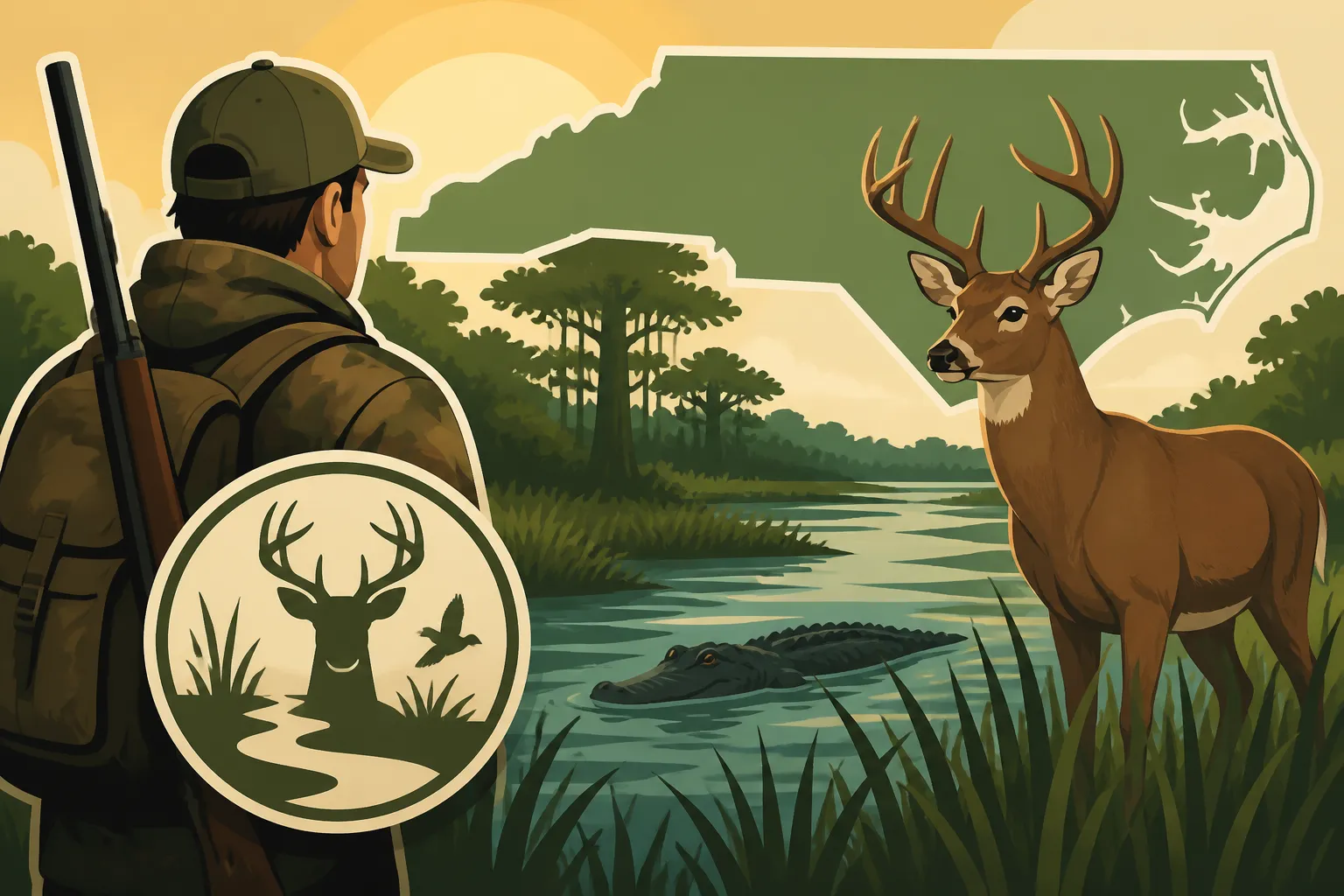
The Alligator River National Wildlife Refuge, nestled on the Albemarle-Pamlico Peninsula, is a sprawling expanse of coastal wetlands, pocosin swamps, and dense forests—a truly wild corner of North Carolina. It's home to a diverse ecosystem, including the elusive red wolf and, importantly for us, a thriving population of white-tailed deer. These deer often grow quite large, thanks to the rich habitat and limited hunting pressure that a permit system helps to ensure. Hunting here isn't just about the harvest; it's about the immersive experience of being deep in a truly untamed landscape.
Imagine pushing through dense thickets of bay and gallberry, the scent of damp earth and pine needles filling the air, knowing that a big-bodied swamp buck could be lurking just ahead. It's a challenging environment, no doubt, but that's precisely what makes it so rewarding. The sheer scale and wildness of the refuge make it feel like an adventure every time you step foot inside.
The Permit System: Why It Exists
Unlike some of our state game lands where a general game lands license gets you access, hunting on the Alligator River National Wildlife Refuge requires a special, refuge-specific permit. This isn't just bureaucracy for the sake of it; it's a crucial wildlife management tool. The refuge staff use the permit system to carefully control the number of hunters in specific areas, ensuring that the deer population remains healthy and sustainable, and that hunting pressure doesn't become excessive.
This controlled access also helps maintain the quality of the hunting experience. By limiting hunter numbers, you're less likely to find yourself bumping into other hunters every hundred yards, creating a more solitary and authentic outdoor experience. It's a federal facility, so while it works with state regulations, it also has its own layer of rules designed to protect its unique resources.
Key Differences from General North Carolina Public Land Hunting
If you're used to hunting our beautiful state public lands, like a tract of national forest or a specific North Carolina Game Lands property, you'll quickly notice some distinct differences when it comes to the refuge. The most obvious, of course, is the mandatory permit. You can't just walk in with your state hunting license and big game privilege; you need that special refuge permit in hand.
Beyond the permit, you'll often find refuge-specific season dates that might not align perfectly with the statewide or even the Eastern Zone gun season dates. Bag limits can also differ, often being more restrictive to ensure sustainable harvest. Weapon restrictions can be unique, too, sometimes favoring specific types of firearms or archery equipment to fit the management objectives of the refuge. It's critical to remember that the refuge's rules take precedence over general state hunting regulations within its boundaries, so never assume your usual approach will fly here.
Navigating the Alligator River Refuge Permit Application Process
Okay, so you're convinced you want to hunt this incredible place. Now, let's get down to the nitty-gritty: how do you actually get one of those coveted permits?
Where and When to Apply
The permit application process for Alligator River National Wildlife Refuge deer hunts is typically managed directly through the refuge's official website, or sometimes via a broader US Fish & Wildlife Service portal dedicated to refuge hunting. This isn't something you can do at your local tackle shop or through the general NC Wildlife Resources Commission website. You need to go straight to the source.
The absolute most important thing to remember is the application window. These permits are usually allocated well in advance of the hunting season, often during late summer or early fall for the upcoming deer season. You cannot wait until a week before the season opener to apply; by then, the application period will have long closed. My best advice is to check the Alligator River National Wildlife Refuge's official website early in the year—think spring or early summer—and bookmark the hunting section. Look for their annual hunt brochure or regulations, which will clearly lay out the application dates, specific hunt zones, and available species. Missing the deadline means missing the hunt for that year.
Application Requirements and Fees
When you do find the application portal, you'll typically be asked for some standard information: your full name, contact details, and your valid North Carolina hunting license number, including any required big game privileges. Don't be surprised if there's a small, non-refundable application fee. This fee helps cover the administrative costs of running the lottery and managing the hunts.
The permits themselves are often designated for specific hunt types—archery, muzzleloader, shotgun, or youth hunts—and for particular time slots or zones within the refuge. You'll need to carefully review the available options and choose the hunt that best suits your preferred method and schedule. Some hunts might be for antlered deer only, while others may include antlerless opportunities. Read everything before you submit, because once it's in, changes are often not possible.
The Drawing System: What to Expect
Due to the refuge's popularity and the limited number of spots available, deer permits for Alligator River are almost always allocated through a lottery or drawing system. This means you apply, pay your application fee, and then you wait. It's a game of chance, and drawing odds can vary depending on the specific hunt and the number of applicants. Don't get discouraged if you don't get drawn the first time; consistency is key. Many successful refuge hunters will tell you they applied for several years before finally getting that golden ticket.
If you are selected, you'll usually be notified via email or a physical letter. This notification will include instructions on how to confirm your permit, pay any additional permit fees (which are separate from the application fee), and access any necessary maps or detailed regulations for your specific hunt. Keep a close eye on your email, even your spam folder, around the expected notification dates!
What to Do Once You're Drawn
Congratulations, you've been drawn! This is where the real planning begins. First, make sure you complete any required steps to officially accept and pay for your permit by the specified deadline. Failure to do so will result in forfeiture, and that's a heartache nobody wants. Once confirmed, you'll likely receive a packet of information—either digitally or by mail—that is absolutely critical to review.
This packet will typically include detailed maps of your specific hunt zone, entrance and exit procedures, rules on vehicle access, special equipment considerations, and the exact check-in and check-out protocols. Study these materials thoroughly. Don't assume anything. The refuge staff put a lot of effort into these guidelines for a reason, and understanding them will ensure a smooth hunt and keep you compliant with all regulations.
Preparing for Your Alligator River Refuge Hunt
Getting the permit is just the first step. Now comes the exciting part: preparing for a hunt in one of North Carolina's wildest places.
Understanding Refuge-Specific Regulations
I cannot stress this enough: the regulations for Alligator River National Wildlife Refuge are often very specific and can differ significantly from general state hunting laws, even those for North Carolina Deer Bag Limit Rules. You need to be intimately familiar with them. For example, some hunts might have unique weapon restrictions, like shotgun-only areas or specific projectile types. Blaze orange requirements might be different, sometimes even mandatory for archery hunters in certain periods or zones, which is often not the case on regular state public land.
Vehicle access is usually restricted to designated routes, and knowing these routes is vital. Baiting is almost universally prohibited on federal refuges, as is the use of dogs for deer hunting. You'll also need to know the specific deer checking requirements, which may involve checking in at a physical station on the refuge rather than using the statewide online reporting system. Always carry a printed copy of the refuge regulations with you when you hunt.
Scouting and Accessing the Terrain
Alligator River is not your typical easily-walked woodland. It's largely pocosin—dense, wet, and often challenging to navigate. Scouting, if permitted before your hunt, is invaluable. Even if you can't physically scout, spend serious time studying aerial maps. Tools like onX Hunt are an absolute game-changer here. You can identify subtle high spots, old logging roads, drainage ditches, and potential travel corridors that are invisible from the ground. Look for those slight elevation changes that might hold deer beds or natural funnels.
Access points are crucial; understand where you can legally park and enter. Be prepared for a walk, often through thick cover and wet ground, before you even get to your hunting area. If you're considering Hunting a Funnel Between Two Pocosins, using onX Hunt to identify those constricted areas can make all the difference, helping you pinpoint where deer are most likely to concentrate their movement. Pay attention to water levels, especially after rain, as significant portions can become flooded.
Essential Gear for a Refuge Hunt
Because of the unique terrain and challenges of the Alligator River Refuge, your gear choices become even more critical.
First and foremost: waterproof footwear. Waders or knee-high rubber boots are often not just recommended, but absolutely essential. You will encounter water, mud, and wet vegetation. Forget your breathable hiking boots unless you enjoy squishy socks.
Next, bug protection. Seriously. Mosquitoes, ticks, and other biting insects are a constant companion, especially during early seasons. Pack industrial-strength repellent, and consider permethrin-treated clothing.
For navigation, a reliable GPS unit or a smartphone with a robust app like onX Hunt is non-negotiable. Cell service can be spotty or non-existent in many parts of the refuge, so ensure your maps are downloaded for offline use. A physical compass and map are excellent backups.
Beyond that, sturdy rain gear is a must, even on clear days, as the dense cover can hold dew and quickly soak you. Hydration is key, so bring plenty of water. A durable, waterproof pack that can handle being dragged through brush is also a smart choice. And when you do get a deer down, think about retrieval. A heavy-duty game cart might be useful if the terrain allows, but often a robust deer sled or even a boat might be necessary for Dragging a Deer Out of a Coastal Swamp.
| Feature | Alligator River NWR Hunt | General NC Public Land Hunt (e.g., Game Lands) |
|---|---|---|
| Permit Required | Yes, specific refuge permit via lottery | Often just a statewide hunting license + game lands privilege |
| Application Process | Federal portal/Refuge website, specific windows | Purchase state licenses/privileges directly |
| Season Dates | Refuge-specific, may differ from state zones | Aligns with state/zone seasons (Eastern, Central, Western) |
| Bag Limits | Refuge-specific, often more restrictive | Statewide/zone bag limits |
| Weapon Rules | Refuge-specific (e.g., shotgun-only, specific ammo) | General state legal weapons apply |
| Blaze Orange | Refuge-specific, may be required for archers | Generally required for gun, optional for archery (check exceptions) |
| Access | Restricted to designated roads/trails, often walk-in only | More varied, some vehicle access, easier walk-ins |
| Baiting/Dogs | Generally Prohibited | May be allowed in some state contexts (check local rules) |
| Deer Check-in | Refuge-specific check stations, biological data collection | Online state reporting system, phone app |
| Terrain | Primarily dense pocosin, swamp, wet areas, challenging | Varies widely from mountains to coastal plain, easier access possible |
Maximizing Your Chances in the Refuge
You've got your permit, your gear is ready, and you understand the rules. Now, let's talk about putting that tag on a deer.
Hunting Strategies for Dense Pocosin
Hunting the dense pocosin of Alligator River is a unique challenge that demands a particular approach. Forget long-range glassing; this is up close and personal hunting. Still-hunting is often the most effective method here. Move slowly, taking one or two steps, then pausing for several minutes to scan, listen, and let the woods settle. Use your eyes to pick apart the shadows and look for horizontal lines or patches of brown that break up the vertical vegetation. Deer are often bedded in the thickest stuff, and you'll need to be practically on top of them to get a shot.
Focus on finding any subtle changes in elevation—even a few inches can create a "dry" spot where deer prefer to bed or travel. Look for the edges where the densest pocosin meets slightly more open timber, or where a logging road cuts through. These are natural travel corridors. Patience is absolutely paramount. Don't rush. The deer are here, but they have the advantage of incredible cover. Embrace the slow pace, and you might just catch a glimpse of a phantom buck slipping through the shadows. Remember, tactics for Hunting Coastal Plain Pocosin Swamps really shine in this kind of terrain.
Post-Harvest Requirements and Logistics
Successfully harvesting a deer in the Alligator River Refuge means your work is far from over. The first and most critical step is understanding the refuge's specific post-harvest requirements. Unlike the general state system where you report a deer online or via the app, Alligator River often requires you to bring your deer to a designated check station within the refuge boundaries. This is for biological data collection, allowing the refuge staff to monitor the health and age structure of their deer herd. You might need to check in and out, even if you don't harvest, so be prepared for these procedures.
Retrieving a deer from the deep pocosin can be an epic task. Have a plan for this before you even pull the trigger. Consider bringing a heavy-duty deer sled, a strong rope, or even coordinating with a friend to help. You'll likely be dragging through water, mud, and thick brush, potentially for a significant distance. Think about how you'll keep the meat cool, especially if hunting during warmer early-season dates, as this is a remote location. Knowing how to quickly field dress and even bone out a deer could be a huge advantage when facing a long drag, a skill that's vital for handling a deer after the shot in challenging environments.
Dealing with Environmental Challenges
Hunting the Alligator River Refuge is an immersion experience, and that means dealing with its formidable environment. Expect heat and humidity, especially in the earlier seasons. This can lead to rapid fatigue and dehydration, so pack more water than you think you'll need. As mentioned, the insects can be relentless.
Beyond the bugs, the refuge is also home to venomous snakes, particularly cottonmouths and rattlesnakes, especially in the warmer months. Always watch your step, especially when navigating dense cover or stepping over logs. The remote nature means you are largely on your own, so practice self-reliance. Carry a first-aid kit, know basic wilderness first aid, and always tell someone exactly where you are going and when you expect to return. This isn't the place to take unnecessary risks. A reliable navigation tool like onX Hunt, used in conjunction with downloaded maps and a compass, will be your best friend in keeping you oriented in this vast and often disorienting landscape.
Disclaimer
This article is for general informational purposes only and does not constitute professional advice. Laws, prices and regulations vary by location and change over time. Consult a qualified professional for guidance on your specific situation.