North Carolina Mallard and Wood Duck Numbers
North Carolina mallard and wood duck populations, migration patterns, and local habitat influences explained for hunters.
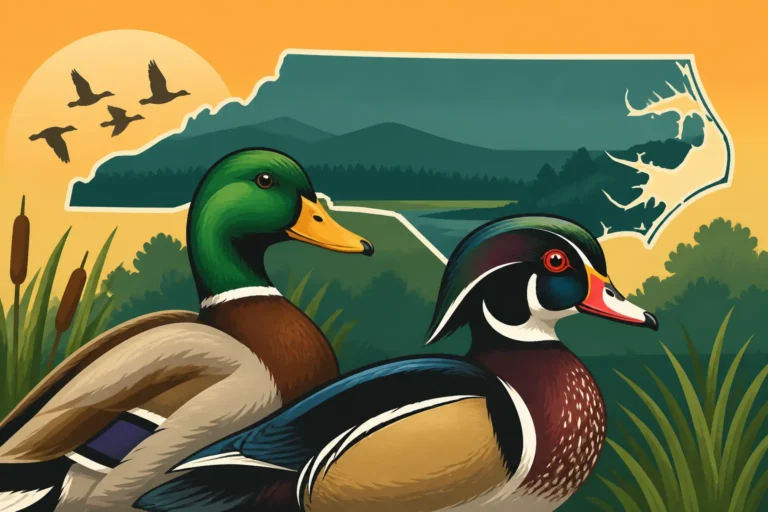
North Carolina mallard and wood duck populations, migration patterns, and local habitat influences explained for hunters.
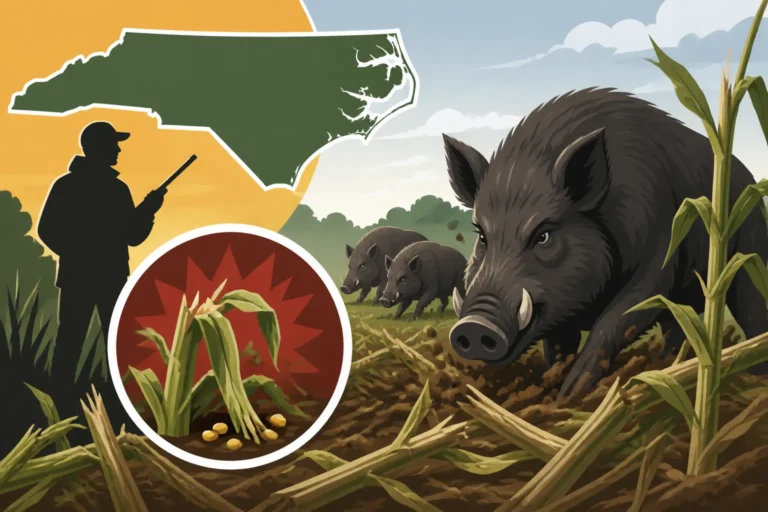
North Carolina feral hog crop damage costs farmers thousands annually, destroying corn, soybeans, peanuts, and other agricultural yields.
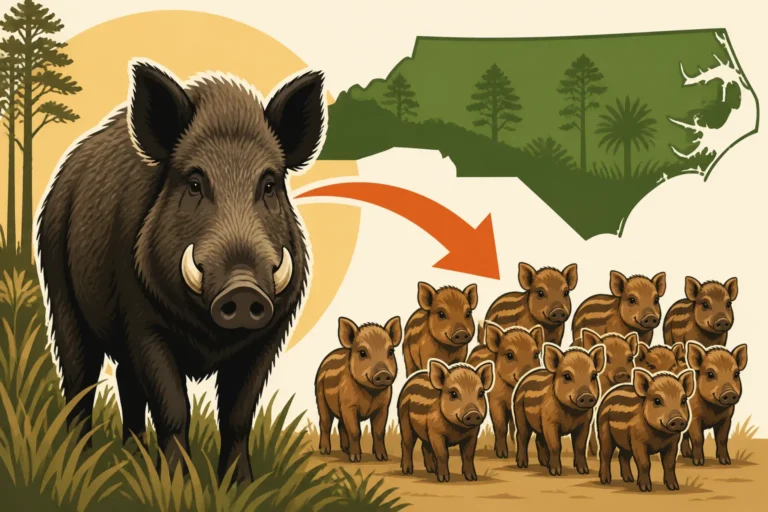
Coastal Plain feral hog populations multiply rapidly due to early sexual maturity, large litter sizes, and year-round breeding cycles.
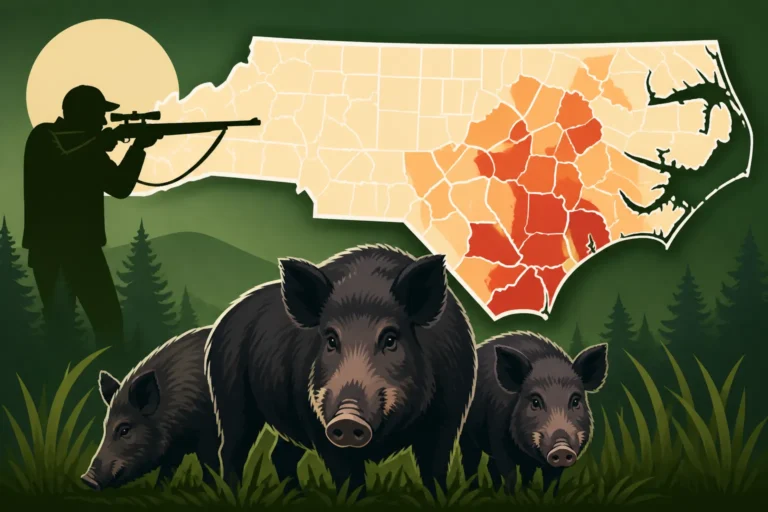
North Carolina counties with the most wild hogs include Bladen, Sampson, Duplin, Columbus, Pender, Martin, and Onslow in the Coastal Plain.
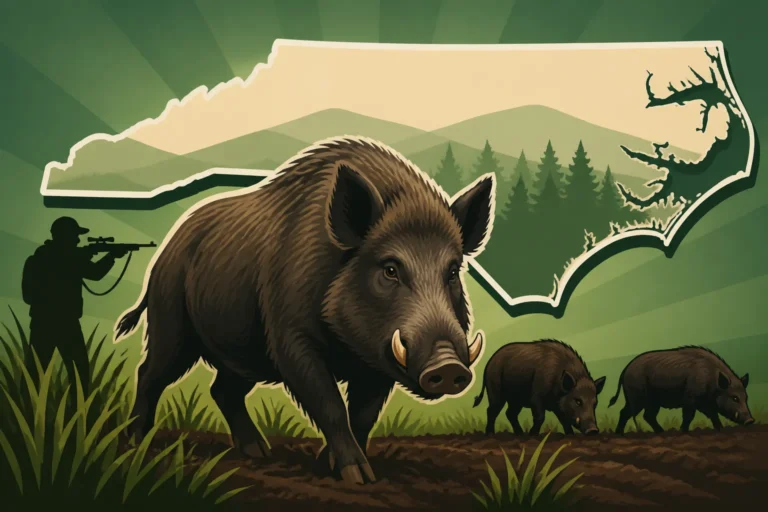
North Carolina feral hog populations defy exact counts due to secretive behavior, dense cover, and fast reproduction rates.
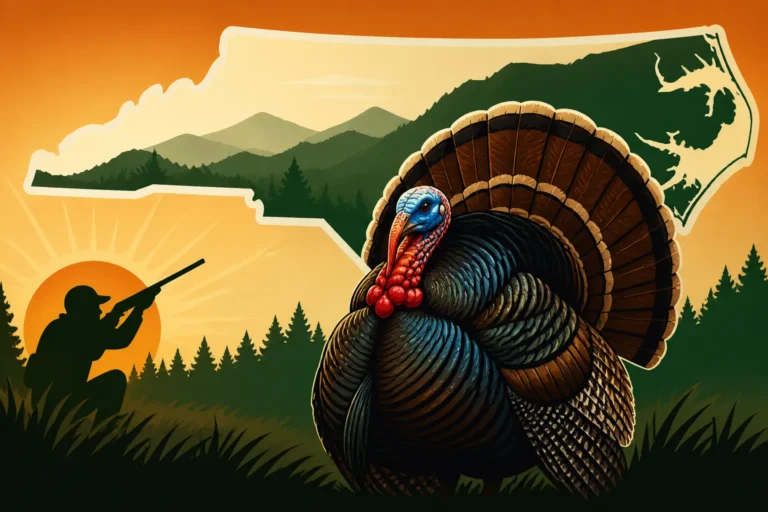
North Carolina trophy gobblers require specific National Wild Turkey Federation scoring measurements for live weight, beard, and spurs.
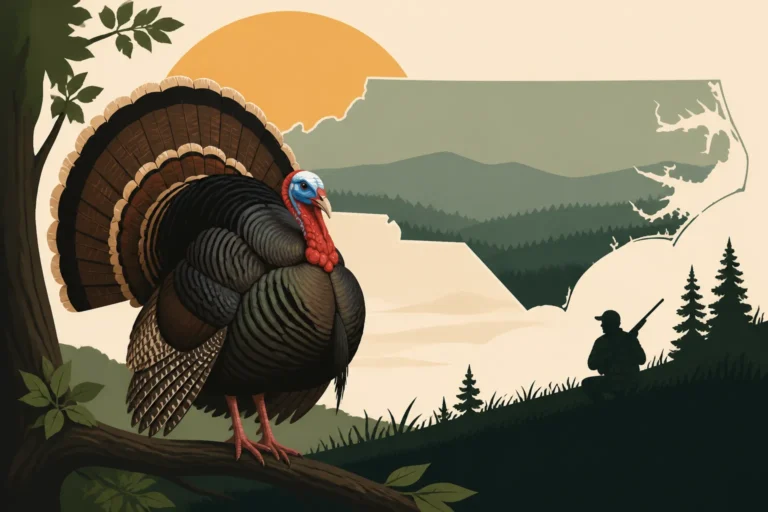
North Carolina turkey roosting locations depend on tree size, seasonal weather, and regional topography across the state.
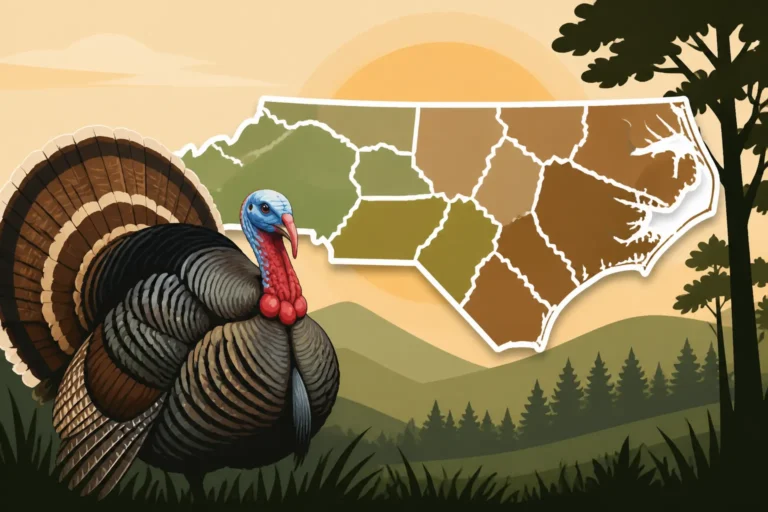
North Carolina wild turkey hunting regions, from Appalachian Mountain public lands to productive Piedmont mixed forests.
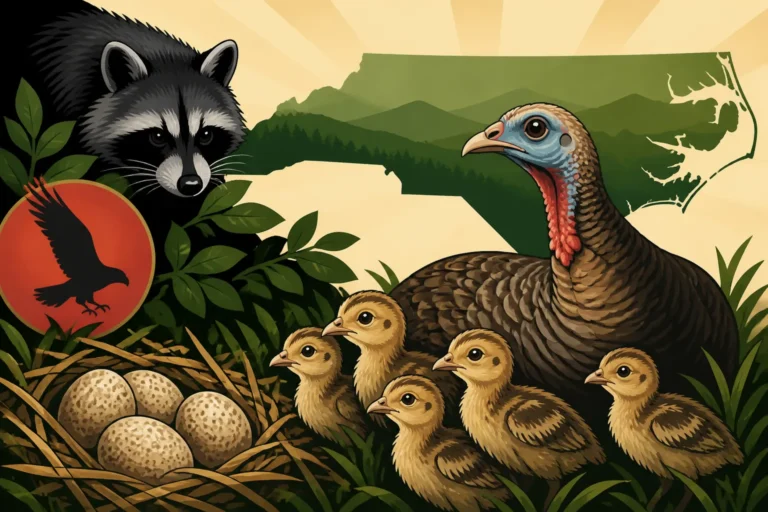
North Carolina wild turkey nest predation impacts reproduction as hens incubate eight to fifteen eggs for twenty-eight days.
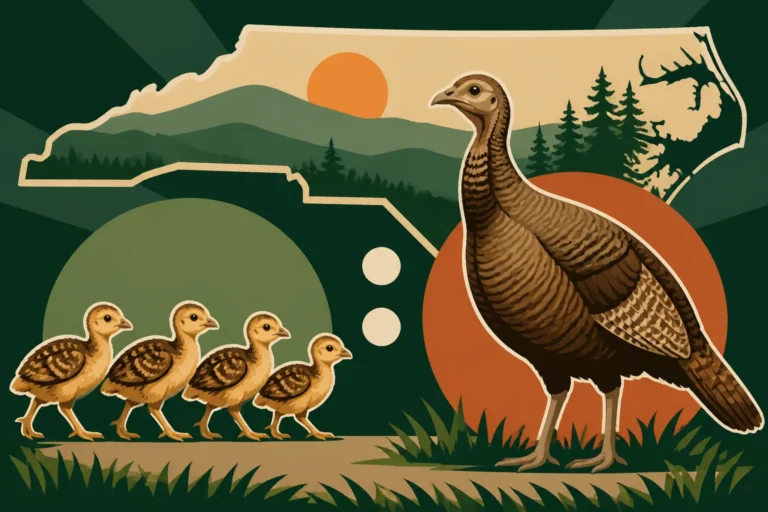
North Carolina poult-to-hen ratios measure wild turkey reproductive success, indicating future population health and guiding local hunting expectations.