Where North Carolina Bobcats Are Rebounding
North Carolina bobcat populations are rebounding due to sustainable forestry and regulated hunting and trapping seasons.
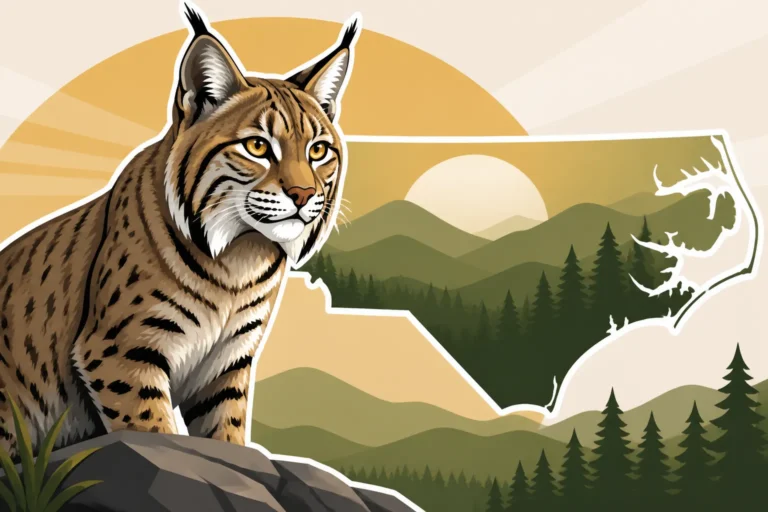
North Carolina bobcat populations are rebounding due to sustainable forestry and regulated hunting and trapping seasons.
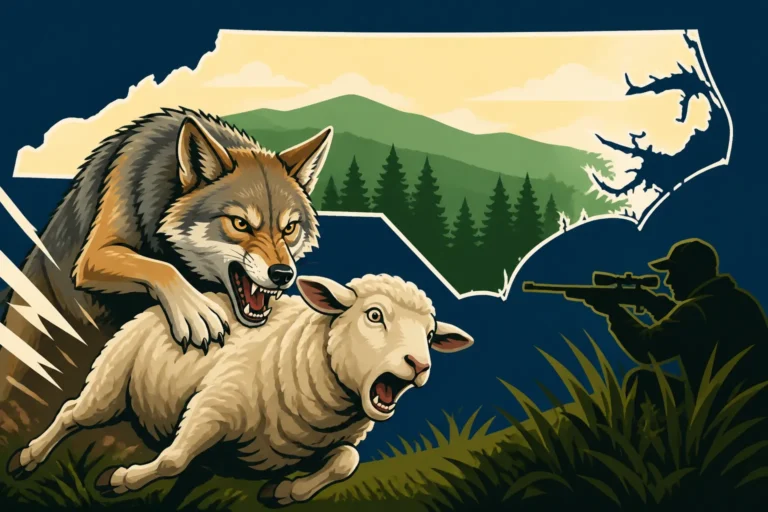
North Carolina coyote attacks on farm livestock and practical methods for protecting chickens, sheep, and calves from predators.
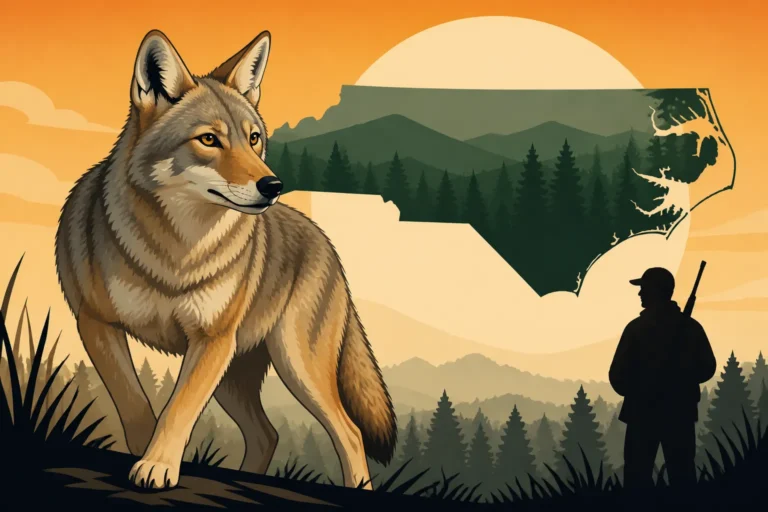
North Carolina coyotes arrived through a slow migration from the West, establishing populations across the mountain, Piedmont, and coastal regions.
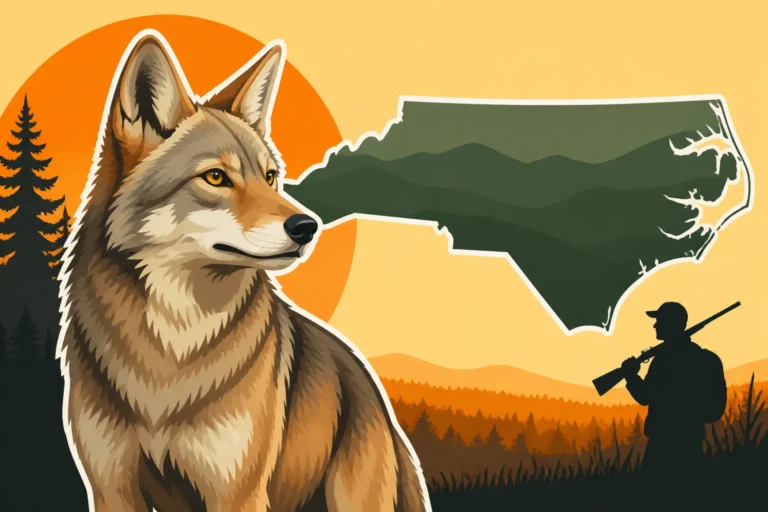
North Carolina coyote population numbers remain unknown because these elusive animals are impossible to count accurately.
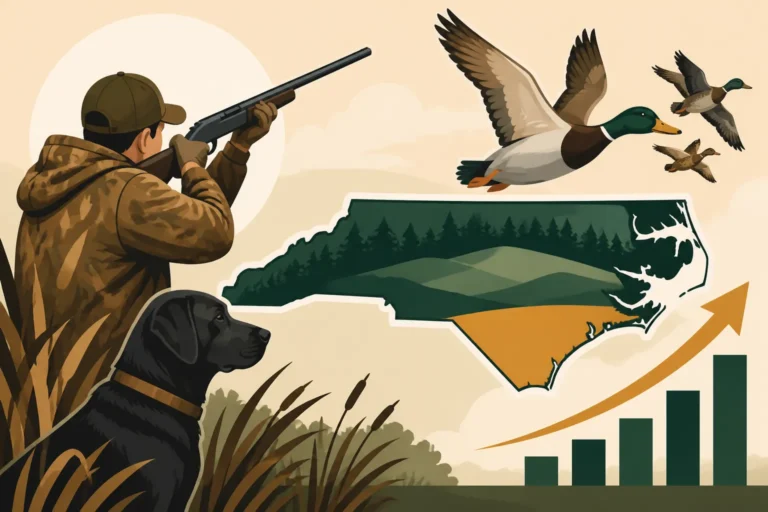
North Carolina duck harvest numbers show waterfowl populations, tracking annual success rates through federal surveys and state data.
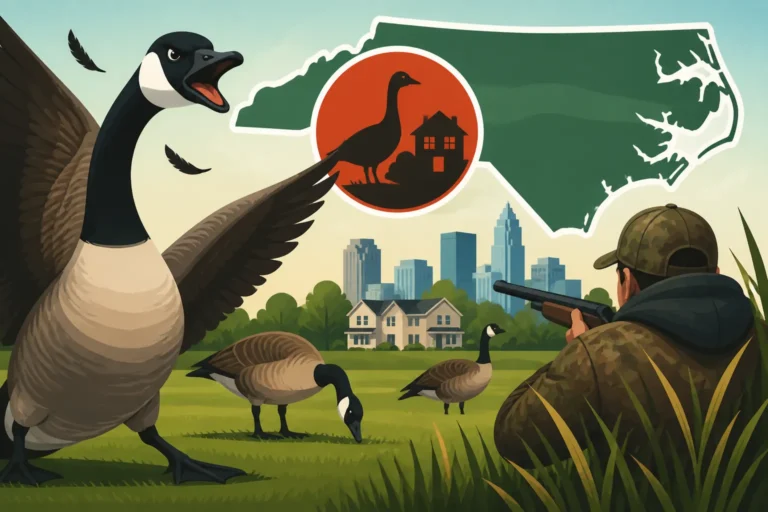
Resident goose populations around Raleigh create property damage and sanitation concerns for landowners and local farmers.
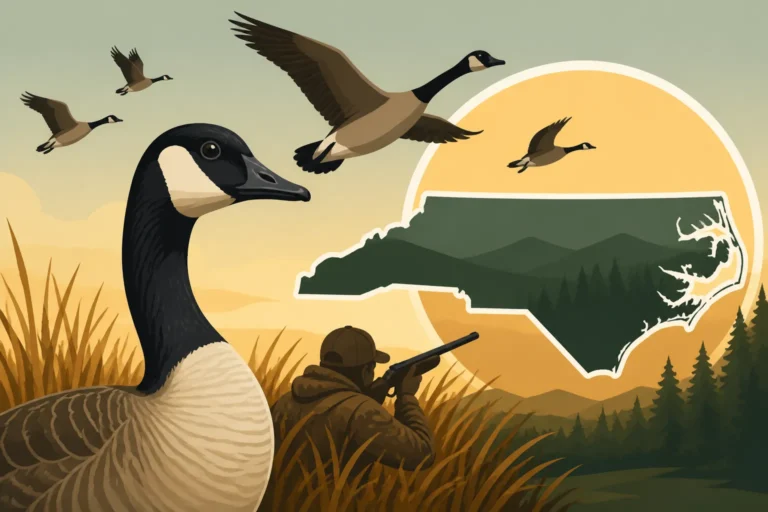
North Carolina resident Canada geese populations, their year-round behaviors, and the factors driving their recent dramatic growth.
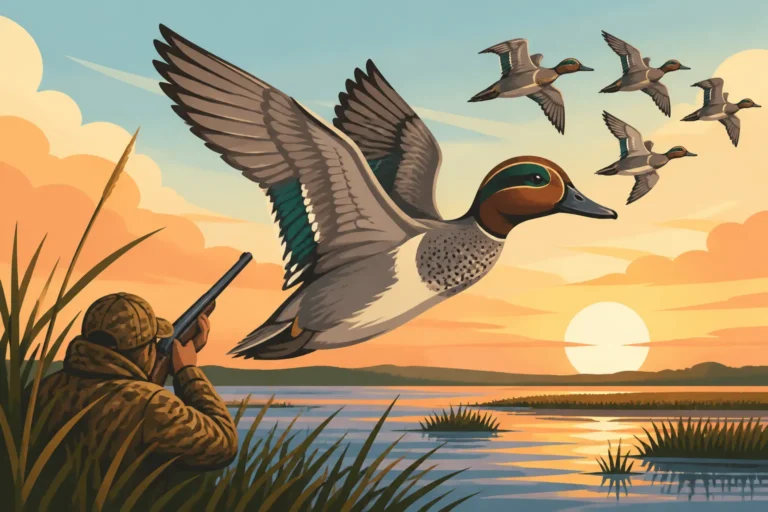
Currituck Sound environmental factors and blue-winged teal migration patterns explain September waterfowl concentrations in North Carolina.
Wintering duck populations on Currituck Sound fluctuate due to weather patterns, breeding success, and changing environmental factors.
Duck migration timing through North Carolina depends on northern weather patterns pushing waterfowl south through the Atlantic Flyway.